This is Global Observatory of Accurate Livestock Sciences, where relevant and accurate data about sustainable livestock production is shared. Follow us for more
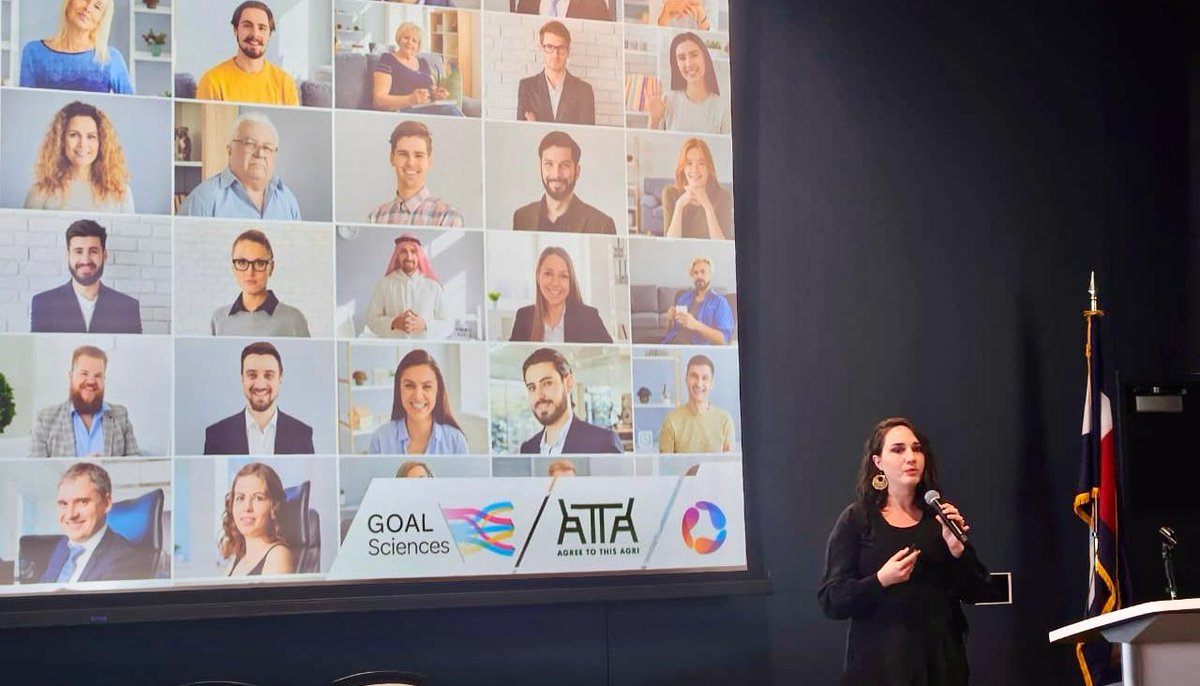
The localization of solutions is the only way we can create sustainable policies, tools and methods for the future of food systems. This was one of the key messages delivered by @AgreeToThisAgri as she brought a fresh perspective into the International Summit on The Societal Role of Meat and Livestock, by focusing on the different environmental, socioeconomic and nutritional circumstances in each country and how each requires tailored solutions.
We are proud to have her on our team. #meatandsociety #localization #localisation #socioeconomics #nutrition #teamappreciation
One of our team members, Elna de Lange, presented a new tool launching in 2025 that visualises global livestock production systems. This includes their herd-structures, land-utilisation and where relevant, greenhouse gas emissions.
We are proud of the work she and co-authors have put into this tool and are thankful for the opportunity to could have presented this to a group of scientists, in Denver during The International Summit on the Societal Role of Meat.
Watch this space for the tool coming in January 2025.
#meatandsociety #dataandtechnology #livestocksystems
Global scientists and experts recently gathered at the 2nd International Summit on the Societal Role of Meat & Livestock. The two-day summit explored sustainable production, nutrition, ecology and more while fostering cross-disciplinary collaboration. https://t.co/AKUjuLHr8t
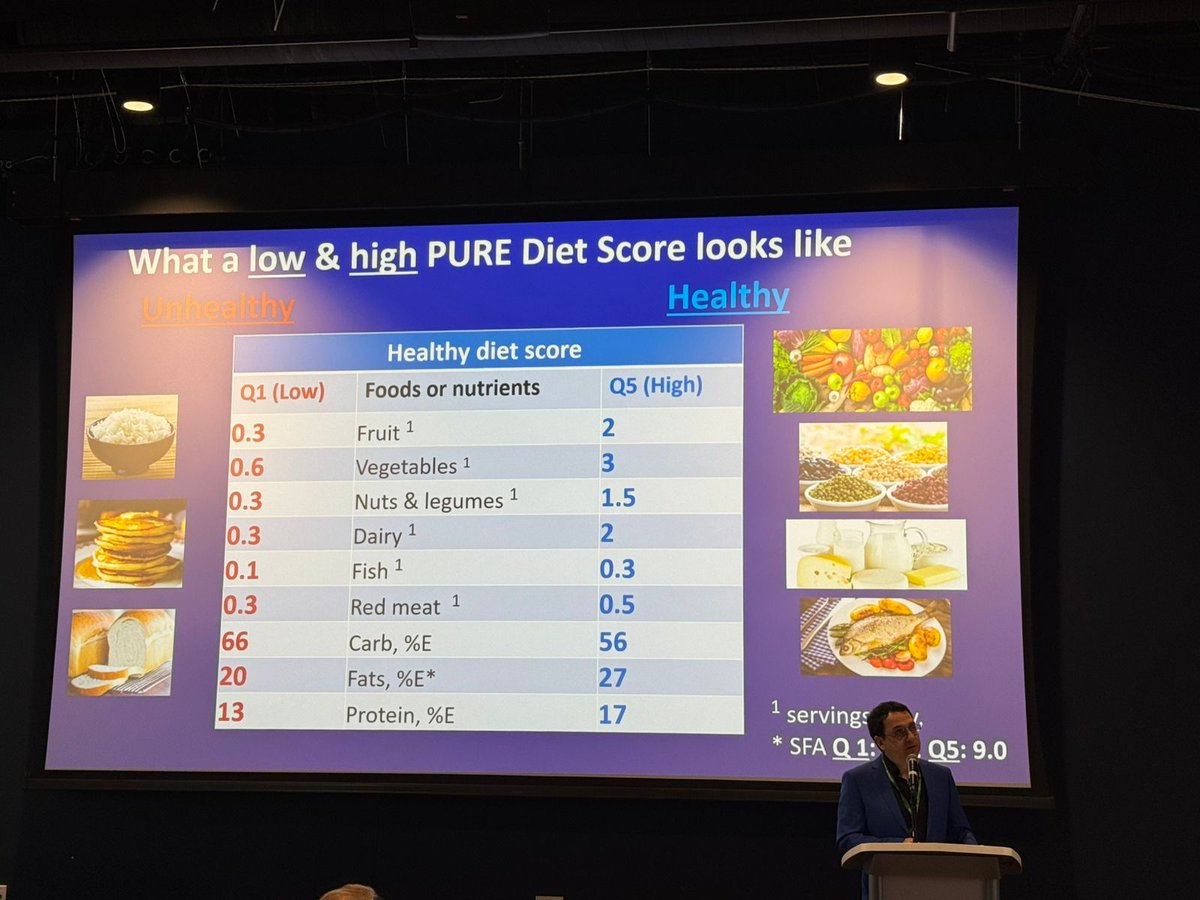
If dietary recommendations are too simplistic, some lacking in robust evidence, nor considering individual physiology - what then? @fleroy1974 and co-authors have been working on this answer with the newly developed (yet to be published) Nourishment Table.
This table avoids recommending specific intake levels but rather focuses on key concepts such as
> Avoid a diet dominated by ultra-processed foods, but consume whole foods or minimally processed foods
> Focus on priority micronutrients
> Consume foods with higher nutrient density
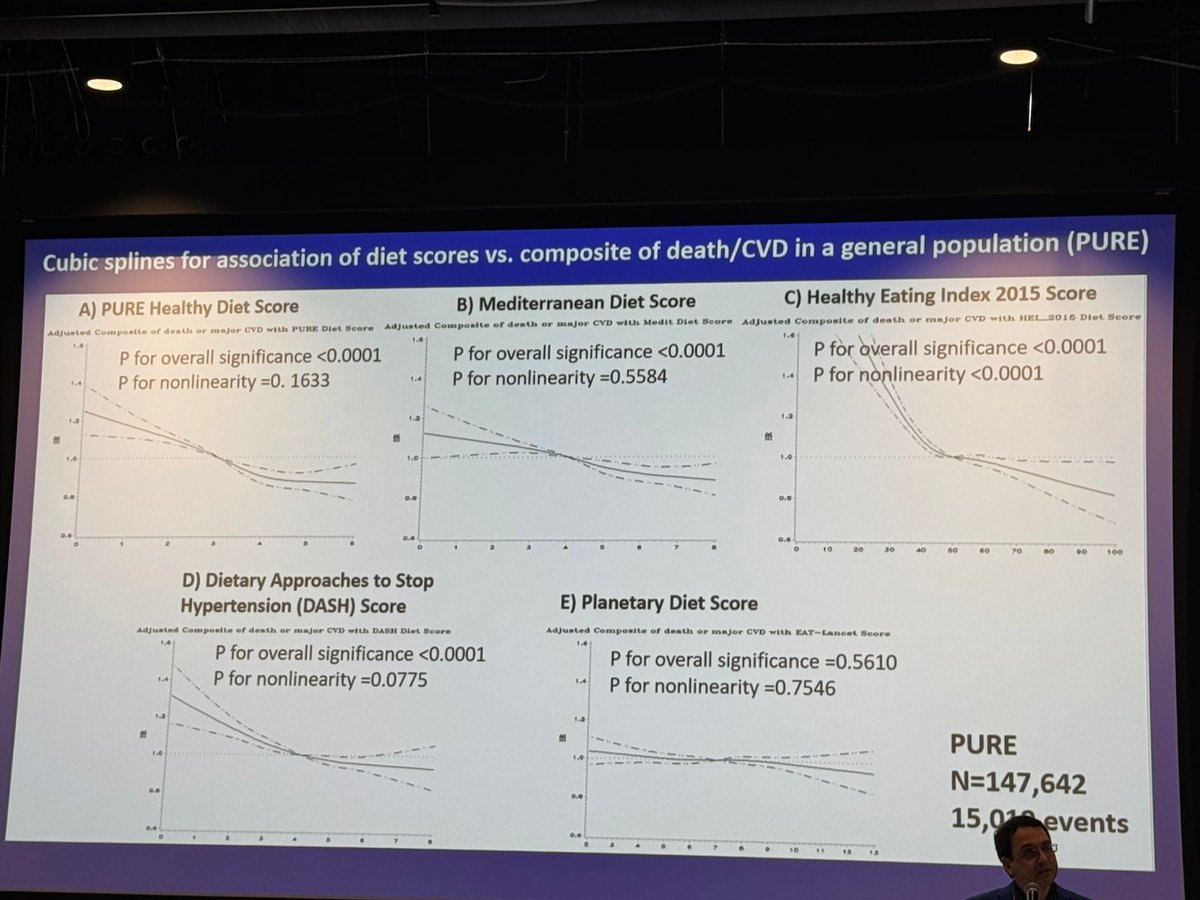
These general concepts allow for a variety of food options to be included in an individual diet, considering personal preference, taste and affordability. It is further backed by evidence such as the latest PURE Healthy Diet Score, the priority micronutrient score, and others.
Something like this can potentially revolutionize dietary recommendations in future.
Watch the full presentation, as presented during The International Summit on The Societal Role of Meat in Denver yesterday:
https://t.co/jTINHRWAlf
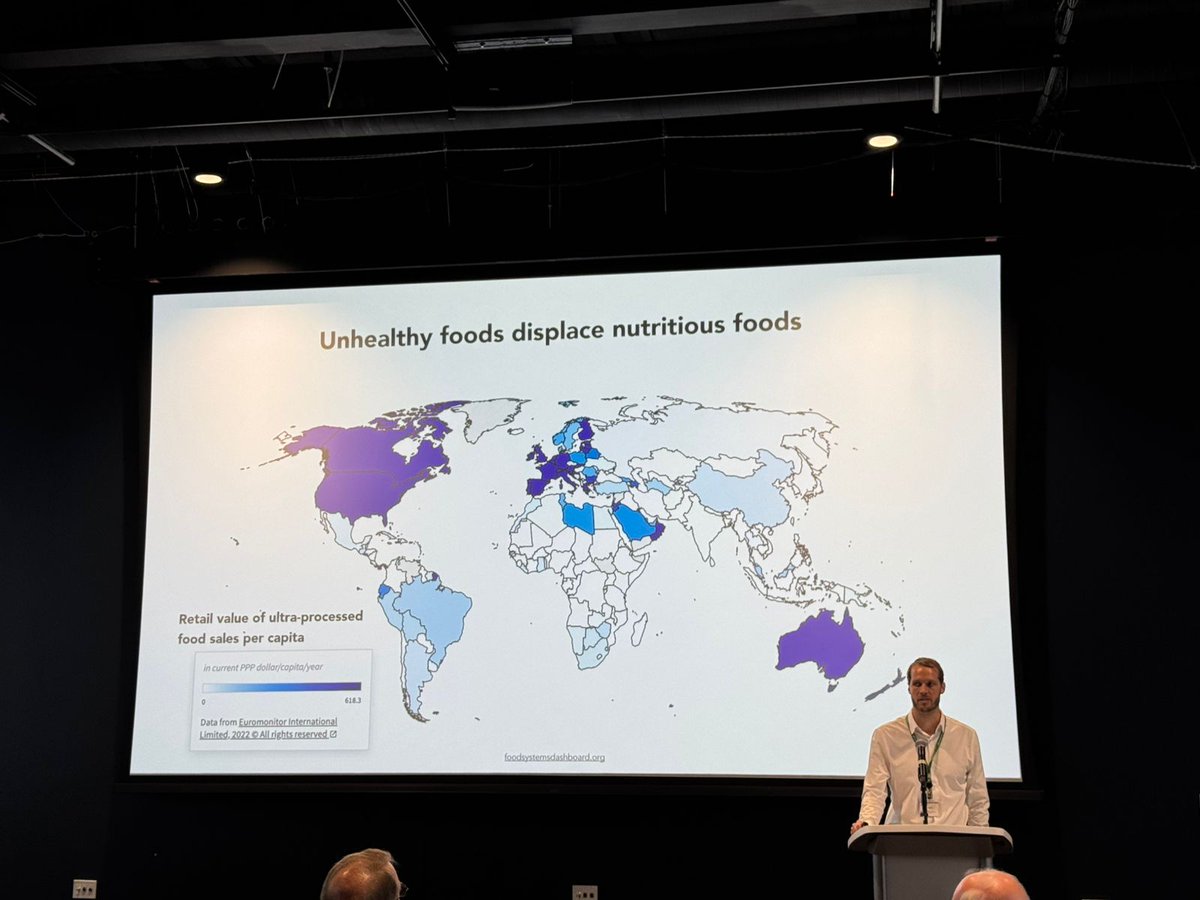
Most dietary regulations focus on macros only, such as energy, protein, carbohydrates and fat. Although it can be a helpful guide, the reality is that micronutrient deficiencies exist across the globe (in high and low-income countries) and are at risk of becoming worse if we don't pay attention to them.
In high-income countries, unhealthy food is replacing healthy and nutrient-dense food due to the consumption of ultra-high-processed foods, causing deficiencies. In low-income countries, food insecurity is the main cause of these deficiencies.
Interestingly, most of the lacking priority micronutrients can be supplied by meat, milk and eggs. However, plants also contain crucial macro and micronutrients. Thus, as highlighted by speaker @TyRBeal (and lead author of the Priority micronutrient density score), a diversified diet is essential in preventing micronutrient deficiencies.
#meatandsociety #societalroleofmeat #denver #healthandnutrition #micronutrients #malnutrition
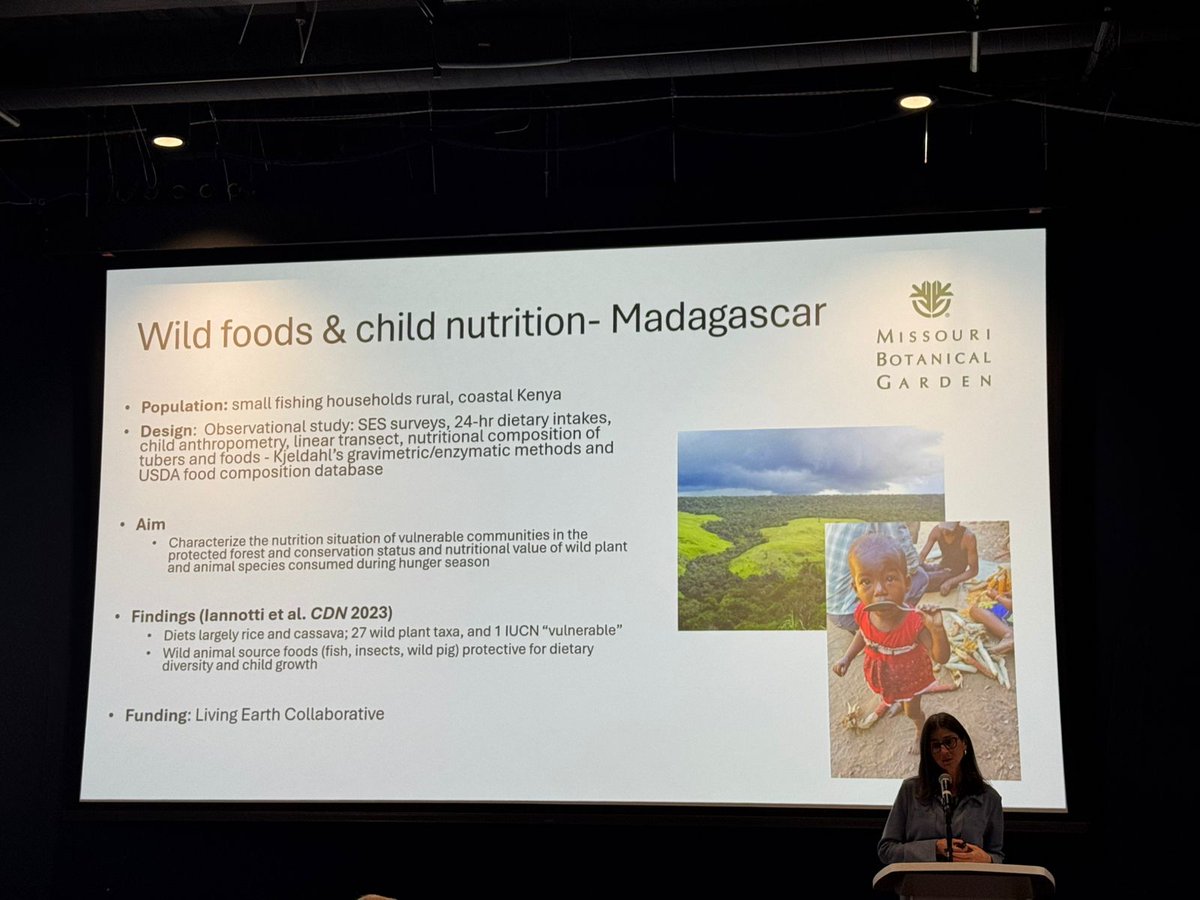
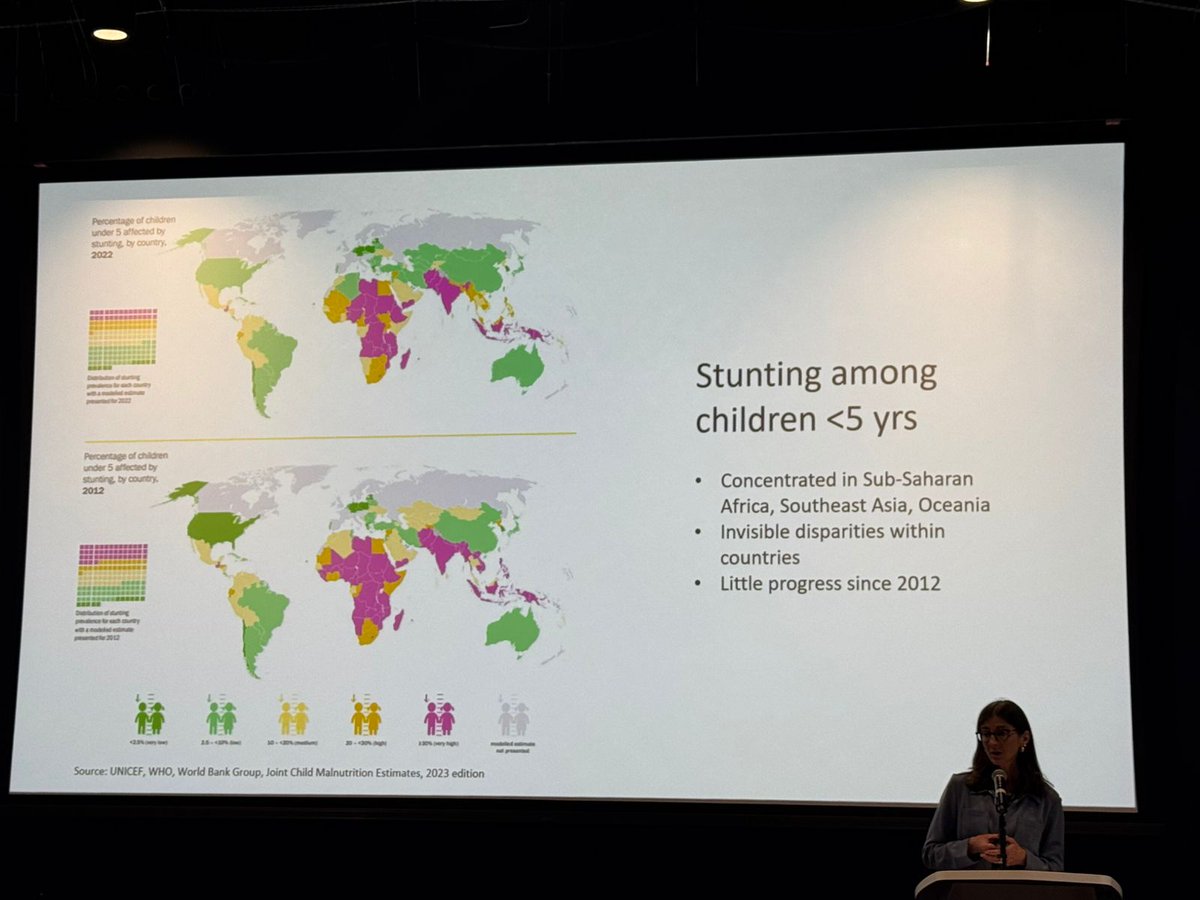
Have you considered what the malnutrition situation looks like in low and middle-income countries, or how this could be worsened with stringent policies on the reduction of specific food types?
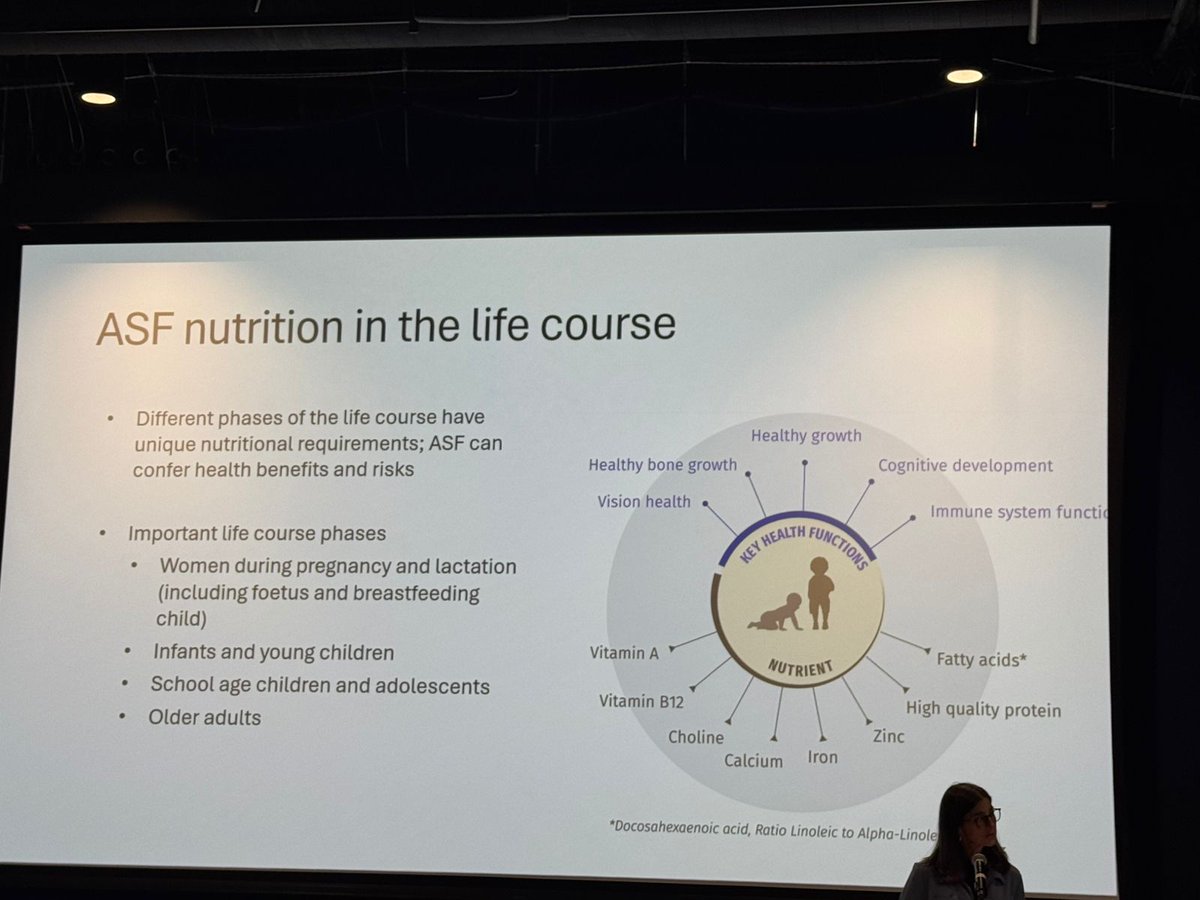
Lora Iannotti shed light on the prevalence of childhood stunting and malnutrition in children and pregnant women - as well as how low consumption of animal-sourced foods (ASF) contributes to these.
ASF contains essential nutrients, key for the healthy development of children during childhood, and for sustaining healthy pregnancies. In countries where children have a diet lacking in ASF, health outcomes are much worse than those inclusive of ASF.
#animalsourcedfoods #meatandsociety #healthychildren #malnutrition
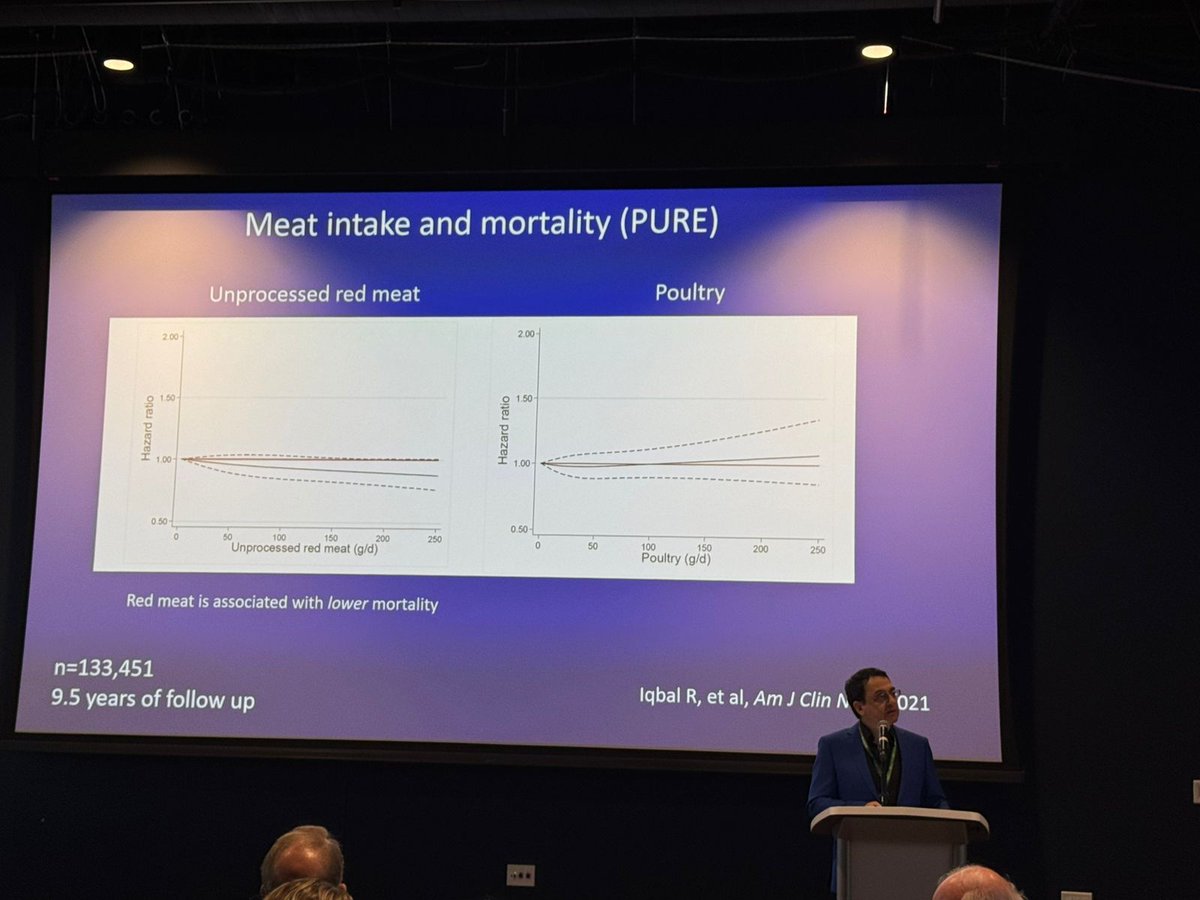
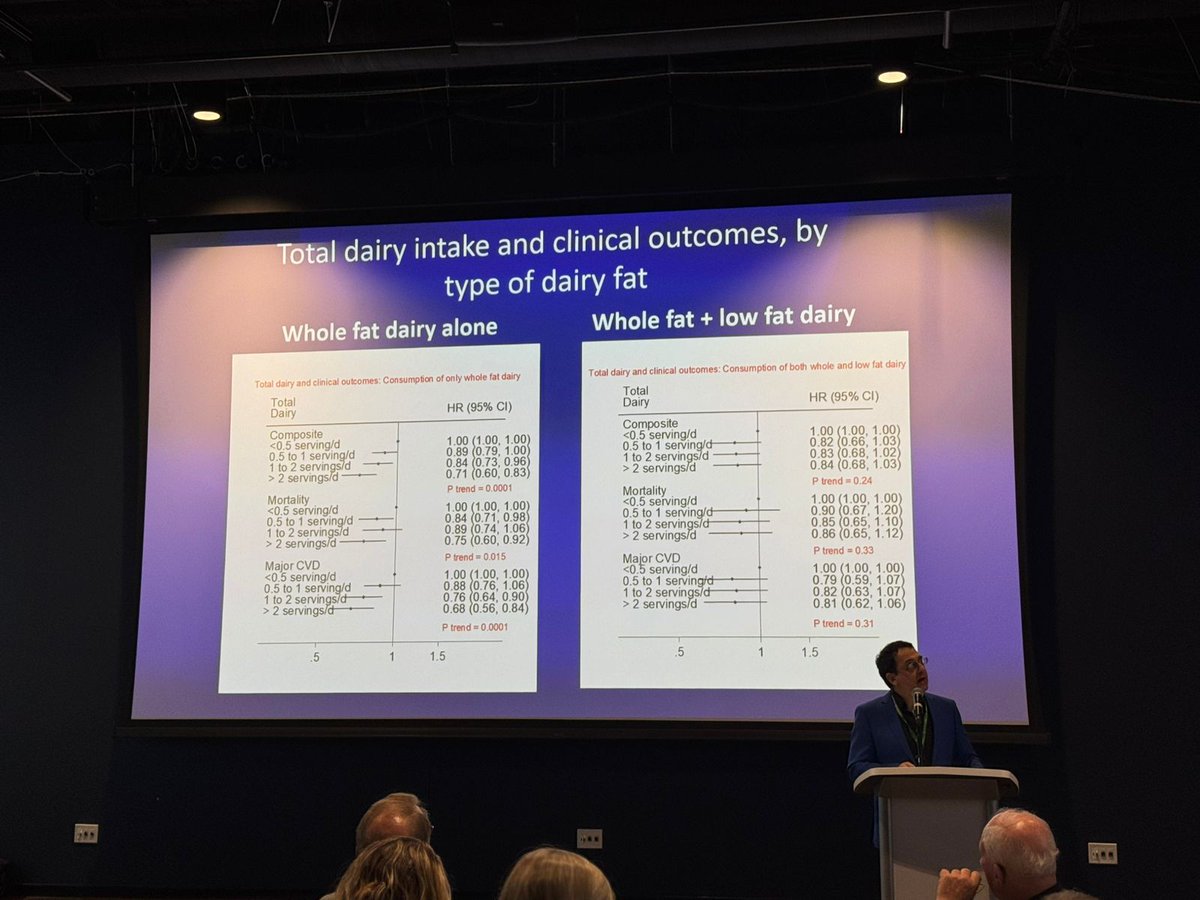
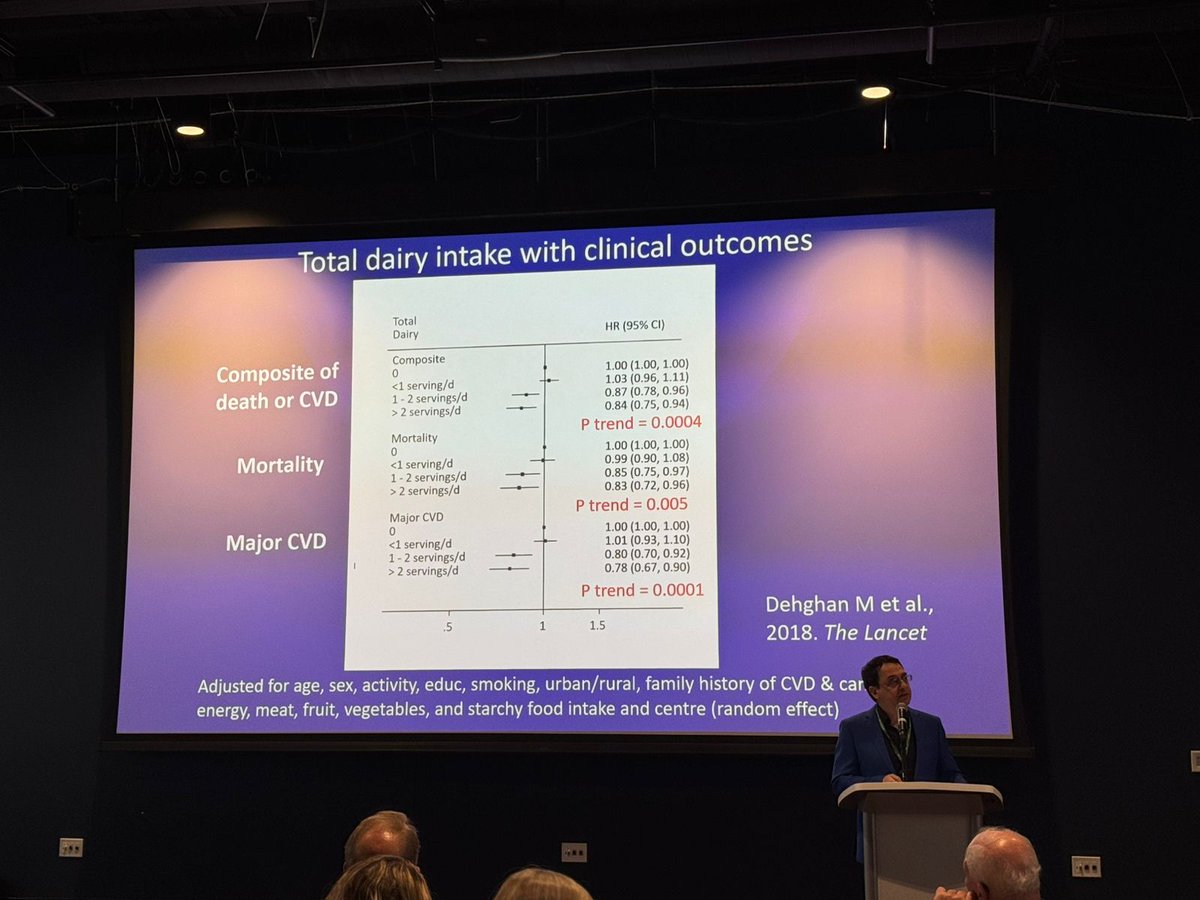
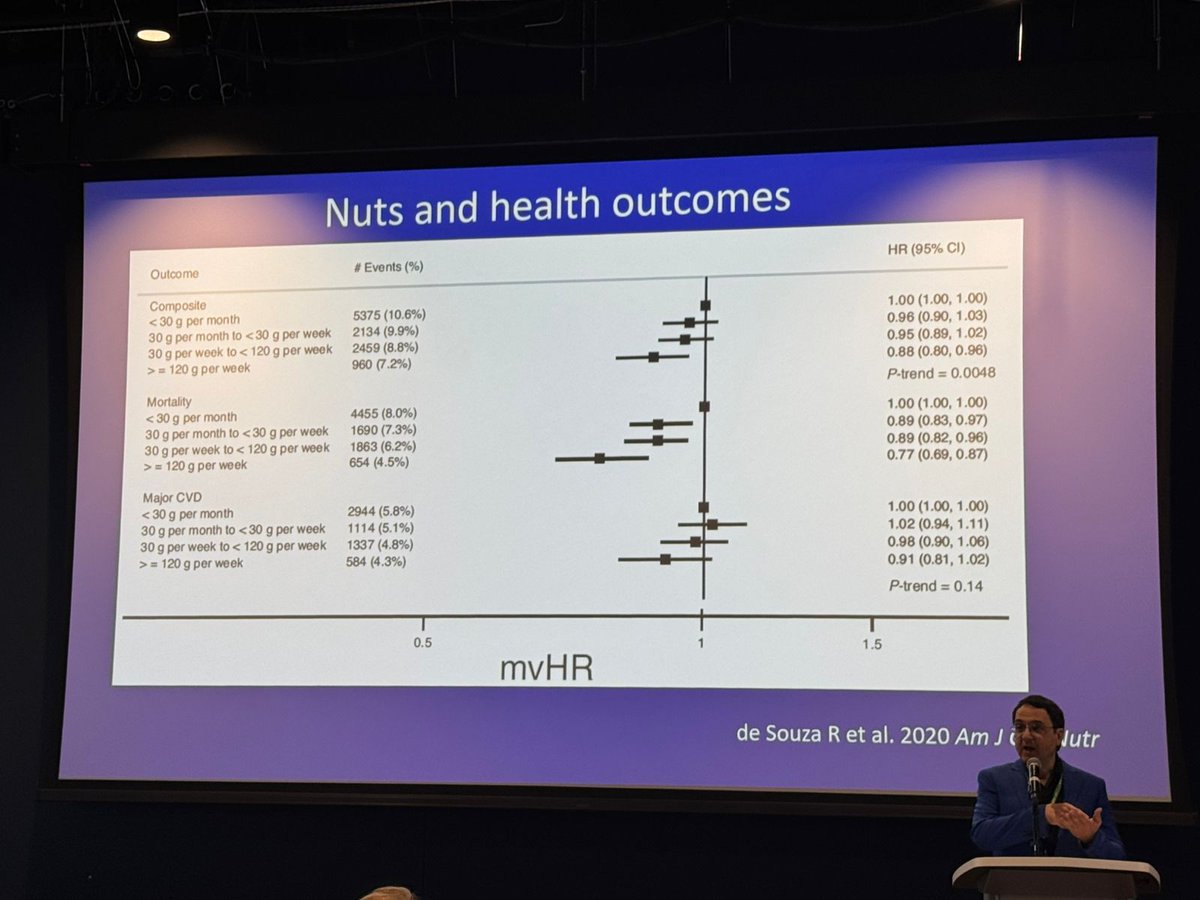
Is red meat correlated with higher mortality? How about cholesterol? You'd be surprised to see the answer to both of these is no. On the contrary, they may even have a protective effect in some cases. Higher intakes of carbohydrates, however, are associated with increased mortality risk. #groundbreaking
Dietary recommendations are incredibly complex. @fleroy1974 stated how by generalising recommendations, we risk compromising our unique bodies' natural ability to self-regulate and function the way they should.
There are multiple valid options to adopt a nourishing diet, some which may even conflict with standard dietary guidelines, yet still with favourable health outcomes.
Thus we need unique recommendations which are tailored to the individual or provide enough evidence-based guidance to allow the individual to adapt their diets according to their preferences and locally available products.
#nutrientrecommendations #meatandsociety #diversity #complexdiets #nutritionalhealth
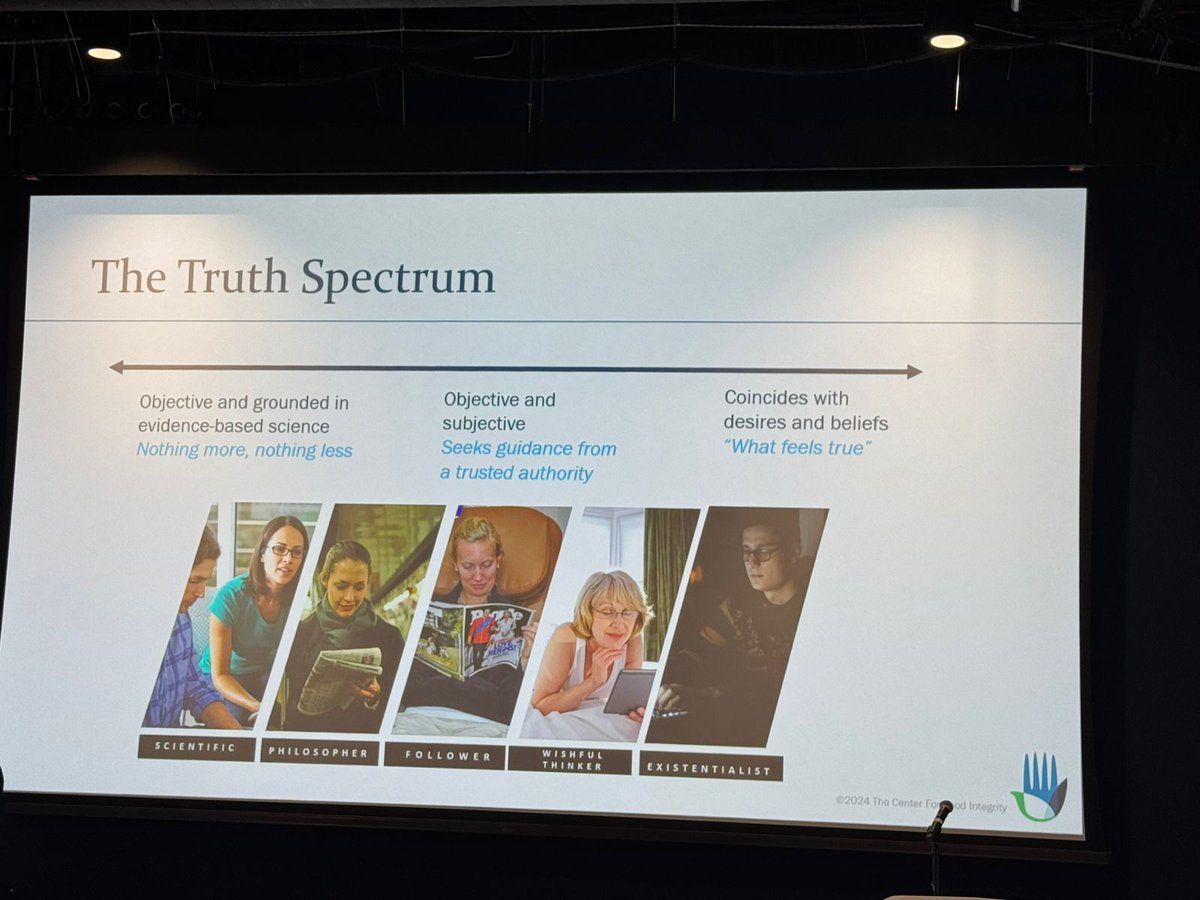
What is Truth? It turns out that truth is a concept decided on by a society. The more technology and communication channels change, the more the construct of truth changes. Charlie Arnot delivered a brilliant presentation on the truth spectrum and where facts and science fit into this.
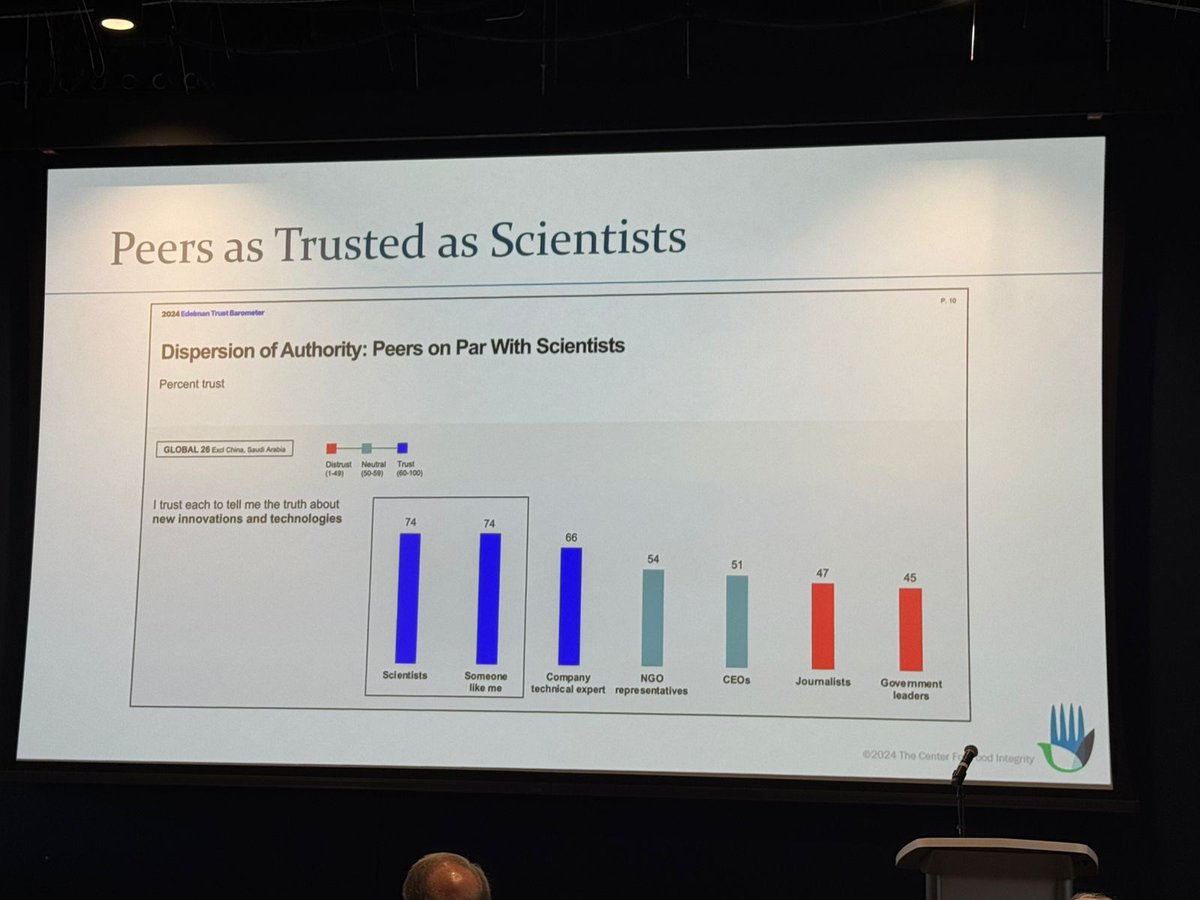
Shockingly, people are just as likely to trust someone "Just like me" these days as they are to trust a scientist, and rather trust shared values than competence.
This makes the accurate, responsible and broad communication of quality and evidence-based science so much more critical.
#factsmatter #evidencebased #meatandsociety #societalroleofmeat
Great progress has been made in the scientific community since the previous International Summit on The Societal Role of Meat. Since then, more than 1200 independent scientists have signed The Dublin Declaration of Scientists, each actively involved in generating research in each of the following domains Nutrition, Ecology and Economics. Each also recognising the critical role of livestock in these domains.
This progress was highlighted by Keith Belk, setting the scene for what to expect in this follow-up international summit, where even more depth has been covered in these domains. We can also expect a special edition of Animal Frontiers to be published in 2025, containing much of the research shared today.
#meatandsociety #thesocietalroleofmeat #meatandhealth #nutrition #ecology #sustainablefarming
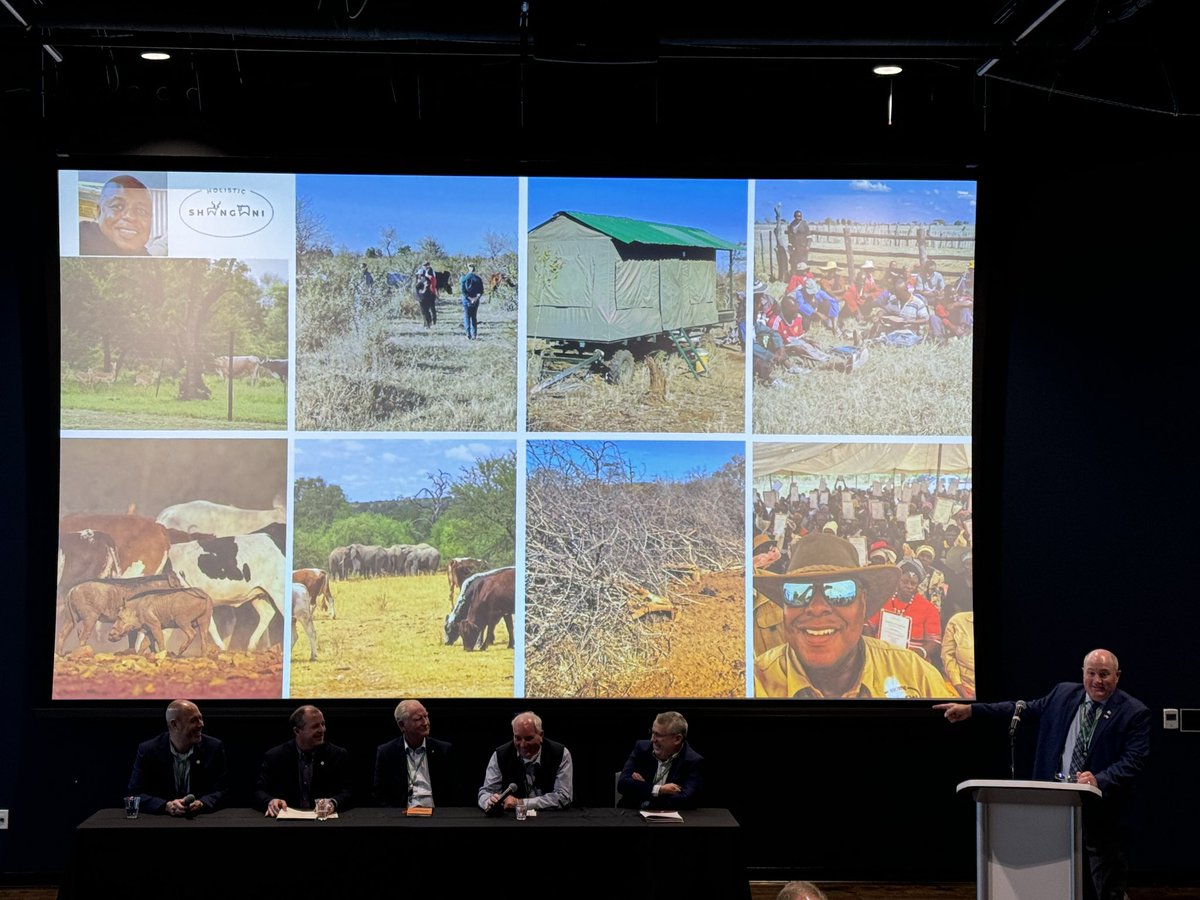
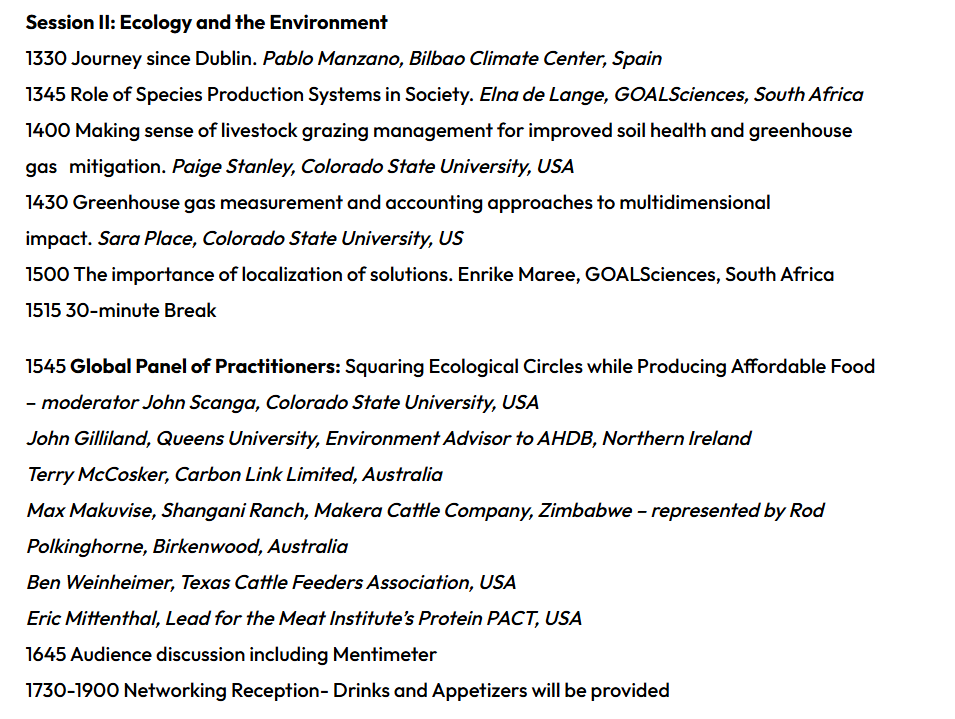
Up next, a panel of global practitioners discussing sustainability in practice. Here we have representatives from different industry sectors in Ireland, Australia, Zimbabwe, and the US. #societalroleofmeat
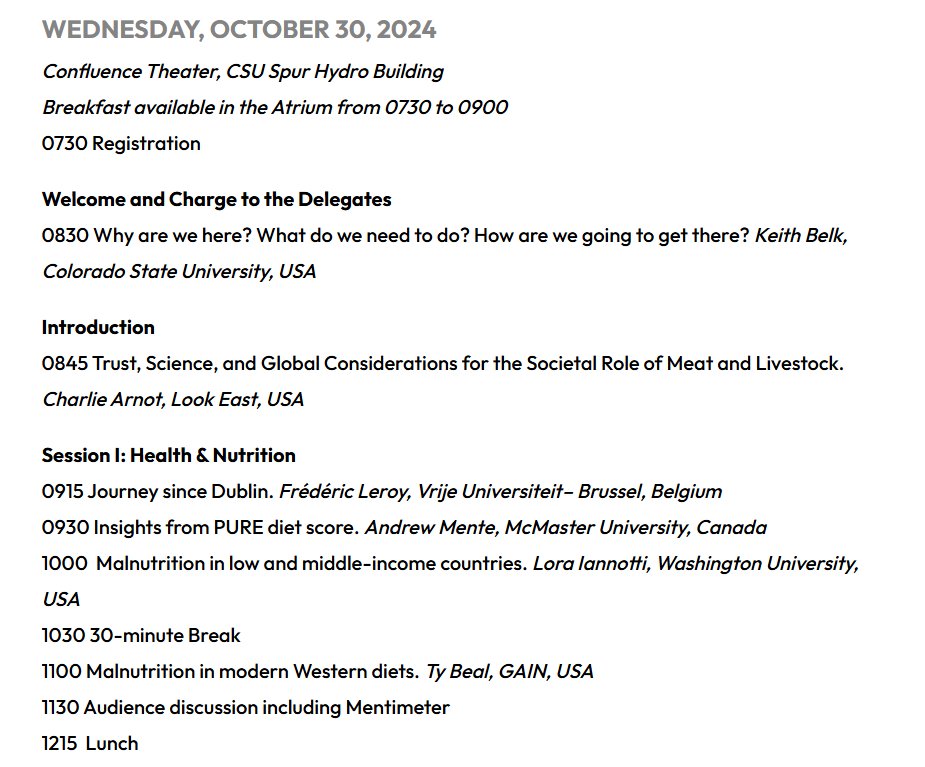
An incredible line-up for the start of the International Summit: The Societal Role of Meat & Livestock. Good luck to all the speakers with your presentations, we look forward to learning and critically discussing this important matter.
Charlie Arnot, @fleroy1974 Andrew Mente, Lora Iannotti, @TyRBeal , @PabloPastos , Elna De Lange, Paige Stanley, @drsplace , @AgreeToThisAgri@ederer_peer , John Scanga, John Gilliland, Terry McCosker, Ben Weinheimer, @MeatVP
#meatandsociety #societalroleofmeat
THIS is our Friday Feeling, knowing there are less than 5 days until the official start of the next Societal Role of Meat Summit in Denver. Are you one of the attendees? Comment so we can connect and share insights throughout the week.
If not, keep a lookout for the updates coming next week and the weeks after about new research and insights being shared during the summit. All presentations will be recorded and shared publicly after the event.
#Countdown #Denver #Societalroleofmeat #FridayFeeling
#Throwback to this informative graphic, summarising key questions frequently asked about meat (and their answers)
Stay tuned for more great research being shared from the 2023 Societal Role of Meat publication in Animal Frontiers. If you'd like to stay ahead of the crowd or deep dive into the basis for these answers, go read up on the link: https://t.co/7OqiVLna5f
#Throwback #SocietalRoleofMeat #Meatandhealth #Meatsustainability #Meatandmoney #money #economics #affordabilty #healthandnutrition #environmentalhealth
Should we convert grasslands to cropland? 🌾 Apart from most areas not being suitable for crops, there is another concern: The release of carbon.
Grasslands store 20% of global soil organic carbon, which releases massive amounts of carbon into the atmosphere when dug up to cultivate. This makes grassland conservation critical for our planet's health. By preserving these lands and using sustainable livestock practices like adaptive grazing, we can protect ecosystems, reduce emissions, and ensure long-term food production.
Read more in this publication about ecosystem management by Logan Thompson and co-authors: https://t.co/gZmUz4KUZK
#carbonsequestration #landconversion #sustainableuse #livestockfarming #protecttheenvironment #ecosystems #foodsystems #conservation #carbonemissions #societalroleofmeat
🌱 How can we optimize land use and reduce food waste? 🌾
Surprisingly, livestock are a key solution!
They can consume non-edible waste products and biomass, converting them into highly nutritious animal products. These resources would otherwise be wasted. By integrating livestock into crop systems and adopting a circular economy approach, we can reduce food waste, improve the environment, and produce more food with the same—or even less—land.
Learn more in the full publication: https://t.co/gZmUz4KUZK
#societalroleofmeat #circulareconomy #reducewaste #recycling #nutritiousfood #livestockfarming #sustainableagriculture #foodsecurity