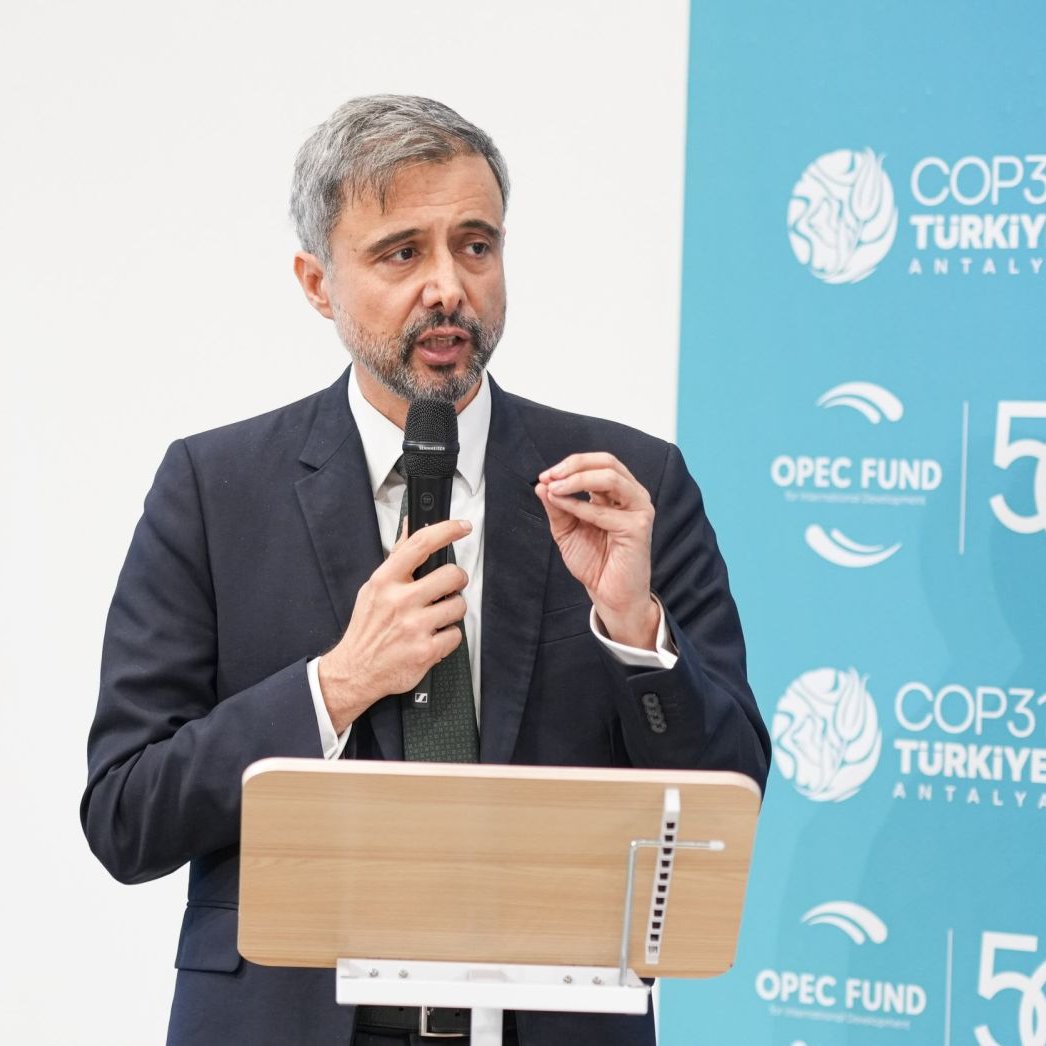
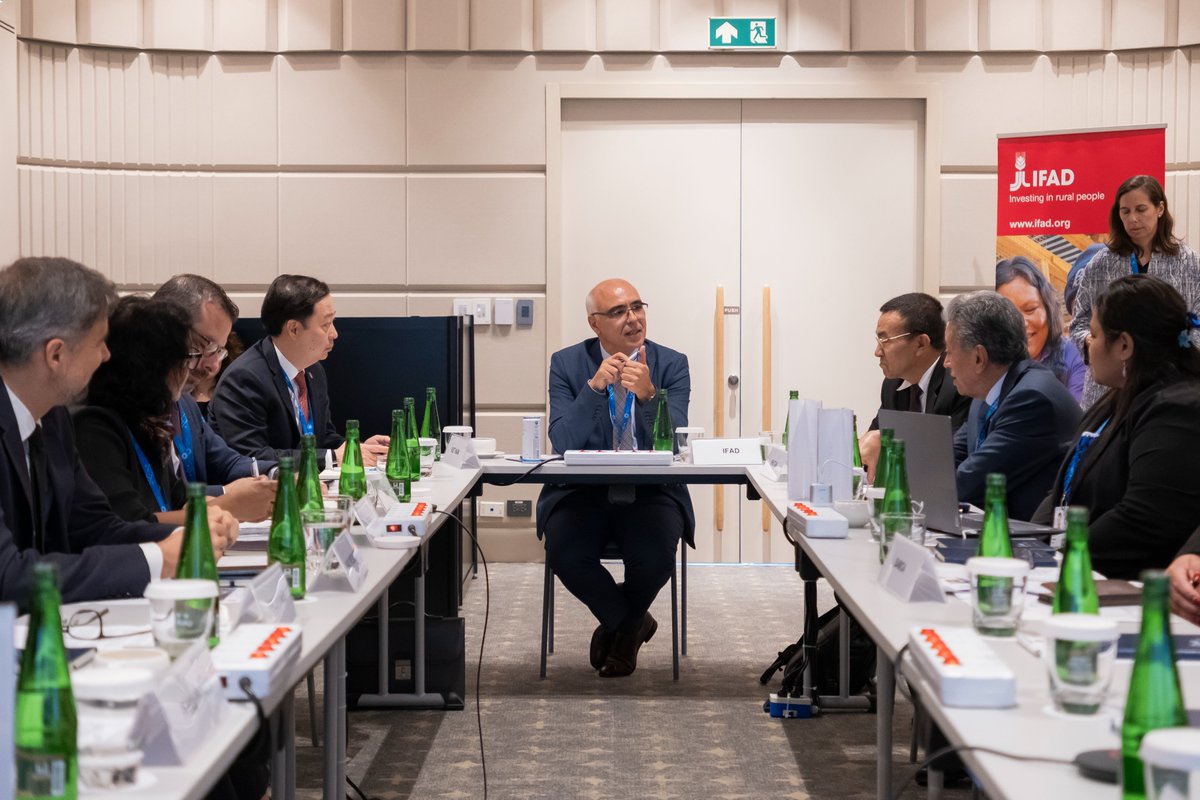
At the @ParisPeaceForum today, I opened the high-level roundtable “Beyond the Plate: Unlocking Investment in Resilient School Meals Value Chains”, co-hosted by France and @RockefellerFdn, in partnership with the @SchoolMeals_ .
We discussed how the predictable demand from school meals can unlock investment across farms, supply chains and finance, benefiting children, farmers and rural communities.
School meals do more than nourish children. They can help transform the rural economies that supply their food. In 2024, school meal programmes reached at least 466 million children worldwide, supported by an estimated US$84 billion in investment, 99% financed through national budgets. This purchasing power represents an enormous opportunity to connect small-scale farmers with reliable markets.
But demand alone is not enough. Farmers need finance, climate-resilient production, storage, processing and infrastructure to supply nutritious food consistently. This is where @IFAD invests, strengthening local food systems at the first mile and mobilising partnerships that connect producers to markets.
I welcome the Call to Action's emphasis on country-led investment, resilient local food supply chains and stronger coordination among financing partners. The priority now is to turn these ambitions into concrete, investable opportunities that improve nutrition, create rural jobs and strengthen resilience. Investing beyond the plate starts with financing the first mile.
@CaroitEleonore@WFP@WorldBankGroup@AFD_en@the_IDB@AKF_Global@Enabel_Belgium@GPforEducation@CIFFchild@SF4Nutrition@nopovertyhunger@EU_Commission@francediplo_EN@Itamaraty_EN@ItamaratyGovBr@AmbFinlandePAR@TZWaziriMkuu@mfa_tanzania
#FinancingTheFirstMile #SchoolMeals #PPF2026 #ChildSummit
Yesterday at #COP31, I launched @IFAD's first US$70 million Climate Adaptation Bond, privately placed with Japan's Zenkyoren. This first-of-its-kind global bond focused on rural communities opens a new channel for institutional capital to support rural development worldwide, with climate adaptation at its core.
Closing the climate adaptation gap of US$305 billion annually for developing countries by 2035 requires new approaches to mobilizing finance at scale, with public resources playing a catalytic role in attracting private capital.
The launch, co-hosted with @TheOPECFund, brought together leaders from development finance, philanthropy and investment sector to explore how capital markets, multilateral financing and catalytic resources can work together to scale adaptation finance and deliver measurable results. I thank Zenkyoren for its confidence and partnership.
With an AA+ credit rating and over US$1 billion in sustainable bonds issued since 2022, IFAD is demonstrating how international financial institutions can connect capital markets with rural development.
I also met with Mikko Ollikainen, Head of the @adaptationfund, to discuss strengthening our longstanding partnership, advancing locally led adaptation and exploring how grants, concessional finance and innovative financial instruments can complement each other.
Mobilizing capital is only the beginning. The real measure of success is whether investment reaches the first mile, strengthens rural economies and delivers lasting resilience.
Read the full press release: https://t.co/54N2TlESPz
@EIB | @the_IDB | @RockefellerFdn | @BSTDB@BritishIntInv | @turkiyecop31 | #FinancingTheFirstMile | #COP31Türkiye | #COP31Antalya
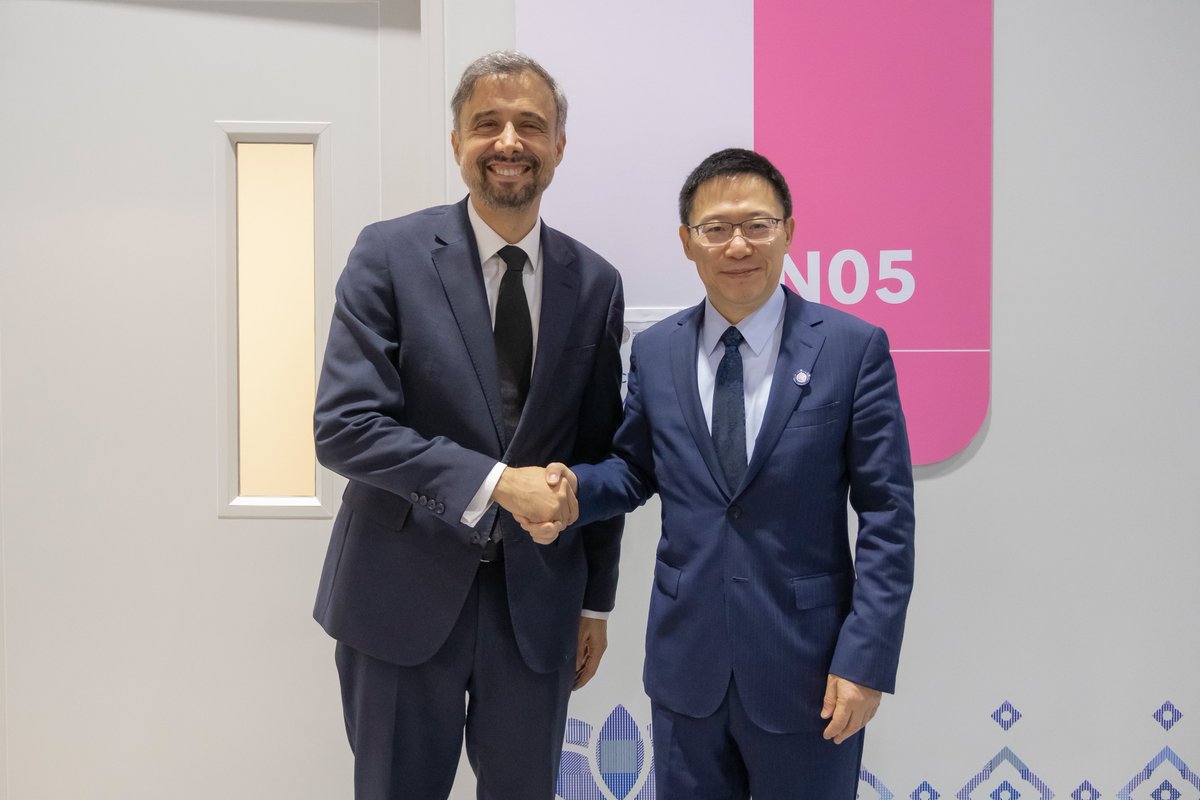
#COP31 Küresel İklim Zirvesi vesilesiyle Uluslararası Tarımsal Kalkınma Fonu (IFAD) Başkanı Sayın Alvaro Lario ile bir araya geldik.
Görüşmemizde; iklim değişikliğinin tarımsal üretime etkilerini, kırsal kalkınma projelerimizi ve küçük ölçekli üreticilerimizin dirençliliğini artırmaya yönelik ortak adımları değerlendirdik.
Küresel gıda arz güvenliğini pekiştirmek ve çiftçimizi iklim krizine karşı korumak için uluslararası kuruluşlarla iş birliğimizi kararlılıkla sürdüreceğiz.
📍 Antalya
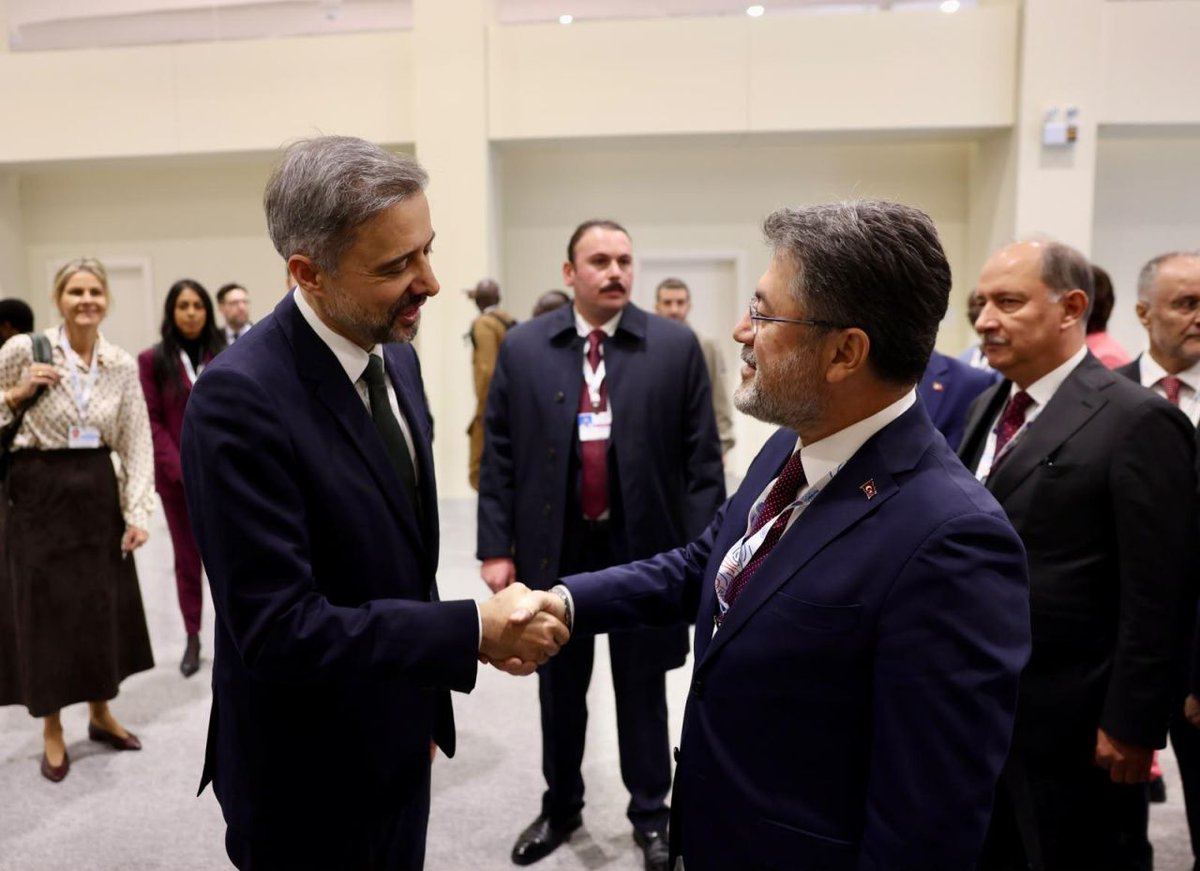
Today at #COP31 in Antalya, I joined Türkiye's Minister of Agriculture and Forestry, @ibrahimyumakli, to launch two new reports examining how to strengthen rural resilience and close critical financing gaps:
• Food Systems Under Stress: Building Resilience from the First Mile shows that combining investments in agricultural inputs, markets and finance can reduce farmers' income losses from overlapping shocks by over 18%
• The Unfunded Half: Financing Rural Women's Resilience makes the investment case for using climate finance instruments such as adaptation bonds, guarantees and insurance to address the financing gap of rural women and strengthen their resilience.
The reports draw on @IFAD evidence from across our portfolio and build on results achieved under the IFAD-Türkiye partnership. Since 1982, we have jointly invested in strengthening agricultural productivity, natural resource management, market access and climate resilience, particularly in underserved rural communities where we have reach more than 1.3 million rural households.
Building on this foundation, we discussed expanding cooperation through Türkiye's agricultural expertise and regional knowledge exchange. I also expressed appreciation for Türkiye's continued support across IFAD replenishments. As we advance #IFAD14, our priorities of markets, jobs and resilience, supported by innovation and private sector engagement, provide further opportunities to deepen this partnership.
My thanks to Minister Yumaklı, the Government of Türkiye and the COP31 Presidency Office TÜRKİYE for their leadership and collaboration.
#FinancingTheFirstMile | #COP31Türkiye | #COP31Antalya | @turkiyecop31 | @TCTarim
Small-scale farmers are among the most vulnerable to climate change, yet receive only a small share of climate finance.
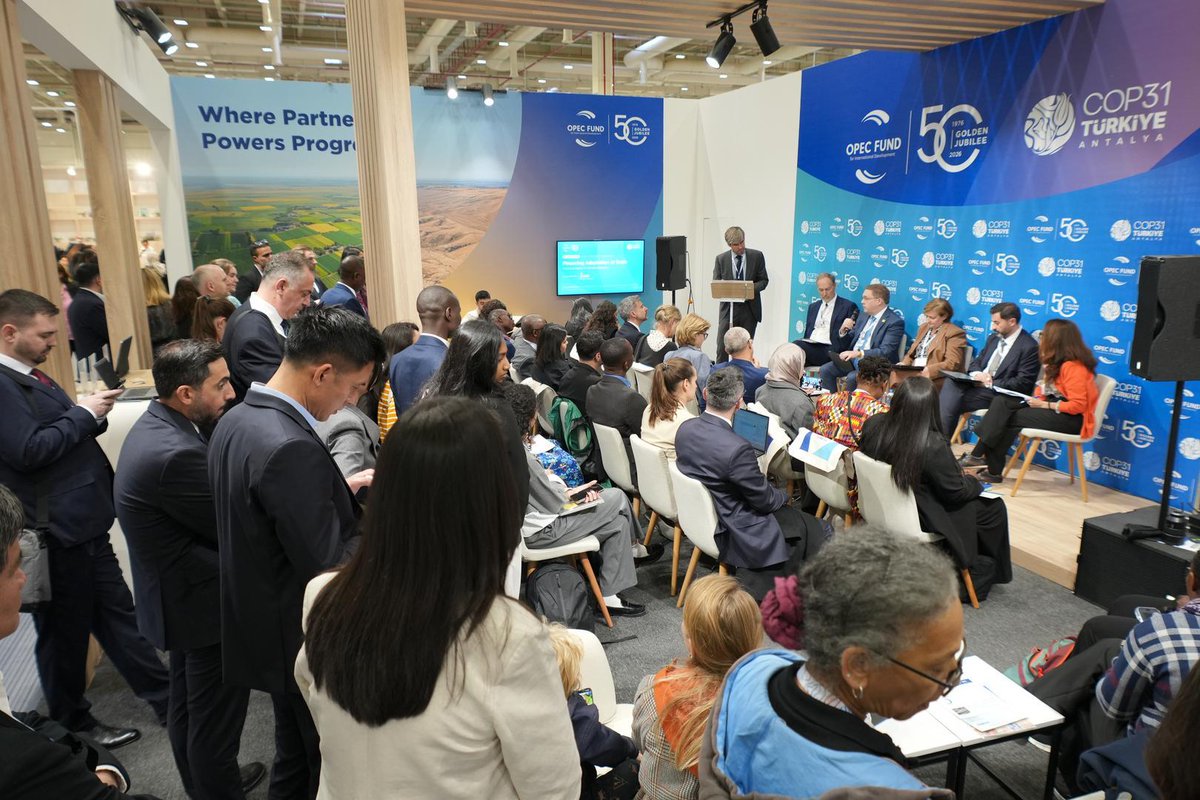
At COP31, the OPEC Fund partnered with @IFAD to host “Financing Adaptation at Scale: Mobilizing Capital for Climate Adaptation,” focusing on how to mobilize more investment for climate-resilient rural communities.
A key milestone was the announcement of IFAD's Climate Adaptation Bond by @IFADPresident Dr. Alvaro Lario. The bond is expected to support sustainable development projects in rural areas of developing countries, including climate adaptation for small-scale farmers.
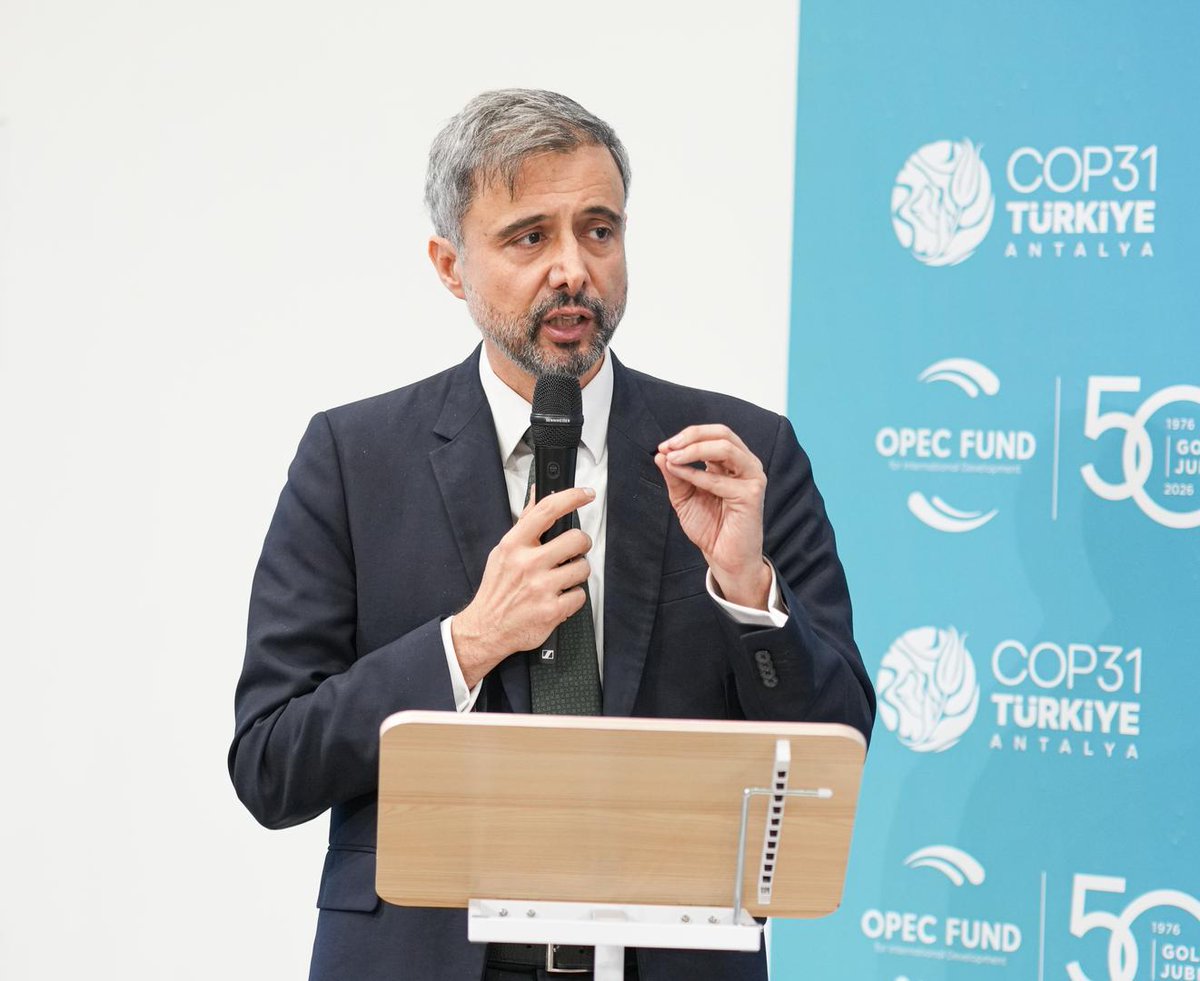
Following welcoming remarks by OPEC Fund Vice President for Strategy Musab Alomar, senior representatives from the @adaptationfund, @EIB, Incofin, @the_IDB, @RockefellerFdn and @BSTDB contributed to a wider dialogue on scaling adaptation finance.
The event concluded with closing remarks by Leslie Maasdorp, Chief Executive Officer of @BritishIntInv.
The exchange explored how capital markets, public and multilateral financing, and catalytic capital can complement each other to attract more investment and strengthen climate-resilient rural economies
The challenge is not only to mobilize more financing, but to create the partnerships and investment conditions that can channel capital toward climate adaptation at scale. Continued collaboration between development finance institutions, the private sector and other partners will be essential to turning these opportunities into investments that strengthen the resilience of rural communities and small-scale farmers.
I have arrived in Antalya for #COP31 with a clear message that climate adaptation is not a development cost but an investment in economic resilience and stability.
New @IFAD analysis warns that #ElNiño could cost the global economy an estimated US$11 trillion, underscoring the urgency of investing in resilience before crises strike.
Evidence from our portfolio shows that combining investments in agricultural inputs, market access and finance can reduce farmers' income losses from overlapping shocks by more than 18%, nearly twice the protection provided by finance-focused interventions alone.
At COP31, IFAD is putting this approach into practice through a first-of-its-kind US$70 million climate adaptation bond, privately placed with Japan's Zenkyoren, to finance rural development globally, with adaptation at its core.
Scaling these efforts requires stronger partnerships between governments, multilateral development banks and private investors to mobilize capital, reduce risks and deliver measurable results for small-scale producers who grow one third of the world's food.
#FinancingTheFirstMile | #COP31Türkiye | #COP31Antalya | @turkiyecop31
In 2026, small-scale farmers have faced a convergence of severe droughts and other climate extremes alongside energy and fertilizer price shocks, threatening harvests and increasing the risks of higher food prices and food insecurity.
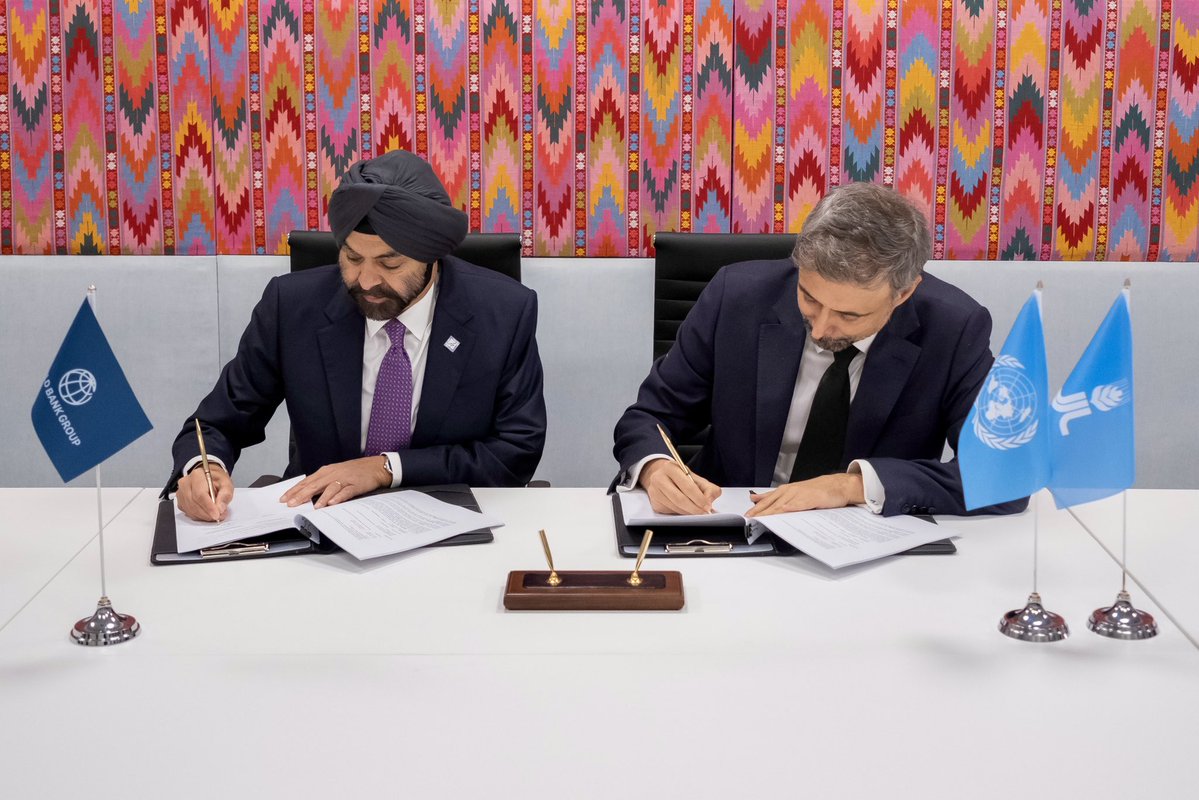
Strengthening partnerships and scaling co-investment are central to @IFAD’s efforts to build resilience and accelerate rural transformation. Our new co-financing framework agreement with @WorldBankGroup, IFAD’s largest multilateral development bank partner, builds on longstanding collaboration across financing, policy engagement and global initiatives.
The agreement will help scale joint investments, combining global financing capacity and reach with IFAD’s expertise at the first mile. It builds on initiatives including #AgriConnect, which aims to help transform agriculture for 300 million smallholder farmers by 2030, and #WaterForward, which seeks to improve water security for up to 1 billion people by 2030.
As we approach #COP31, we must recognize adaptation as an investment, not a cost.
With developing countries needing an estimated US$305 billion annually for adaptation by 2035, stronger partnerships and mobilizing public and private capital are essential to building resilience at the first mile, before shocks strike.
To learn more about the co-financing agreement: https://t.co/YmludwzAMA
#FinancingTheFirstMile | #COP31Türkiye | #COP31Antalya | @turkiyecop31
When we talk about agricultural finance, the focus is often on large agribusinesses and commodity exports. But how do we ensure small-scale producers can participate in these markets and benefit from the opportunities they create?
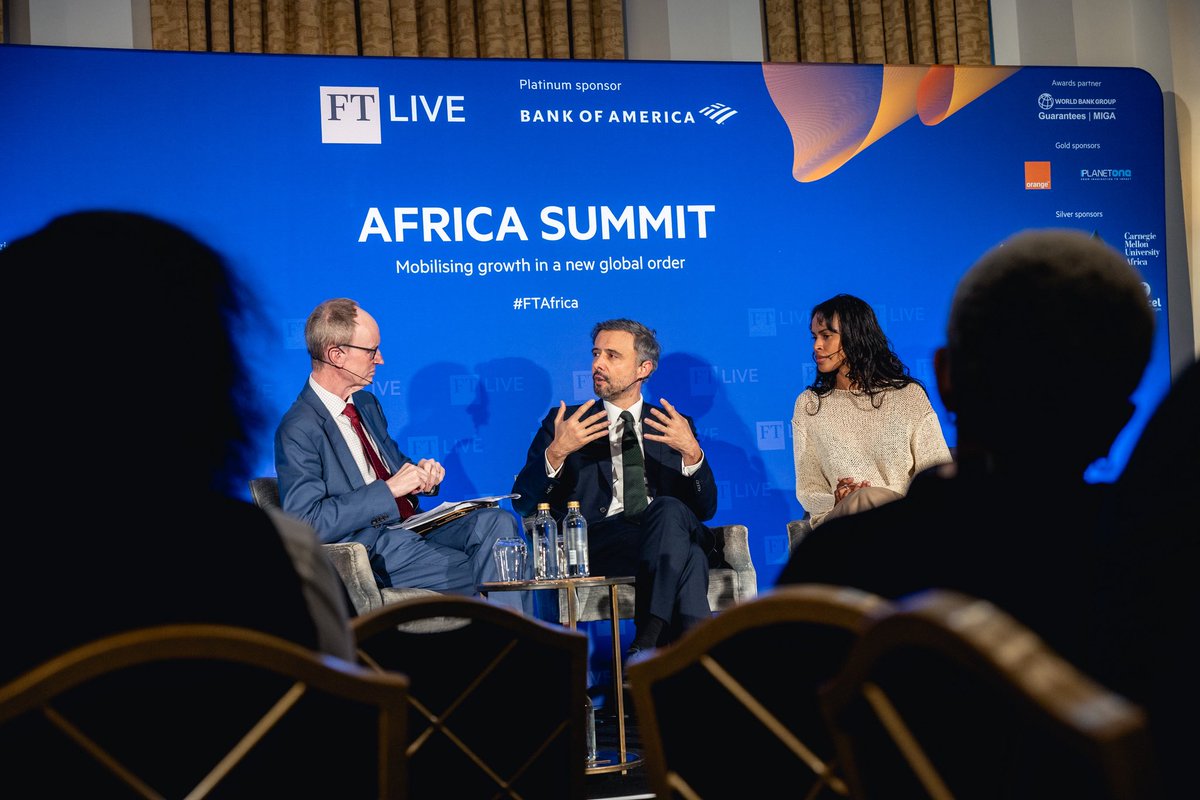
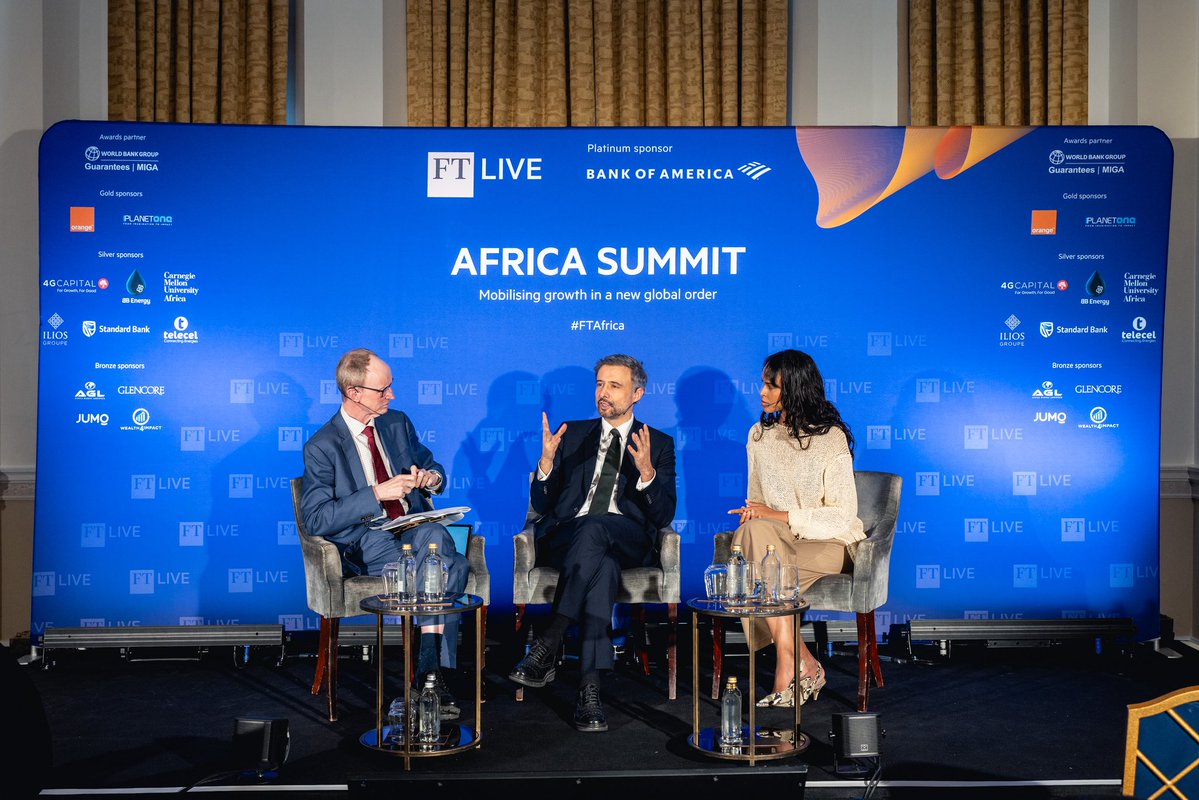
At the @FT Africa Summit, I highlighted why investment must go beyond production. Cold storage, access to markets, and stronger producer organizations and cooperatives are essential to helping producers aggregate their products, connect with buyers and access working capital.
This is where @IFAD plays a critical role, investing in remote rural areas where economic opportunities and access to finance are often limited. The challenge is not simply to attract more capital, but to create the conditions for investment to reach the first mile, connecting small-scale producers to larger markets and enabling them to capture more value.
#FinancingTheFirstMile #FTAfrica @ftlive
Rural transformation requires more than financing agricultural production. It requires investment across the value chain, from infrastructure and local processing to access to finance and markets, underpinned by strong partnerships and sustained cooperation. For development finance institutions, the challenge is not only to mobilize more capital, but to deploy it in ways that address investment gaps, crowd in private finance and generate sustainable economic opportunities.
@IFAD's partnership with @isdb_group demonstrates the value of sustained cooperation. Since 1980, our institutions have co-financed investments worth approximately US$1.45 billion. In Indonesia, our joint investments are strengthening agricultural value chains for upland farmers. In Nigeria, we invest together in agro-industrial processing zones to connect small-scale producers with processing facilities, businesses and larger markets.
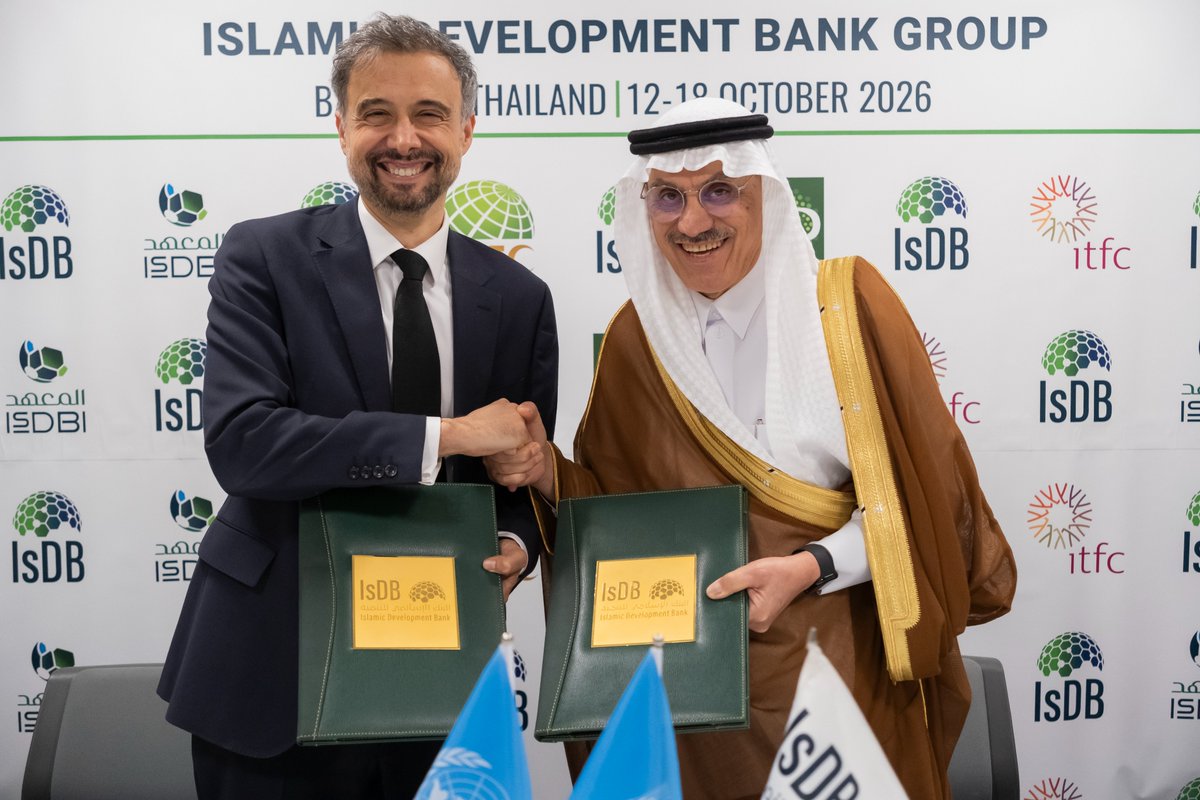
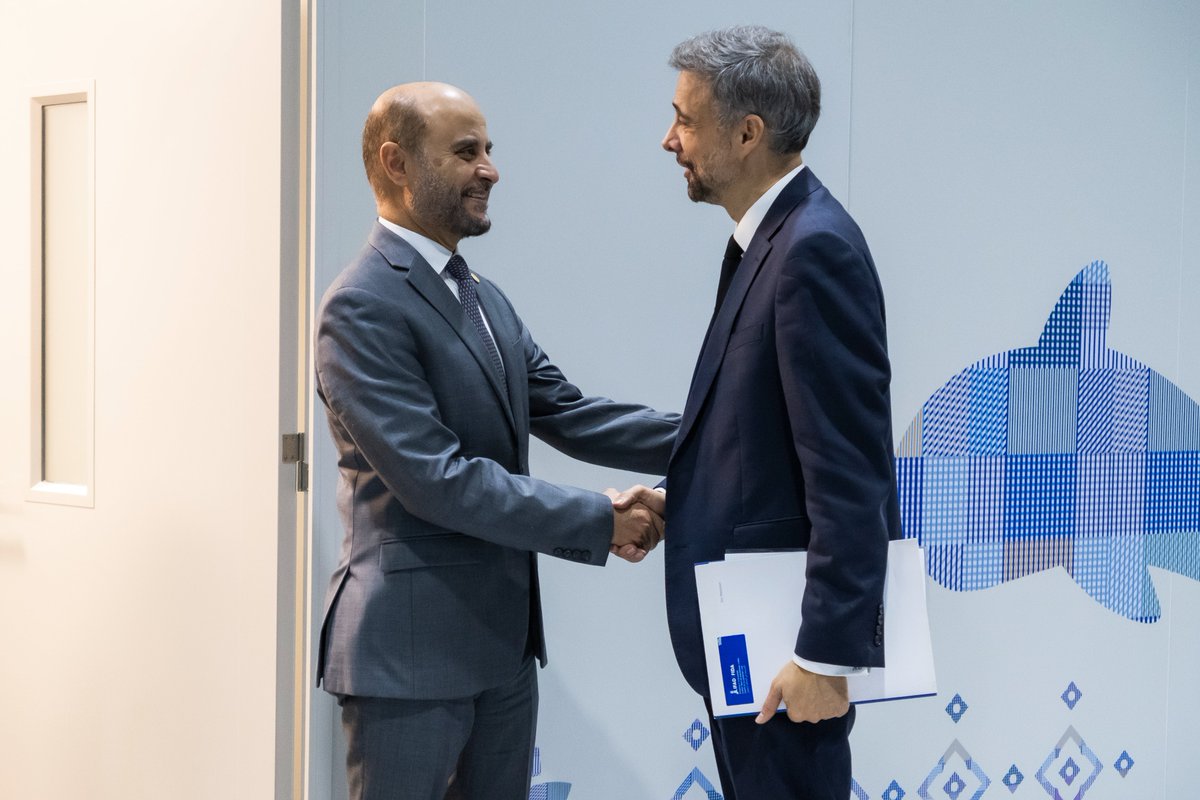
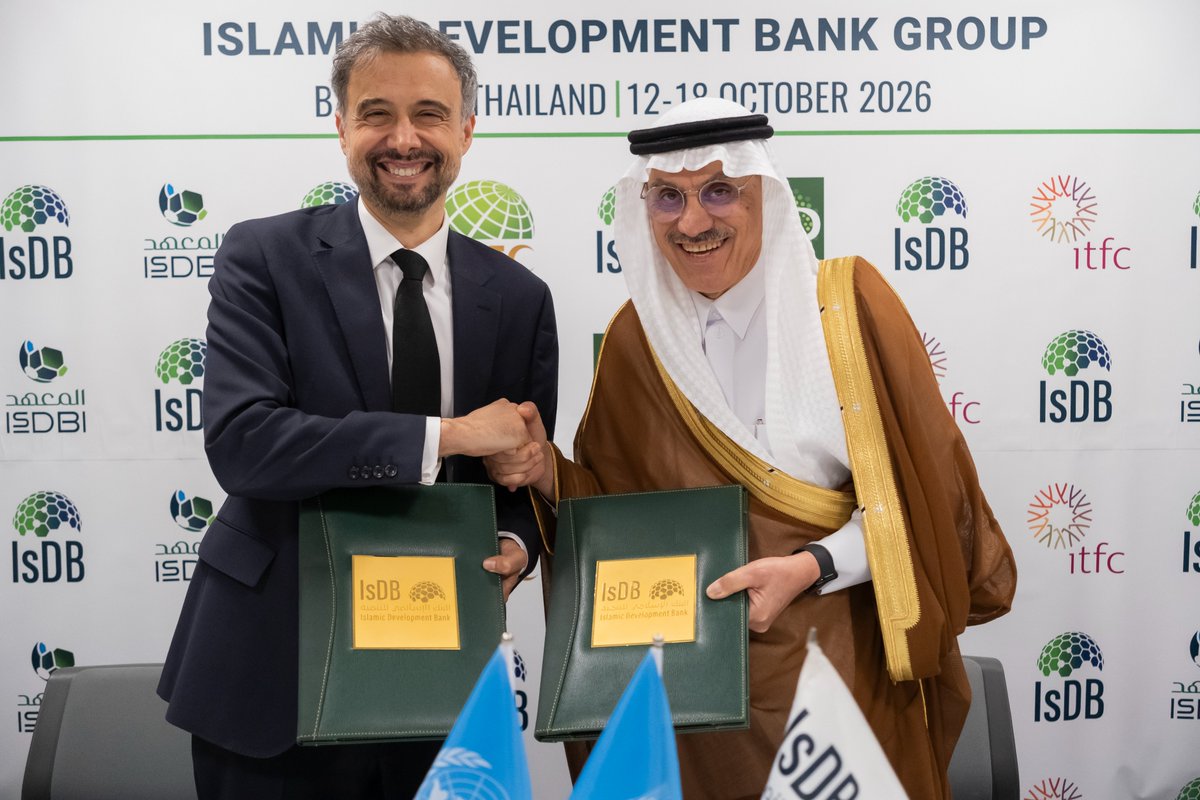
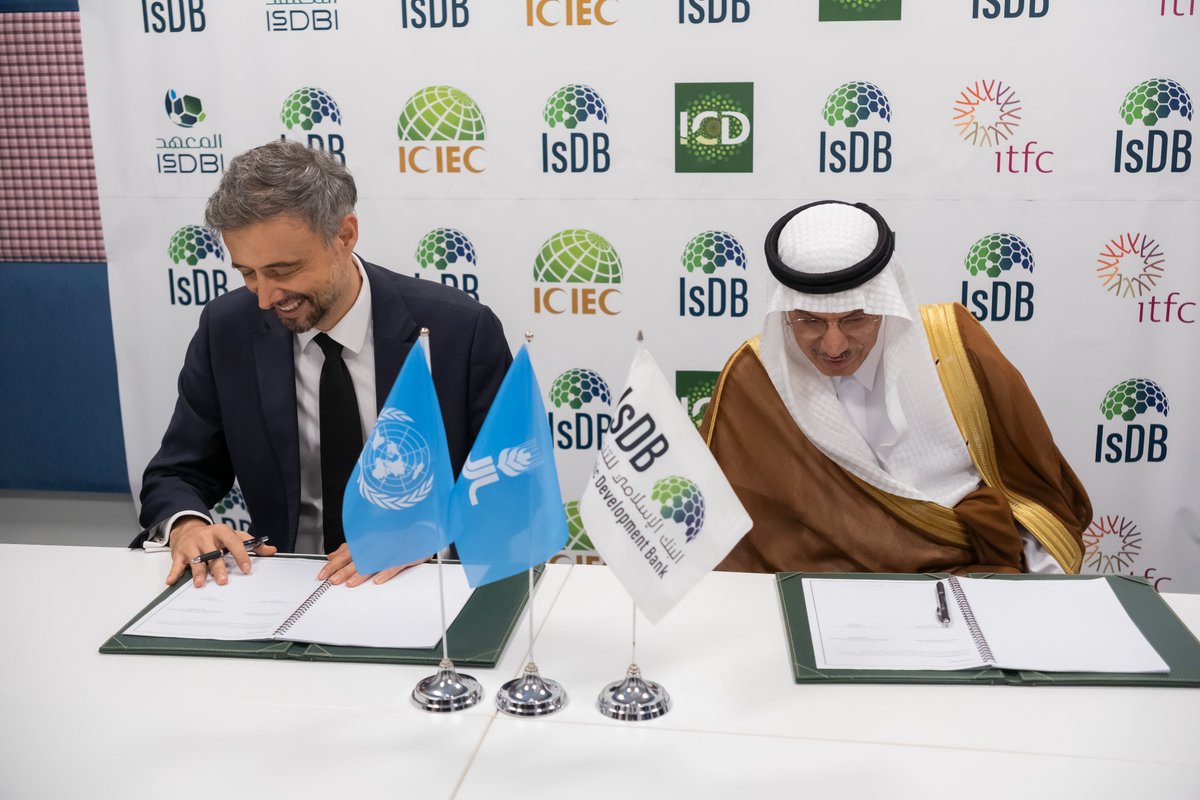
Building on this experience, I signed a new agreement with Dr. Muhammad Al Jasser, Chairman of the IsDB Group, to mobilize up to US$750 million in co-financing for food systems and rural transformation.
Importantly, the agreement also draws on the wider IsDB Group, including @ICD_PS, @ITFCCORP and @ICIEC_IDB. By bringing together development finance, private-sector investment, trade finance and risk mitigation instruments, we can help overcome financing constraints, strengthen rural enterprises and attract additional investment into underserved markets.
Read the full press release: https://t.co/AJkCrxDTxL
#FinancingTheFirstMile
In India, turning spices into higher-value products creates new opportunities for rural communities.
With targeted investment in processing, partnerships and market access, an IFAD-funded project supported the establishment of the Bhoirymbong spice processing facility, the first and largest organic spice processing unit in Northeast India.
The facility works with 5,500 farmers and can process 10,000 metric tonnes of spices annually, helping rural producers capture more value from their harvests and reach new markets.
Read more about India’s rural transformation at https://t.co/JPTR7w49OK
#FinancingTheFirstMile
Today at the @FT Africa Summit in London, I made the case for investing in Africa's rural economies in a conversation with @Sabrinadhowre, IFAD Goodwill Ambassador, moderated by Andrew Hill. Farmers and rural entrepreneurs are building businesses that drive productivity, create jobs and strengthen food supply chains. Access to long-term capital is essential to realizing that potential.
Africa's small and medium-sized agribusinesses face a financing gap of around US$65 billion a year. As an international financial institution, @IFAD works with governments to strengthen the infrastructure, institutions and markets that make rural investment viable. We also use concessional finance to share risks and mobilize capital for businesses and producers underserved by commercial lenders.
These priorities also guided my bilateral discussions with UK
Development Minister @kirstyjmcneill and @NickDyerFCDO of @FCDOGovUK. We discussed how to advance shared objectives on food security, rural jobs and private investment, alongside cooperation through the #G20 and #G7 agendas to address the debt crisis and reform MDBs so they can deliver more financing but also achieve more depth and impact with coordinated action. IFAD can support the creation of the conditions that will make investments more impactful in rural areas.
The economic benefits of investing in the first mile extend beyond the farm. Investment in processing, storage and distribution helps businesses reduce losses, reach buyers and retain more value locally. It creates jobs and strengthens the supply chains on which domestic and international markets depend.
African leaders ambition to drive rural economic growth becomes visible in their strong commitment and pledges to
#IFAD14. Their contributions strengthen IFAD's capital base, enabling us to borrow and mobilize additional to invest in long-term growth, food security and economic stability.
#FinancingTheFirstMile | #FTAfrica | @ftlive
Pleased to welcome @WFOPresident to IFAD Headquarters in Rome and congratulate him on his election as President of the @worldfarmersorg. Our conversation focused the importance of creating opportunities for young people, promote rural farmer enterprise development, and digitalization of farmers.
We agreed on one key message: Farmers should be looked at as economic actors.
@IFAD is strongly commitment to the Farmers' Forum, which brings farmers' organisations, IFAD and governments together around priorities identified by farmers themselves. In practice, this means consulting and involving farmers' organisations in shaping our investments together with the national government.
This involvement of farmers' organisations matters. For example, in Senegal, a national farmers' organisation strengthened community ownership by requiring project participants to secure endorsement from family farm heads and local farmers' organisations. These experiences underline the importance of farmers shaping the investments that affect their livelihoods.
Our shared focus is on working with small-scale producers to access finance, reach markets and manage climate risks, while ensuring their experience informs decisions in global forums.
#FinancingTheFirstMile
Hunger has declined for a third consecutive year, but around 645 million people still face hunger and nearly 2.7 billion cannot afford a healthy diet. Progress is possible, but it remains uneven. At the opening of #CFS54, I highlighted the need to connect policy more closely with investment.
Making healthy diets affordable requires investment across the food system, from production and storage to processing, transport and markets. Small-scale producers need those systems to work so they can earn a better living and supply nutritious food reliably.
The Committee on World Food Security brings together governments, scientific evidence and the experience of communities to guide these decisions. @IFAD helps translate that guidance into investments shaped by countries’ priorities.
Through #IFAD14, we will focus on stronger markets, more rural jobs and greater resilience. Connecting farmers to buyers, reducing food losses and helping rural businesses grow are practical ways to improve both incomes and food affordability.
Our shared task is to ensure that global policy leads to better investment decisions and that those investments make healthy diets more affordable and rural livelihoods more secure.
#FinancingTheFirstMile
We can achieve more for rural communities when we design and invest together. That means bringing their needs into our joint investments from the outset, and connecting rural businesses and markets to larger infrastructure and financing.
As I conclude my participation in the World Bank and IMF Annual Meetings in Bangkok, this is the opportunity ahead of us. Our new co-financing agreements with @WorldBankGroup and @isdb_group will help us combine our resources and expertise at the first mile. We are also strengthening cooperation through #AgriConnect and #WaterForward, while working with private investors to expand opportunities for rural agribusinesses.
@IFAD brings almost 50 years of experience working with governments and rural communities to develop markets and bankable investments. That experience is essential to ensuring larger financing initiatives reach small-scale producers and rural entrepreneurs.
On #WorldFoodDay, the purpose of this cooperation is clear. More jobs, greater food security and more resilient rural economies.
#FinancingTheFirstMile | #WBGMeetings
Investing in rural economies strengthens food security, creates jobs and sustains trade, especially as climate shocks and instability put these foundations under pressure.
Today, I met Canada’s Secretary of State for International Development, @randeepssarai. Canada’s CAD263 million climate finance commitment through @IFAD supports three investments alongside US$403 million in partner financing, helping rural communities access investment and markets while managing climate risks.
With the Netherlands’ Minister of Foreign Trade and Development Cooperation, @ministerBHOS, I discussed how rural investment supports prosperity and stability, including in fragile contexts. Dutch partnerships are strengthening Nepal’s ginger value chain through work with SNV and a Dutch company, while our cooperation with Rabo Partnerships supports national development banks.
At @WorldBankGroup #AgriConnect roundtable, “Feeding Asia: The Next Trillion-Dollar Investment Opportunity”, we explored how to translate rural business opportunities into investment. There are ongoing discussions to mobilize US$30 million through IFAD operations in Papua New Guinea and Sri Lanka.
Rural investment belongs at the centre of the global financing agenda. Stronger economies, reliable food supplies and lasting stability depend on backing the people and businesses at the first mile with the capital to deliver.
#FinancingTheFirstMile | #WBGMeetings | @CanadaDev | @MinBZ
US$1.25 billion in co-financing. More than 122 projects. A shared commitment to global food security.
Strengthening food security and building resilience were at the heart of discussions between our President Dr. Abdulhamid Alkhalifa and @IFADPresident Dr. Alvaro Lario, as they explored new opportunities to deepen cooperation.
Our partnership with @IFAD dates back to 1999 and continues to evolve in response to development challenges. Beyond our longstanding co-financing cooperation, IFAD is also a partner in the broader Vulnerability to Viability (V2V) Compact, which aims to help vulnerable countries access development financing and strengthen their resilience to economic and climate shocks.
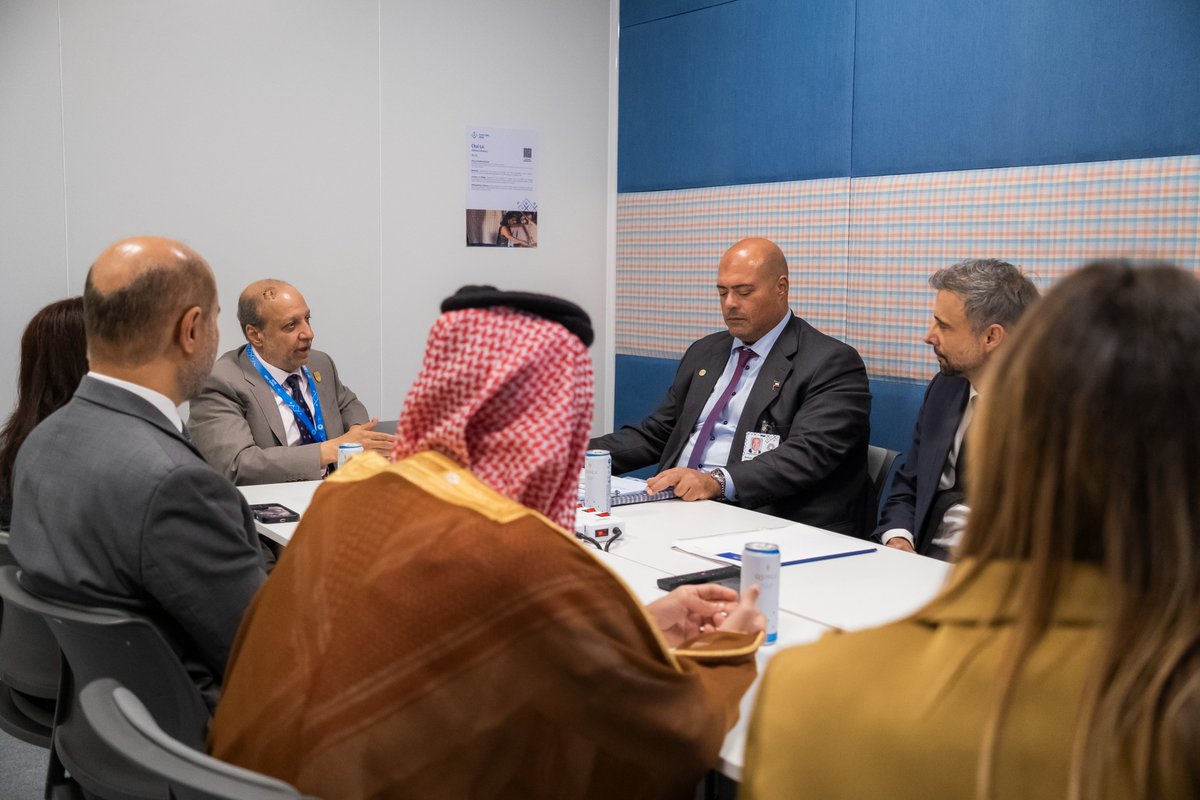
Today, I held a series of bilateral discussions with Member States and development finance institutions, focused on deepening cooperation, expanding investment opportunities and translating shared priorities into concrete results for rural communities.
I met with Jeremy Wiggins of the U.S. Department of the Treasury, Nguyen Quoc Phuong, Director General at Viet Nams Ministry of Finance and Liao Min, China's Vice Minister of Finance. These discussions are important to deepening our engagement with Member States and identifying opportunities for stronger collaboration.
I also met Dr. Abdulhamid Alkhalifa, President of @TheOPECFund , and Michael Jongeneel, CEO of @FMO_development, to explore closer cooperation on development finance, private-sector investment and market creation, particularly in fragile contexts.
A key milestone was signing a new cooperation and co-financing agreement with @isdb_group, alongside its President, Dr. Muhammad Sulaiman Al Jasser. This provides an important foundation for expanding joint investments, strengthening institutional cooperation and bringing our complementary expertise together.
I also welcomed partners from the @arabcoordgroup for an exchange on how we can strengthen coordination, identify shared priorities and deliver greater collective impact.
By working more closely across governments, international financial institutions and development banks, we can turn shared priorities into coordinated action and greater impact for rural communities on the ground.
#FinancingTheFirstMile | #WBGMeetings | @IFAD
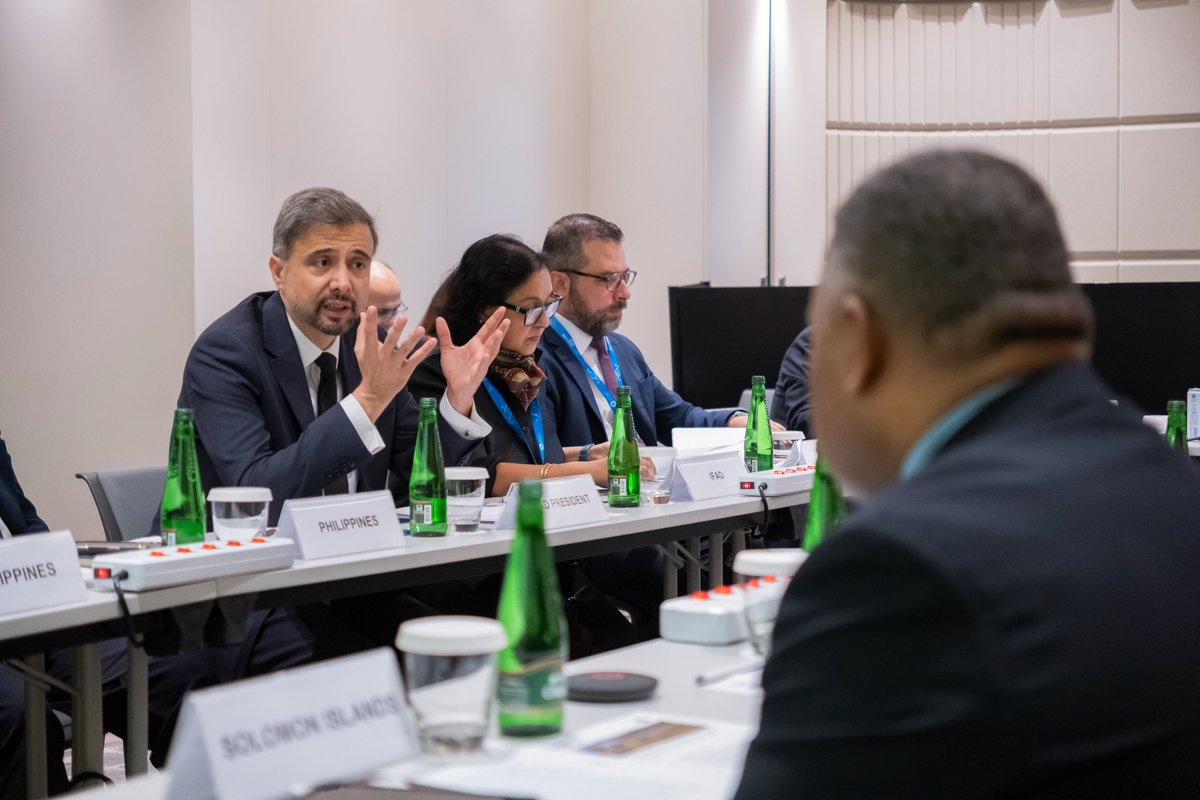
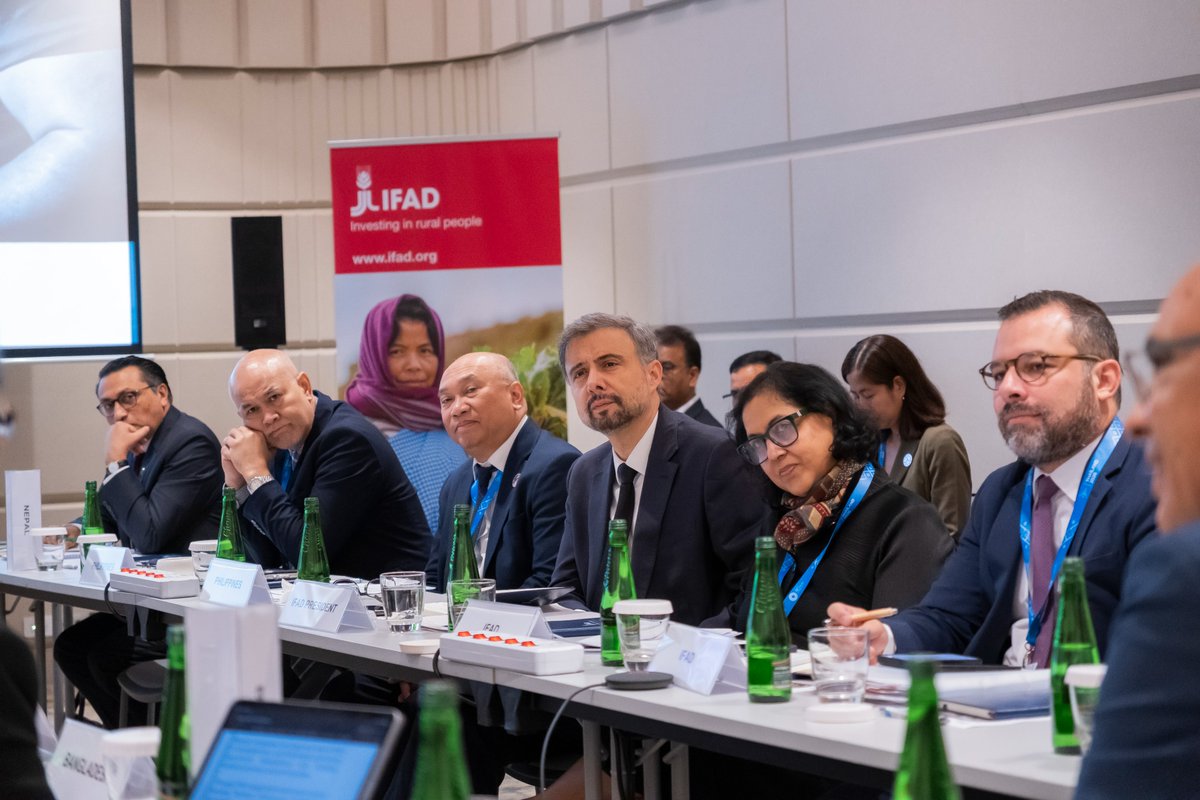
This morning, I hosted an #IFAD14 Asia and the Pacific Ministerial Roundtable, together with the Government of the Philippines on the margins of the @WorldBankGroup and @IMFNews Annual Meetings in Bangkok.
I was pleased to welcome Ministers and representatives from Bangladesh, Bhutan, Nepal, Viet Nam, Samoa, Solomon Islands and Kiribati among others. The strong participation of Pacific Island countries was particularly important, highlighting the need for greater investment in resilient rural economies.
The challenges are significant. Some countries in the region import over 85% of their fertilizer, while most Pacific small island developing states depend on imports for more than 60% of their food. Global supply chain disruptions and rising costs directly affect farmers, rural businesses and food security.
Yet the opportunities are equally significant.
Asia and the Pacific is @IFAD's largest regional portfolio, with deep domestic capital markets, dynamic private sectors and innovative financing models.
From mobilizing private co-financing for rural enterprises in Bangladesh to strengthening agricultural value chains in the Philippines, targeted public investment can reduce risks and unlock additional capital.
#FinancingTheFirstMile | #WBGMeetings | @IFADAsia