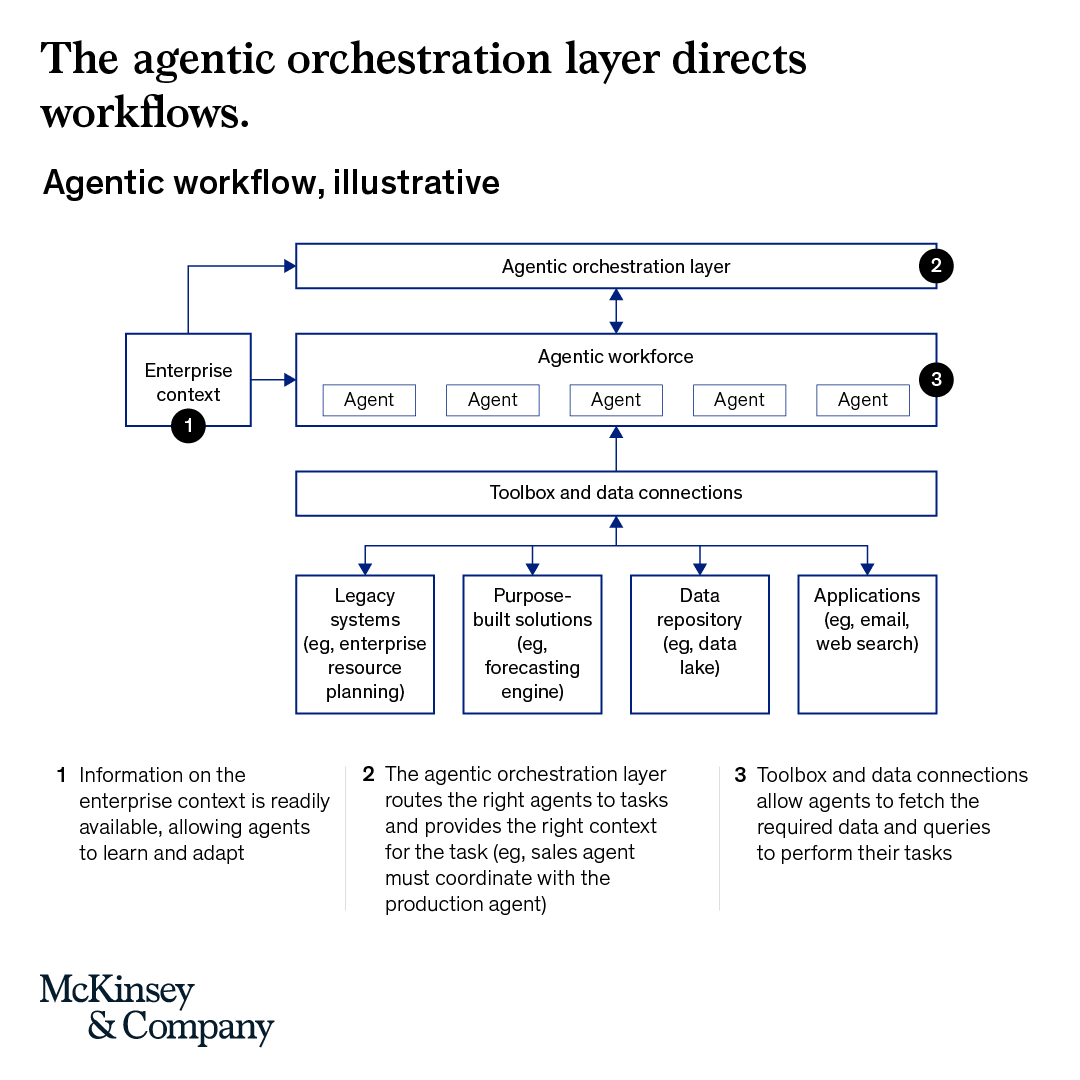
Agentic orchestration layers allow AI agents, enterprise systems, and data connections to work together across functions.
As cognitive bottlenecks shrink, that allows decision-making to speed up, coordination to improve and new operating models to form. https://t.co/0to4HC26cu
🚨 Scientists just built a refrigerator with NO compressor and NO refrigerant gas.
Just electricity.
Using a multilayer ceramic capacitor, researchers created a solid-state cooling system that changes temperature when an electric field is applied.
The result:
• ~3–4.5 K cooling swings
• works across room temperature
• survives >10 MILLION cycles
• no moving parts
• projected 70–90% Carnot efficiency
This is electrocaloric cooling and it may become one of the biggest threats to conventional refrigeration in decades.
Older materials only worked ABOVE room temperature and needed a brutal 42-day annealing process.
This new PST–PMW material:
• cools down to ~230 K
• avoids the expensive anneal
• handles massive electric fields
• maintains strong entropy transitions
The physics is beautiful.
An electric field reorganizes the material’s internal dipole structure, reshaping entropy inside the lattice and producing a real temperature drop.
Not “cold generation.”
Controlled entropy engineering.
If this scales:
• silent refrigerators
• ultra-efficient chip cooling
• vibration-free scientific systems
• wearable thermal control
• next-gen EV cooling
We may be watching refrigeration evolve from mechanical compression…
to programmable matter.
Follow me if you want the future of physics before it hits mainstream.
Every LLM tries to be everything to everyone. Why?
When will we have customizable MoEs that have a minimal solid universal base layer and selectable libraries of subject based super agents so you can compile your model as big or as small as you like?
@TheAhmadOsman Why isn’t there more of this now?
“Finetune a highly specialized 9B-class model that dominates a narrow domain rather than a mediocre generalist, focusing on high-return $$$ markets”