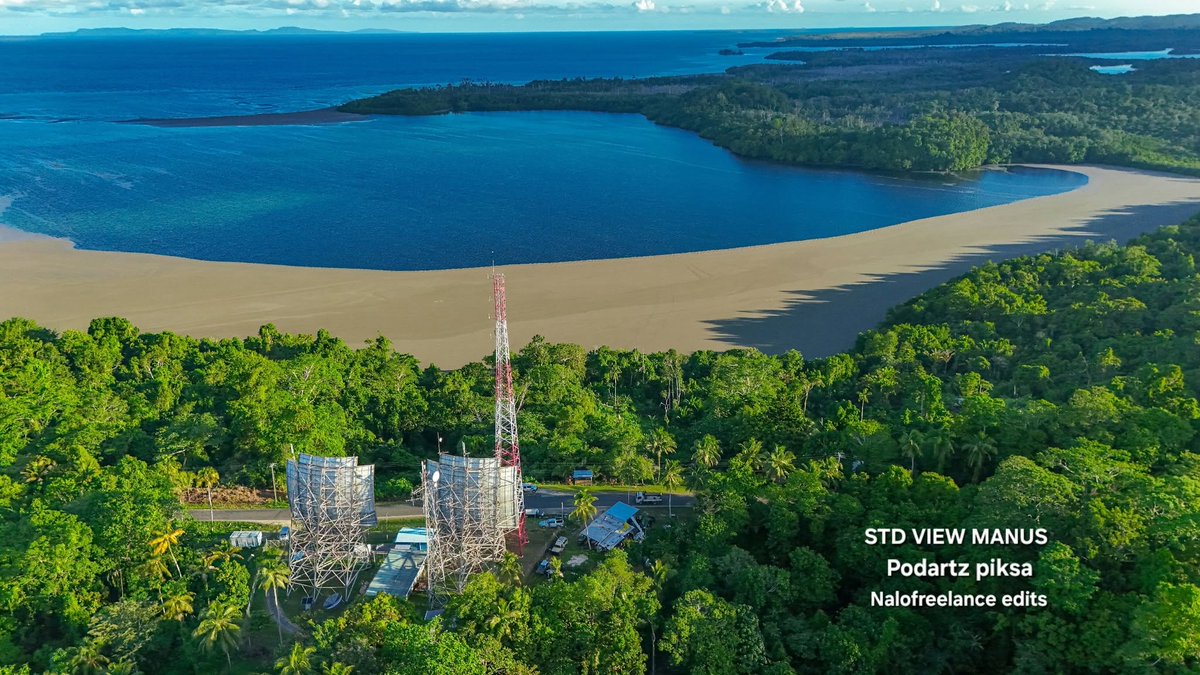
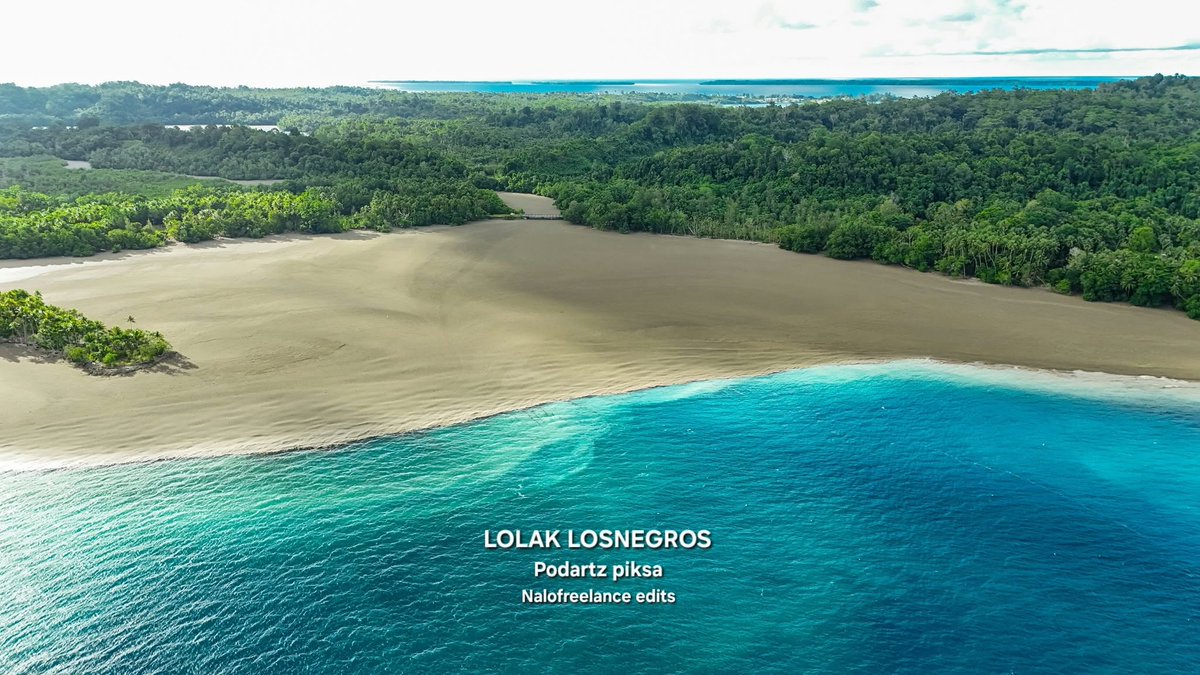
Another submarine eruption this year has begun at the Pelorus Reef volcano in the Southern Tonga Arc, beginning around the 14th - 15th November
@HubGeology@geoign
MV New Mwanza, the largest ship on Lake Victoria, struck Bismarck Rock off Mwanza on the morning of 18 November. She is a 92.6 m passenger and cargo ship of about 3,500 GT, with a 17 m beam and room for 1,200 passengers, 400 t of cargo and 23 vehicles. Building started in 2019, she was floated in February 2023 and entered service only this year. Her master reportedly turned to avoid a ferry inbound from Sengerema. A government inquiry has 14 days to report.
Footage captures the moment Tanzania’s newly commissioned Sh120.56 billion passenger vessel, MV New Mwanza, struck Bismarck Rocks on Lake Victoria on Wednesday morning after narrowly avoiding a collision with a passenger ferry from Sengerema.
The four-deck vessel, commissioned in January 2026, can carry 1,200 passengers and 400 tonnes of cargo.
#Tonga: The Pelorus Reef Submarine Volcano roughly 30km southwest of Ata Island, Tonga is currently erupting. The Eruption likely started on November 12.
Krasheninnikov, Kamchatka, Russia, 25 October 2026
In June a team of three scientists reached the summit of the erupting Krasheninnikov by helicopter and spent about a week working beside the active crater and along the lava flows, with temperatures at some sampling sites reaching 900°C. The eruption began on 3 August 2025, the first at this volcano in several centuries, and it continued into 2026.
The team collected rock samples and the minerals that form where hot gas escapes at vents, and measured the composition of the gas on the spot with a portable mass spectrometer. Gas leaving magma can change in composition and temperature within a short distance and a short time, so measuring at the vent records conditions that a sample carried back to a laboratory may not. The minerals add a record of the vent's gas chemistry that stays in the rock. No results have been reported yet.
Reaching the volcano took two attempts. A snowmobile expedition in the first half of March turned back short of its goal when a sudden thaw broke up the rivers several weeks earlier than usual. The helicopter flight in June avoided that problem.
Krasheninnikov stands inside a caldera some 13 kilometres across, formed roughly 40,000 years ago, with two overlapping cones on its floor. The current eruption opened with ash and gas to about 6 kilometres and has since settled into slow effusion of lava. Satellite images from early July showed a lava flow with several arms on the eastern flank, parts of it running through lava tunnels.
Vulcaniya | Volcanoes • People • Planet
Krasheninnikov, Kamchatka, Russia, 22 October 2026
Steam stands over Krasheninnikov in the latest video from Kamchatka, a calm scene for a volcano that has now been erupting for more than a year. Before August 2025 this mountain had no eruption in the historical record, and when one began it came within days of a magnitude 8.8 earthquake off the coast.
Vulcaniya has followed the eruption since it began, with many posts, photographs and videos, and the eruption has changed character more than once. It opened with ash plumes of around six kilometres in the first days of August 2025, moved on to lava filling the crater of the Northern Cone and spilling out in several directions, and has since settled into a slow outpouring on the eastern side. When the eruption reached its first anniversary this August, the Kronotsky Reserve reported that lava was still emerging, steam and gas were still rising, and KVERT held the aviation colour code at yellow.
Before 2025, no eruption of Krasheninnikov had been documented. Its previous eruption is dated by geology to roughly four to six centuries ago, and the activity recorded was weak steaming in the northern crater in the 1960s and 1980. The earthquake struck on 29 July 2025, some 240 kilometres to the south, and the first ash appeared on the morning of 3 August, local time. Radar satellites show no clear sign that the flanks swelled in the years before, and satellite gas measurements detected no clear emissions from the volcano. Radar then recorded a dyke pushing upward on 1 August, an estimated 32 million cubic metres of magma rising from a reservoir some 6 kilometres down.
So did the earthquake bring the eruption on? A preprint by James Hickey and colleagues, not yet peer reviewed, argues that it helped. Their calculations give small stress changes at the volcano, too small on their own to break open a magma reservoir, and a stress of around 1 megapascal from the shaking itself that probably also falls short. They suggest instead that several minutes of strong shaking let gas come out of solution in the magma, growing bubbles in a reservoir that was already close to failure, although nothing at the surface showed it. Alexandra Shakirova and Vadim Saltykov have examined how eight Kamchatka volcanic systems, Krasheninnikov among them, responded to the same earthquake.
The wider record gives a similar answer. Alex Jenkins, Alison Rust and Juliet Biggs compared global eruption records with large earthquakes and found that within 750 kilometres and a year of a magnitude 7 or larger event, eruptions ran about a quarter above each volcano's average rate, and slightly below average in the half year before. That is a nudge, and a quarter above average still leaves most volcanoes in range without an eruption. Clear cases appear to be rare. One of the best known is Cordón Caulle in Chile, which erupted 38 hours after the 1960 Valdivia earthquake, and which SERNAGEOMIN regards as one of the few instances where the link is evident.
It is possible that a very large earthquake may, in some cases, kickstart an eruption at a volcano that is already primed, one that may hold gas-rich magma and be close to the point of erupting. An earthquake is not known to add magma, so at most it may bring forward an eruption that was already building. Krasheninnikov is consistent with that, but the claim that its reservoir was close to failure rests largely on the eruption itself, since no measurement showed it beforehand. A single eruption makes it hard to separate cause from coincidence, and the question needs many more cases examined as carefully.
Steam and gas are still rising from the crater.
Video: Salmonica Travel.
Vulcaniya | Volcanoes • People • Planet
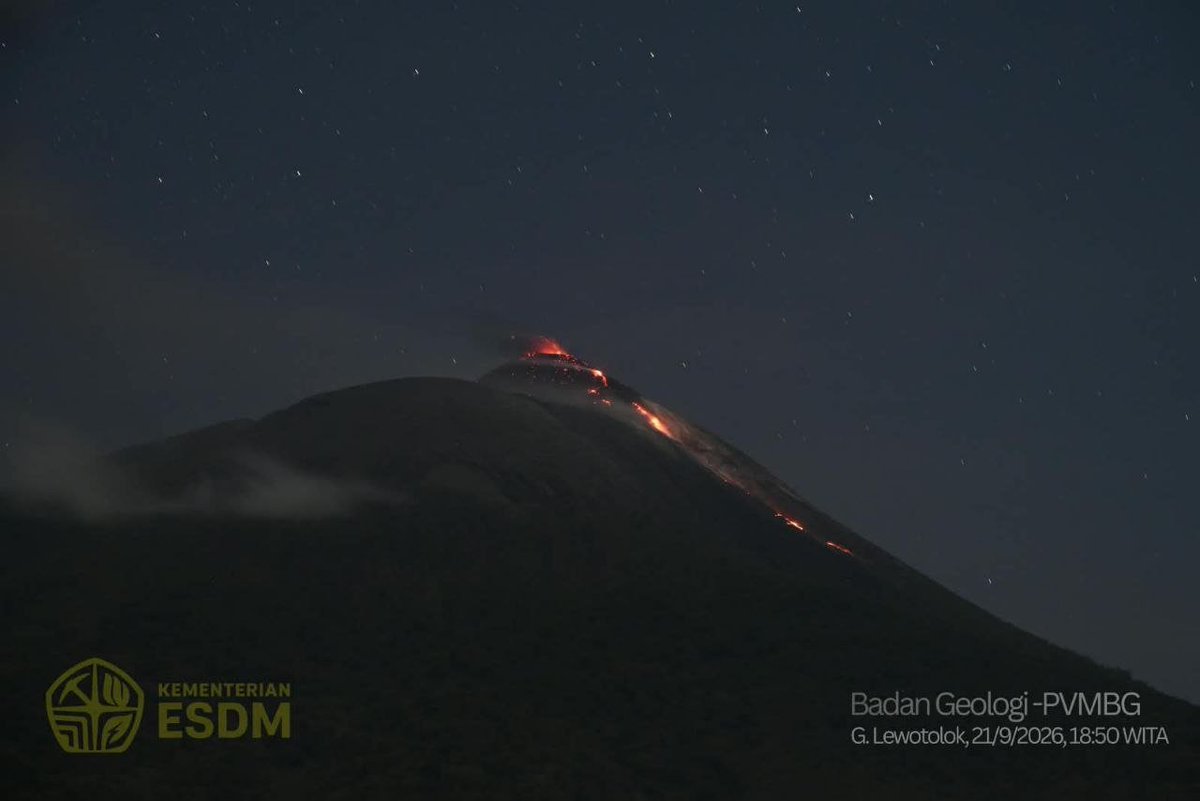
Ili Lewotolok, Lembata, East Nusa Tenggara, Indonesia, 21 September 2026
Lava is still moving down the southeast flank of Ili Lewotolok, about 500 metres out from the crater rim according to the observation post at Laranwutun village. The volcano continues to send up ash to between 300 and 800 metres above the summit at weak to moderate intensity, and the alert level remains at Waspada, the second of Indonesia's four grades, where it has sat for most of the past two years.
Ili Lewotolok has kept lava moving down its southern and southeastern slopes on and off since the eruption that first drew wide attention to the mountain in late November 2020. A blast on 29 November that year, two days after a smaller eruption had already raised concern, sent ash as high as four kilometres above the summit. The alert rose to its highest level and close to eight thousand people were displaced from villages along Lembata's northern coast. Nothing since has approached that scale. Lava has repeatedly nosed over the crater rim in the years that followed, retreating from view for weeks at a time before another lobe pushes out, tracked in successive bulletins as it edges down the southeast flank in stages ranging from a few hundred metres to beyond a kilometre.
The observation post's current recommendation follows the pattern it has held through most of this spell: no activity within two kilometres of the crater, extended to three kilometres on the east-southeast side, where both ash and any fresh lava are most likely to reach. For now the flow front sits a few hundred metres out, the distance the Laranwutun post reports tonight.
Vulcaniya | Volcanoes • People • Planet
Severe storm, likely a derecho/bow echo-type storm, aproaching #Sardinia, #Italy. Be prepared for locally destructive winds, large hail and flash floods.
🕹️ Akibat lonjakan aktivitas yg signifikan, PVMBG menaikkan status Gunung Sinabung dari Level II (Waspada) menjadi Level III (Siaga):
- Melontarkan kolom abu vulkanik pekat setinggi 3.500 M di atas puncak
- Merupakan erupsi besar pertama bagi Sinabung dalam 5 tahun terakhir
#Krakatau: il video di un peschereccio a due passi dal vulcano alle prese con una fitta ricaduta di cenere e lapilli. Negli ultimi 10 secondi si intravede anche la colonna eruttiva prodotta dall'attività esplosiva.
⚠️ È in corso un intenso parossismo sul vulcano #Kakatau, in Indonesia.
La fase intensa dell'eruzione è iniziata 3 ore fa con bellissime fontane di lava, una colonna eruttiva alta almeno 15 km e frequenti fulmini vulcanici.
La webcam di monitoraggio è andata distrutta.