Hoy Lumumba se tapó la boca y simuló una pistola en la cabeza como protesta por el silencio internacional ante uno de los conflictos más activos del mundo, que ha dejado miles de desplazados en el este de RD Congo.
ESTO SÍ ES UN INFLUENCER DE VERDAD. 🇨🇩👏
Michel Nkuka Mboladinga, better known as "Lumumba Vea," has stood motionless at matches since 2013 to honor DR Congo's first prime minister, Patrice Lumumba
As one of the country's most recognizable supporters, Vea was included in President Félix Tshisekedi's official World Cup delegation 🇨🇩💯
Las cámaras de la FIFA dejaron de transmitir cuando Lumumba Vea hizo el gesto de cubrirse la boca e imitar una pistola en su cabeza, como señal de protesta contra el silencio que rodea el conflicto en el este de la RD del Congo.
Una de las crisis más activas del mundo ha desplazado a miles de personas que han sido víctimas de masacres, él hombre usó el escenario de la Copa del Mundo para asegurarse de que la gente no pudiera mirar hacia otro lado.
🇨🇩👏
Pete Hegseth fired a Navy Vice Admiral to make her disappear, and yesterday the voters of South Carolina handed her a path to a seat in Congress. Her name is Nancy Lacore.
Meet James Harold Jones, the proud owner and pitmaster of Jones Bar-B-Q Diner in Marianna, Arkansas — America’s oldest Black-owned restaurant, in continuous operation for over 100 years! 🙌🏾🔥
This legendary spot has been serving up authentic Arkansas barbecue since the 1910s, passed down through generations of the Jones family. From a small operation to a nationally recognized institution, James continues the family legacy with the same love and dedication.
This is Black business excellence and generational resilience at its finest.
These are actual Freedom Riders, now elderly, sitting together decades after risking their lives to challenge segregation in the American South.
he original courageous Freedom Riders movement began in 1961.
The first group, organized by Congress of Racial Equality (CORE), had 13 original Freedom Riders:
• 7 Black riders
• 6 white riders
They left Washington, D.C. on May 4, 1961, riding interstate buses into the Deep South to challenge segregation in bus terminals after Supreme Court rulings had already declared it unconstitutional.
After brutal mob attacks in Alabama, including the firebombing of a bus in Anniston and savage beatings in Birmingham and Montgomery, more activists joined. The movement quickly expanded beyond the original 13.
By the end of 1961, more than 400 Freedom Riders had participated across the South. Many were arrested and sent to Mississippi’s notorious Parchman Prison.
Hezekiah Watkins
At just 13 years old, Watkins became the youngest Freedom Rider ever arrested. His involvement happened almost by accident when he went to the Jackson, Mississippi, Greyhound station to see the riders arrive. In the chaos, he was swept up by police and sent to the notorious Parchman State Penitentiary. Initially placed on death row to intimidate him, he spent several days in the prison before being released. This traumatic experience did not deter him; he went on to become a lifelong activist, dedicated to educating others about the struggle for justice in Mississippi.
Joan Trumpauer Mulholland
A rare figure in the movement, Mulholland was a white woman from a privileged Southern background who turned her back on social expectations to fight for racial equality. By the time she joined the Freedom Rides, she was already a seasoned activist involved in sit-ins. In 1961, she was imprisoned in Parchman for over two months. She later became the first white student to enroll at Tougaloo College, a historically Black institution, and was a primary organizer for the 1963 March on Washington. She famously survived a near-lynching during the Woolworth’s lunch counter sit-in.
Ameen Tuunagane (Willie James)
Known during the movement as Willie James, Tuunagane was a relentless civil rights organizer and Freedom Rider. He was part of the waves of activists who traveled to Jackson, Mississippi, to challenge Jim Crow laws. His work extended far beyond the buses; he was deeply involved in voter registration drives and community organizing, often operating in high-risk areas where the threat of police and vigilante violence was constant. His commitment focused on the intersection of political power and basic human dignity.
Carol Ruth Silver
A recent law school graduate at the time, Silver joined the Freedom Rides to put her legal principles into practice. She was arrested in Jackson and, like many others, served time in Parchman Penitentiary. During her incarceration, she kept a secret diary on scraps of paper, documenting the harrowing conditions and the psychological tactics used by guards. Her later career was defined by this experience; she became a prominent lawyer and politician in San Francisco, continuing her advocacy for civil rights and educational reform for decades.
Kredelle Pettway
Pettway was a dedicated activist who participated in the movement during the height of the 1960s racial tensions. As a young woman, she joined the ranks of those demanding the desegregation of public facilities in Alabama and Mississippi. Her contribution highlights the essential role of local youth and women in maintaining the momentum of the movement. She faced the constant threat of the Ku Klux Klan and state-sanctioned violence, standing firm in the belief that the "separate but equal" doctrine was a moral and legal failure.
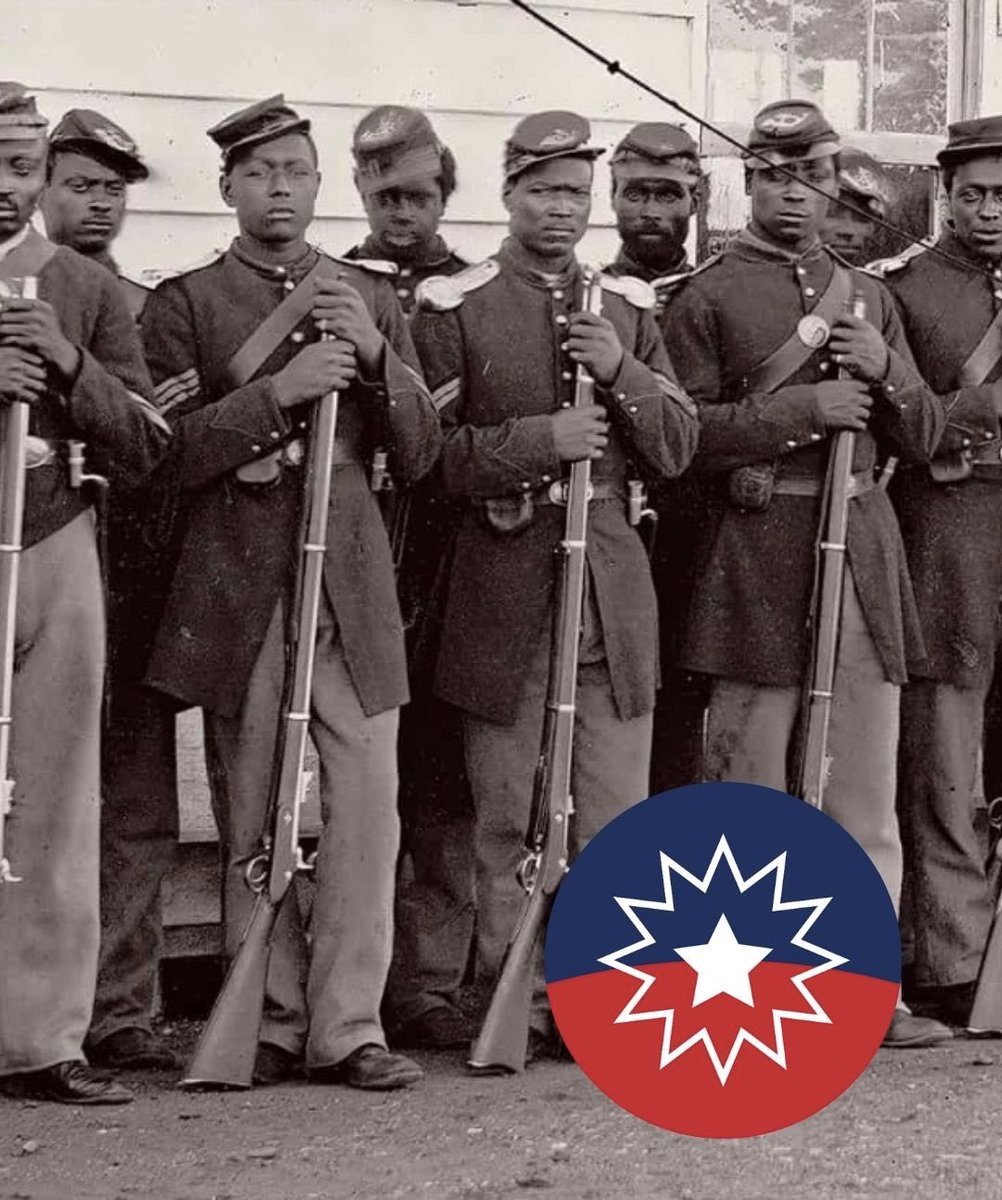
There’s a saying passed down from earlier generations of Black Texans who were there for the first Juneteenth: “It was not a piece of paper that freed the slaves, but the men with the guns.”