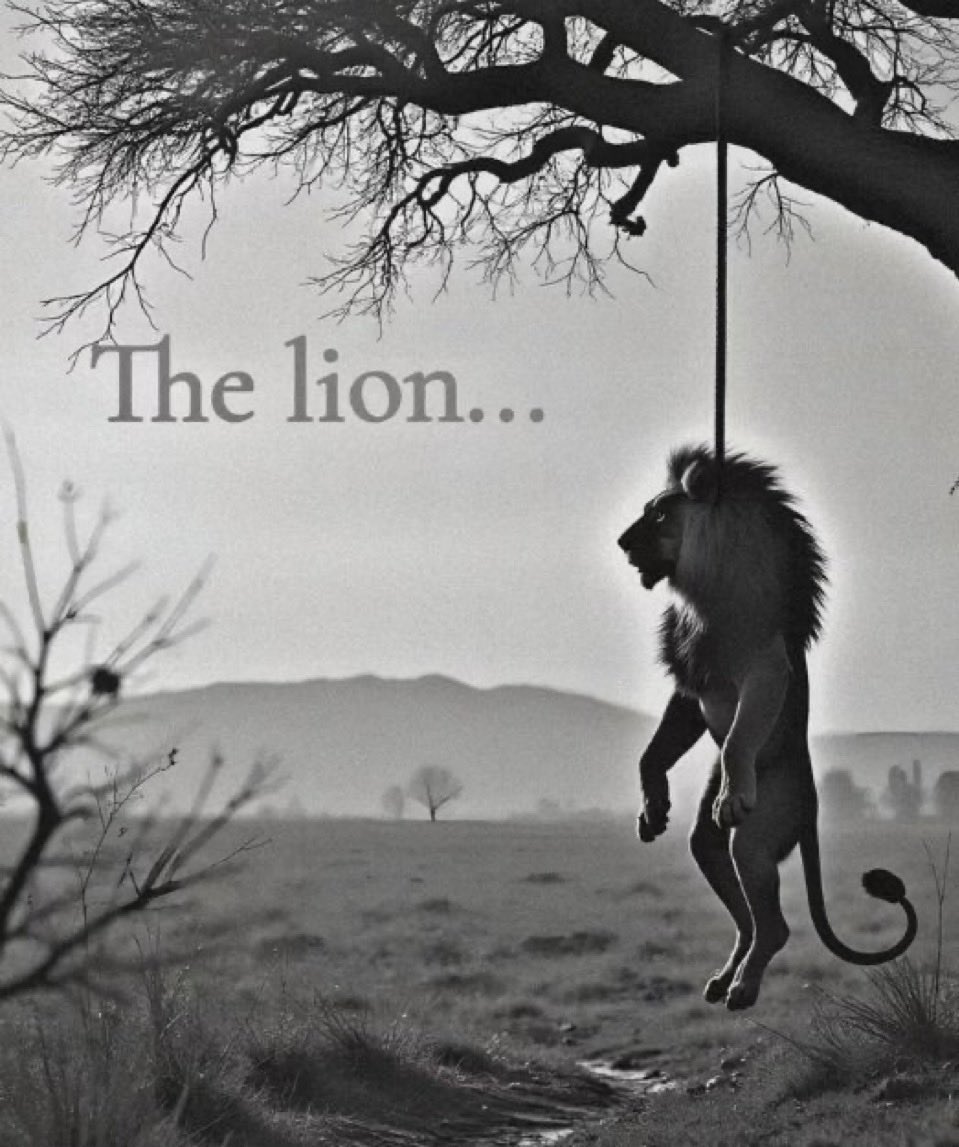
Bro, all we need is 1 year:
1. Body of an ATHLETE.
2. Mind of a STRATEGIST.
3. Discipline of a SOLDIER.
4. Vision of a KING.
5. Patience of a FARMER.
6. Heart of a POET.
7. Focus of a MONK.
Esto es así posta, lo investigue, el tipo nació en una familia recontra pobre de la india que era tanta la pobreza que todos sus hermanos se murieron, soñaba con demostraciones que él ni sabía lo que significaba y las escribía en cuadernos, resultaron ser todas verdad, incluso sabía más que profesores de cambridge sin nisiquiera haber hecho la primaria.
Ojalá tener un 1% del conocimiento en matemática que tenía me vendría muy bien
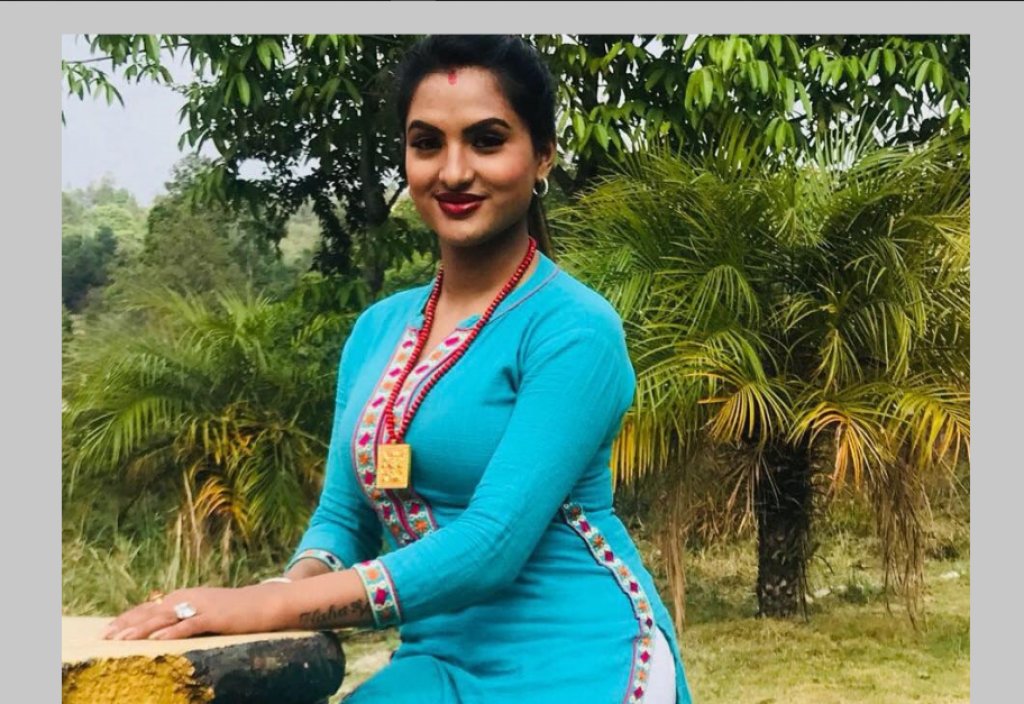
This is a photo of Nisha Ghimire, a former model and actress from Nepal.
The image on the right was shared on Instagram on 14 September 2019, while the one on the left was taken on 8 June 2021 at Norvic International Hospital in Kathmandu.
Both show the same person, Nisha Ghimire, who once proudly represented Nepal.
In 2018, Nisha was at the peak of her career.
A rising star in modeling and acting, she was in high demand. Brands competed to sign her as their ambassador, and prominent figures from Nepali and Indian politics and entertainment sought her attention.
She was the talk of the town, and everyone wanted to be part of her circle.
अमीरों को पंडित जी स्वयं पूजा करवाते हैं और भगवान नजदीक से दर्शन देते हैं,
घंटों लाइन में खड़े रहने वाले श्रद्धालु पुलिस वालों और सेवादारों के गुस्से का शिकार होते हैं
I fell in love with this quote:
"No matter your age, you'll always wish you started younger, but today is the youngest you'll ever be. So start today."
Priya returns with a Bang !!!!
You remember Priya.
IIT. 26 LPA job. Quit for trading. Lost everything quietly. Went back to a job. Still opened charts at night — not to trade, but to understand.
This is what happened next.
18 months after rejoining work, Priya met Arjun.
Not on a trading forum. Not in a webinar selling "10x your portfolio" courses.
At a small, unglamorous reading group in Pune. Eight people. Folding chairs. One agenda — "Trading in the Zone" by Mark Douglas.
Arjun was 51. Mostly grey hair. Calm eyes. The kind of calm that isn't personality — it's something earned.
He had blown up three accounts in his 30s. Lost his marriage partially to the stress. Built himself back slowly, quietly, over a decade.
He wasn't rich-famous. He wasn't on Twitter.
He was just — consistently profitable. For 11 years straight.
Priya sat next to him and asked, "Which indicator do you use?"
He smiled.
"I stopped looking for the right indicator 15 years ago. I started looking for the right mind instead."
She thought it was a cliché.
It wasn't.
Arjun gave her one task for the first month.
No trading. No charts. No P&L.
Just one exercise —
"Take any setup you would have traded. Write down — not what you think will happen — but what are ALL the things that could happen. Every possibility. No bias. No hope."
Priya found it uncomfortable.
Because she realized — every time she had traded before, she wasn't analyzing the market.
She was writing a story. And casting herself as the hero.
Bullish divergence? "This is going up. "Support level holding? "Perfect entry, this is it."
She wasn't trading probability.
She was trading narrative.
And the market — which owes nobody a good ending — kept ripping her story apart.
Month 2, Arjun introduced her to the core idea that changed everything.
"Priya, any single trade — you don't know the outcome. I don't know. Nobody knows. A setup with 65% historical accuracy means 35 out of 100 trades will lose. That's not failure. That's the deal."
She had read this before. In books. In articles.
But she hadn't felt it yet.
"Your problem," Arjun said quietly, "is that every loss feels like proof that you're wrong. But losing trades aren't mistakes. They're the cost of doing business — like rent for a shopkeeper."
"You were treating every loss like a verdict on your intelligence. That's why IIT hurt you more than it helped you."
That sentence broke something open in her.
She had been carrying her identity into every trade.
Win = I am smart. Lose = I am not.
The market had never been judging her ability.
It had just been — the market. Random. Probabilistic. Indifferent.
The judgment had always been entirely self-inflicted.
Month 3, she started paper trading. Not to practice entries.
To practice reactions.
Every losing trade — she would pause. Breathe. Write one line:
"This was within the probability range. This does not mean my edge is gone."
Every winning trade — same pause. Same breath. One line:
"This was within the probability range. This does not mean I am a genius."
Slowly, almost invisibly —
She stopped needing trades to validate her.
Month 5, she took her first real trade after two years.
Small size. Nifty weekly options. Simple breakout setup she had seen a hundred times.
It stopped out.
She lost ₹3,200.
She closed the terminal.
Made chai.
Came back. Opened her journal. Wrote —
"Loss. Valid setup. No revenge. Next."
Four words that would have been impossible two years ago.
Month 7 — she hit a 6-trade winning streak.
Old Priya would have doubled position size. Posted screenshots. Started feeling invincible.
New Priya wrote in her journal —
"Variance running in my favor. Stay the same size. Stay the same process. The streak doesn't change the probabilities."
By month 12 she was profitable.
Not spectacularly. Not screenshot-worthy.
But consistently, quietly, sustainably profitable.
She hadn't found a new strategy.
She had found something rarer —
A mind that was no longer the enemy of her own trading.
Here's what Priya learned — the things no course teaches:
1. You are not your trades. A loss is data. It is not a mirror. Stop looking at it like one.
2. Probability doesn't care about your story. Every trade exists in a universe of possible outcomes. Your job is not to predict — it's to position correctly and respond without emotion when any outcome arrives.
3. The edge is real. But only if you execute it 100 times. One trade proves nothing. One hundred trades show everything. Stop judging your system on three losing trades in a row.
4. Discipline is not white-knuckling yourself.Real discipline feels effortless — because you've genuinely accepted uncertainty. If controlling yourself feels like a war, you haven't accepted probability yet. You're still hoping.
5. The market is not your examiner. It doesn't know you were an IITian. It doesn't know you've been struggling for two years. It has no opinion about you whatsoever. The moment you stop needing it to validate you — you become dangerous to it.
Priya still works her job.
Trading is her second income now — moving towards becoming her first.
She doesn't post P&L screenshots.
She has 300 followers, not 4,000.
But she has something she didn't have before —
A process she trusts. A mind she has trained. And the quiet, unshakeable understanding that markets reward not the smartest person in the room —
But the most consistent one.
Arjun still runs that small reading group in Pune.
Folding chairs. Eight people. No marketing.
Last month, Priya brought someone new.
A young man. Sharp eyes. Recently quit his job for trading. Confident enough for the whole room.
She sat next to him and he asked —
"Which indicator do you use?"
She smiled.
The wheel turns.
The lesson waits patiently for whoever is ready to receive it.
Are you ready? https://t.co/BRD3LkPkpr