Alongside our recent research paper, we've also written an article about the research behind the South Australian harmful algal bloom—and what it means for the future.
📄 https://t.co/eUylahIiBl
#HABs#MarineScience
‼️New paper in Nature Ecology & Evolution‼️
We show that the little-known dinoflagellate Karenia cristata produces brevetoxins and was a key driver of the devastating 2025 South Australian harmful algal bloom.
📄 https://t.co/nihs4bFNuP
#HABs#MarineScience
Nadine’s way of writing makes you live the story as if you were witnessing it with your own eyes. She is an amazing writer and human being, who lived with the fear of an attack like this for many months.
https://t.co/Gc8wdcS9Oa
@albertoangela Gentile Alberto, mi permetto di consigliare a lei e a chiunque sia interessato alla storia dello sterminio nazista, il libro “i sommersi e i salvati” di Primo Levi. È un testo che dovrebbe essere obbligatorio nel programma scolastico italiano. È straordinario.
Congratulations to @XiaodanOuyang on her article in Organic and Biomolecular Chemistry! A big thanks to all co-authors. We report the radiosumin biosynthetic pathway and show that this small molecule is a human trypsin inhibitor.
https://t.co/PRROy2YWXO
#Nordaqua#mmtdk
The first in person @UTS_Science biological and biomedical science seminar series is on tomorrow!
Tune in via zoom or come along between 2-3PM for two interesting talks from AIMI’s #PhD student @jkoong314 and UTS Chancellors postdoctoral fellow @GaianiGreta
Did you know that cyanobacteria grow in diverse microbial communities? Check out their vibrant colors in these pictures: blackish (allophycocyanin), red (phycoerythrin), and green (phycocyanin). These pigments play important roles in photosynthesis and light adaptation! ☀️
Exactly one year ago today I defended my PhD thesis. Many things have changed since then, and many more will change soon. But I will always remember that moment as one of the best of my life! Happy PhD-versary to me!
This is a macroscopic colony of the tropical and subtropical filamentous cyanobacterium Brasilonema that grows on plant leaves. This strain produces an unknown liquid when grown on solid growth medium and has filaments that are almost the same width as very fine human hair.
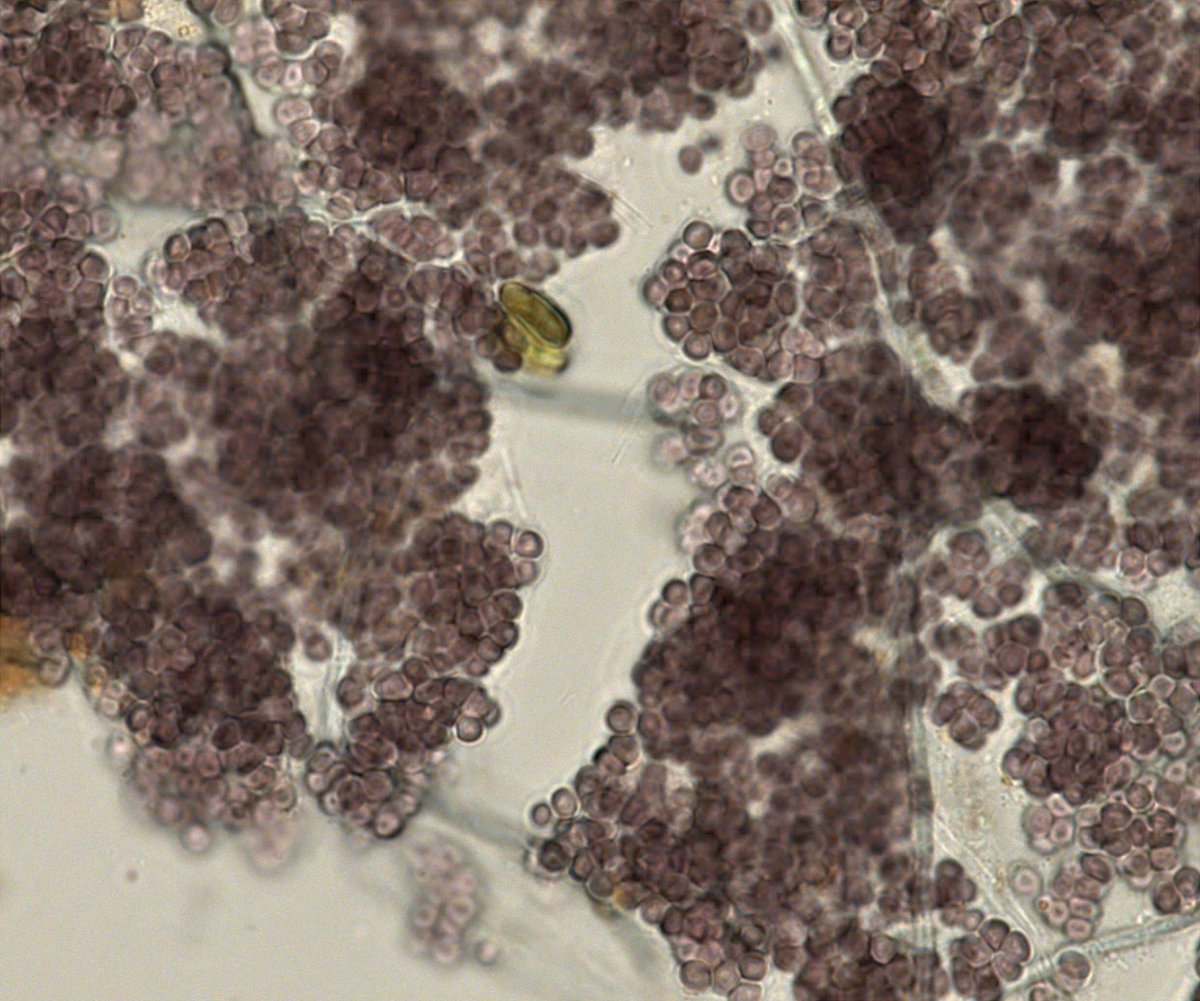
It´s #Microscopy Monday🔬! Enjoy couple of microscopy pictures taken from cyanobacterial bloom samples we collected during last summer campaing☀️. Can you appreciate the different shapes cyanobacteria have?
@NesslingSaatio
Good news!Me and Mònica Campàs (@irtacat) co-authored a paper on Cell immunolocalization of ciguatoxin-like compounds, and it was accepted for publication! Many thanks to all the co-authors for the amazing work done
https://t.co/knfjjC2NBg
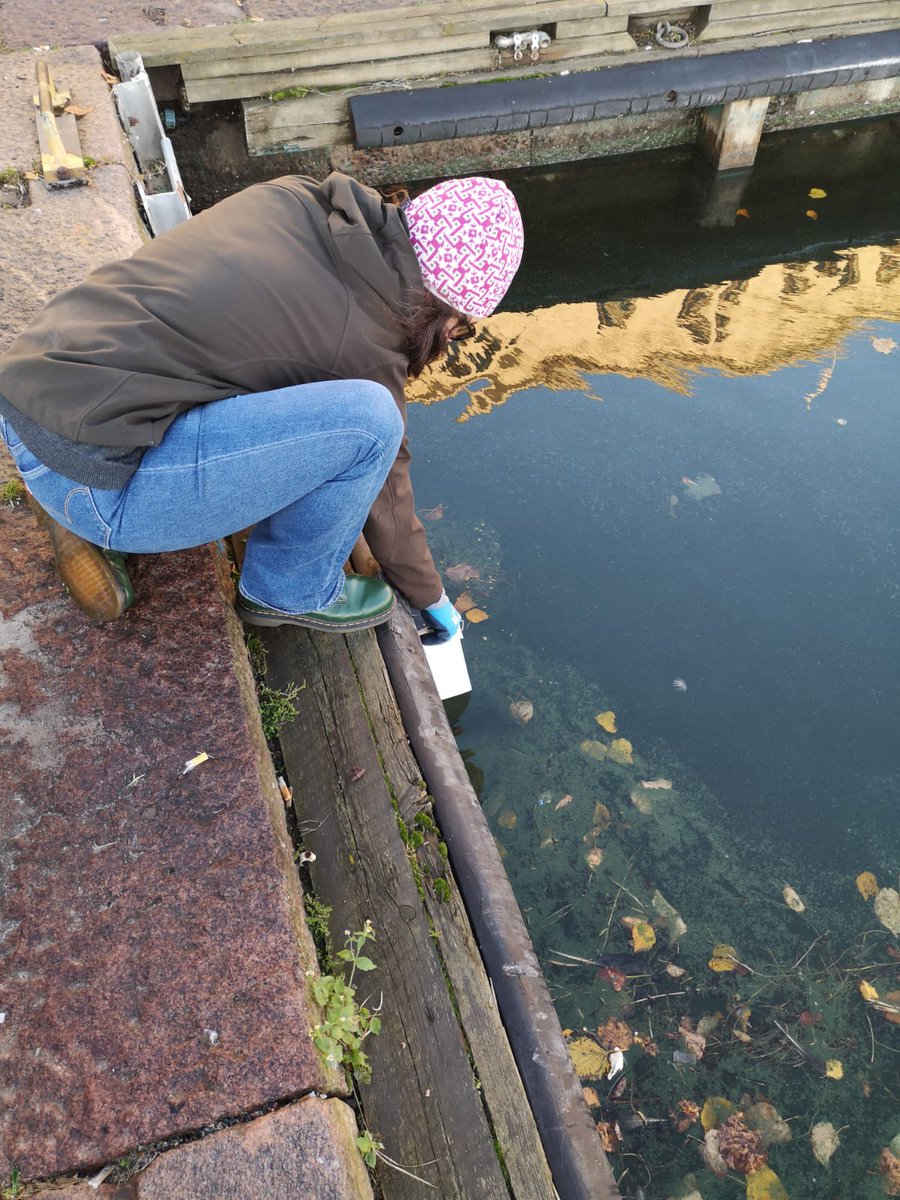
Our sampling season came to an end, but cyanobacteria don´t know and are still blooming! Of course, we did not miss the opportunity to collect new samples 🧪
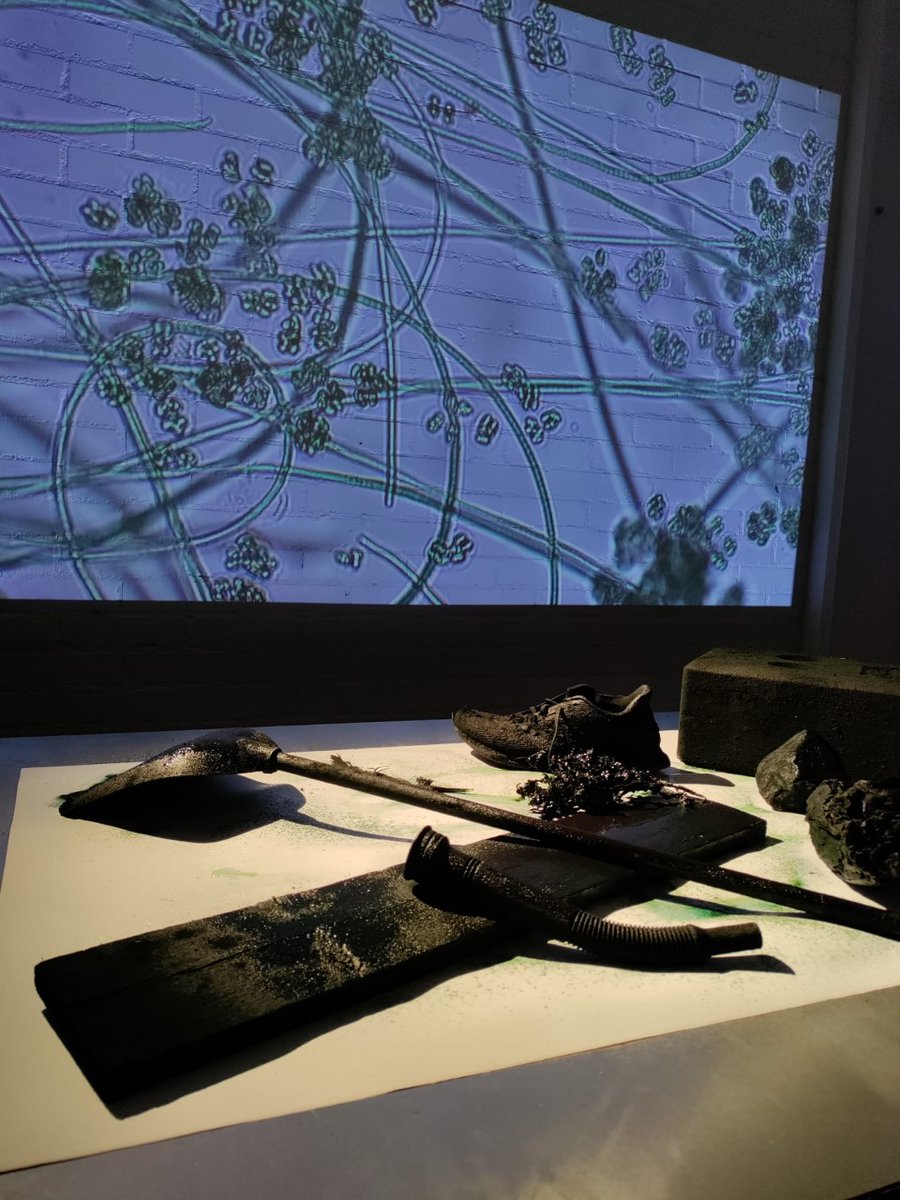
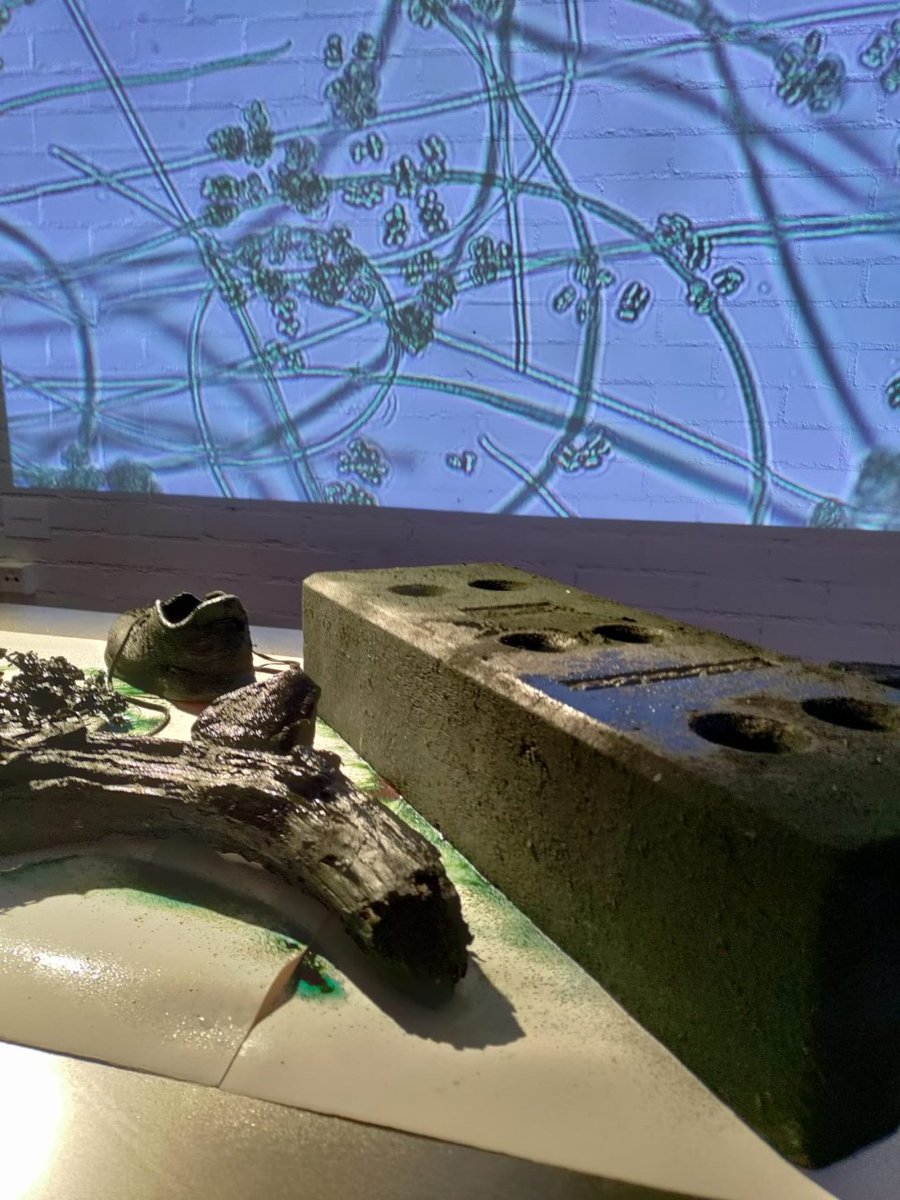
Contemporary Design MA students from @AaltoUniversity invited us to one exhibition focused on the problem of eutrophication in the Baltic Sea. They drawn the attention on cyanobacterial blooms in a very intense way: when science meets art the result is terrific.
@NesslingSaatio
I am beyond happy to announce that I will be a CPDRF fellow starting early next year. I can´t wait work with the @SeafoodSafe_UTS team!
Have a look to the all the projects that were awarded, they are very interesting! https://t.co/XwaYbQDb1B
Today we said bye to our summer workers and had a meeting to summarize the results of the summer! Their part ends but the project goes on 💪🏼 @NesslingSaatio@origin_by