News from our lab. We study toxic cyanobacteria, water quality, secondary metabolism and microbial bioinformatics. Posts by lab members. Led by @david_fewer
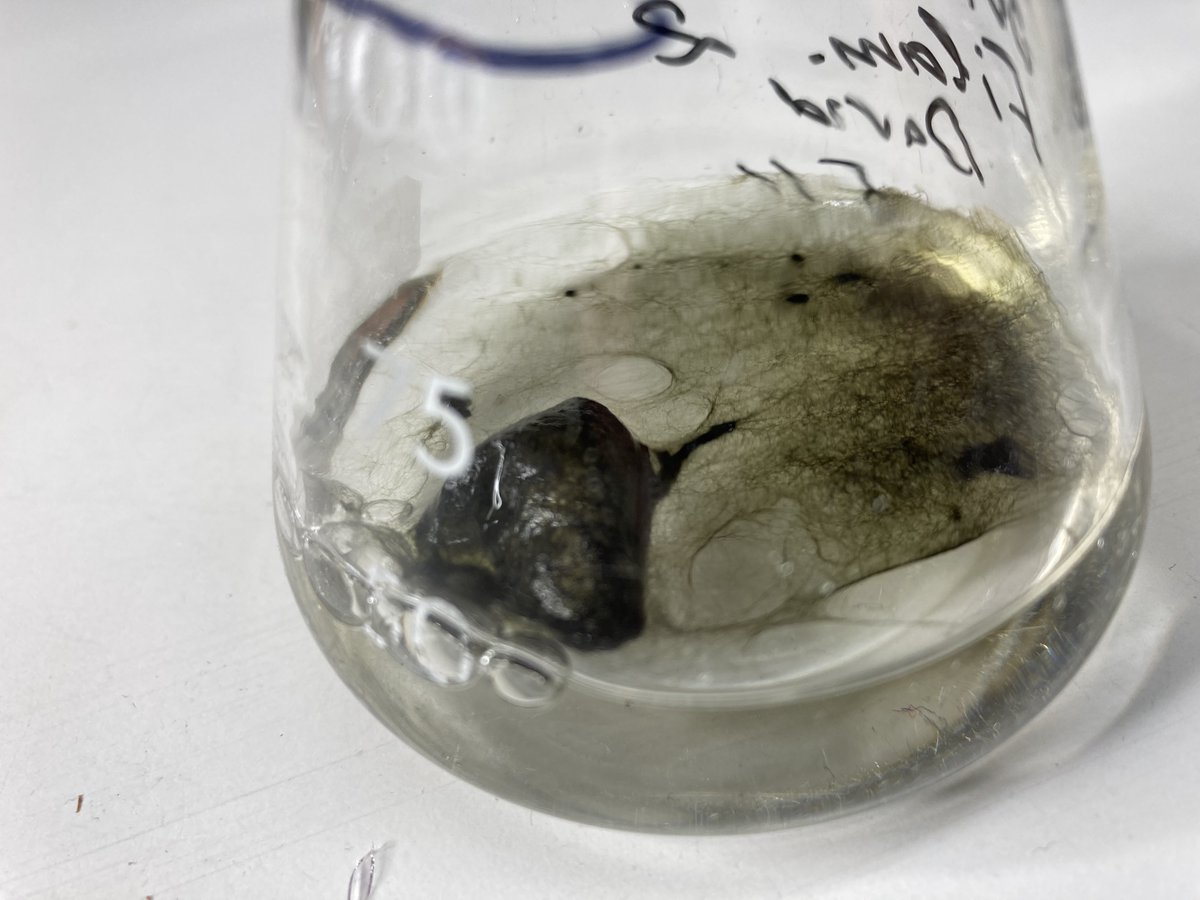
Bacteria can make extracellular polysaccharides that mediate heavy metal removal. This exopolysaccharide-producing cyanobacterium turned a 40-ml liquid culture into a gel. #UHCCCultureCollection
Our paper describing the isolation of a toxic strain of cyanobacteria from a microbial mat in the Helsinki coast of the Baltic Sea https://t.co/uLRapvdP5K
The cyanobacterium Aetokthonos hydrillicola really is nasty, as we show in the most recent @PNASNews cover story (https://t.co/J8wyvW96r5). A thread… 1/
Campaigners have held a wake on the shores of Lough Neagh to mourn what they say is the death of the largest freshwater lake in Ireland and the UK. The lough is heavily polluted with toxic blue-green algae | https://t.co/fFnUoDFBRw
Sila's paper on an unusual branched biosynthetic pathway for the production of microbial sunscreens out now in ACS Chemical Biology https://t.co/iAdKvwolSR
Our latest paper on the isolation of a toxin-producing cyanobacterium from an algal mat on the Helsinki coast of the Baltic Sea
https://t.co/uLRapvdhgc
Kuuman alkukesän seurauksena sinilevähavaintoja tehtiin runsaasti. Vaikka heinäkuu alkoikin viilenevän kesäsään merkeissä, runsaat sateet voivat lisätä vesistöihin valuvaa ravinnekuormaa ja siten edistää sinileväkukintojen runsastumista.
https://t.co/Q5yHPak7VT
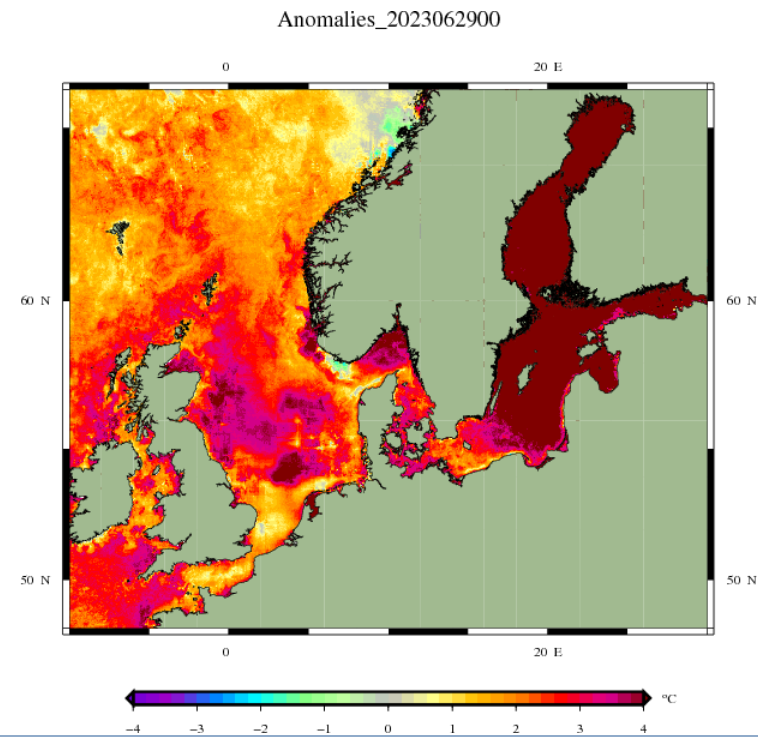
Kaksi kuvaa #Itämeri'stä juuri nyt. Meri on kuuma, @dmidk'n mukaan n. 4 °C yli 1985-2003 keskiarvon. Oikealla @SYKE_EO:ssa tuotettu satelliittikuva eiliseltä, 28.6. #Suomenlahti muistuttaa jo kesää 2018. Heinäkuun sää ratkaisee miten #sinilevä'tilanne kehittyy. @SYKEinfo#ilmasto
Photo of a foliose tripartite lichen (Peltigera) that keeps cyanobacteria (Nostoc) as a nitrogen-fixing partner in black bodies called cephalodia. These cyanobacteria can produce toxins while in symbiosis or grown in pure culture.
https://t.co/5M5rEj9QMY
Xiaodan Ouyang (@XiaodanOuyang) presenting her paper on the direct pathway cloning and expression of radiosumin biosynthetic pathway at the Nordic Natural Products conference today. Well done Xiaodan!
https://t.co/Q3uMFVLDTV
#ChinaScholarshipCouncil
Congratulations to @XiaodanOuyang on her article in Organic and Biomolecular Chemistry! A big thanks to all co-authors. We report the radiosumin biosynthetic pathway and show that this small molecule is a human trypsin inhibitor.
https://t.co/PRROy2YWXO
#Nordaqua#mmtdk
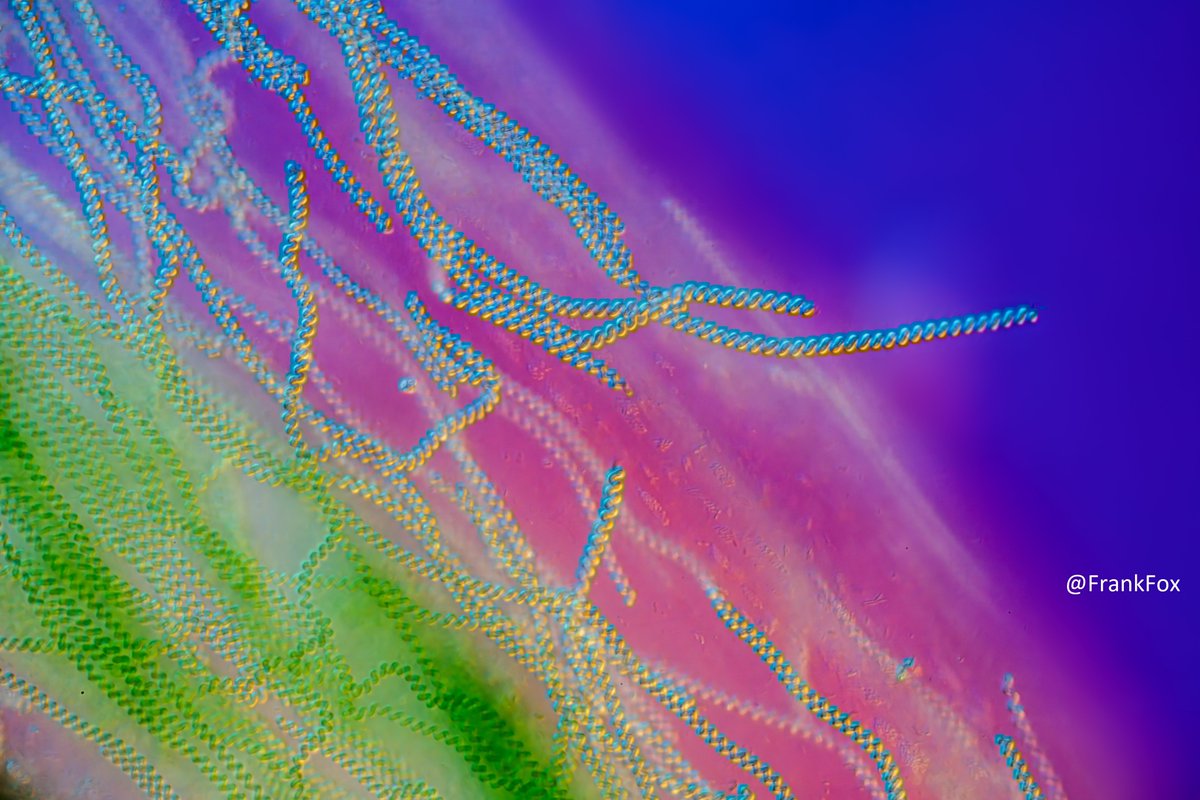
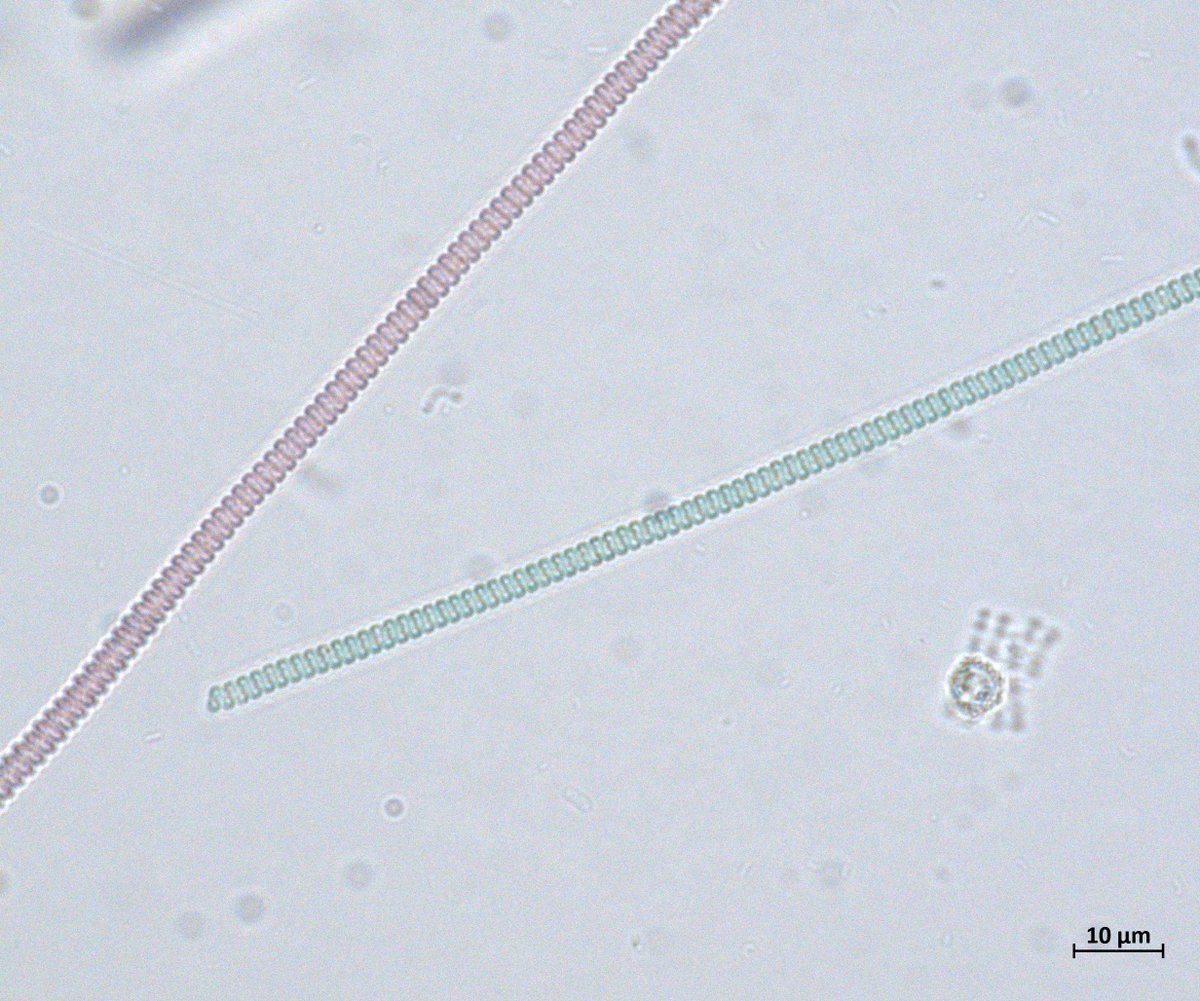
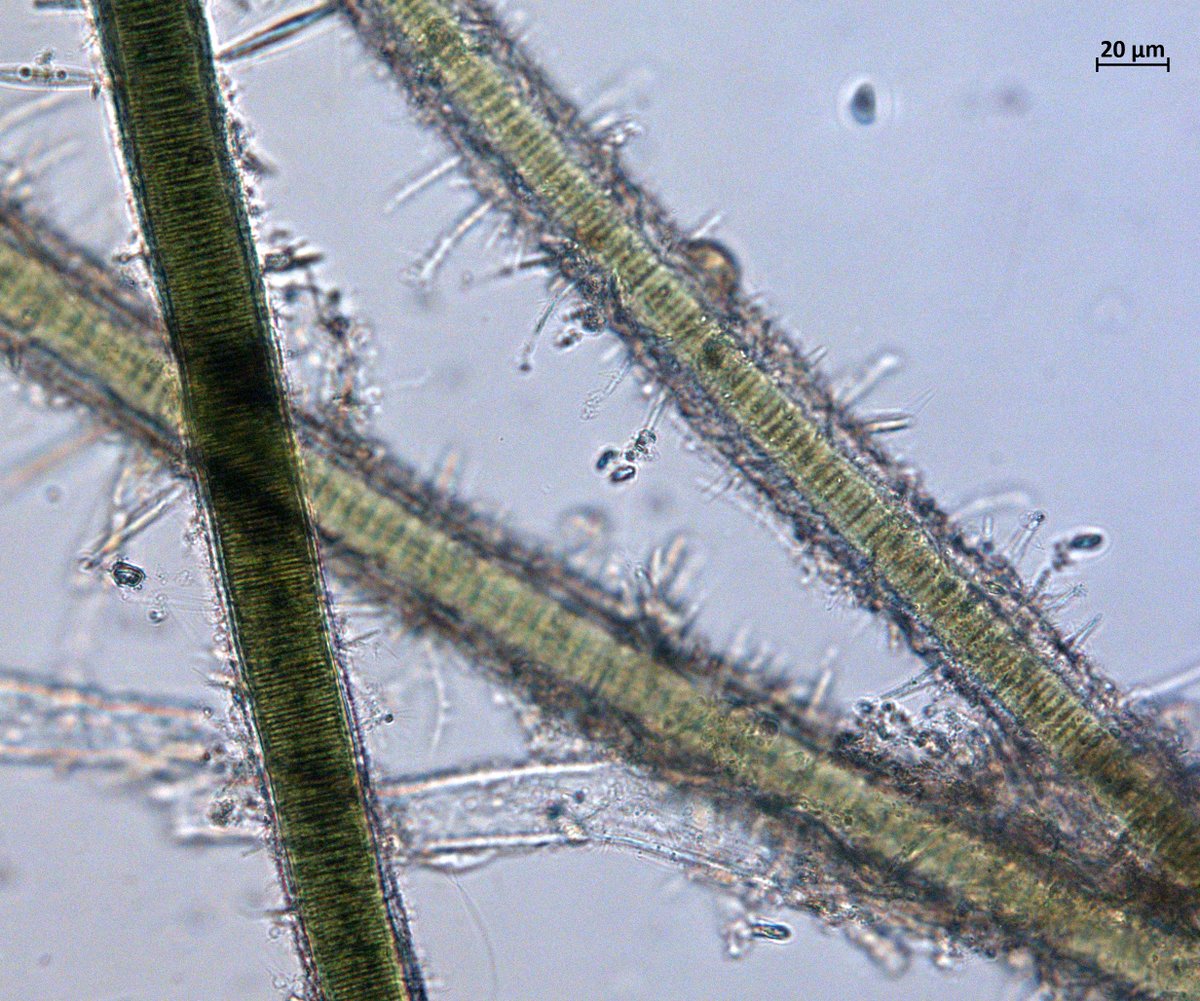
A thick mat of Oscillatoria covering rocks from Laajalahti bay on the Helsinki coast. Photosynthetic cyanobacteria can provide a substrate for a rich community of heterotrophic bacteria. Photos by @inkeri_vuori#BalticSea#MicroscopyMonday
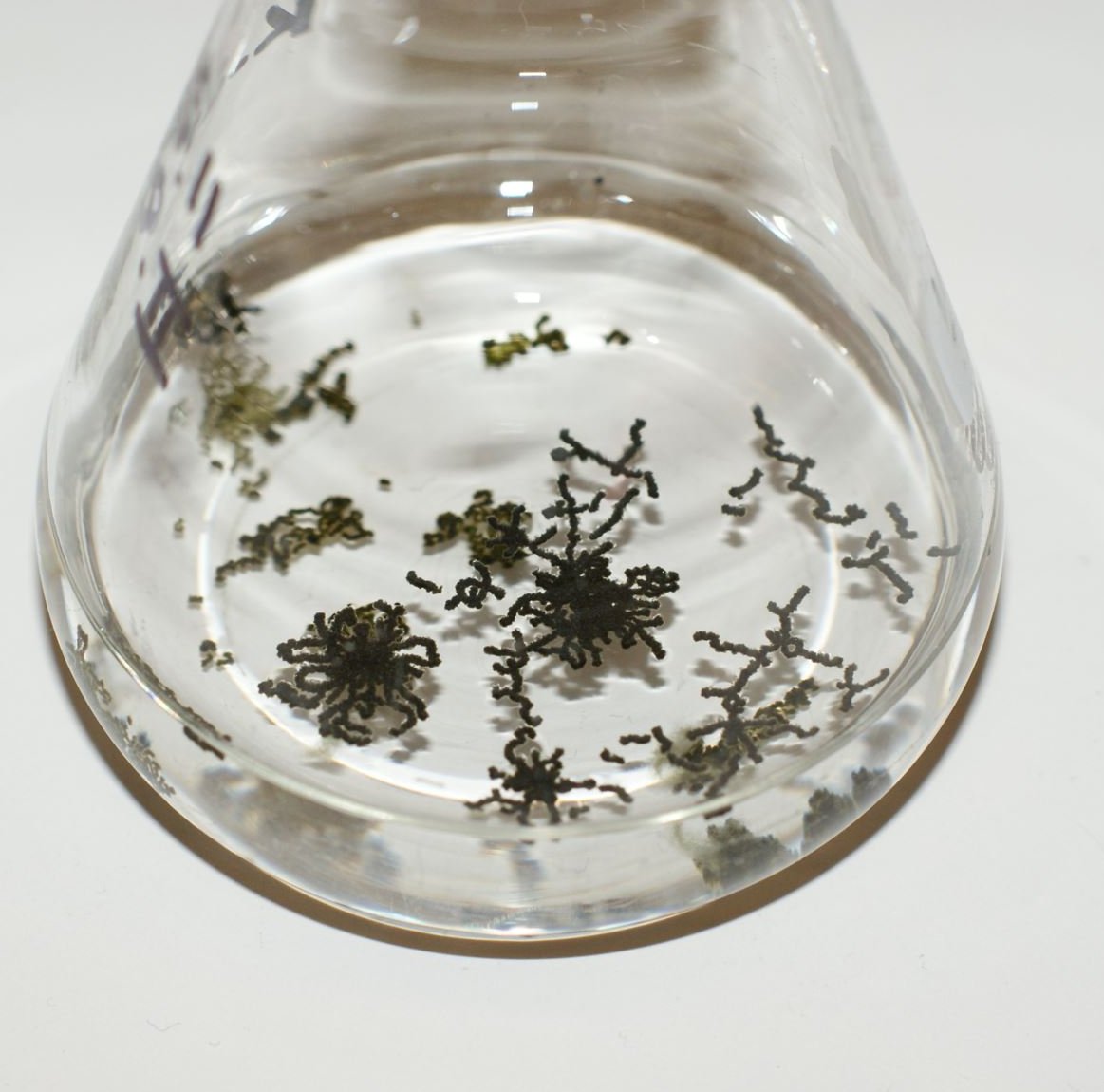
Trichodesmium forms blooms in tropical and subtropical oceans where they are important source of new nitrogen. Sailors have referred to the blooms as sea sawdust since the 1700s. This study in Science resolves how motile filaments form colonies under stress conditions.
The movement of individual gliding filaments of nitrogen-fixing cyanobacteria Trichodesmium and their interactions with other filaments help these nitrogen-fixing cyanobacterium form aggregates in response to stress, a new Science study finds. https://t.co/g96w3hbQOh