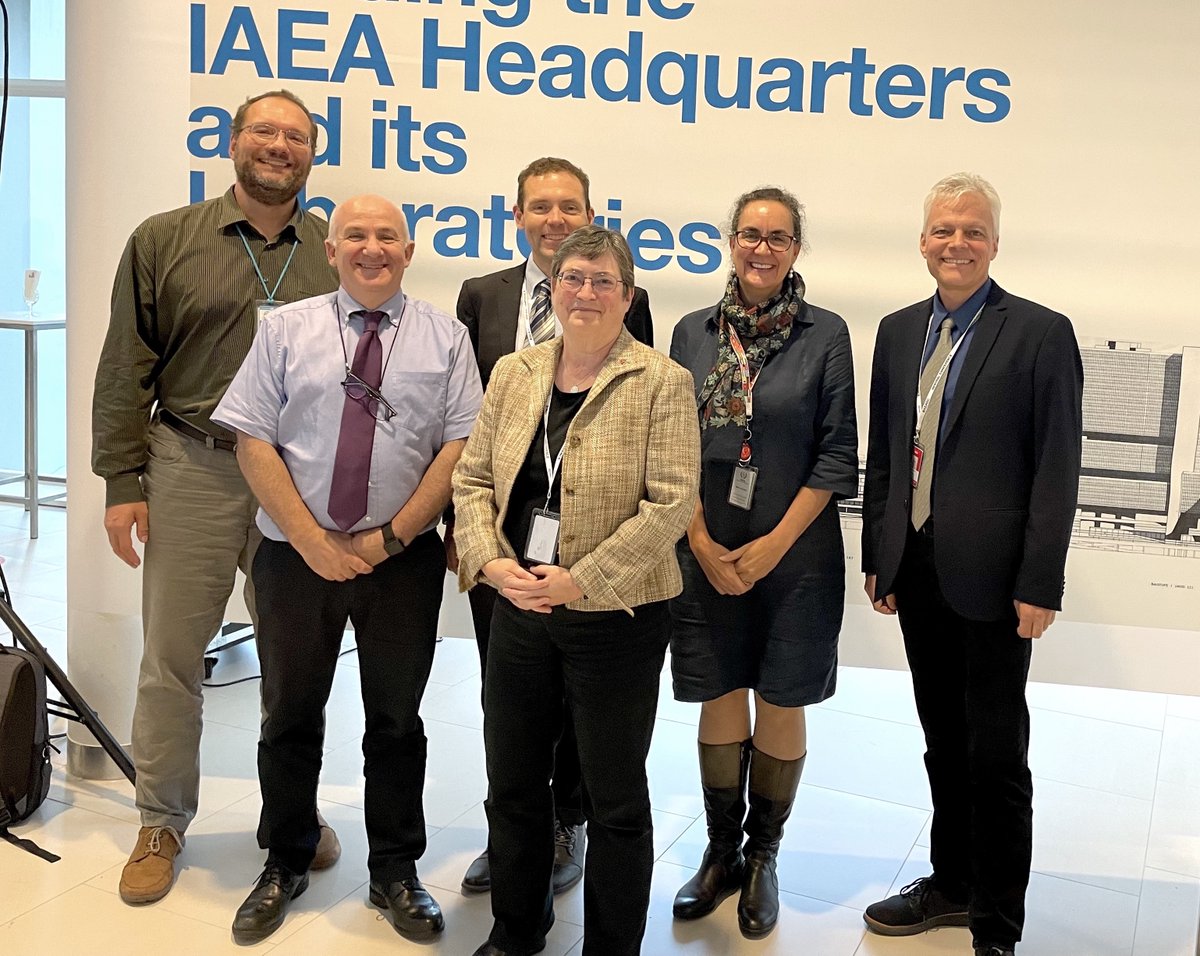
Eawag is honoured to have welcomed Najat Mokhtar, Deputy Director General of the @iaeaorg. The two organisations share the goal of advancing #groundwater research and promoting the sustainable use of groundwater resources.
🚰If we're serious about universal + equitable access to safe affordable drinking water for all, we must tackle groundwater #arsenic contamination!
See my post on the launch of DeltAs Project incl top researchers from🇨🇭🇻🇳🇦🇺🇺🇸👇@snsf_ch@usys_ethzh @eawag
https://t.co/JTlkgMp4Uh
Groundwater plays a great role in development with its benefits seen in agriculture, climate, industry, and many other sectors.
About to start! At the #UN2023WaterConference join us and #MakeGroundwaterVisible.
Watch the side event online➡️ https://t.co/LXuAsfirm2
This year from the evocative landscape of #Hemberg in #Switzerland, the Groundwater Assessment Platform (GAP) team sends you warm Christmas greetings 🎄 and best wishes for the year ahead 🎉
@gapmaps@EawagResearch
Dr Michael Berg and Dr Joel Podgorski from @gapmaps at @EawagResearch will participate in this week's UN-Water Summit on groundwater in Paris. The Summit can be accessed online at 👉https://t.co/s0VaUXpR03
#MakeGroundwaterVisible#GWSummit22
The UN-Water Summit on Groundwater is on 7-8 December 2022, in Paris and online.
Join the event - to define actions towards more sustainable use of this vital natural resource.
See the full programme👉https://t.co/ptv6VfbU7d
#MakeGroundwaterVisible#GWSummit22
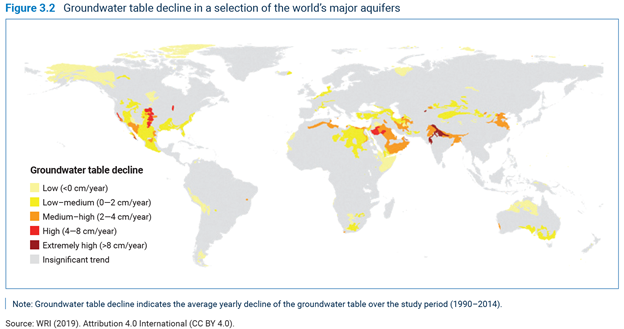
Localized #Groundwaterdepletion threats drinking #watersupply & may limit agricultural and industrial activities.
Unfortunately, this is a real threat for several of the world´s 37 major aquifer systems as per the figure 👇
#WWDR 2022
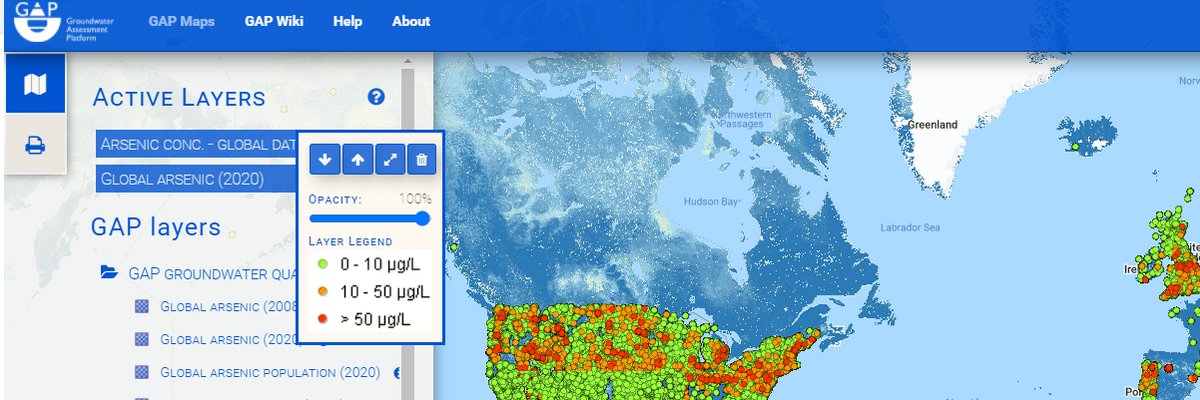
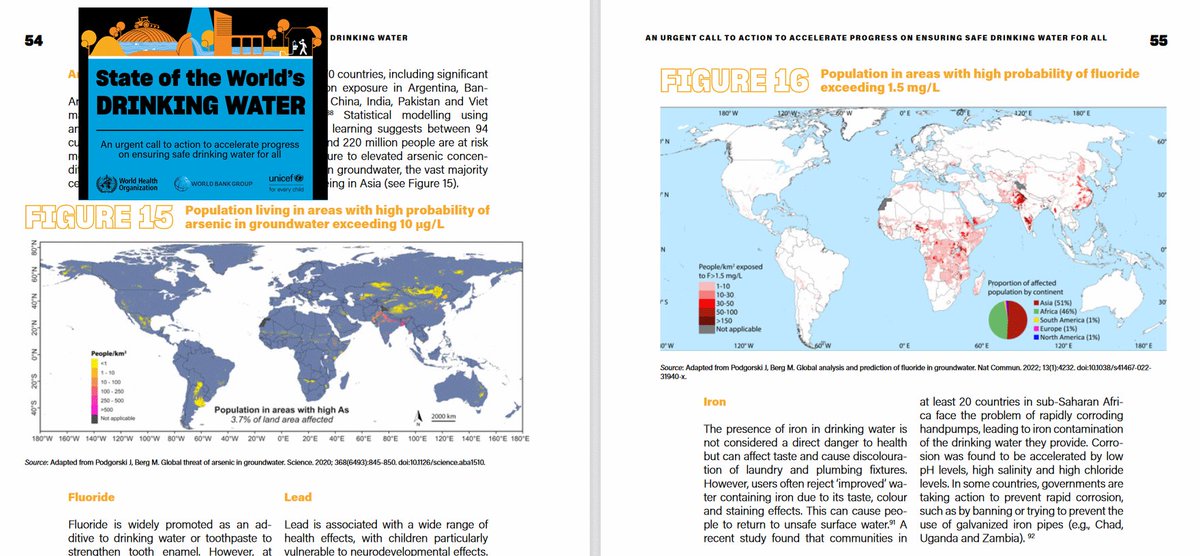
Contamination of #groundwater by #fluoride and #arsenic remains a challenge🌍🚰A NEW REPORT by @WorldBank, @WHO & @UNICEF on "State of the World's Drinking Water" includes our maps estimating the world's fluoride and arsenic-affected population
👉 https://t.co/qRw6WZfpK4
The @gapmaps team welcomes the strengthened cooperation between Switzerland and @IAEAorg in groundwater research.
Learn more 👉
https://t.co/K5T6JT6dlx
https://t.co/11EE8N8tDK
@gapmaps@EawagResearch
On September 19th at 20:30-21:00(UTC+8), Prof. Michael Berg and Dr Joel Podgorski will present online at the 49th IAH Congress “Machine Learning Application in Geospatial Risk Modeling of #Groundwater Quality”
@gapmaps@EawagResearch
https://t.co/SnhRMlDPW3
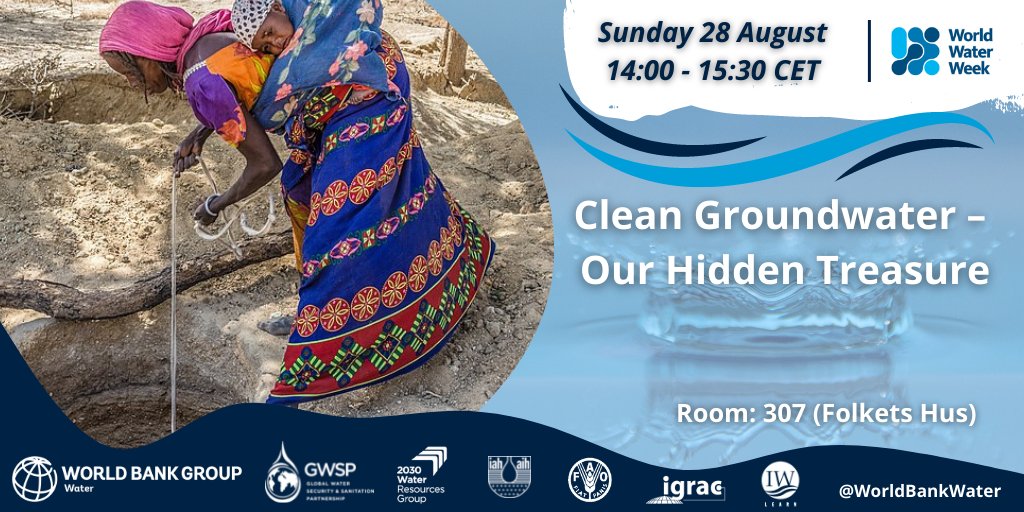
Getting set to attend the 2022 #WorldWaterWeek, @siwi_www?
Join the upcoming virtual session on #GROUNDWATER: Bridging science and policy.
📅25/2/2022,
⏰17h CEST
Register: https://t.co/WaSfTeYAZW
More on the importance of groundwater in this video by @waterscipol 👇.
A new groundwater source can be transformative, but what if it is polluted, unusable?
This #WWWeek session aims to create greater awareness of the societal value of protecting groundwater quality: https://t.co/pbnTngfZrA @FAO@theGEF@iahgroundwater@UNIGRAC@IUCN@siwi_www
Groundwater contamination is far more widespread than previously believed, both because of human activities on the surface and also as a result of natural processes.
💦 @WorldBank blog https://t.co/jhuCwJcGXK
💦 UN-Water Summit on Groundwater, 2022 https://t.co/gQ67rjbODA
Around 180 million people are potentially affected by fluoride in groundwater, most of whom reside in Asia (51-59%) and Africa (37-46%). Africa is also home to 14 of the 20 most affected countries in terms of population at risk. Learn more https://t.co/K5ZEAPCiUl
Groundwater contamination is worse than previously thought.
The way we manage it has to improve, and fast.
The @WorldBank has set out its strategic approach on monitoring groundwater quality.
Check out their new ‘Seeing the Invisible’ report: https://t.co/9aHjcXUgOt
With the website https://t.co/KDQelDlXTb, the Friends of Groundwater wants to share information about #groundwaterquality. To ensure that we can offer you high-quality content, we opened a User #Survey. Share your opinion and help us improve! https://t.co/o6uHOd79wp with @UNEP