🚨ICYMI: The Fraud Ledger is LIVE.
Watch @WHFraudTF and @USLaborIG stack the wins — fraud uncovered, schemes stopped, and money clawed back for the American people.🇺🇸
Accountability in action ➡️ https://t.co/si2Hr2gph2
"I have paused the 50% Tariffs against Canada, that were scheduled to kick in tomorrow morning for a three day period, based on the fact that Canada and the U.S.A., subject to the finalization of documents, have a DEAL! The great Keystone XL Pipeline, long ago killed by Sleepy Joe Biden, may be awoken from the grave!" - President Donald J. Trump 🇺🇸
Why AC/DC Still Rocks Nursing Homes
There is something powerful about watching a room full of older adults light up when “Highway to Hell” starts playing. In the viral video from Wadsworth, Ohio, seniors move with surprising energy, laughing, dancing, and fully inhabiting the moment. Some lean on walkers or canes, yet the music seems to override physical limitations. This is not just entertainment. It reflects deeper neurological, emotional, and social processes that make familiar rock music especially effective in elder care settings.
Much of the impact comes from the way music from youth is stored in the brain. For many residents now in their seventies, eighties, and beyond, AC/DC formed part of the soundtrack of their late teens and early adulthood. Songs from that formative period become tightly linked to personal identity and autobiographical memory. Even when short-term memory fades or dementia progresses, these earlier musical memories often remain relatively intact. Hearing a track like “Highway to Hell” can reopen emotional pathways that everyday conversation no longer reaches, briefly restoring a sense of continuity with a younger, more vigorous self.
The music also triggers a clear biochemical response. Upbeat, high-energy rock stimulates the release of dopamine, the neurotransmitter associated with pleasure, motivation, and reward. This chemical shift improves mood, reduces feelings of apathy or mild depression, and creates a temporary sense of vitality. In environments where days can feel repetitive or isolating, that surge of positive affect is more than pleasant—it is restorative.
Physical movement follows naturally. The steady, driving beat of classic AC/DC tracks provides a clear rhythmic structure that supports what researchers call rhythmic auditory stimulation. The body tends to entrain to the pulse, making it easier to step, sway, or dance. Even limited movement improves circulation, maintains joint mobility, and strengthens the connection between intention and action. What looks like simple fun is also gentle, motivating exercise that many residents would not initiate on their own.
Beyond the individual, the shared experience builds social connection. When an entire group responds to the same song, barriers of age, health, or personality soften. People make eye contact, smile at one another, and participate in a collective moment of joy. In residential care, where loneliness is a persistent risk, these spontaneous gatherings reinforce a sense of belonging and shared humanity.
The combination of memory activation, mood elevation, physical engagement, and social bonding explains why rock music from residents’ younger years often succeeds where quieter or unfamiliar music does not. It does not treat the elderly as fragile beings who need only soothing sounds. Instead, it treats them as people who once danced, shouted along with choruses, and felt fully alive—and who can still access that feeling when the right song plays.
The result is more than a lively afternoon. It is a reminder that identity, energy, and connection do not disappear with age. Sometimes they only need the right soundtrack to return.
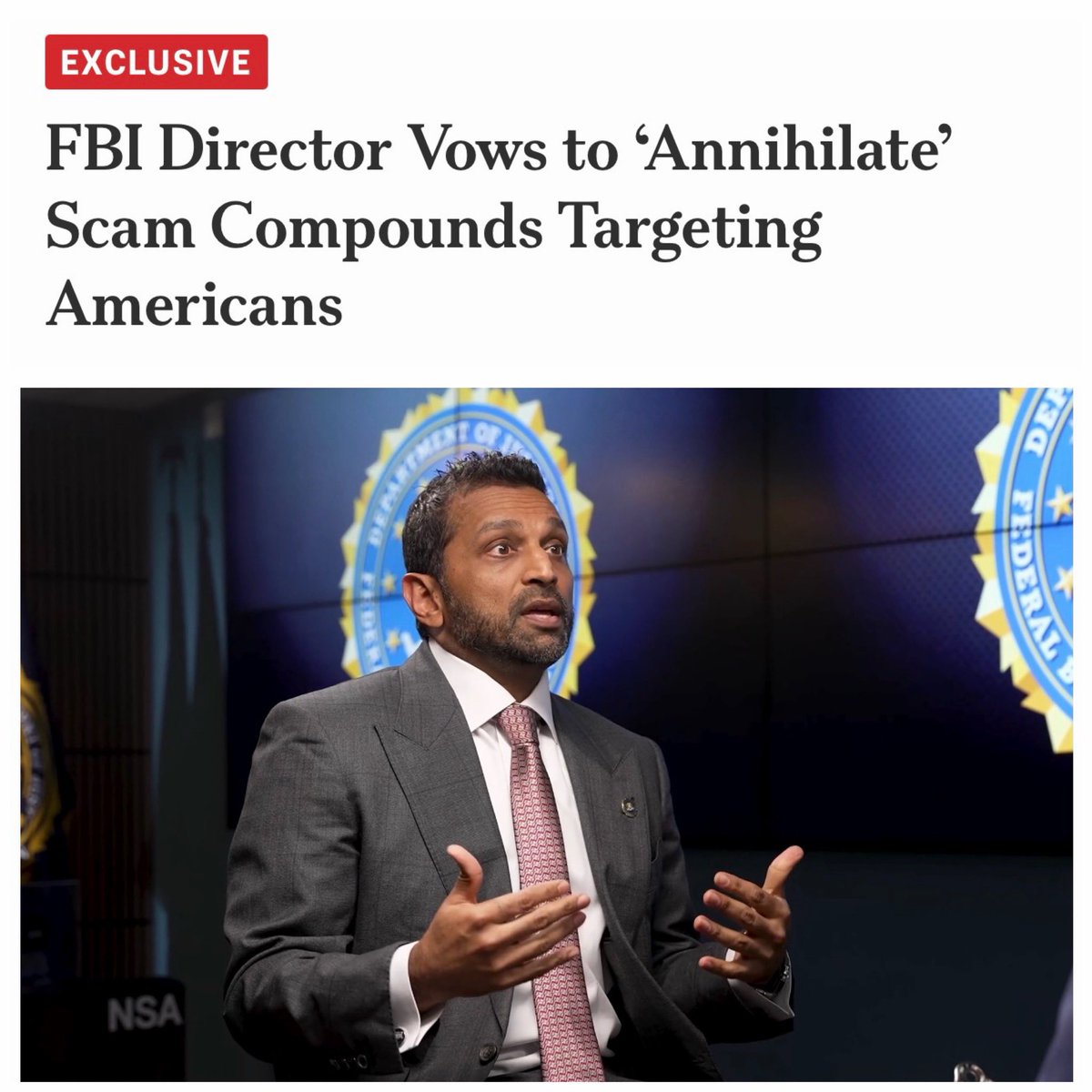
Under President Trump’s leadership, this FBI is taking the fight directly to the global scam networks stealing Americans’ life savings.
Operation Blackout is delivering historic results:
→ $15.2 BILLION in illicit assets seized
→ Dozens of scam centers dismantled
→ Hundreds of criminals arrested
→ Thousands of trafficking victims freed
→ 7,500+ internet terminals shut down
→ Nearly 9,000 potential victims warned
→ $562 MILLION in estimated losses prevented
These aren’t simple call centers. They are transnational criminal enterprises trafficking human beings, laundering billions, and targeting Americans from overseas.
-DKP🇺🇸
Fraud doesn’t always look like a crime.
Sometimes, it looks like a message. A call. An opportunity that feels too good to miss.
Learn more about this crime and UNODC’s role in combating it: https://t.co/sIbomCBdDg
.@FBIDirectorKash: 'No Safe Haven' for Gangs Defrauding U.S. Seniors
The fight against transnational criminal organizations goes beyond narcotics trafficking. Today, FBI Director Kash Patel highlighted a major effort targeting fraudsters allegedly targeting older Americans through fake timeshare schemes. Through interagency partnerships, this FBI is pursuing justice, recovering assets, and protecting vulnerable Americans.