Nick Mole—from Pesticide Action Network, which wants to see #glyphosate banned—understands officials are considering a one-year extension while the UK-EU sanitary & phytosanitary agreement develops, after which GB would align with EU rules on #pesticides. https://t.co/akt9jKBoY1
Wageningen University “should not speak on behalf of everyone on the issue of gene editing.” 42 Wageningen researchers object to the use of the university’s name in submission supporting the deregulation of new GMOs. https://t.co/d3iKDVGBf1
Organizations in Oaxaca warn of ecological disaster due to the RNA biofungicide the Mexican govt is promoting. They say the use of different forms of genetic engineering of crops, insects, and other organisms represent new environmental dangers. https://t.co/qogT0Igwwc
The post below is horseshit. @GMWatch's account has been hacked in a #SecurityBreach#AccountTakeover and this post seems to be part of an active crypto investment scam. #X's @Support hasn't secured the account despite appeals for help. More at https://t.co/waGAafxHs8 #CryptoScam
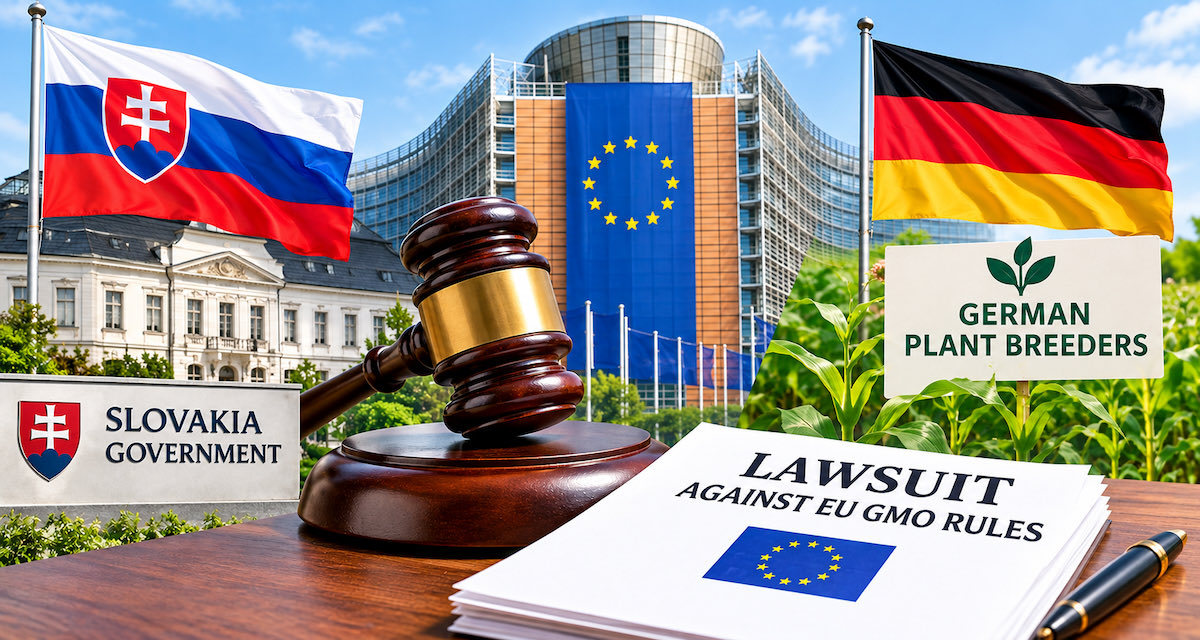
🌱🧬☣️ Two lawsuits directed against new EU rules for a new generation of GMOs (so-called #NewGenomicTechniques NGTs)
🇸🇰 Slovakia government &
🇩🇪 German organic plant breeders sue
🇪🇺 EU over new GMO rules
➡️ https://t.co/y8QcGVFq4r ⚖️
#StopGMO#StopNewGMO#NGT@GenEngNetwork
Study Links Glyphosate to Higher Risk of Preterm Birth. Every threefold increase in #glyphosate residue level meant about 35% higher odds of preterm birth overall; when you home in on spontaneous preterm birth, the odds roughly doubled. https://t.co/DPzDAb3LMZ
📩 Over 500 scientists, practitioners, and public health and environmental officials have raised concerns about the rapid pace for the Food and Feed Safety Omnibus, the EU Commission’s proposal to loosen #pesticide regulations.
https://t.co/SdoKIQUiKB
Join us for a high-level conference bringing together policymakers, scientists, civil society & key stakeholders to discuss how EU legislation can best safeguard health, water quality & biodiversity while supporting a sustainable agricultural transition.
https://t.co/PW320lCvBV
We were right‼️ Conspiracy theorists were right‼️
The new FDA data mining report shows they all conspired to hide from the public the Covid vaccine having 25 major side effects.
Senator Ron Johnson’s Senate PSI Majority Staff Interim Report on FDA Data Mining and Dr. Ana Szarfman’s Analysis Released March 2021
The standard FDA system had a “masking” whereby signals from Pfizer and Moderna were said to have “cancelled each other out”
Meaning they lied and hid the side effects from the public and told you it was 100% safe and effective
I’ve compared the whole list for you:
Neurologisch & Dysautonom
• Bell’s palsy (Signal Off)
• Ear Paresthesia (Suppressed signal)
• Bradykinesia (Decreased Signal)
• Basal ganglia stroke (Depressed Signal)
• Cerebral artery occlusion (signal suppressed)
• Thalamic stroke
• Irregular sinus rhythm
• Agonical beat
• Spasm of diaphragm
• Dementia (Pfizer)
Heart
• Sudden cardiac death (Low Signal)
• Signal loss (Acute left ventricular failure)
• Diastolic dysfunction (Reduced Signal)
• Abnormal ejection fraction (Suppressed Signal)
• Hypertensive emergency (Signal Suppressed)
• Changes in systolic blood pressure (Suppressed Signal)
• Aortic stenosis (Blanked Signal)
• Congestive heart failure
• Myocardial Infarction, Acute (Pfizer, Moderna)
• Abnormal cardiac telemetry (Pfizer) (Signal suppressed)
Vascular & Pulmonary
• Pulmonary infarction (Low Signal)
• Stroke, embolic
• Ischemic stroke
• Ruptured aneurysm of aorta
• May Thurner syndrome,
• Hypomagnesemia (Signal Suppressed)
Other
• Acute cholecystitis (Suppressed Signal)
• Abnormal AST/ALT Ratio
• Mastoiditis
• Cardiac assist device user
• Increased brain natriuretic peptide
• Asymptomatic COVID-19 (Pfizer) (Suppressed Signal)
According to the FDA’s standard analytical approach, statistical safety signals in the data were allegedly obscured
They lied AKA
Wednesday 23rd Sept. 12:45pm - 2:00pm. Parliament Steps, 1 Molesworth St, Wellington.
Moo-vement organised by No Harm To Food NZ.
Invites addressed to MPs will provide an opportunity to come and speak to the public on these important GE bills facing New Zealanders.
3 x bills moving through parliament are:
Gene Tech Bill
HSNO Amendment Bill
ACVM Bill
All three of these legislative proposals move in lockstep to loosen up New Zealand’s gene tech laws into one of the most permissive genetic modification regimes in the world, with huge implications around the safety of our natural food, human health and our premium export reputation as a GE / GMO FREE food producer globally.
No Harm To Food is citizen-led, not affiliated with any political parties and does not endorse any party. We are party-neutral and believe food and the environment are above politics.
Their participation does not constitute endorsement - it is for public clarity and safety.
You have a voice. Make sure you use it!
And if you can’t be there, you CAN share this far and wide!
Thank you all!
KEEP GE IN THE LAB, NOT OUR FOOD. ✋
I interviewed the former chief toxicologist for Pfizer, Helmet Sturz. In this clip, he reveals how Pfizer literally used human beings as medical experiments by launching drugs first, and then gathering data about drug safety only AFTER the launch. Sturz is the author of the new book, "The Vaccine Mafia."
This is an absolute dream team. Regenerate America and cure chronic disease by restoring soil health! It will all come together. Thank you @RepLuna@SecKennedy