Chair, Global Center for Immunotherapy, Cleveland Clinic Health System, @ClevelandClinic; Professor of Medicine; fan of tennis, coral reefs, Legos; views my own
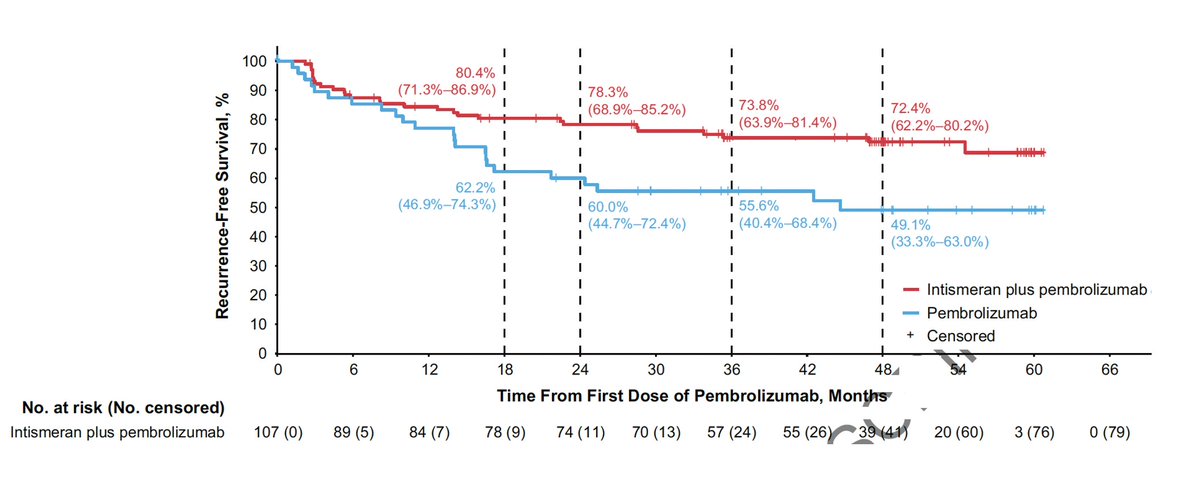
Another major advance vs cancer! @ASCO#ASCO26
Personalized neoantigen mRNA vaccine 5 year follow-up vs metastatic melanoma reduced recurrence and death by 49% (on top of Keytruda)
https://t.co/NadITTYIT2
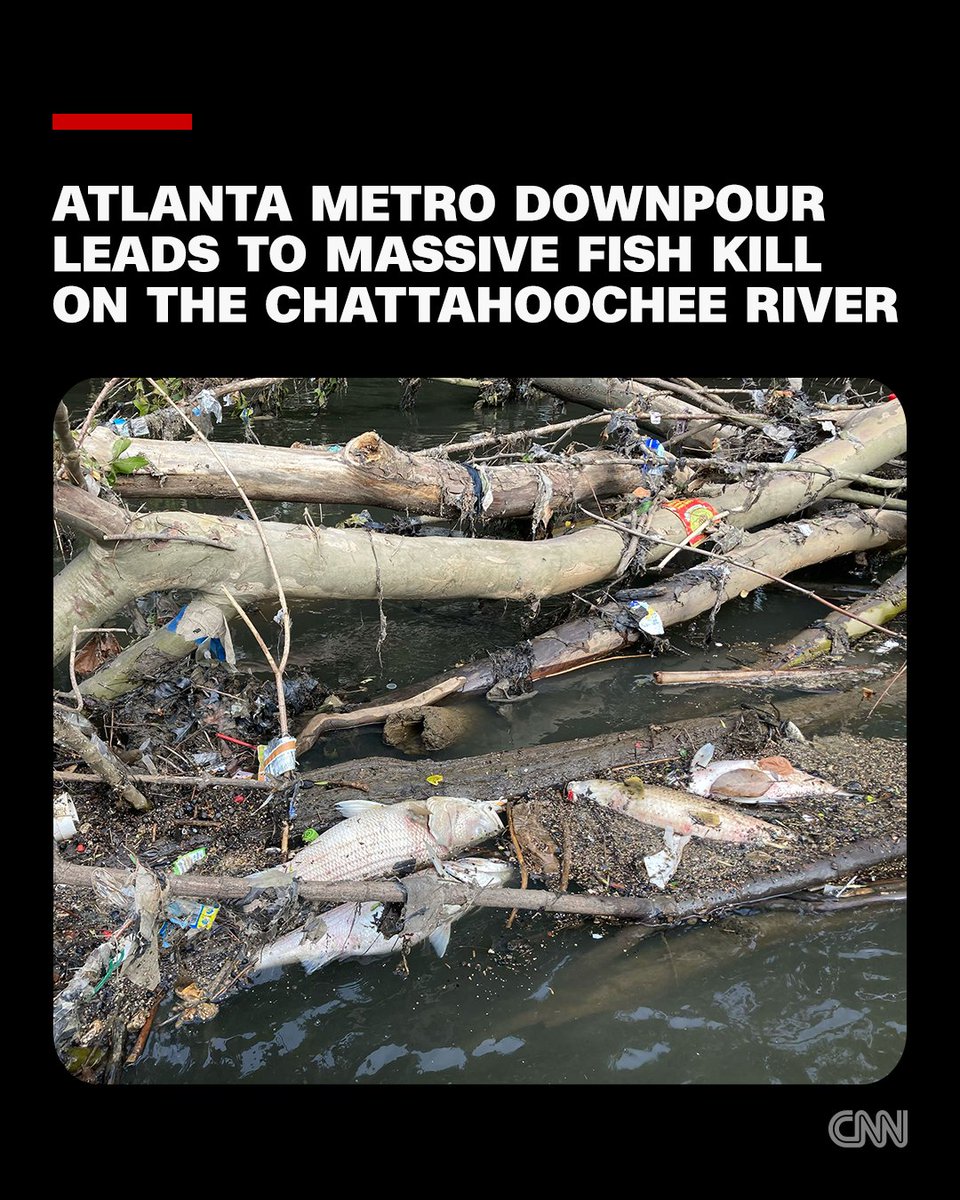
Chattahoochee Riverkeeper executive director Jason Ulseth estimates thousands of fish, some weighing 20 to 30 pounds, are dead along a roughly 20-mile stretch of river following an intense thunderstorm that dumped three inches of rain per hour last Wednesday. https://t.co/ivtJZFVIEq
People often ask how breakthroughs occur in cancer biology-often the story is more complex - the survival plot for myeloma outcomes is extraordinary - improvements come about in incremental steps - in my lifetime treatment of Myeloma has almost transformed into a curable disease
Colorectal cancer rates in adults under 50 have doubled since the late 1980s.
One in five colorectal cancer diagnoses now occurs in someone under 55, up from one in ten in 1995.
A new study highlights the most concrete factor responsible for this trend.
Using DNA methylation profiles as molecular records of lifetime exposure, the authors compared cancer patients under 50 with patients over 70 and identified the herbicide picloram as a significant new risk factor.
There are converging lines of evidence.
The picloram exposure signature was significantly elevated in early-onset tumor tissue and replicated across nine independent patient cohorts. Across 21 years of US county-level data spanning seven states, higher picloram use tracked higher early-onset CRC incidence, and the signal held after adjusting for income, education, and the use of other pesticides.
Picloram associated tumors also showed a distinct molecular profile, with APC mutations at 74% versus 90% in low-exposure tumors, suggesting these cancers follow a different biological pathway than classical CRC.
Picloram entered commercial use in 1964. Patients now diagnosed in their 70s were already adults before meaningful exposure was possible. Patients now diagnosed in their 30s and 40s were exposed across childhood and adolescence, the developmental windows when epigenetic programming is most plastic.
This study delivers the first triangulation of molecular, ecological, and temporal evidence pointing at a specific environmental driver of one of the steepest cancer trends in modern epidemiology.
Paxlovid ineffective in vaccinated adults across two large randomized trials showing no reduction in hospitalization or death
Nearly two years to publish this null finding! 🤔
https://t.co/3NK7I5lVoK
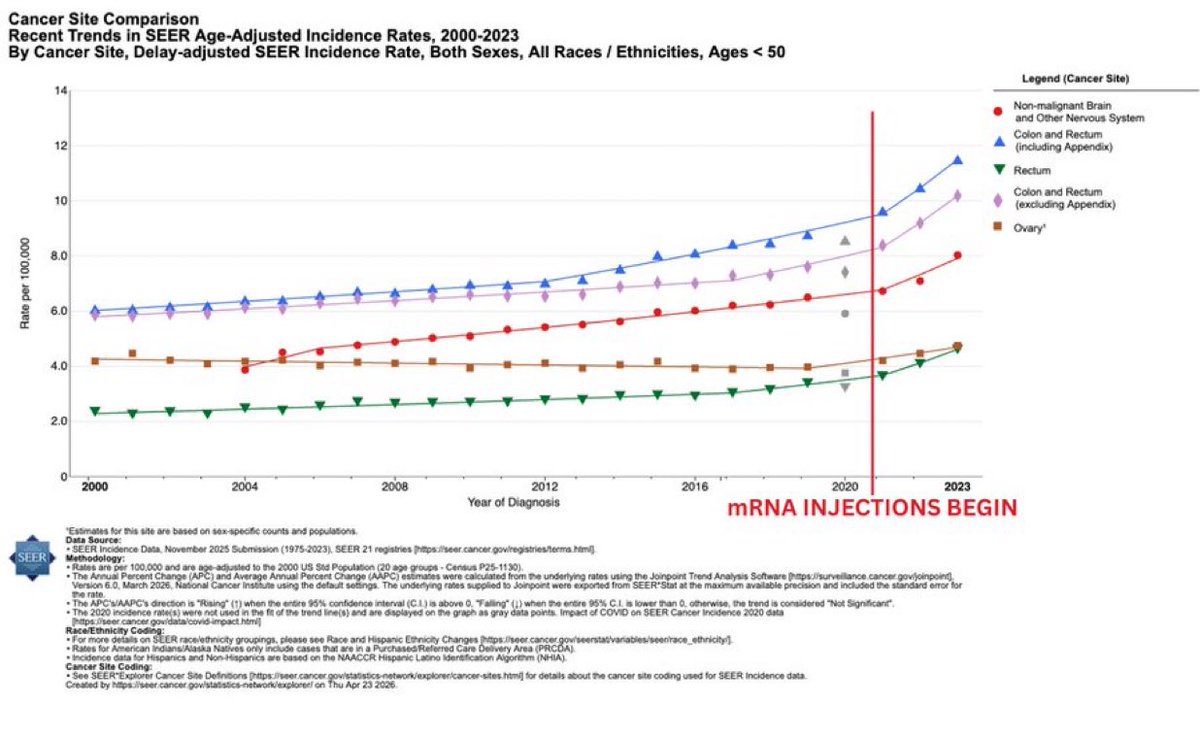
NEW U.S. GOVERNMENT CANCER DATA
Cancer in those under 50 overall jumped ~6.4% from 2021 to 2023.
BRAIN TUMORS: +19.5%
COLON/RECTAL CANCER: +19.4%
SMALL INTESTINE CANCER: +15.5%
OVARIAN CANCER: +12.8%
STOMACH CANCER: +7.3%
BREAST CANCER: +3.6%
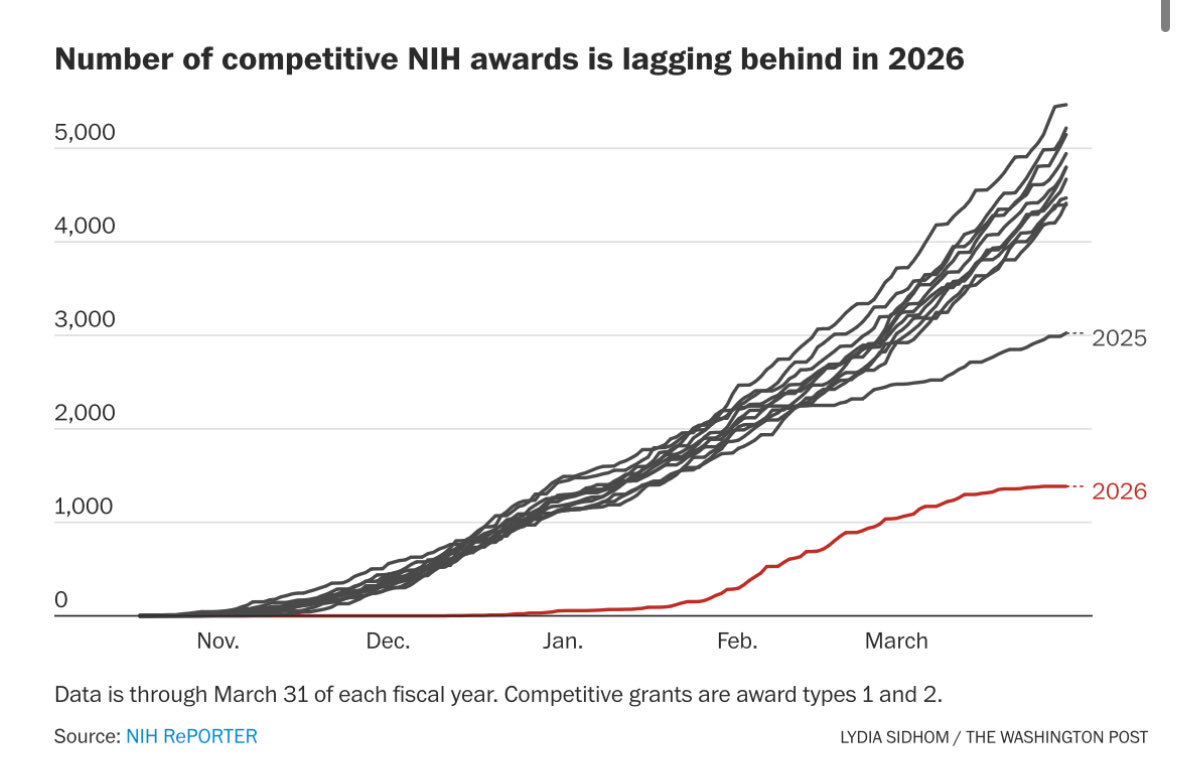
NEW: NIH spending on new medical research has fallen roughly $1 billion behind the pace of years past, delaying thousands of scientific projects.
@benjmueller@irenatfh
https://t.co/heHMEJlILE
Are we losing the next breakthrough before it has a name?
7,899 NIH R01s expire in 2026.
That’s ~$4.1B at risk.
We’re celebrating daraxonrasib (rightfully).
But that result sat on decades of funded R01 science.
Here’s the disconnect:
“Money is flowing..” says NCI leadership.
Only thing flowing for most PIs is time.
Labs don’t run on reassurance.
They run on continuity.
With R01s rolling off without replacement:
⇣ staff are cut
⇣ experiments stalled
⇣ trainees lose footing
⇣ early-career scientists disappear
May–June is the breaking point.
Daraxonrasib is what a funded runway produces.
This chart is what happens when you thin it.
We ain't “slowing” some breakthroughs,
we're basically erasing them before they exist.
Source: NIH RePORTER via @Jori_health
Japanese actor Hiroyuki Sanada spoke about the contradictions of human nature:
“Some people dream of having a swimming pool at home, while those who have one hardly ever use it. Those who have lost a loved one feel a profound sense of loss, while others often complain about their living relatives. Those without a partner long for one, while those who have one often don't appreciate it. The hungry would give anything for a meal, while the satiated complain about the taste of their food. Those without a car dream of owning one, while those who have a car are always looking for a better one.”
The key to happiness is gratitude: truly seeing and appreciating what we already have, and understanding that somewhere, someone would give anything for what we take for granted.
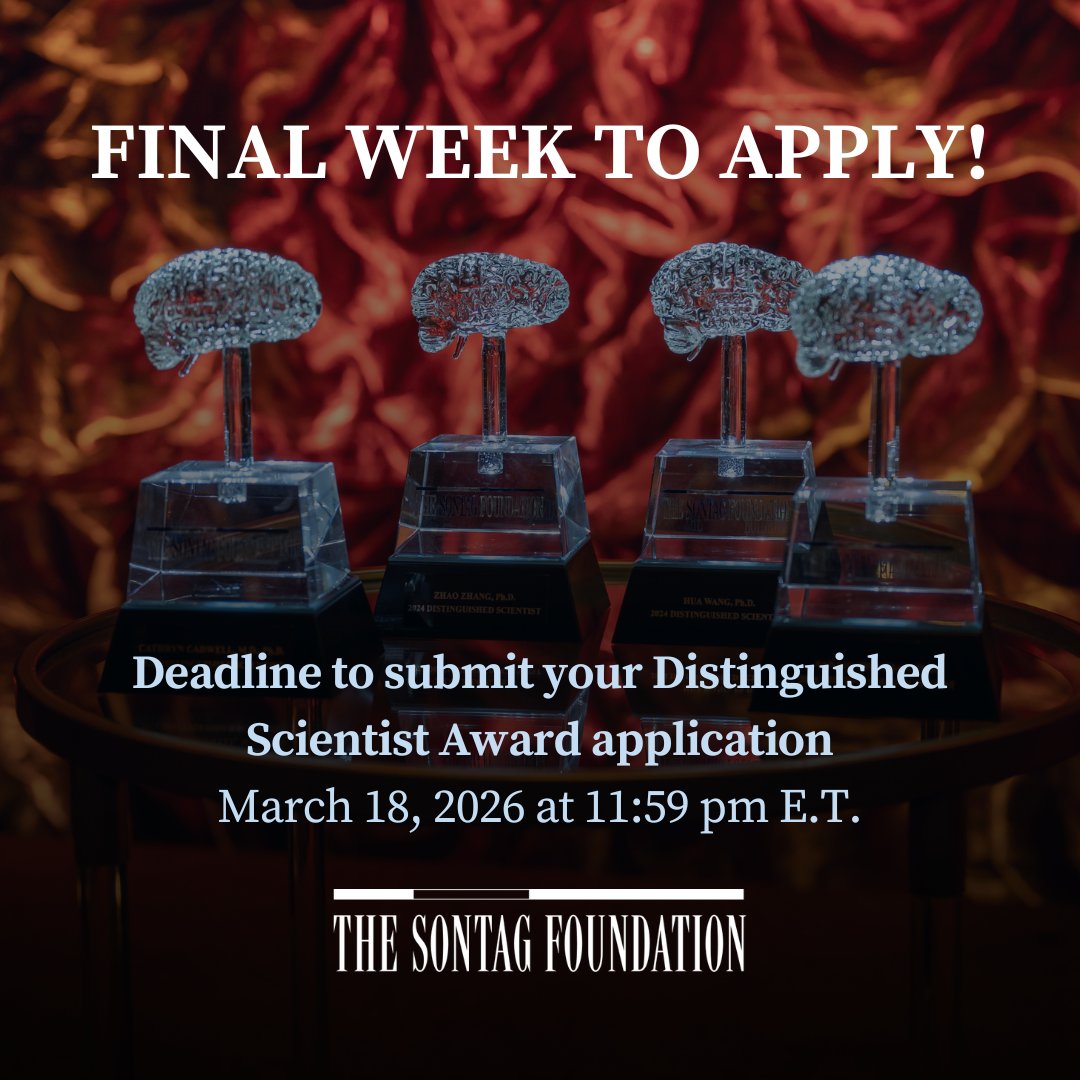
There is only one week remaining before The Sontag Foundation Distinguished Scientist award application portal closes.
Application guidelines can be found here: https://t.co/Mk0MZgkBcx
Additional questions? Contact Shandra Koler at [email protected] for assistance.
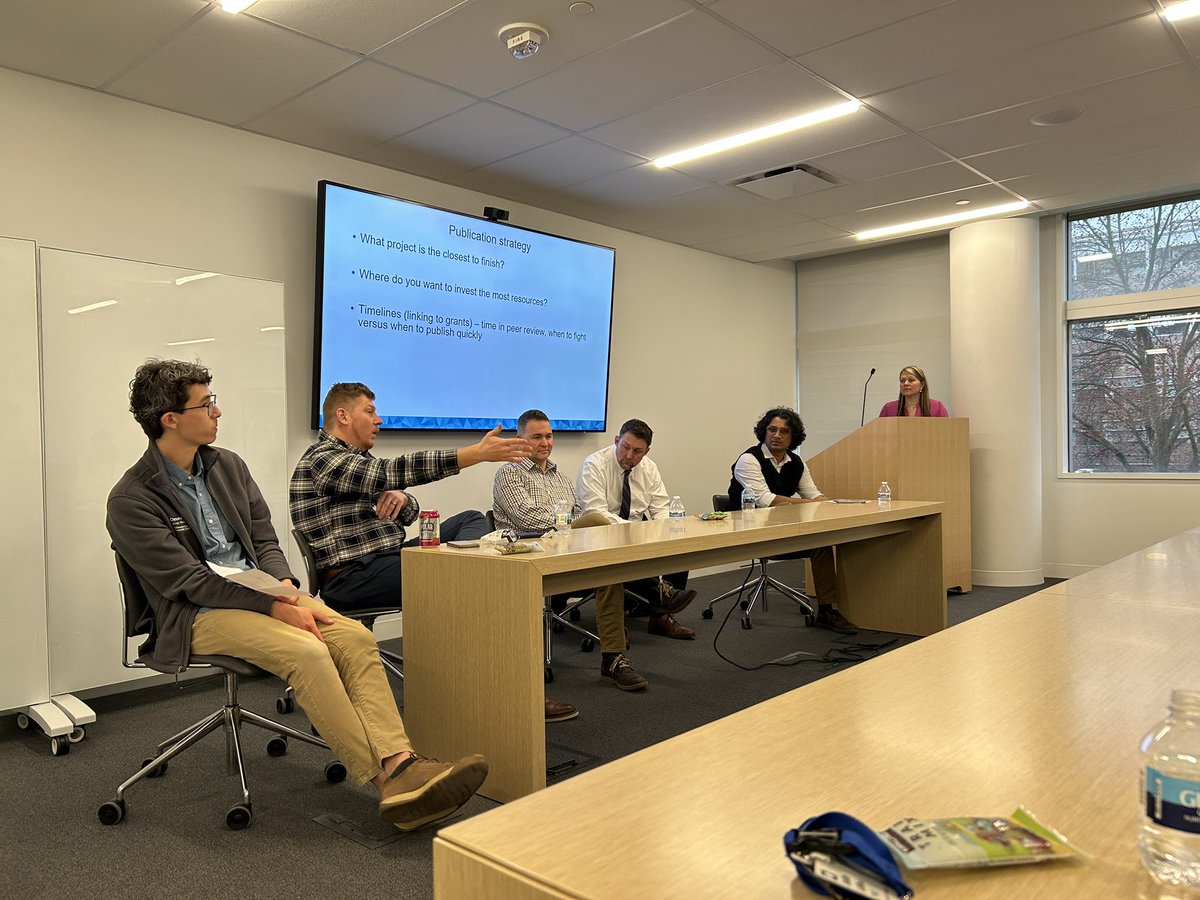
Great week of our @ClevelandClinic@CCLRI Faculty Center Bootcamp on how to find an academic job; thanks to all the panelists (Apollo, Mike, Brian, Evan, Rishi) and co-organizer @longworth724 - looking forward to preparing our trainees for the next round of interviews!