The ability to visualize word recognition and predict reading comprehension comes from our cognitive processes associated with working memory. The brain works in many different ways, it’s amazing! 🧠
@KrashenStephen In other words, how many words do you think a person knows (vocabulary breadth) and how well can a person know those words (depth of vocabulary.)
The more you read, the more you can apply a wider range of reading skills. In my eyes and months of research in the psychology field, vocabulary breadth and depth of vocabulary create separate performances.
@MohammadNazzem@reid__smith@GenePOuellette@KrashenStephen If anything, reading benefits in areas of working memory, vocabulary knowledge, word recognition, reading strategies, etc. The list goes on and the next thing you know, you can start developing reading as a hobby 📙🧡
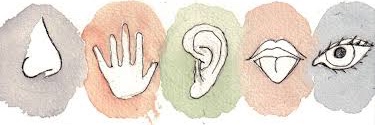
@KrashenStephen@MohammadNazzem@DavidD_Qian@reid__smith However, children can store word forms without really understanding the meaning of the word. If you want to connect this topic to a psychological way, the five sense are not as strong as the long term memory effects on spoken word retrieval.
@DavidD_Qian@KrashenStephen The ability to visualize word recognition and predict reading comprehension comes from our cognitive processes associated with working memory 🧠 Our brain works in so many different ways!
@DavidD_Qian@KrashenStephen The more you read, the more you can apply a wider range of reading skills 📚 In my months of of research in the psychology field, vocabulary breadth and depth of vocabulary create two separate performances.