🚨 New episode 🚨 - Imphal and Kohima, Britain's greatest battles! Special guest Robert Lyman will explore the strategy, commanders, fighting, and extraordinary endurance behind two of the most important—and often overlooked—battles of World War II.
https://t.co/niim2GabBi
In July 1944, an American Army dentist was treating wounded soldiers on Saipan when thousands of Japanese troops launched a desperate assault.
As enemy soldiers entered his medical tent, he fought them off and ordered his patients to escape. Then he took over a machine gun and made his final stand.
When American troops recovered his body, they reported finding 98 dead Japanese soldiers in front of his position.
This is the story of Captain Ben L. Salomon..🧵1/6
New music intro for the podcast. Just a little buffer between the opening advertisements and the episode. Hope everyone likes it! #music#openingcredits#buffer#ww2
🚨New episode🚨- The 1793 Siege of Toulon, Napoleon becomes a famous general! Special guest Charles Mackay will explore:
-Why Toulon revolted against the French Revolution
-How Britain and Spain intervened in the conflict
-Napoleon's role as an artillery commander
-The strategic importance of capturing the harbor's defensive positions
-How Napoleon's military plan helped secure victory
-The role of the Siege of Toulon in Napoleon's rise to prominence
https://t.co/vNJUxLLOuS
#toulon #siege #BritishNavy #napoleonicwars #france
In 1942, an American Navy officer watched Japanese guards beat a fellow prisoner until he was nearly dead.
More than 2,000 Allied prisoners were watching. Nobody could stop it.
Then one American stepped forward.
He offered to take the rest of the punishment himself.
The Japanese guards were so stunned that they stopped.
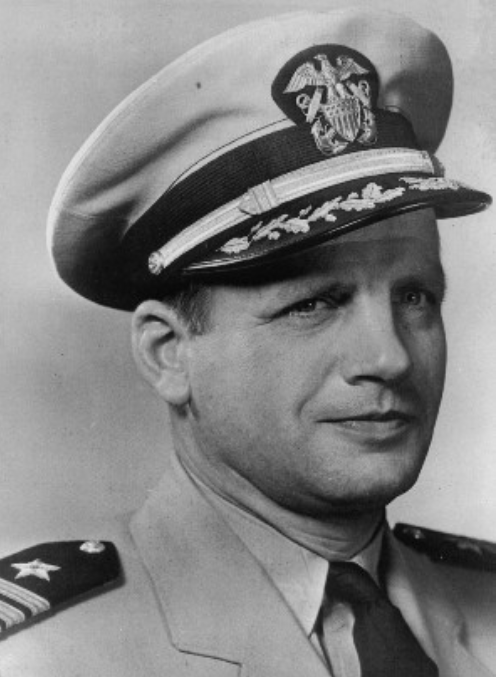
This is the story of Richard N. Antrim, the man who earned the Medal of Honor inside a Japanese prison camp..🧵1/6
🚨 New episode 🚨 - WE ARE BACK! Our first new episode in 3 years discusses the BEST MOVIES of 2026! We discuss instant classics like The Odyssey, Project Hail Mary, Spider-Man & more! Please join us for another terrific episode.
https://t.co/Cr5bsunZmd
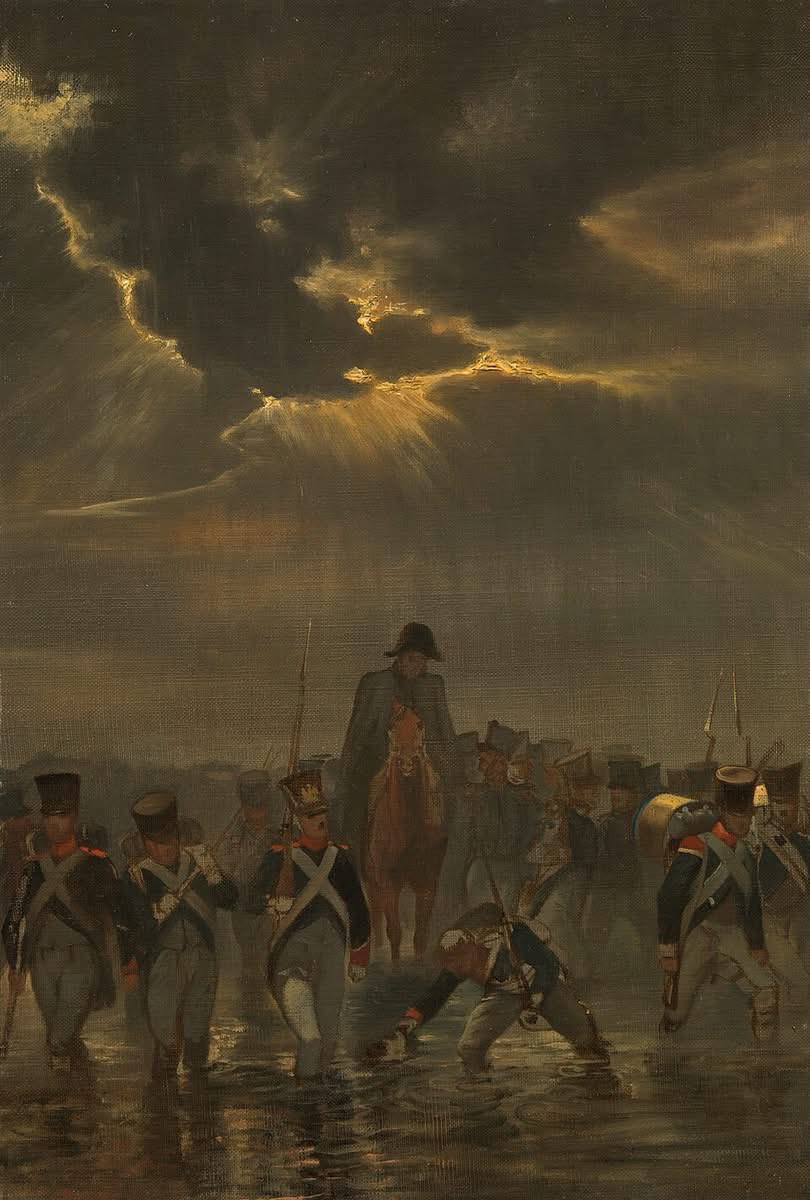
🚨 New episode 🚨 - The doomed British Walcheren expedition! Launched in 1809, the expedition aimed to destroy the French fleet at Antwerp, and weaken Napoleon's grip on Europe. Instead, the campaign became a military disaster marked by delays, poor coordination, difficult terrain, and the devastating spread of "Walcheren Fever." Special guest Jacqueline Reiter will discuss how Britain assembled a massive expeditionary force and what went wrong.
https://t.co/CgLsyPUGx4
#britisharmy #walcheren #Expedition #swamp #malaria
GI's of 22nd Infantry Regiment, resting for few moments outside a cafe in Baudienville, village lies just under 2.5 Km NE of Sainte-Mère-Église, Normandy, France. 7 June 1944.
Paratrooper PVT Harold Boye was KIA on October 6, 1944 in the Netherlands.
Harold parachuted into Normandy in the early hours of DDay, June 6, 1944 to participate in the "Great Crusade".
Surviving Normandy, on September 17, 1944 he parachuted into the Netherlands for Operation Market Garden. On October 6, 1944, PVT Harold Boye was KIA in the Netherlands.
He was brought home after the war and buried at Arlington Heights Cemetery, Audubon, lowa where his parents and some of his siblings are buried.
He was 20 years old.
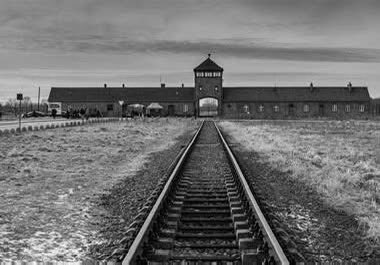
🚨 New episode 🚨 - The Holocaust. Special guest Angela Walters will explore the origins of the Holocaust, the implementation of anti-Jewish laws, the creation of ghettos and concentration camps, and the development of the so-called "Final Solution."
https://t.co/YEG8ltLejF
YOKOSUKA D4Y1-C SUISEI 🇯🇵 (“Judy”) | This carrier-based reconnaissance plane was originally developed as a high-speed dive bomber, adapted for long-range aerial reconnaissance. Photographed at an airfield historically associated with Rabaul in 1943.