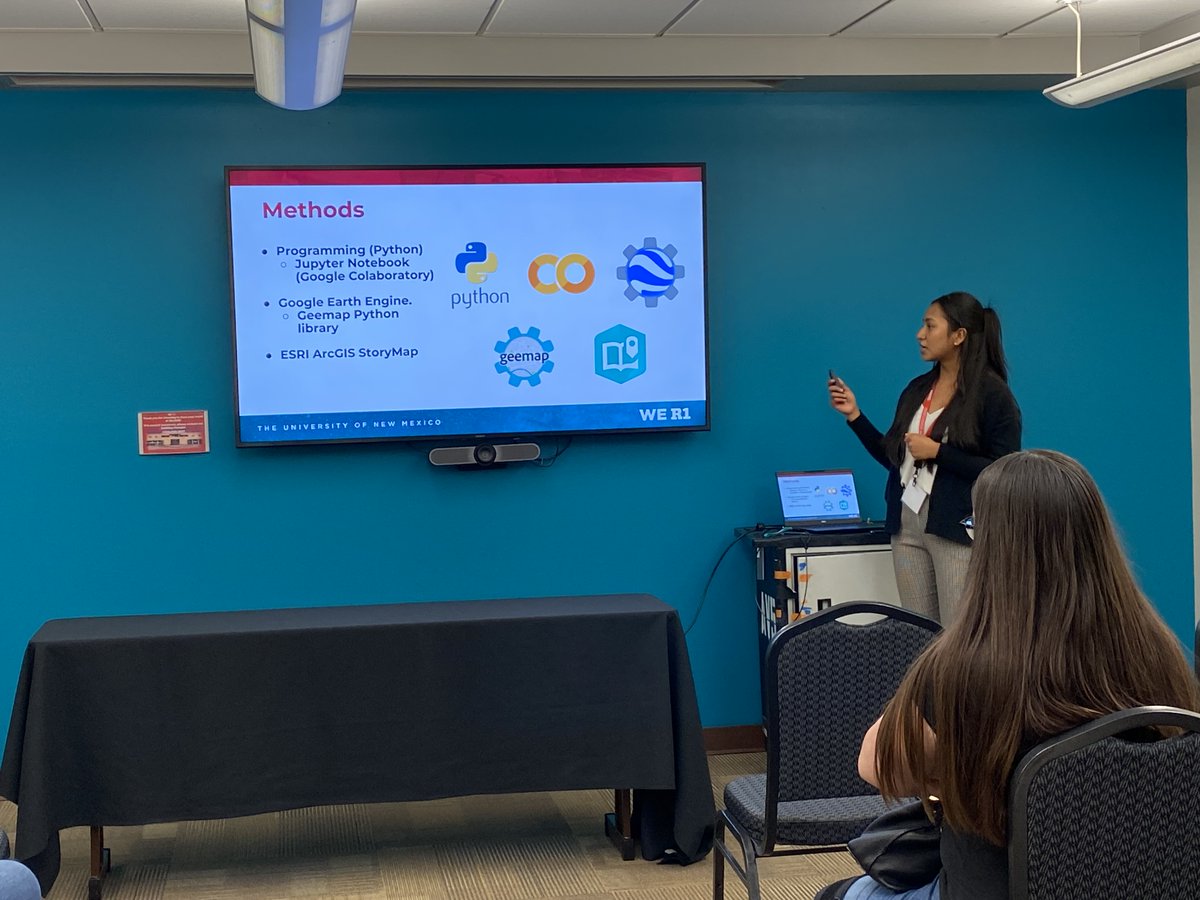
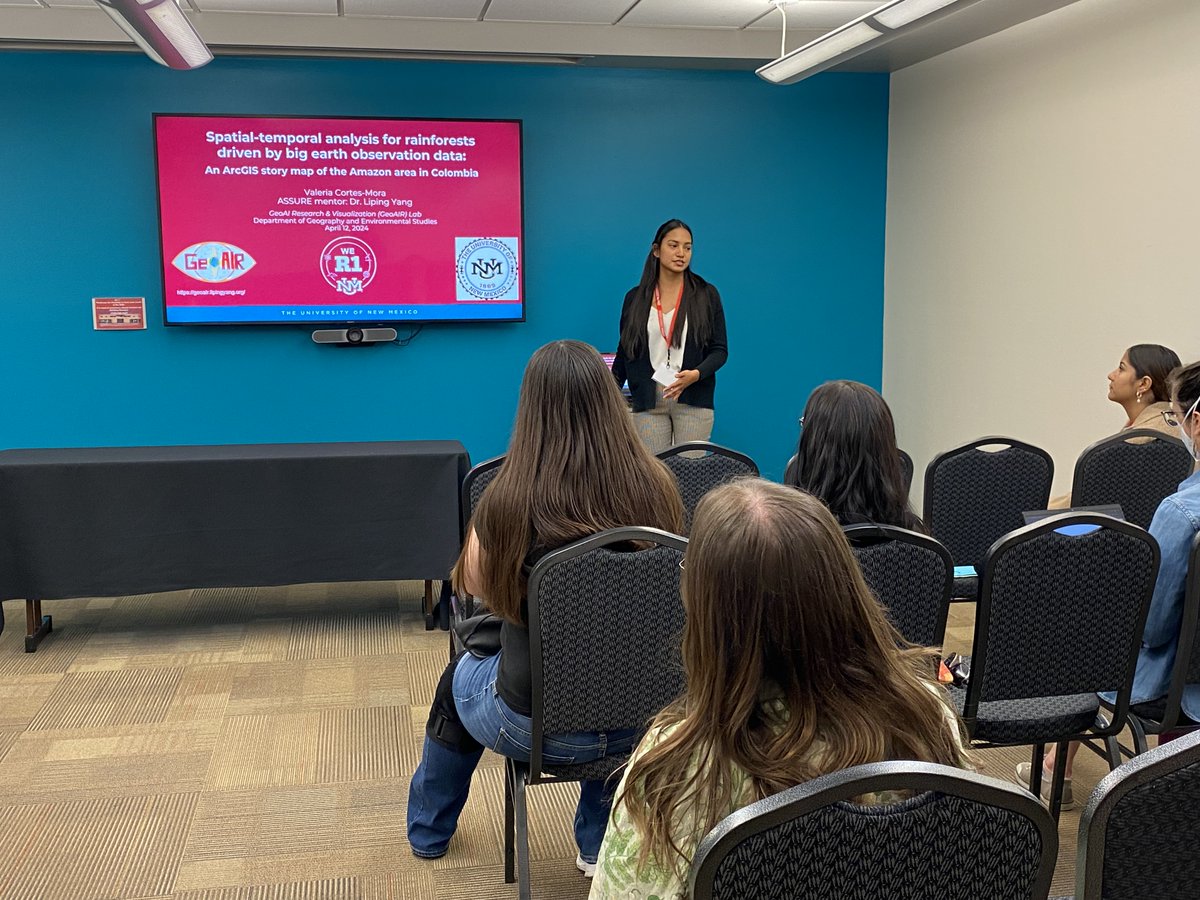
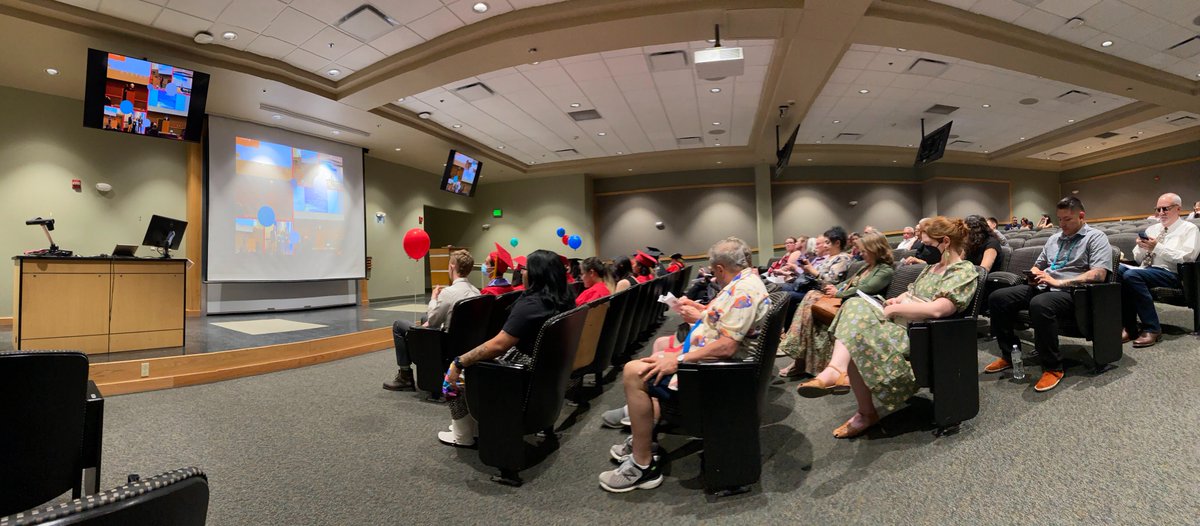
Very honored to be part of this great research panel at the University Consortium for Geographic Information Science (UCGIS) 2022 symposium at Syracuse University about the past, present and future of AI in spatial decision support!
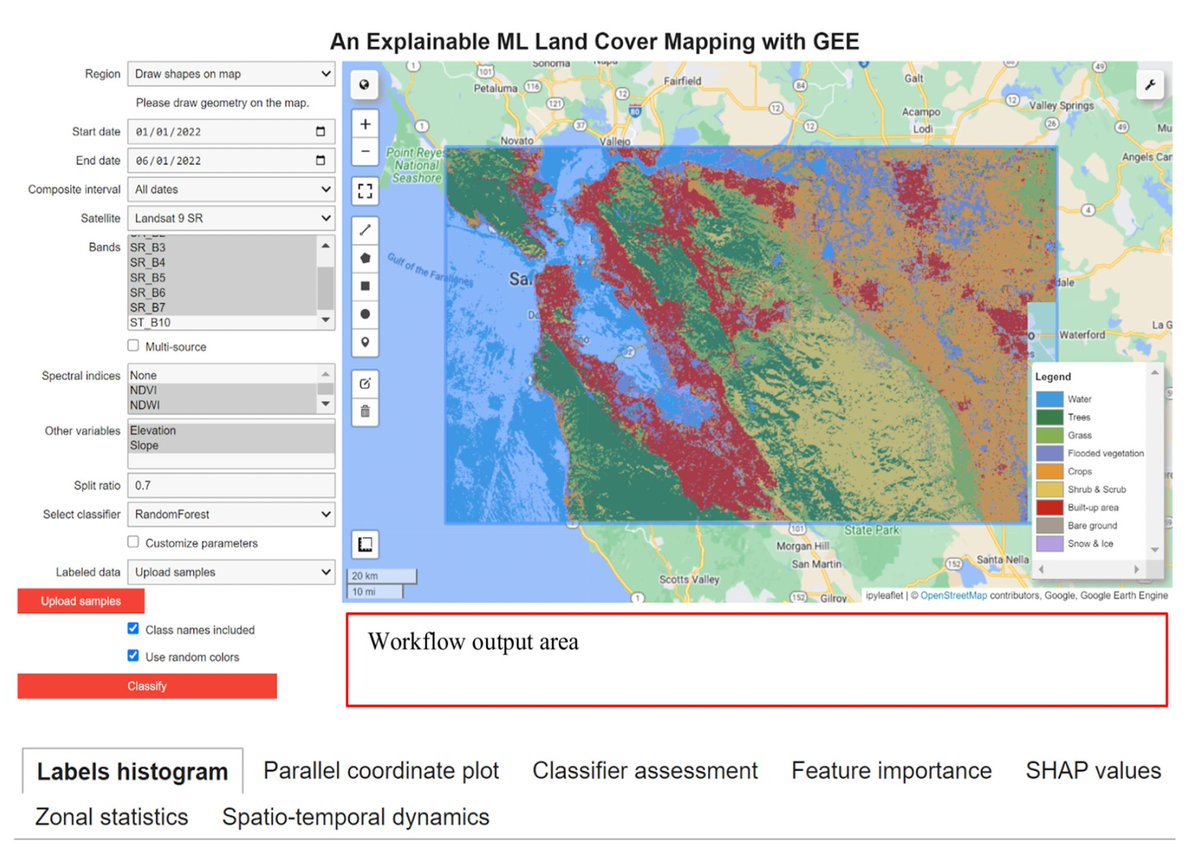
🌍🌎🌏 Enhancing #LandCover Mapping and Monitoring: An Interactive and Explainable #MachineLearning Approach Using #GoogleEarthEngine
✍️ Haifei Chen et al.
📎 https://t.co/kHFKhKdrM8
Language is primarily a tool for communication rather than thought
https://t.co/lnjn3bcx0A
“Language is a defining characteristic of our species, but the function, or functions, that it serves has been debated for centuries. Here we bring recent evidence from neuroscience and allied disciplines to argue that in modern humans, language is a tool for communication, contrary to a prominent view that we use language for thinking. We begin by introducing the brain network that supports linguistic ability in humans. We then review evidence for a double dissociation between language and thought, and discuss several properties of language that suggest that it is optimized for communication. We conclude that although the emergence of language has unquestionably transformed human culture, language does not appear to be a prerequisite for complex thought, including symbolic thought. Instead, language is a powerful tool for the transmission of cultural knowledge; it plausibly co-evolved with our thinking and reasoning capacities, and only reflects, rather than gives rise to, the signature sophistication of human cognition.”
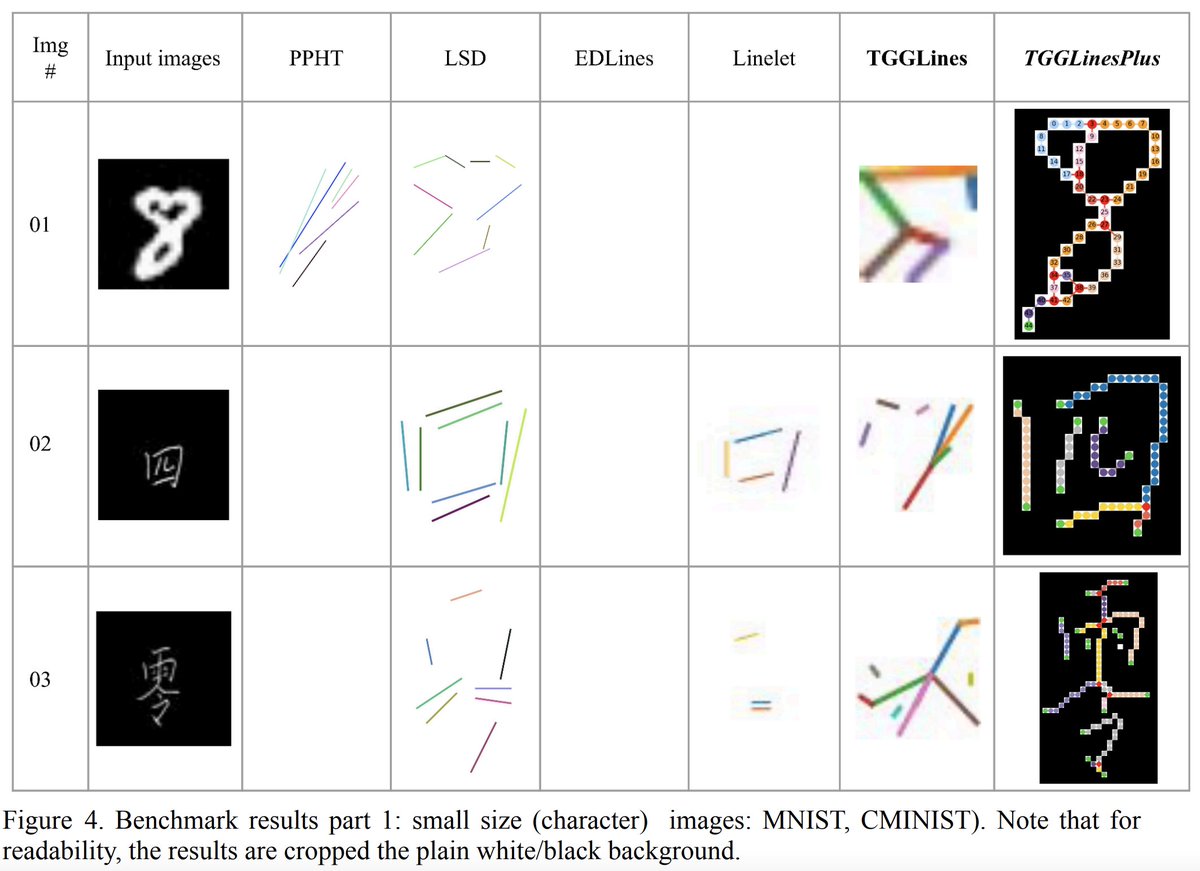
Looking for a robust algorithm for line detection or image vectorization? Check out our new and robust algorithm (with open-sourced Python implementation) at https://t.co/4hvqxs3wFl
@giswqs
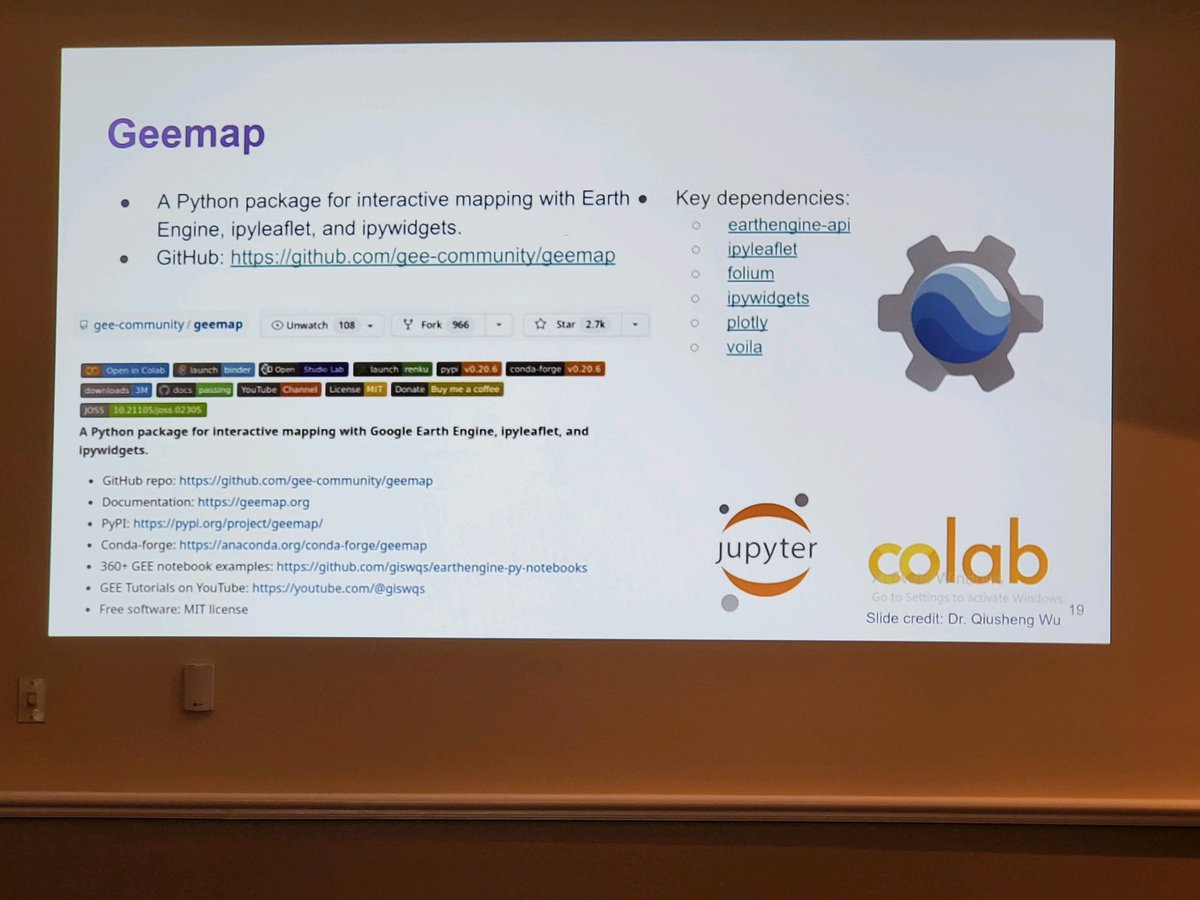
GeoAIR lab led paper "Enhancing Land Cover Mapping and Monitoring: An Interactive and Explainable Machine Learning Approach Using Google Earth Engine" is published https://t.co/Od2BXSmuXC…; accompanying code is available https://t.co/nWPwhucx0b….
@giswqs#GEE#AI#XAI#LULC
@giswqs This is the first important attempt to combine the power of GEE + XAI (Explainable Artificial Intelligence). In the paper, we use LULC classification and monitoring as two demonstrative cases, but our method and workflow is pretty flexible to adapt to other use cases.
In testimony to the US House this morning, @huggingface CEO @clem said in his opening statement that open science and open-source AI “are extremely aligned with American values and interests.” https://t.co/GQTuu2KoUQ
GeoAIR lab's very own Joshua received the outstanding graduate student award. Very well done, Joshua! GeoAIR lab's very proud of you. Very best wishes for a bright future:)
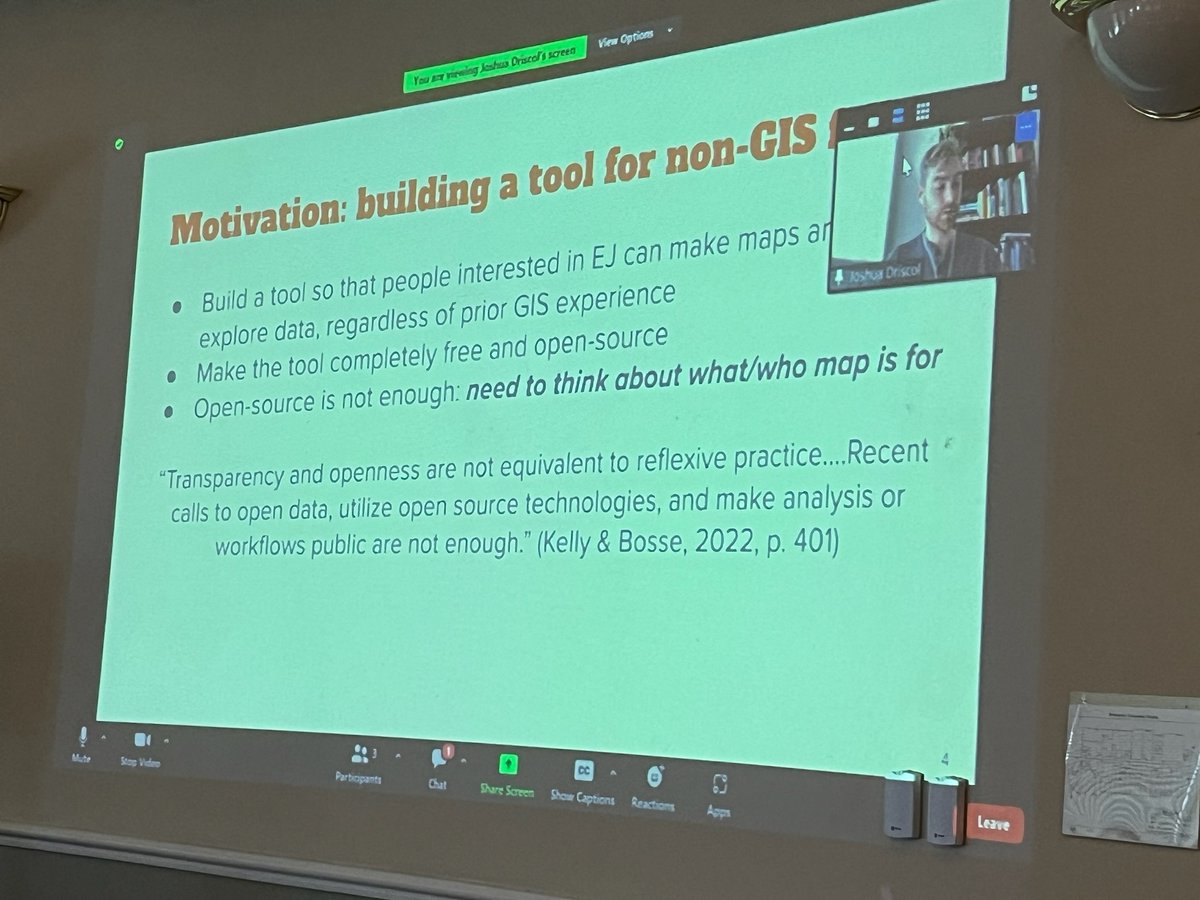
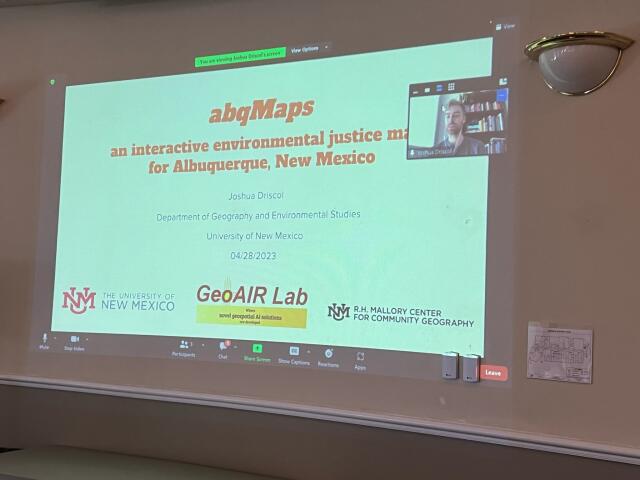
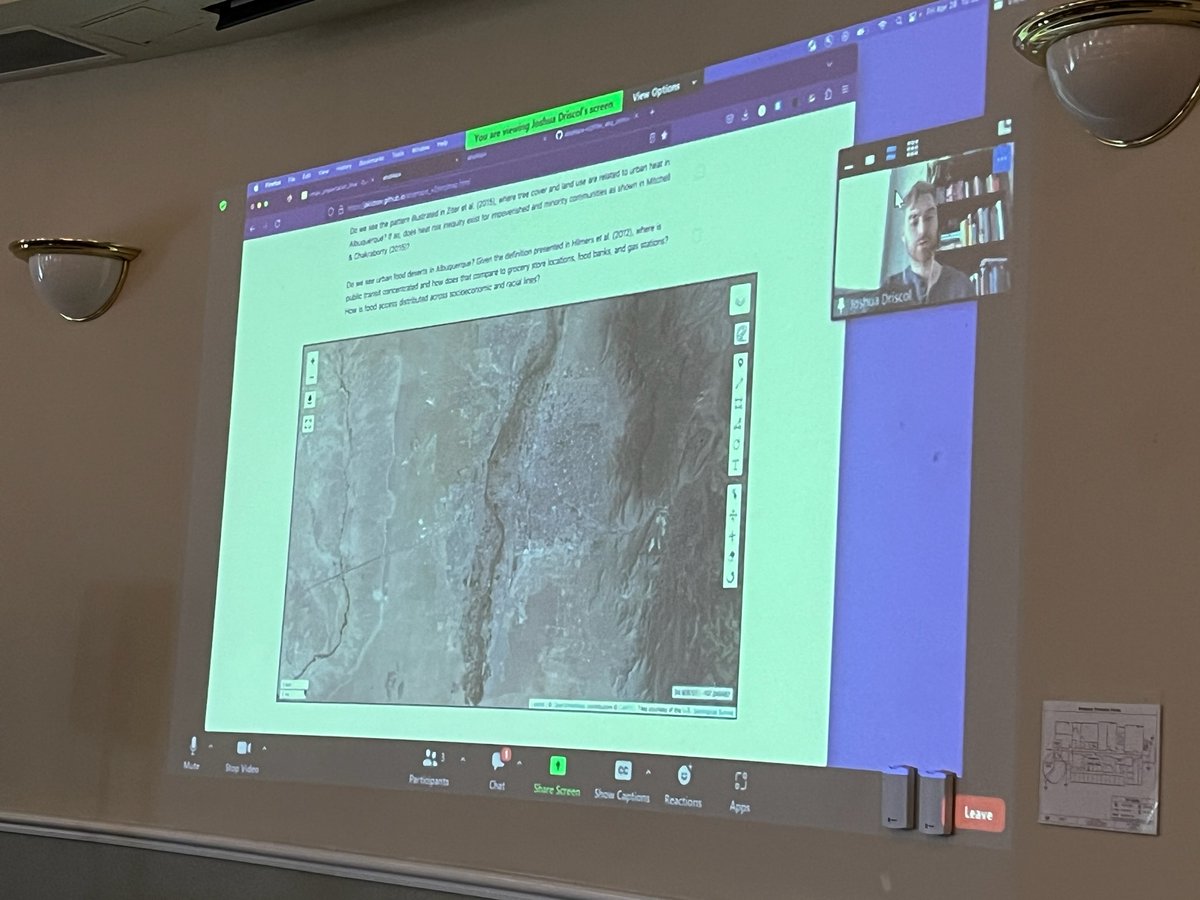
Joshua Driscol from the @UNM_GES@aspireUNM@GeoAIR_Lab is our NMGIC Scholarship awardee. Joshua is presenting a project on "abqMaps: an interactive environmental justice map for Albuquerque, NM".
Dear #ClimateChange deniers and bots
Over 99% scientist agree that #climatechange is happening and it is due to human greenhouse gas emissions
Stop telling everyone there is disagreement - as there is none!
The world is getting hotter 🌡 and it is us
https://t.co/FEmaO5u8la
#EarthDay2023#ClimateChange is about consumption of the very richest people in our global society.
50% of global emissions are emitted by just 10% of the population.
90% of global emissions by 50% of the population.
We need to recognise climate justice to save our planet
GeoAIR lab led paper "Google Earth Engine and Artificial Intelligence (AI): A Comprehensive Review" is Editor's Choice article and is one of the Highly Cited Papers, top downloaded and viewed papers! @giswqs@RemoteSens_MDPI https://t.co/x77ibL2owy
Most insightful graph…🧐
“GIScience and cartography degrees take up a larger proportion of current degree conferrals, particularly among master’s degrees”. Also a significant increase @uzh_geo @UZH_Science ☺️‼️👇🏼 https://t.co/vje7W9IabU