People automatically go to cliche explanations for South Africa's failures - corruption, racism, ethnic tension. What is overlooked in South Africa's decline is it falling down the democratic incentives failure state of ever-increasing 'cozzie livs' payments to keep its population above water as the economy degrades further.
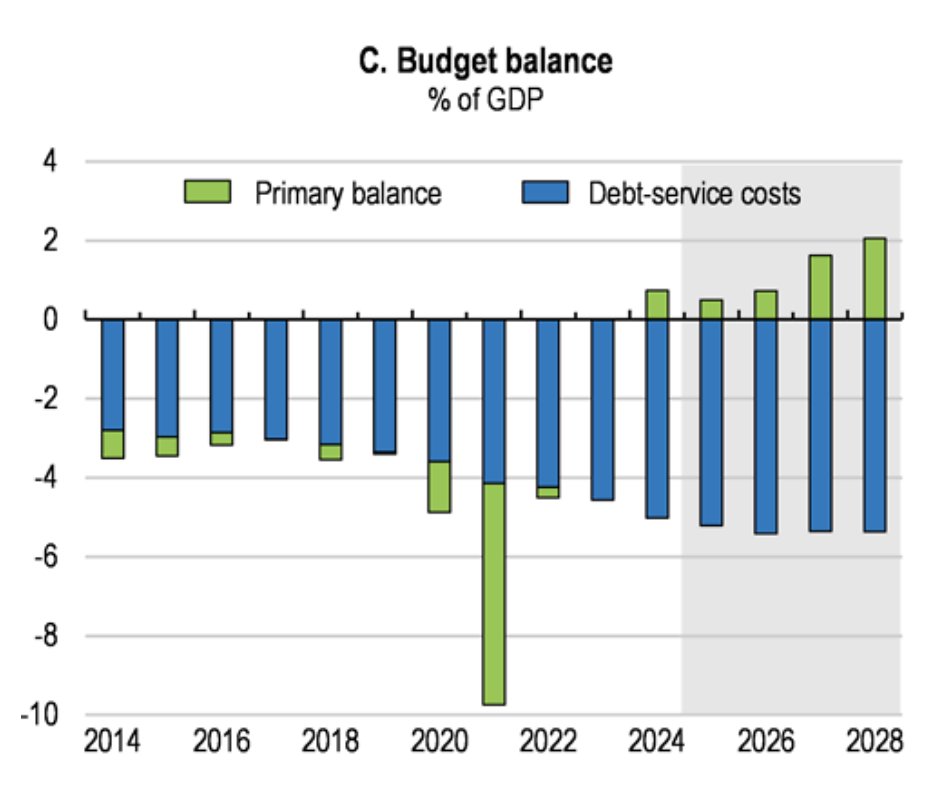
The cycle of a crisis hitting, the government promising free grants as relief, those grants becoming permanent, and then either borrowing increasing or public investment being cut to pay for it has played out a few times now. This is a country where covid relief is still being paid, millions are on free water and electricity tariffs, ~20% of the population is in subsidised housing, and 43% receive social assistance grants of some kind. On the micro-level, cities like Johannesburg have a practice of spending millions on emergency water trucks to make up for water service outages.
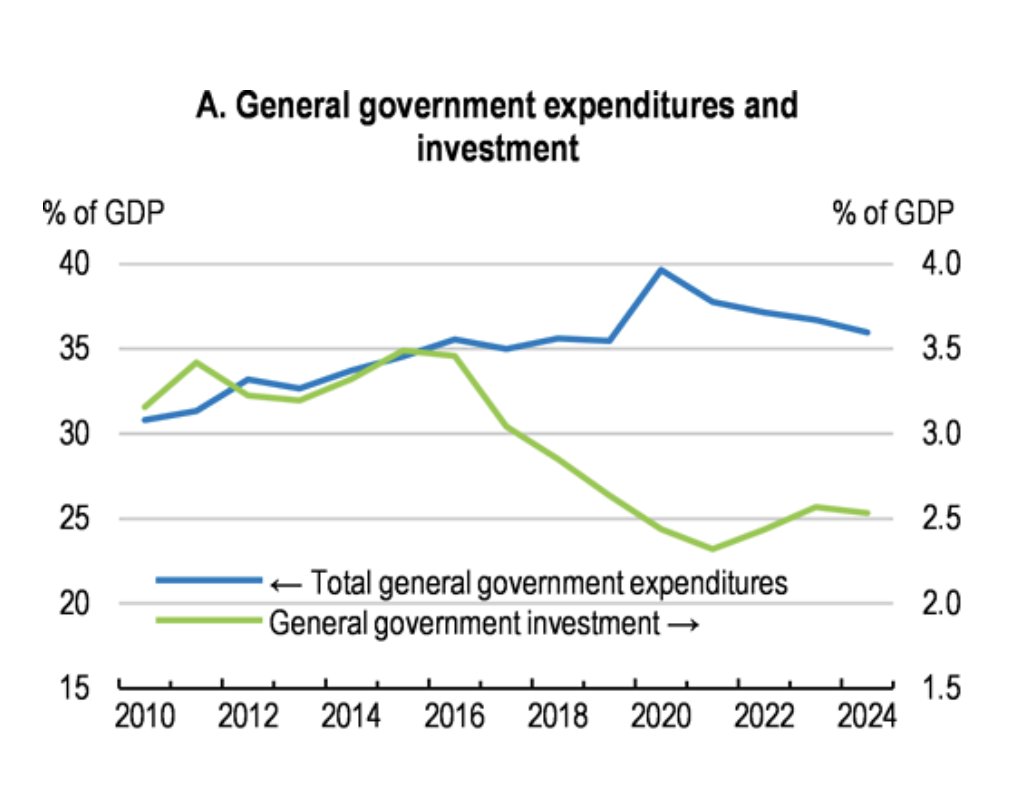
Meanwhile, the root causes of water being unreliable, electricity being expensive, the roads falling apart, and much of the nation lacking employment have gotten worse. The way out - actually investing to fix these things - is in a poor state, with public capital spending falling 26% from its peak in 2016, and what little projects that do get funded facing delays and cost blowouts.
Eventually, an economy based around temporarily relieving people falls apart as creditors give up funding it (R>G means they'll have to somehow run a primary surplus), and cossie livs payments start to cannibalize everything in the economy.
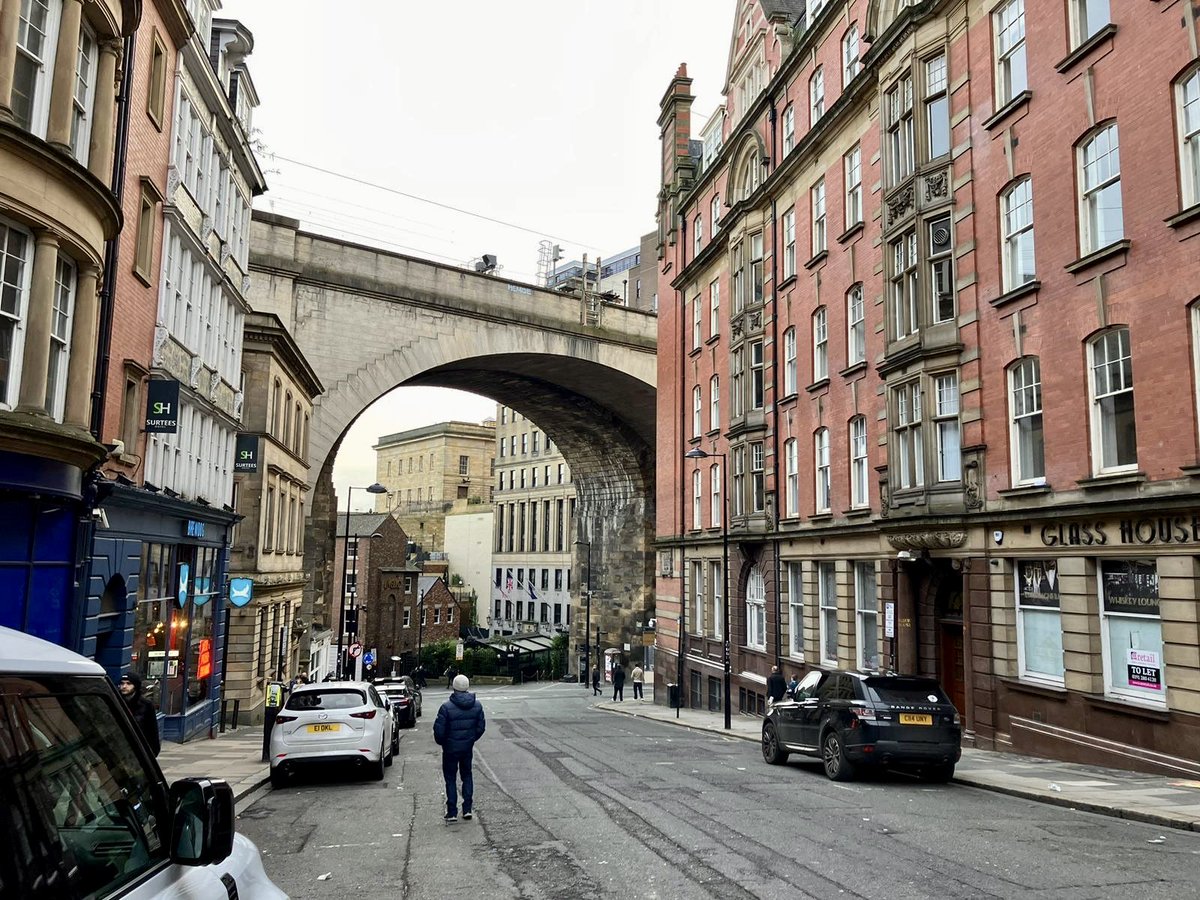
Density and heavy infrastructure are not the problems. Ugliness is the problem. Create beauty to create buildings that endure and places that make us happy and support prosperity.
This is my monthly payslip on a £150,000 salary.
Salary £12,500.00
Pension sacrifice £4,345.08
Income tax £2,266.33
National Insurance £330.60
Take home £5,557.99
Taxable benefits, taxed but not deducted from pay:
Medical insurance £104.25
Dental insurance £25.00
That keeps my taxable pay at £99,410 a year. Every £1 I earn between £100k and £125,140 costs me 62p, so I lock over £52,000 a year into a pension, money I'd rather have now, and any bonus I'm awarded goes straight in as well, just to stay below £100k.
The £100k threshold hasn't moved since 2010, and when pushing on at work means losing most of the reward, the motivation simply isn't there.
Once my pension carry forward runs out I'll cut my hours rather than work for 38p of every £1 I earn over £100k, and I doubt I'm the only one.
How gloriously stupid are those that rule us. The lack in the English house-building market is the small developer. A builder and a few tradies building out three or four places at a time. Little infill sites here and there. The reason these no longer exist is because the small company - the sole trader - cannot possibly support the bureaucracy necessary to deal with the planning system. But apparently the problem is the large builders. As I say, how gloriously stupid are those that rule us.
Renovating the Houses of Parliament is very expensive and every year it doesn’t happen increases the fire risk. Pro-renovation advocates must therefore consider the main benefit of not renovating it - ie the possibility of a really ‘kino’ symbolic fire if it burns down during a crisis of British state legitimacy
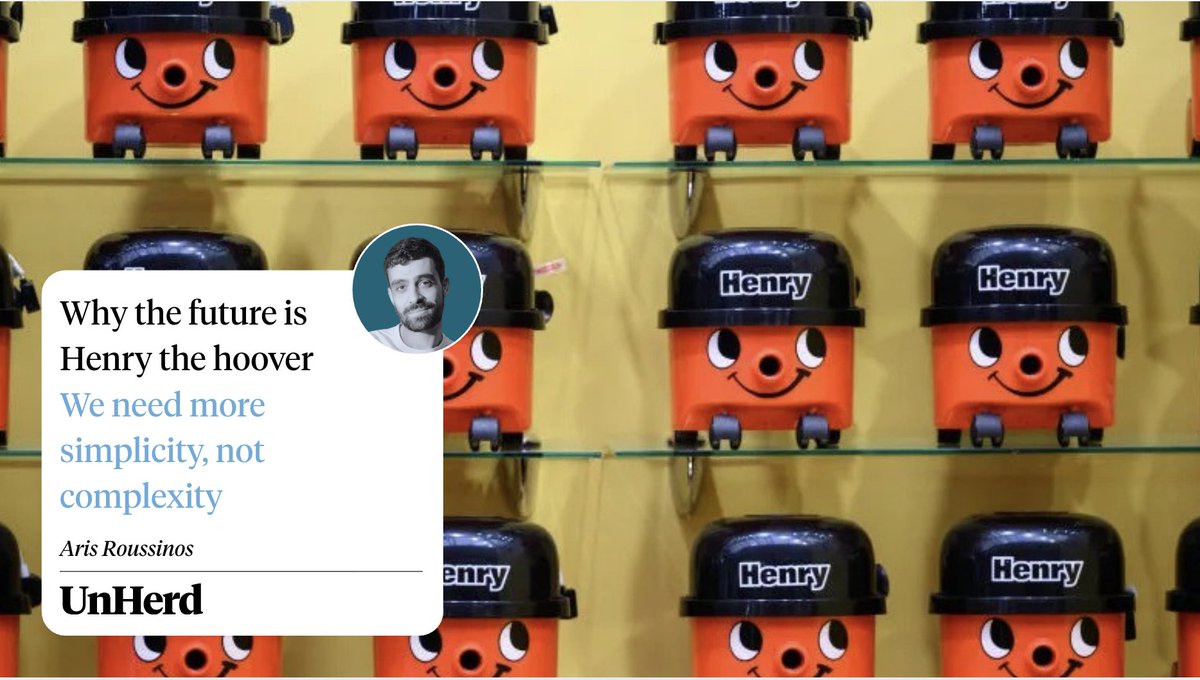
The managers of the British state have grown too comfortable imagining themselves at the helm of a sophisticated piece of machinery, inspiring the envy of the world through its acquisition of new and fundamentally unnecessary functions.
We would all be much safer if they saw themselves as a Henry, reliably and capably performing the basic functions we demand of it, and left the rest to us. But as it stands, and the Government tells us what to stockpile, and warns us in panicked voices not to panic, a level of unnecessary complexity has been added to something that is, at core, extremely simple: keep the lights on, keep the water running, keep the country safe. If the British state is not confident it can do so, then what is it for?
Read more from @arisroussinos :
https://t.co/1BVts57UUV
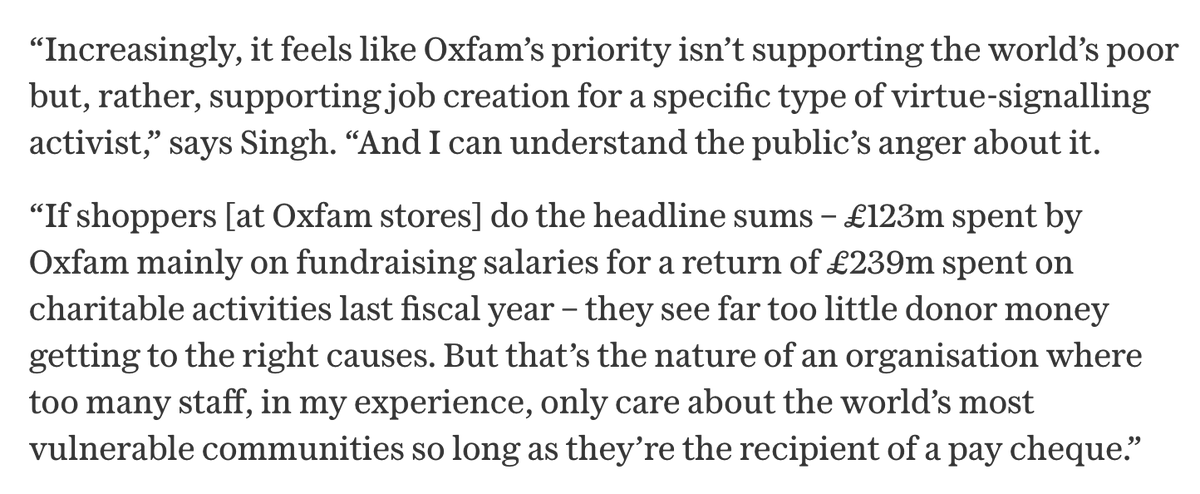
Britain has a reverse lobbying problem. Businesses struggle to have any useful influence or input on policy, leading to growth killing jobs and energy taxes. But the big NGO sector is *paid* by the state to lobby the state.
>young island girl law student goes to britain to study
>while there, get oneshotted by the anti-britain intellectual environment in britain and so become anti-british
>return to my island
>eventually become prime minister of barbados
>know the main weakness of the british very well by this point
>you can literally just ask them for something and then make some vague moral gesturing and they will give it to you out of wanting to avoid conflict
>ask them for lots of money in reparations
>they shuffle around awkwardly but there is almost no pushback
>ask them again while making some vague moral gesturing about the importance of reconciliation
>this is all it takes them to fold and they say they will consider giving me lots of money now
>it’s that easy
What’s crazy about this, aside from the inevitable abuse & disaster, is that it’s obviously a policy that’s grown out of charity land and passed through the civil service unopposed. Complete sector capture
The BBC is so obsessed with censoring social media that it reports an attempted murder entirely from the self-justifying perspective of the attacker’s father, with not a word about the victim.
Article in the Telegraph about how big charities are losing public support thanks to big salaries, political lobbying and DEI nonsense. Includes a few quotes from me. https://t.co/4gepPosO7y
Let me get this straight. Work all your life building a business. Sell that business to a rando - charged at 24%. Try to pass it on to your family - charged at 45%. Genuinely insane https://t.co/uNhYXHdn32
Every time the UK does some crazy tax or speech thing, you just have to remember that all the US has to do is permit any STEM grad to get a visa and they would hoover up a big chunk of UK talent.
Many of the policies the manifesto proposed read as far ahead of their time.
There was the ‘pension plus’, a plan to slowly transition the unfunded state pension to a savings based scheme. The fiscal time bomb of the state pension would have been self solving by 2040
And…
In a sane world, civil servants would have staffed grace-and-favour apartments in zone 1, government cars with drivers, personal assistants, high six figure salaries and something similar to diplomatic immunity. There wouldn’t be more than about a hundred of them.
I strongly agree with this. Many people end up scared of emotions (and scared of their kids' emotions) because they've internalized that feelings are like weather: beyond our control, something we just have to endure
One of the most powerful things you can do as a parent is to reject that frame.
Emotions are fleeting and easily changed.
With older kids, emotional validation is often a silver bullet.
With young kids, it's even easier. (This old video of my son makes my laugh every time.)