Less than 30 of India’s 640 districts were aligned with its 543 Parliamentary Constituencies in 2016.
A plan is being proposed to align PCs & districts to plug growth data gaps - and shed light on important constituent-specific HNP indicators. READ: https://t.co/mlnqFJg5qH
3/3 Lessons from India's successful polio eradication campaign in this time period could be applied to other persisting endemic diseases such as dengue, tuberculosis, typhoid and malaria.
@Springer Journal of Population Economics
1/3 Our new study led by @NidhiyaMenon & @MayankaAmbade finds that children in India given the oral polio vaccine b/t ages 0-5 showed a significant decline of more than 20% in later-life disability (locomotor, visual, speech, hearing, mental). READ ➡️ https://t.co/v6aPsr8wsD
2/3 Early-life access to oral polio vaccines played a critical role in India's eradication of wild polio by 2014, which in turn brought substantial social and economic benefits estimated at 2022 US $6.9 billion.
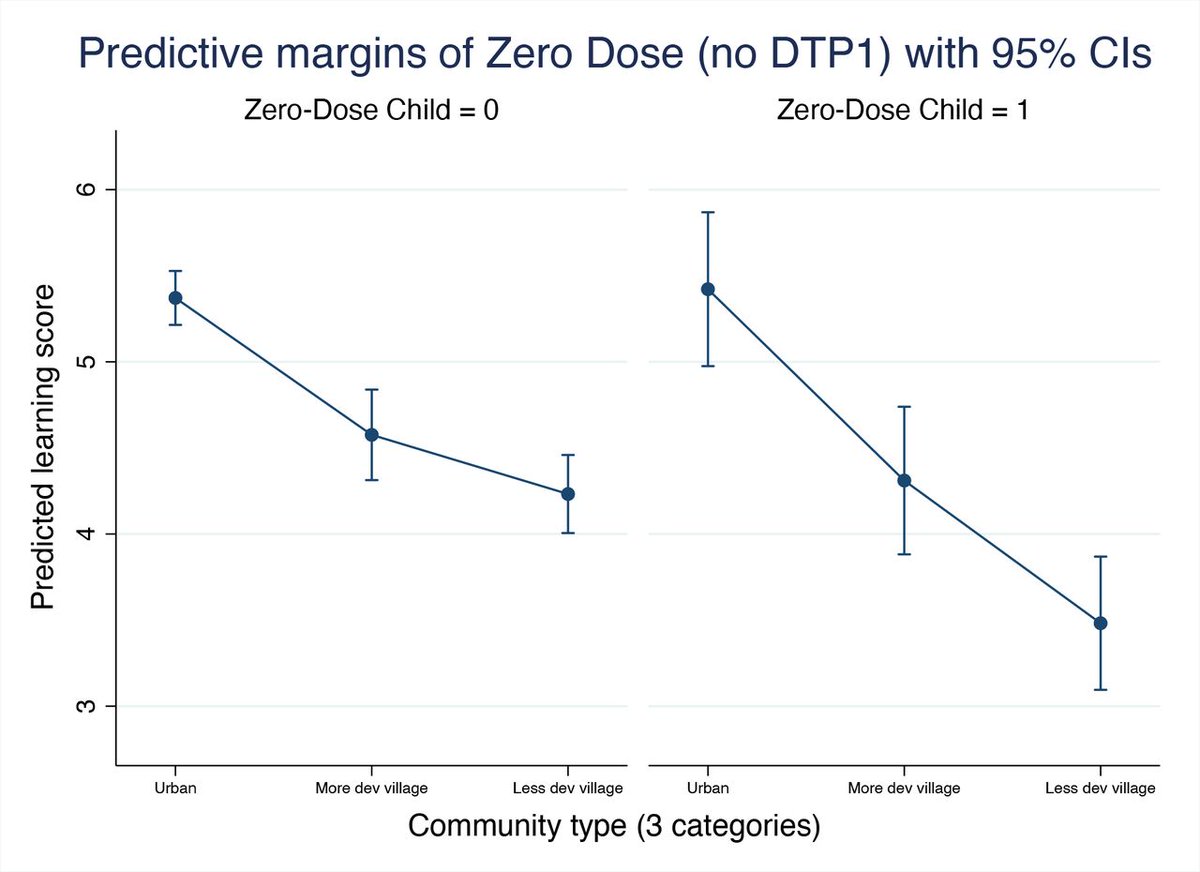
Infant children in India's underdeveloped rural communities who have "zero-dose" vaccine status run a substantially higher risk of poor outcomes on reading, writing & math in preadolescence compared w/ vaxed children.
➡️Read our @BMJPublicHealth study: https://t.co/GvlJJJySxG
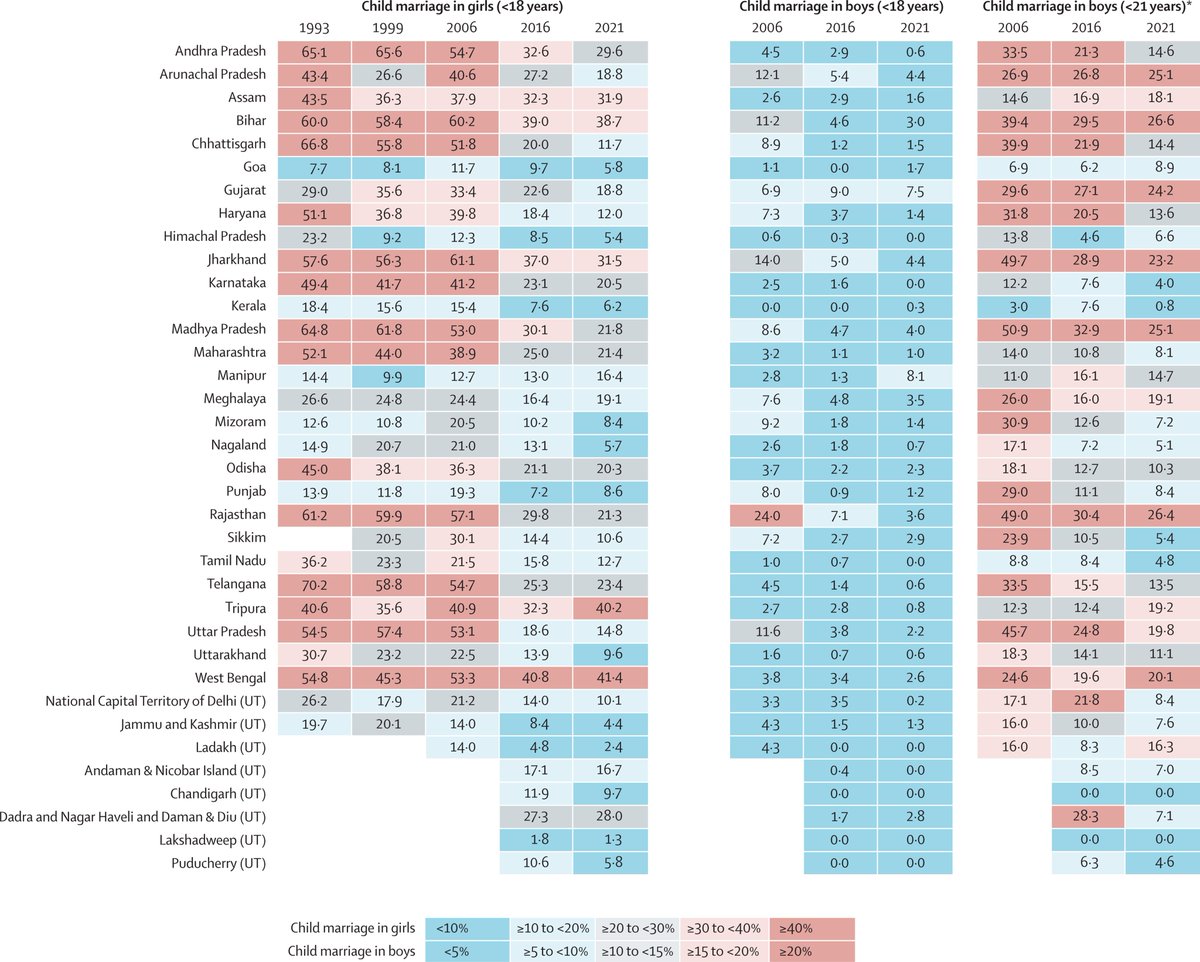
Girl child marriage in India has declined from 49% to 22% since 1993 - but 1 in 5 girls & nearly 1 in 6 boys are still married below the legal age.
Urgent policy effort is needed to reach the SDG of ending child marriage by 2030. Read our @LancetGH paper: https://t.co/BE5pVBoqAy
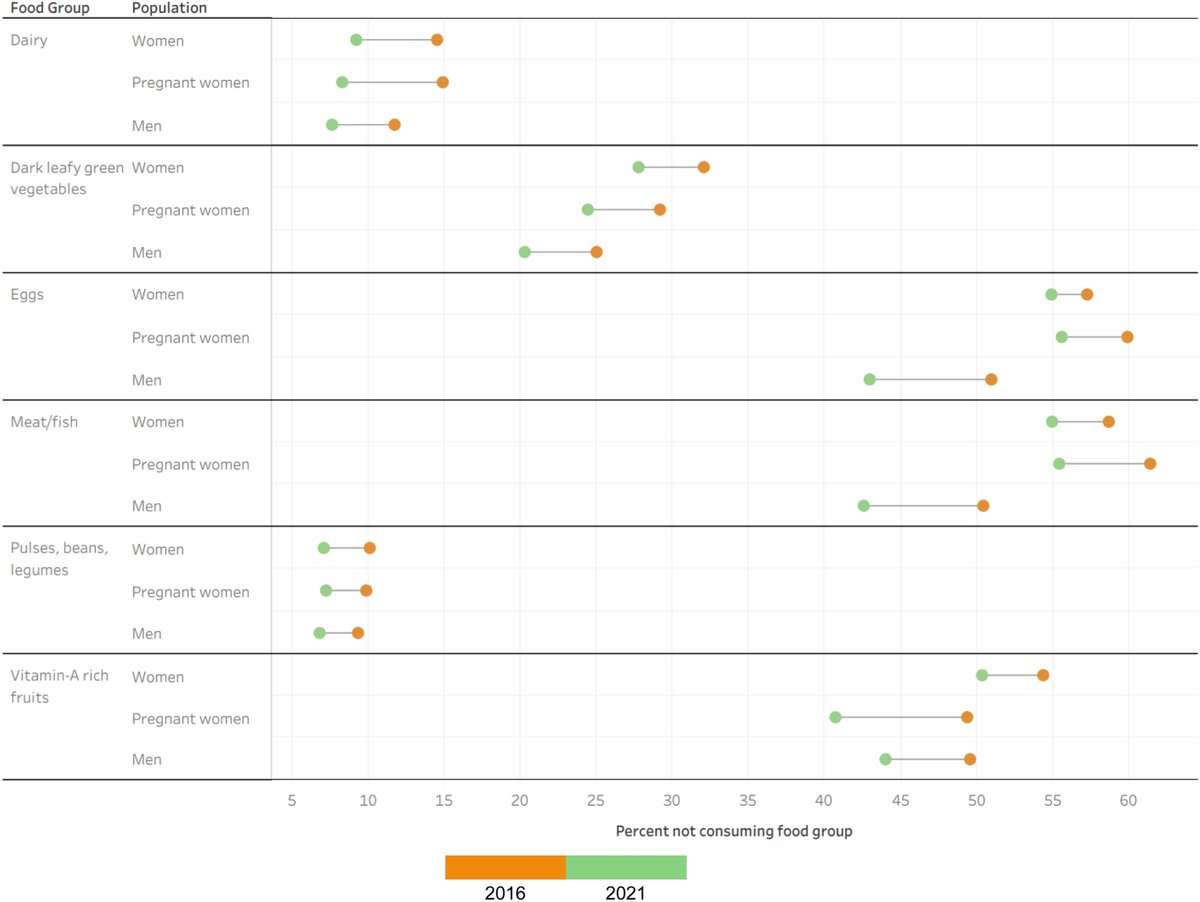
New @ttindia article unpacks our latest study on food group deprivation in India. Less than half of women in India consume eggs, meat, fish or vitamin-A-rich fruits. https://t.co/0H8si6YKlQ
.@ttindia wrote about our latest study on adult food group deprivation in India. We found that while more adults throughout India are eating healthier foods, less than half of India’s women consume eggs, meat, fish, or vitamin-A-rich fruits as of 2021.
https://t.co/vrpa9TVoh7
Our new @eClinicalMed study led by @Fruit_noops finds that fewer adults & pregnant women in India are facing food group deprivation - but the poorest & least educated are still not eating high quality fruits and proteins like meat, fish & eggs. Read: https://t.co/80I6mPD15K
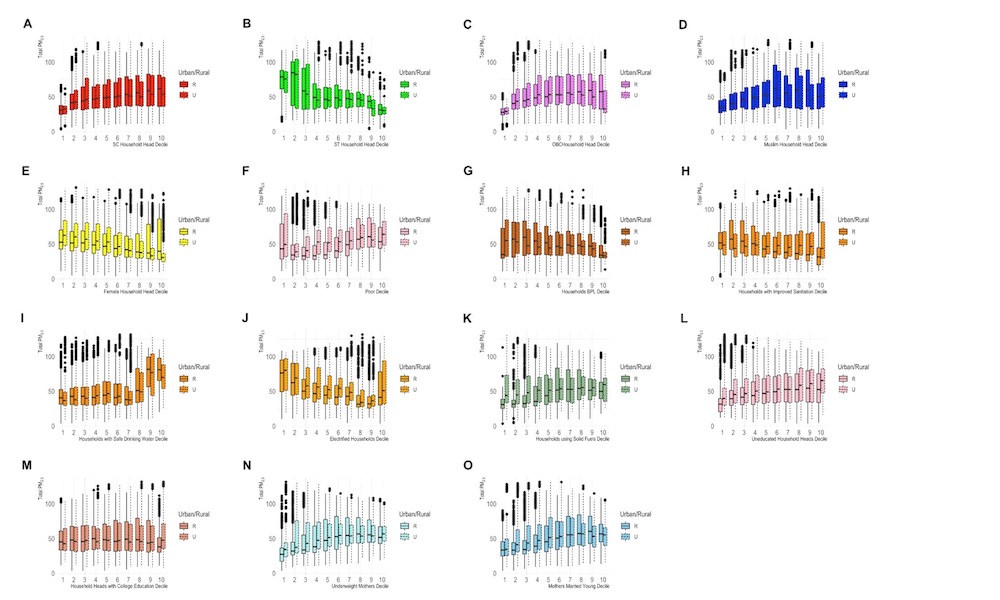
Our new @SciReports study led by @PDez90 analyses ambient air pollution exposure across villages & urban blocks in India and finds that caste, religion & poverty are all important risk factors - but may operate differently in rural & urban areas. Read: https://t.co/cGU7EsQ5Xx
CALL FOR APPLICATIONS: We are NOW RECRUITING for the Harvard David E. Bell Postdoctoral Fellowships for the 2024–2026 cohort... Deadline to apply is November 30, 2023... Apply now!
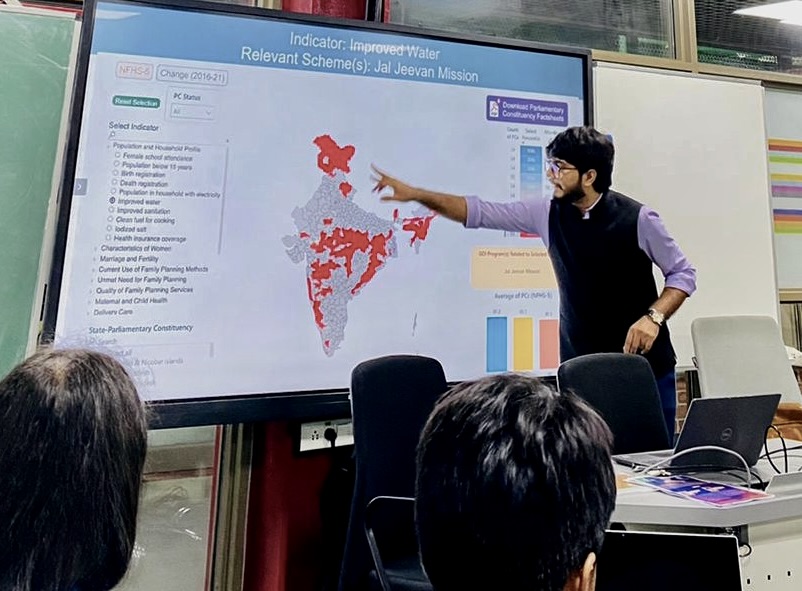
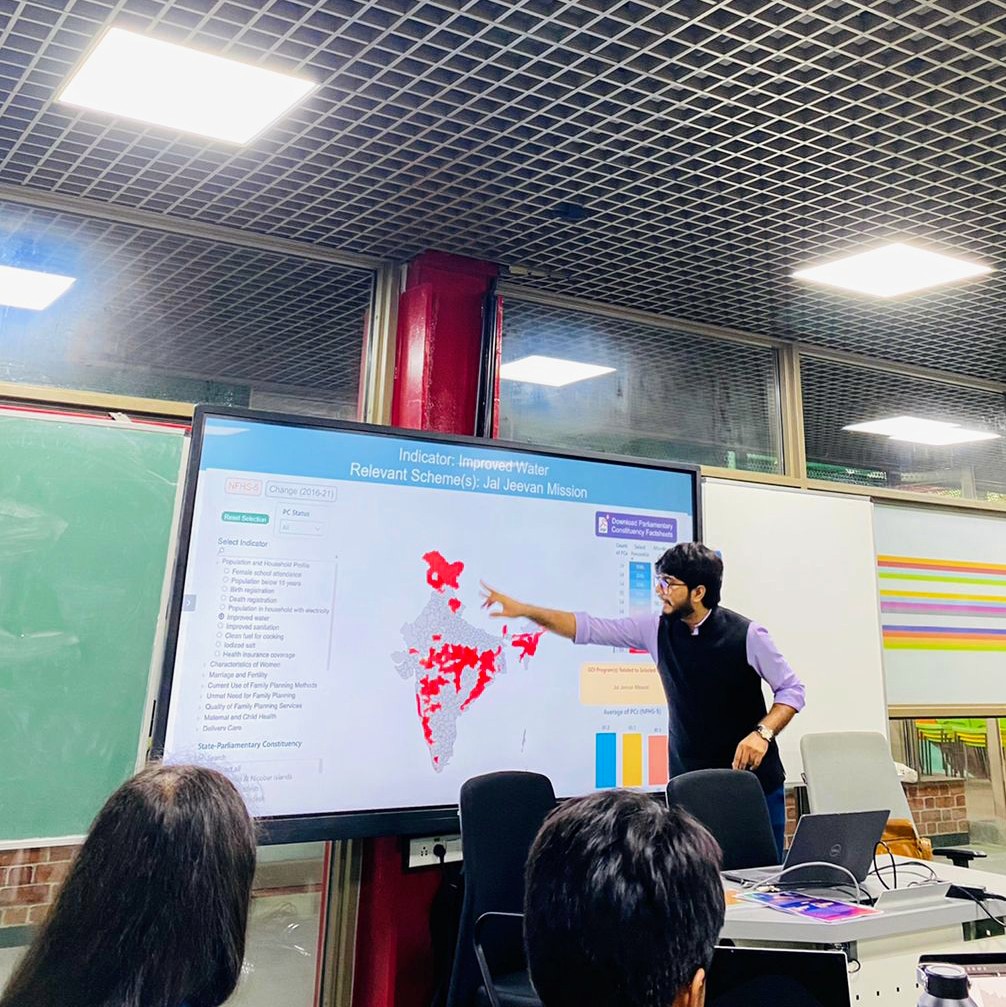
We greatly appreciated the chance to share our new public, online #NFHS Policy Tracker for Parliamentary Constituencies dashboard and its tools to view & analyse PC-level health, nutrition & population performance metrics. Thanks to all who attended for your valuable feedback!
Our sincere thanks to @tqh_policy and Professors @DamniKain and Shariq Hussain at OP Jindal Global University for graciously hosting last week's workshop "Linking Public Policy to Impactful Governance: The Critical Role of Parliamentary Constituencies".
Delivered a workshop titled "Linking Public Policy to Impactful Governance: The Critical Role of Parliamentary Constituencies" at OP Jindal Global University last week.
Grateful to Prof. @DamniKain & Prof. Shariq Hussain for convening the session : )
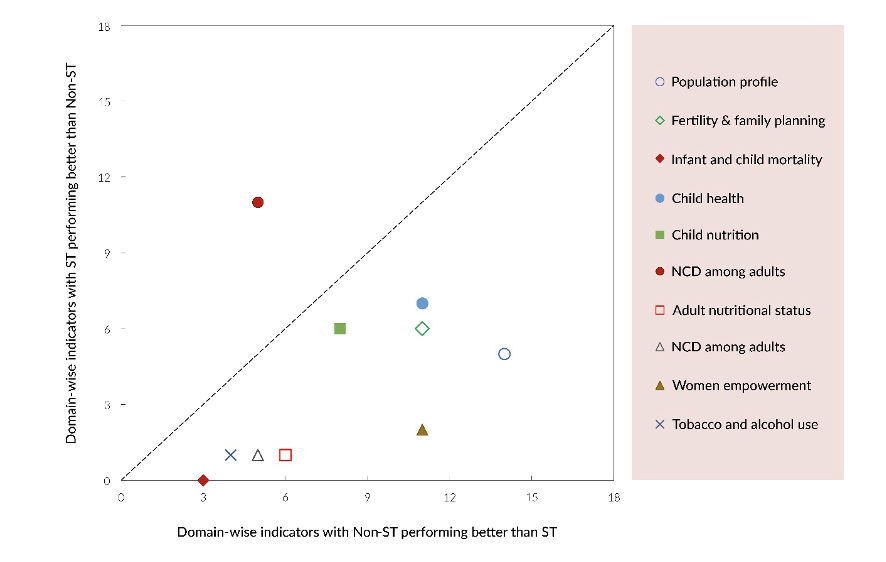
3/3 However - STs continue to lag behind Non-STs in 81 of 129 indicators incl. under-5 mortality, anemia, and gender-based violence.
🔎A timely & sustained policy focus on these underperforming indicators is critical for India to meet its #SDGTargets for Indigenous Communities.
1/3 NEW in @LancetRH_SEAsia - We examine the progress of #ScheduledTribes in India across 129 indicators from 2016-2021. Notable gains have been made in areas such as:
- improved sanitation
- skilled birth attendants
- full vax coverage for children
Read: https://t.co/52b1Sv8huW
2/3 Over the same 5-year period, STs have also outperformed the Non-ST population in areas including proper breastfeeding practices, child diarrhea treatment, and lower hypertension.
4/4: To reach SDG 6.2 (Sanitation & Hygiene) by 2030, states must double down on policies that target the social determinants of zero-sanitation, such as access to water and adequate household space for private toilets.
1/4: Our new #JournalofGlobalHealth study led by Dr. Anoop Jain @Fruit_noops presents first ever prevalence estimates for "zero-sanitation" - individuals with no access to safe sanitation - across all 36 states / UTs within India over a 30-year period.
3/4: While overall prevalence has significantly decreased at the state / UT level, states such as Bihar, Uttar Pradesh, Odisha, and Madhya Pradesh have the highest burden of zero-sanitation in both prevalence and headcount.