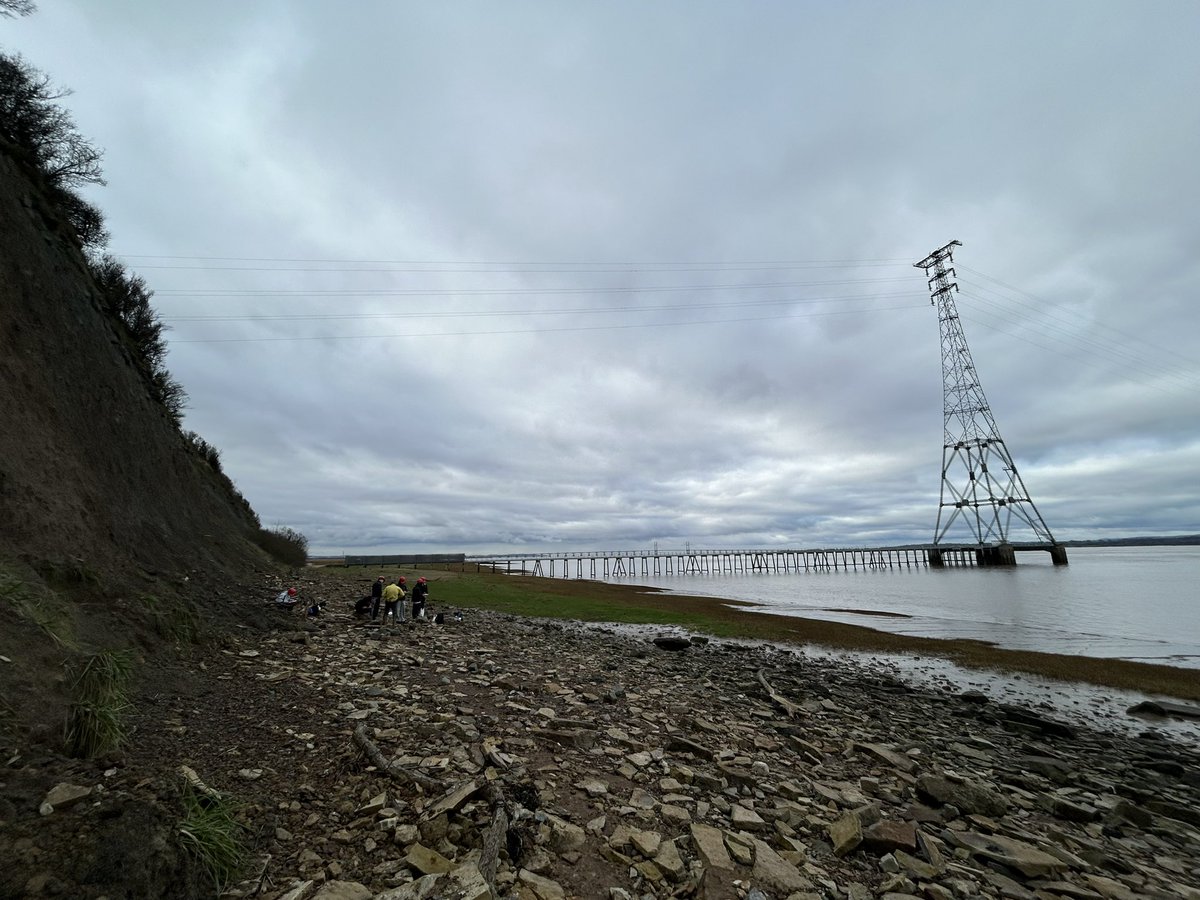
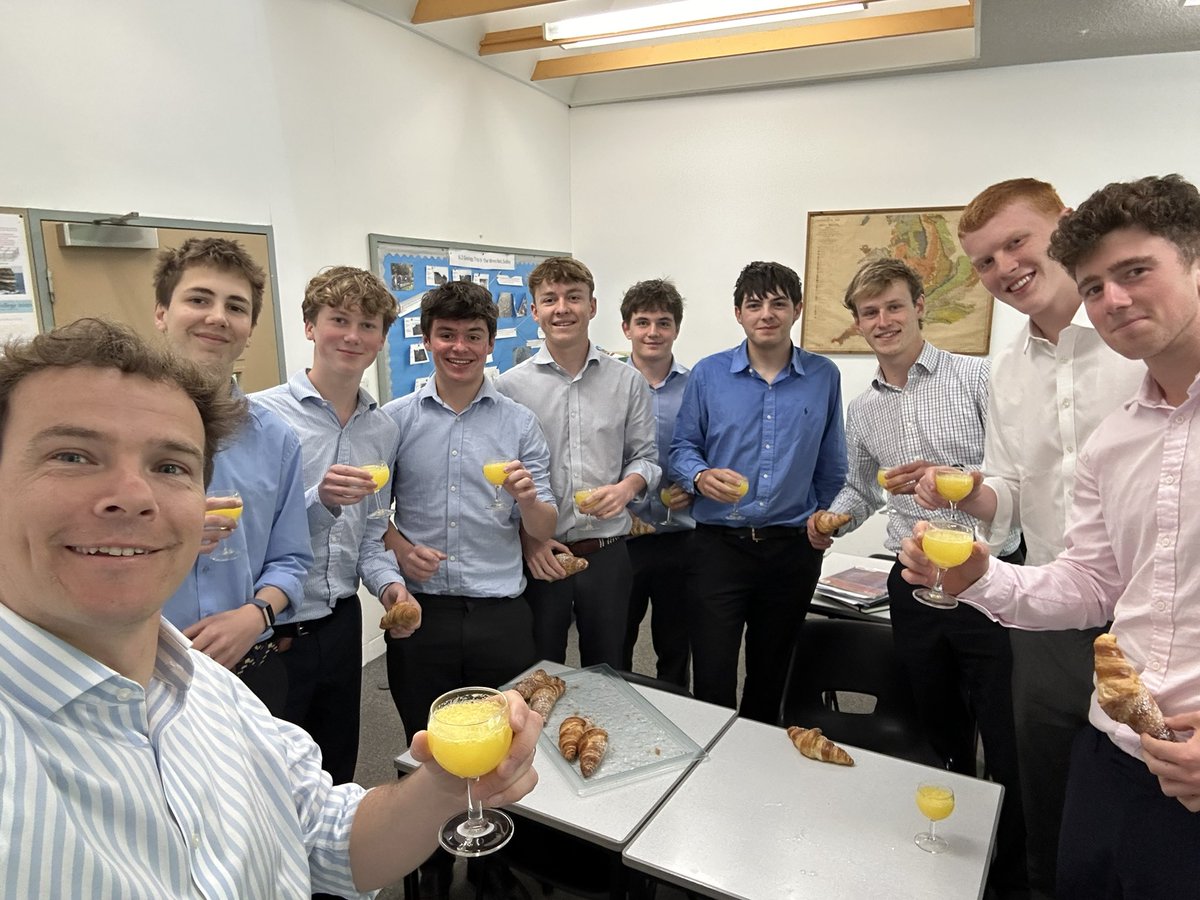
looking into the history of Geology teaching here @radleyCollege Part of the Natural History Society in the 1880s, published local surveys in 1906 and 1912. Lots of reports by M Odling in the 1900s-1910s. An active A-Level since the 1960s https://t.co/Y2Eu8U1Whj
Congratulations to the winners of our German poetry reading competition, who are now the proud owners of some distinctive socks. A great effort by all, especially Ralph and Lawrence (6.1), Hugo (R) and Adrian (S). @RadleyAcademic
What an amazing day! A win for the JCs at Aylesbury over a big Millfield team. Capt Hamish and James looking very proud of themselves. But also, the Brodie Cup in the hands of Theo H - amazing! #ateam#win@RadleyRugby@RadleySports@RadleyRTC
My grandpa who is 85 started making this rock map of Scotland in 1992.He collected rocks during amateur geology trips over 30 years. He says it had to be geologically correct and also aesthetically pleasing.He asked if I could share online as He wants to go viral so please share
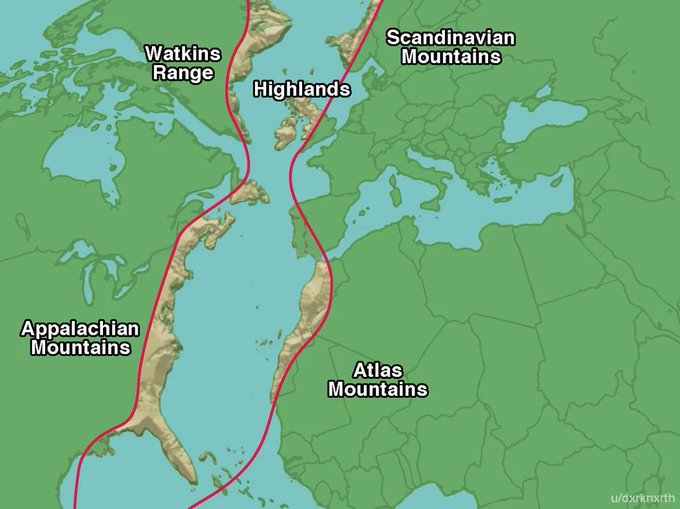
One pretty cool geological fun fact is that the Appalachian Mountains, the Atlas Mountains, the Scottish Highlands, the Watkins Range and Scandinavian Mountains were all once part of the same mountain range, the Central Pangean Mountains
A new ocean is forming in Africa along a 35-mile crack that opened up in Ethiopia in 2005. The crack, which has been expanding ever since, is a result of three tectonic plates pulling away from each other.
It’s thought that Africa’s new ocean will take at least 5 million to 10 million years to form, but the Afar region’s fortuitous location at the boundaries of the Nubian, Somali and Arabian plates makes it a unique laboratory to study elaborate tectonic processes.
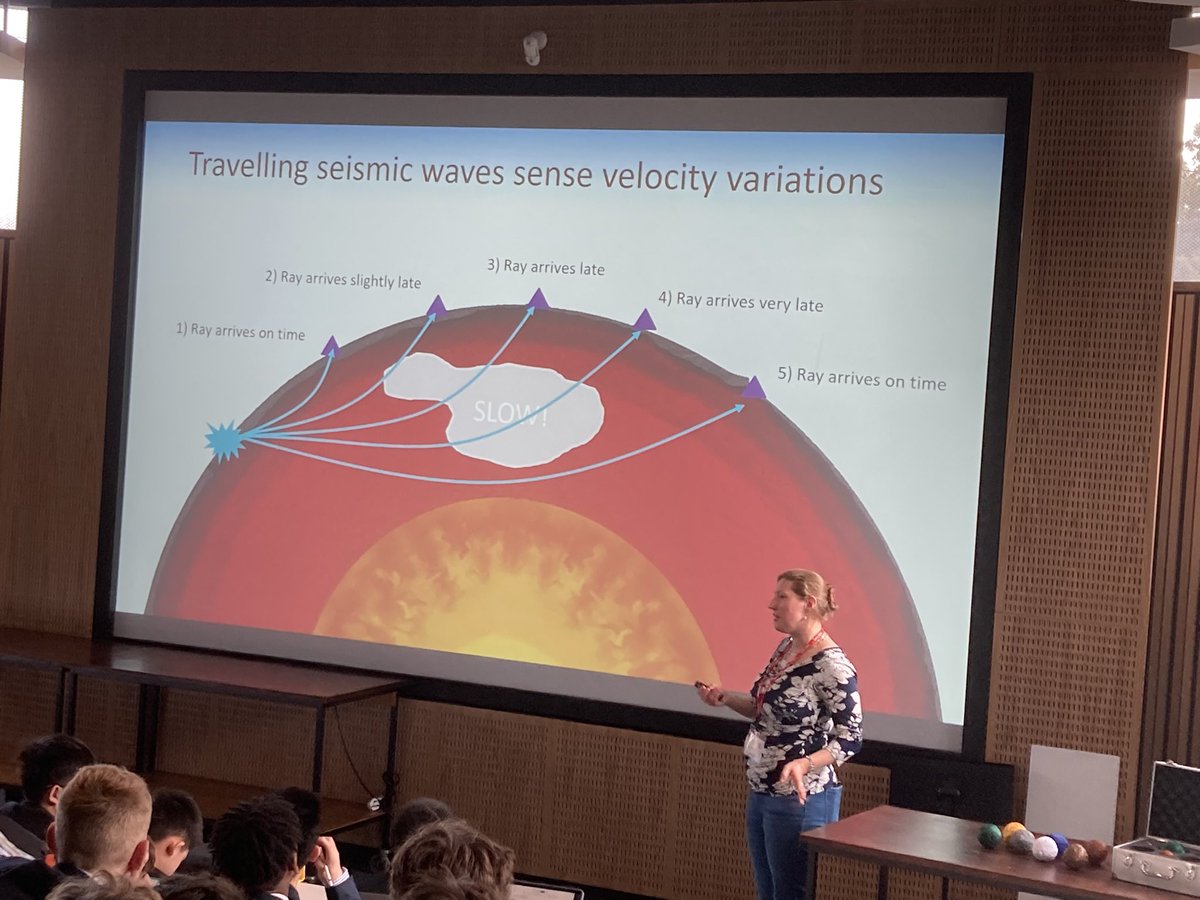
There are still some big unknowns, including what is causing the continent to rift apart. Some think that a massive plume of superheated rocks rising from the mantle beneath East Africa could be driving the region’s continental rift.
Each plate boundary in the Afar region is spreading at different speeds, but the combined forces of these separating plates is creating what’s known as a mid-ocean ridge system, where eventually a new ocean will form.
The three plates are separating at different speeds. The Arabian plate is moving away from Africa at a rate of about 1 inch per year, while the two African plates are separating even slower, between half an inch to 0.2 inches per year.
[📷 Anthony Philpotts]






















![Rainmaker1973's tweet photo. A new ocean is forming in Africa along a 35-mile crack that opened up in Ethiopia in 2005. The crack, which has been expanding ever since, is a result of three tectonic plates pulling away from each other.
It’s thought that Africa’s new ocean will take at least 5 million to 10 million years to form, but the Afar region’s fortuitous location at the boundaries of the Nubian, Somali and Arabian plates makes it a unique laboratory to study elaborate tectonic processes.
There are still some big unknowns, including what is causing the continent to rift apart. Some think that a massive plume of superheated rocks rising from the mantle beneath East Africa could be driving the region’s continental rift.
Each plate boundary in the Afar region is spreading at different speeds, but the combined forces of these separating plates is creating what’s known as a mid-ocean ridge system, where eventually a new ocean will form.
The three plates are separating at different speeds. The Arabian plate is moving away from Africa at a rate of about 1 inch per year, while the two African plates are separating even slower, between half an inch to 0.2 inches per year.
[📷 Anthony Philpotts]](https://pbs.twimg.com/media/GFO3d3IWYAAZrVM.jpg)