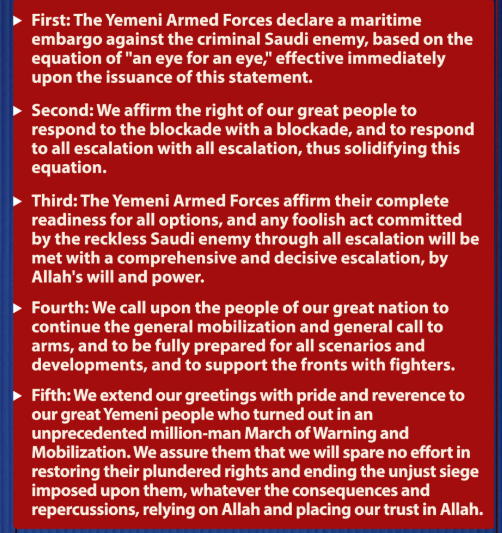
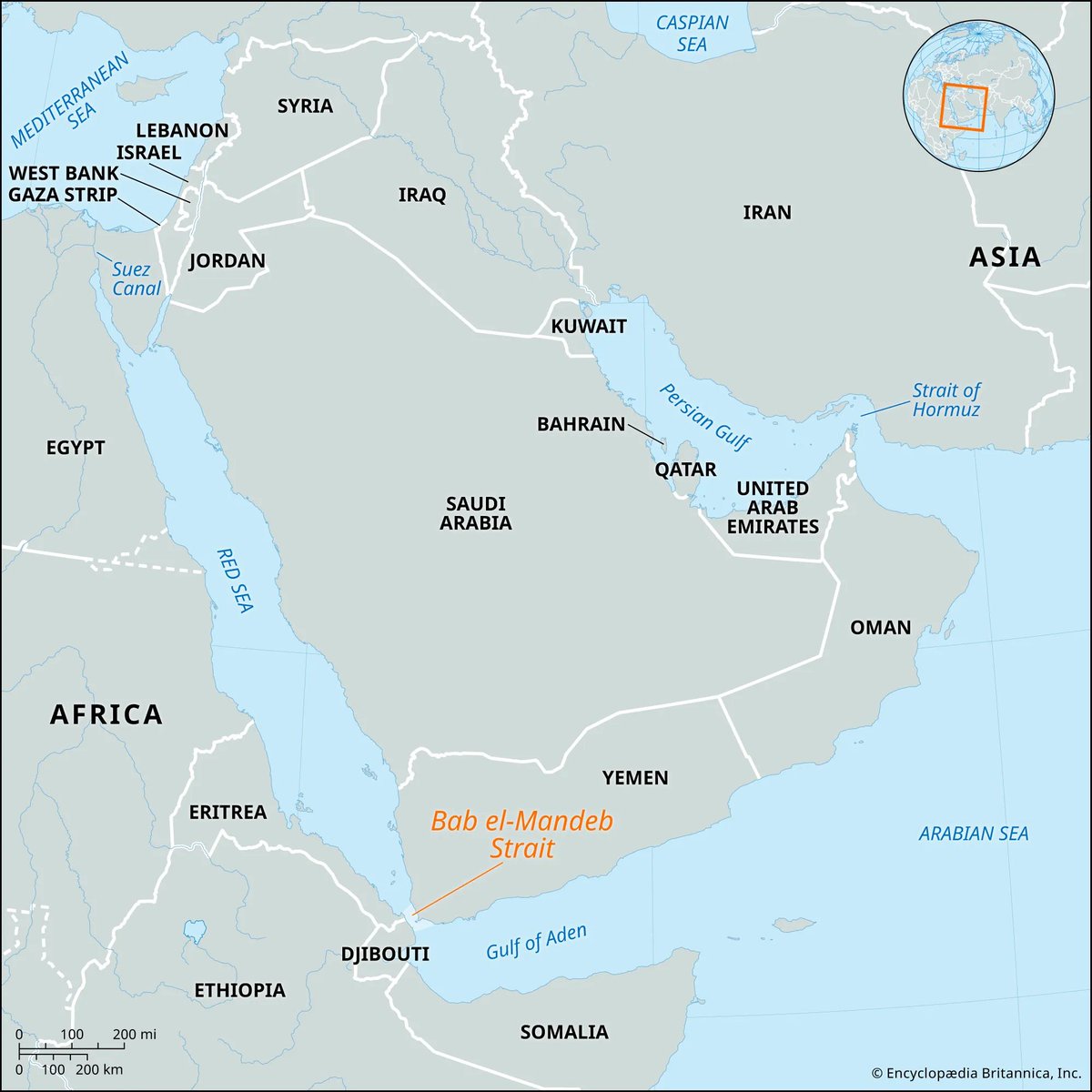
The Houthis of Yemen have declared a blockade of all Saudi ships transiting through the Bab al-Mandab Strait.
What a total mess this has turned into for the U.S. and it's regional allies.
The overconfidence and hubris of the American and Israeli leadership has effectively created a regional super-power in Iran who now can project power in the region like never before.
The U.S. has almost zero leverage in any negotiations other than releasing billions of dollars to the Iranians (something that was seen as treason for Trump and Netanyahu's camp just 4 months ago) or a full scale invasion of Iran which would bring extremely dangerous consequences for global security.
The U.S. and Israel have lost their war of aggression, most notably Trump has lost and been fooled by a supposed ally.
It has become embarrassing watching western news outlets and pundits try and defend this war, almost becoming nauseating at times.
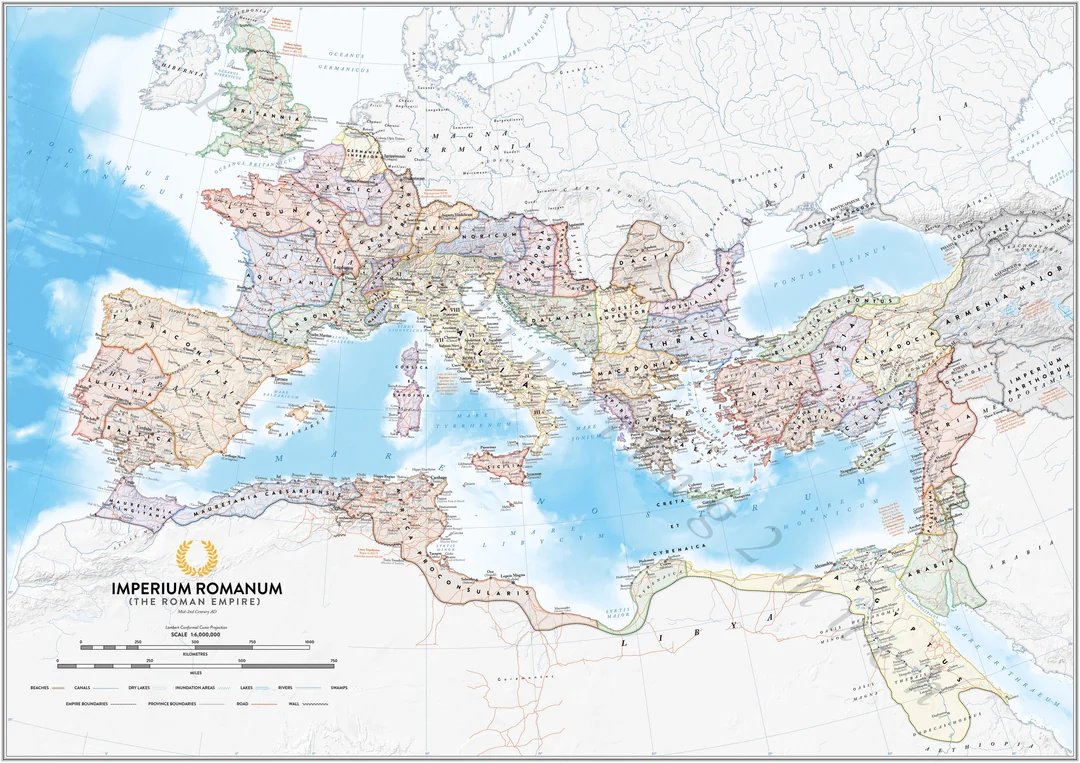
Map of the Roman Empire in the mid-2nd century.
At this point in time the Empire was experiencing the famous Pax Romana (Roman Peace). While wars on the frontiers were still fought often, the internal functions of the Empire was characterized by unprecedented stability, economic prosperity, and architectural achievement.
Some interesting facts about the Pax Romana:
🏺The Empire contained an estimated 50 to 60 million inhabitants, representing roughly one-fifth of the entire global population at the time.
🏺The city of Rome peaked at a population of approximately one million residents, a level of extreme urbanization that would not be seen again in Europe until the Industrial Revolution in the 19th century.
🏺The Roman denarius was the universal silver coin of the realm, enabling a highly integrated, monetized economy that stretched across thousands of miles.
🏺The professional military consisted of roughly 30 active legions. Combined with auxiliary units, the total armed forces numbered between 350,000 and 400,000 men.
🏺The Empire was bound together by over 50,000 miles of paved, highly engineered roads, designed primarily for the rapid deployment of legions rather than civilian travel.
Map Credit: Reddit (procrastinating2much)
This is the new normal in the Middle East. The failure to achieve victory over Iran in the initial campaign on February 28th has resulted in the U.S. unable to project power in the eastern part of the region. Instead the U.S. can only use military assets that will not achieve anything substantial for a lasting peace between Iran and U.S..
The Trump admin played a stupid game, and now they are receiving their stupid prizes
At the direction of the Commander in Chief, U.S. Central Command forces have started conducting additional strikes against Iran to further degrade their ability to threaten freedom of navigation in the Strait of Hormuz. The United States is holding Iran accountable for recent unjustified aggression against commercial shipping and civilian crews freely navigating a vital international waterway.
NATO SUMMIT RUNDOWN
The 2026 NATO Summit is currently taking place in Ankara, Turkey:
President Donald Trump and NATO Secretary-General Mark Rutte are at the center of a tense debate over alliance burden-sharing. Trump has ramped up pressure on European allies, demanding absolute "loyalty"—particularly targeting the UK, France, Germany, Italy, and Spain.
The friction stems from some European nations balking at letting U.S. forces use domestic bases for military operations related to the conflict in Iran.
For Turkish President Recep Tayyip Erdoğan, hosting the summit is a major geopolitical win to cement Turkey as an "indispensable ally."
Following a bilateral meeting, Trump announced the U.S. would lift certain sanctions on Turkey and reconsider selling them F-35 fighter jets
With the war in Ukraine now entering its fifth year, continued military aid remains a primary agenda item.
President Volodymyr Zelenskyy is attending the summit in person to shore up long-term commitments, especially as European allies face anxieties over a planned drawdown of U.S. forces from Germany and uncertain long-term American backing.
It is becoming apparent that Iran-U.S. "peace talks" or even discussion over the recent MOU will not lead to anything signifigant.
Expect this to be the status quo for years to come. Iran has much more leverage and have shown that they can and will control the Strait of Hormuz, in a similar instance as Egypt in the Suez Crisis.
The Trump adminstration, if not to say the majority American population, does not have the patience or stomach to involve themselevs in a full scale invasion of Iran.
What was sold to Trump as a quick toppling of the regime has become a massive thorn in his foreign policy agenda. It is clear he is out of options and talks of Witkoff, Kushner, and Vance meeting negotiators will continue to be reported in the media, but behind close doors little will come out of this. Negotiations between the U.S. and Iran will continue for the foreseeable future with no real outcome.
On the Iranian side the de-centralized nature of their military command structure will continue to pose massive issues between moderates and hard-liners within the regime.
On Tuesday night Ukraine launched over 60 drones at targets around Moscow. President Zelenskyy said one of the targets was a satellite communications center, that provides reconnaissance for Russian forces in Ukraine.
Ukraines latest attack deep into Russian territory are showing the limited capability of Russian air defenses to defend deep into the Russian heartland.
The United States said a high-level meeting on Iran would be held in Doha on Tuesday with President Donald Trump's top envoys Steve Witkoff and Jared Kushner attending while technical talks would also continue on the sidelines, according to Reuters
Vladimir Putin acknowledged for the first time Sunday that Russia is facing fuel shortages following a wave of Ukrainian attacks deep inside the country.
The price of Brent crude, the global benchmark oil, has fallen to below the level it was at before US and Israeli air strikes started the war with Iran on February 28th.
The riff between Israel and Trump is continuing to widen. Trump is over the war in Iran, and likely blames Netanyahu for dragging him into a situation that Israeli intelligence suggested would have a much different result then what has happened since Feb. 28th.
Trump needs Israel to halt it's offensive in Lebanon, as the Iranians will not agree to any deal if fighting in Lebanon continues. Trump continues to demand Israel stop fighting, but the Israelis feel that since they are not part of the MOU, it is their decision to stop their invasion of southern Lebanon.
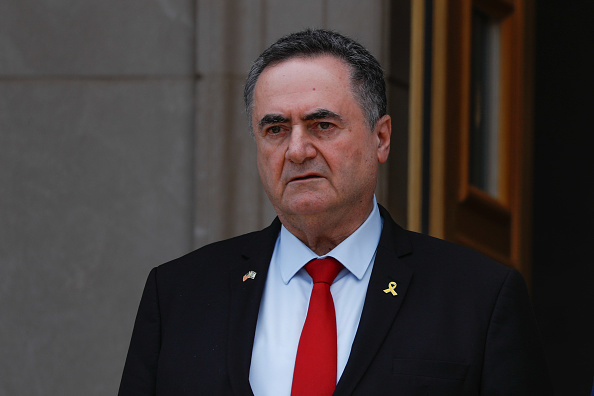
Israel's Defense Minister, Israel Katz stated: We oppose the withdrawal from the "security zone" in Lebanon despite the pressures being exerted on us to do so, and we will not withdraw.
Al Jazeera reports that Iran says technical talks in Switzerland with the United States and mediators have concluded successfully, paving the way for the next phase of negotiations aimed at ending their more than 100-day war.
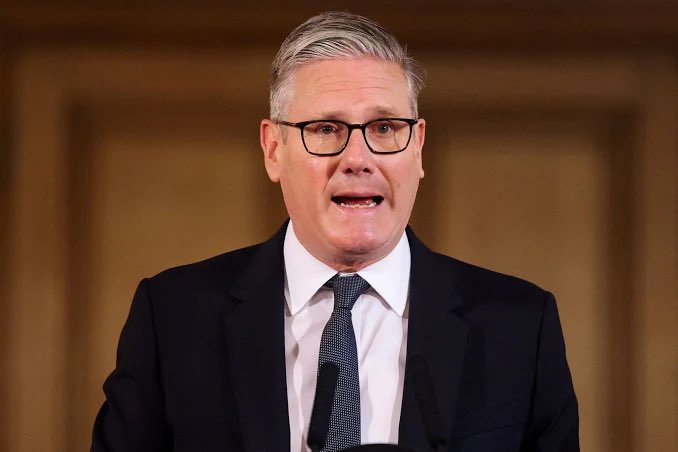
#BREAKING Keir Starmer to resign as Prime Minster of the United Kingdom. Once a new PM is elected in his place, it will be the 7th UK PM in the last 10 years.
Is the UK ungovernable?
Moscow oil refinery on fire after Ukraine launches one of their largest drones attacks against Russia since the start of the War.
Moscow Oil Refinery, supplies roughly 40% of fuel and petroleum products.
Ukraine’s drone attacks have become more and more effective as the war goes on, with attacks targeting infrastructure deep into the Russian state and main population centers.
Russian claims it downed 555 Ukrainian drones last night, but the attack on this oil refinery shows how overwhelmed Russian aerial/drone defenses are
The United States and Iran have agreed to a 14-point Memorandum of Understanding to end hostilities and agree to a ceasefire, where both countries will diplomatically engage in a long term peace deal.
But what is in the 14 point MOU? Here is a breakdown⬇️
The full text has not been officially released by the US, but Iran's state-affiliated Mehr News Agency published extensive details. Key reported provisions include:
🔸 Military/Hostilities:The MoU includes an end to the war on all fronts, including in Lebanon, and the withdrawal of US forces around Iran. Under the memorandum, warfare between the parties would cease "immediately and permanently."
🔸 Iran and the US, along with their allies, "declare the immediate and permanent cessation of this war on all fronts, including in Lebanon," committing "not to initiate any war against each other, and to refrain from the threat or use of force against each other."
🔸 Strait of Hormuz: The Strait of Hormuz, a critical shipping route effectively closed since the conflict began in late February, will now reopen. The blockade of the waterway had created severe supply constraints for oil, gas, and fertilizers, sparking price rises.
🔸 Economic/Sanctions:The reported framework includes suspension of oil and petrochemical sanctions and the release of $24 billion in frozen Iranian assets.
🔸 The US commits to releasing and making fully usable restricted or frozen Iranian funds and assets "in accordance with the progress of negotiations toward the final agreement."
🔸 Nuclear: Under the memorandum, Iran will reaffirm its commitment under the Nuclear Non-Proliferation Treaty to abstain from producing nuclear weapons.
🔸 Iran's deputy foreign minister said 60-day nuclear negotiations will begin only once the US releases billions in frozen funds — a claim a US official rejected.
🔸 Reconstruction: The draft reportedly states that the United States and its allies would provide at least $300 billion to assist with Iran's reconstruction.
🔸 What's Excluded: Issues related to Iran's missile program and its support for resistance groups would not be included in the final agreement. These are among the thorniest issues and will apparently be deferred or dropped entirely — a major point of contention.
🔸Lebanon Clause: A last-minute addition says any war or military operation in Iran or against Iran's regional allied groups, including Lebanon, would halt negotiations on a final agreement — a provision reportedly inserted at Iranian insistence.
🔸 The Israel problem: Netanyahu has said Israel is not a party to the negotiated deal but stated that he and Trump are in "full agreement" that Iran must not be permitted to obtain nuclear weapons. The deal in its current form is considered a deep disappointment by Israel's government.
Pakistan's Prime Minister Shehbaz Sharif says a "final, agreed upon" text of a peace deal between US and Iran has reached them, adding that they are working with both warring sides to "finalize the next steps."
As the U.S. and Iran continue to try to reach some sort of deal. Israel continues to target large areas in southern Lebanon with airstrikes and missiles. Beirut is experiencing Israeli drones hovering around the southern part of the Capital.
Whether the U.S. can restrain the Israelis in southern Lebanon is at this point hopeful thinking. A peace deal hurts Israeli war aims and if a deal is signed between the U.S. and Iran, Israel will likely increase it's invasion of southern Lebanon to dislodge any diplomacy in this conflict.
Donald Trump has cancelled the schedule strikes on Iran, stating that the final points of a deal have been approved by "all parties involved".
However, IRGC have released a statement stating: “no text has been approved”
Iran's Khatam Al-Anbiyaa Central Command says it struck two oil vessels trying to pass through the Strait of Hormuz:
"In light of the order to block the strait and the prior warning, two offending oil tankers that intended to pass through the Strait of Hormuz were struck."
JUST IN- Iran’s Khatam Al-Anbiyaa Central Command announces a full closure of the Strait of Hormuz, allowing no ships to pass, with or without a toll.
Previously Iran was allowing around 30 ships to pass before renewal of U.S. airstrikes. Now all ships must stay were they are, including Russian and Chinese vessels