Develop your MindSkills to win in your personal & business life: Critical Thinking—Problem-Solving—Decision-Making—Emotional Intelligence |
⚡️Legacy Account⚡️
🔥
𝐌𝐢𝐧𝐝𝐒𝐤𝐢𝐥𝐥𝐬 𝐄𝐱𝐩𝐥𝐚𝐢𝐧𝐞𝐝:
𝐇𝐨𝐰 𝐭𝐨 𝐀𝐜𝐞 𝐭𝐡𝐞 𝐆𝐚𝐦𝐞 𝐨𝐟 𝐋𝐢𝐟𝐞
MindSkills are your methods for thinking, feeling, and acting powerfully.
Above all, they are the ability to be aware of and run your mental processes instead of being run by them.
These skills unlock your full potential for fulfilled personal and business life.
🔥 𝐇𝐨𝐰 𝐝𝐢𝐝 𝐲𝐨𝐮 𝐝𝐢𝐬𝐜𝐨𝐯𝐞𝐫 𝐌𝐢𝐧𝐝𝐒𝐤𝐢𝐥𝐥𝐬?
As a child, I read biographies like other children read comic books. I noticed that the people who were most effective, successful, and happy weren’t the smartest. They were those who focused on skills and applying their knowledge. I noticed that most people wasted their time memorizing facts instead of learning skills. They could never get enough knowledge, even though they were drowning in it.
I set out to identify the mental methods that enabled success and started calling them MindSkills. I concentrated on goal-setting, problem-solving, decision-making, executing, and emotional control.
I discovered that each of the skills could be expressed as a simple framework and learned quickly.
MindSkills are WAY more important than raw intelligence or native ability. Everybody, at every level, can improve these skills.
MindSkills complement each other. For instance, learning the scientific method will enhance someone’s artistic creation by teaching them better experimentation skills. On the other hand, art will make a person a better scientist, teaching him how to see more creative possibilities.
I spent a lifetime applying and refining them.
Now, I’m 80 years old and giving back what I’ve learned.
🔥 𝐇𝐞𝐫𝐞 𝐚𝐫𝐞 𝐬𝐨𝐦𝐞 𝐨𝐟 𝐭𝐡𝐞 𝐌𝐢𝐧𝐝𝐒𝐤𝐢𝐥𝐥𝐬 𝐲𝐨𝐮 𝐰𝐢𝐥𝐥 𝐥𝐞𝐯𝐞𝐥 𝐮𝐩:
• Self•awareness, self•control
• Information gathering, Super Learning
• Critical thinking & Creative thinking
• Clear communication and persuasion
• Developing purpose, setting goals and objectives
• Emotional management
• Better problem•solving & decision•making
• Dealing with info overload
• Creating wealth
• Social skills
• Putting plans into action
🔥 𝐖𝐇𝐎 𝐀𝐑𝐄 𝐘𝐎𝐔?
I am a psychologist, marketing consultant, and author of the book "Secrets of Word-of-Mouth Marketing." I invented and developed major marketing concepts, such as The Decision Map of how customers make purchase decisions, The Decision Easification System, & Expert Blindness.
I also invented the Telephone Focus Group, which allowed me to study how high-level people think and how to persuade them. I’m a violinist, professional-level magician, juggler, stilt-walker, stenographer, Dvorak typist, windsurfer, photographer, marksman, pilot, and sous vide cook. A polymath.
I started two profitable businesses and a major trade association. Now semi-retired, meaning I have the money to do what I want. At the moment, it's teaching the MindSkills that have taken me a lifetime to assemble and validate. Happily married to a prominent couples therapist.
I’m writing “The MindSkills Playbook: How to Ace the Game of Life,” But I’m doing it in public!
Follow along in my long-form tweets @GeorgeSilverman.
When you follow my account, you will improve your MindSkills one tweet at a time. You will be encouraged and challenged. You will be pleasantly shaken out of your ruts. You may be “triggered,” in a good way, in a safe space. You will play on the playground of life.
Join us. With everything to gain and nothing to lose, hit the Follow button. Welcome. Questions encouraged.
.
𝐍𝐀𝐗𝐀𝐋𝐓: 𝐓𝐇𝐄 𝐂𝐎𝐍𝐕𝐄𝐑𝐒𝐀𝐓𝐈𝐎𝐍 𝐊𝐈𝐋𝐋𝐄𝐑 𝐓𝐇𝐀𝐓 𝐘𝐎𝐔 𝐍𝐄𝐄𝐃 𝐓𝐎 𝐃𝐈𝐓𝐂𝐇
Have you ever been in a conversation where someone makes a general statement such as, "Dogs are loyal," and someone else jumps in with "Not all dogs are loyal"?
If so, you have witnessed the phenomenon of NAXALT, which stands for ���Not All Xs Are Like That.”
NAXALT is an annoying conversation error that tries to refute a generalization by pointing out exceptions. It misses the point:
When someone makes a general statement, they’re not trying to say that it applies without exception. They are simply trying to convey a general trend, pattern, or tendency that is observable in the group as a whole.
For instance, when someone says, "Dogs are loyal,” they are not claiming that every dog in the world is loyal to its owner. They are saying that loyalty is a common trait among dogs. Of course, there are some dogs that are not loyal or that may betray their owners in certain situations. But pointing out these exceptions does not invalidate the general intent of the statement.
The same logic applies to any other general statement about any other group of things or people. When someone says, "Men are taller than women" or "Women live longer than men," they are not denying that there are some men who are shorter than some women or some women who die younger than some men. They are simply stating a general fact that is based on statistical evidence and biological differences. Pointing out exceptions does not disprove the fact. It just shows that there is some variation within the groups. And it shows that you are being a pedantic asshole.
Why do people use NAXALT arguments? Some feel offended by the generalization. They may think that it is unfair, inaccurate, or stereotypical and that it does not reflect their own experience. They may want to defend themselves or their group from being judged or labeled by the generalization. They may want to show that they or their group are different, unique, or special.
But using NAXALT arguments is not a good way to achieve these goals. Instead of challenging the validity or relevance of the generalization, NAXALT arguments only distract from the main point and create confusion and frustration. They also imply that the person making the generalization is ignorant, biased, or dishonest, which can damage trust and respect.
A better way to respond to a generalization is to ask for clarification or evidence or to offer an alternative perspective.
For example, instead of saying "Not all dogs are loyal", you could say, “Tell me more about how you view loyalty.” or "How do dogs show loyalty, and under what conditions will they not?“ These responses would invite further discussion and exploration of the topic, rather than shutting it down with a NAXALT argument.
Next time you hear someone make a general statement, instead of nitpicking on the exceptions, try to understand and engage with the main point. You might learn something new, or at least have a more productive and enjoyable conversation.
Aren’t I making one gigantic NAXALT argument here? Aren’t some statements terrible overgeneralizations (like racism, sexism, Xism)? And isn’t it important to point them out? Yes, yes, and yes.
Generalizations elevate us out of the momentary concretes. Our lives depend on generalizations. But some of them bite is in the ass.
Like most things in life, there is a Sweet Spot: Under generalization fails to identify useful themes, trends, patterns, or tendencies. Overgeneralizations can lean to racism and other harmful beliefs.
Don’t be a NAXALTaholic.
#MindSkillsPlaybook
EMBRACE DISORDER:
HOW TO FIND BALANCE BETWEEN ORDER AND CHAOS
[4 Min. Reading Time]
We often use organization as a way to create the illusion of control of our lives. Although structure has its benefits, it's also important to allow ourselves to experience CHAOS. Chaos can be a Superpower.
The idea of control through order can be an illusion
We think of control as being able to predict and manage different aspects of our lives. When we feel lost, we might try to create more organization, thinking it will give us a sense of control. However, we shouldn't ignore the potential of chaos. By letting ourselves be disorganized, we can generate new ideas, avoid getting stuck, and discover unexpected connections.
Try a Brain Dump
Structured thinking and outlines are helpful when we know a subject well and have a clear goal. However, sometimes a disorganized “brain dump” can help us sort out our thoughts. By not worrying about the order and hierarchy of our ideas, we give our minds the freedom to explore a range of possibilities.
Then, rearrange things
If you use a Thought Processor like Obsidian @obsdmd (with outliner plug-in), you can switch into outline mode to group and rearrange ideas, moving between different levels of detail to categorize and provide examples. As we look for gaps and missing information in our thinking, it's important not to force things into categories too soon. Giving ourselves time for clarity to develop lets us fully realize the potential of our ideas.
Set Yourself Up for New Ideas
By going beyond strict structure, we learn to appreciate unpredictability and enjoy the surprising discoveries that can come from disorder. Embracing flexibility and adaptability helps us face the messiness that often comes with creative exploration. By breaking away from established thought patterns, we open ourselves to new possibilities and challenge conventional thinking.
Finding a balance between order and chaos is essential for a productive and fulfilling life. By being adaptable, we create a balance between structured thinking and creative exploration, allowing us to unlock the full potential of our minds in both our work and personal lives.
TIPS FOR TOLERATING AND USING CHAOS
1. Accept uncertainty: Recognize that life is unpredictable, and it's impossible to control every aspect. Embrace the uncertainty and see it as an opportunity for growth and learning.
2. Practice flexibility: Cultivate the ability to adapt to changing situations. Instead of rigidly clinging to plans and expectations, be open to adjusting your approach as needed.
3. Set realistic goals: Establish achievable objectives that account for the potential chaos you might encounter. Be prepared to adjust your goals and priorities as circumstances change.
4. Find your own organizational style: Experiment with different ways to manage chaos in your life. Some people thrive in a more structured environment, while others find creative inspiration in disorganization. Discover what works best for you. But try new patterns, even if you are initially uncomfortable with them!
5. Break tasks into smaller steps: Everyone knows this, but few do it. When faced with a chaotic situation, break your tasks into smaller, manageable steps. This can help you maintain focus and make progress even in the midst of disorder.
6. Practice “Going Meta”: Develop metacognition techniques, mindfulness, meditation, and, most importantly, my Going Meta techniques for knowing what process you are in while you are in it. [[See my Chapter "Go Meta or Go Home." Link in attached Tweet]] These will help you stay present and focused during chaotic times. Going Meta can help you remain calm and centered, even when things feel out of control.
7. Seek support: Reach out to friends, family, or colleagues who can offer guidance or assistance when you're navigating chaos. Sharing your experiences and seeking advice can help you feel less overwhelmed. Find people who will be constructive “sounding boards.” You can even use AI for this.
8. Embrace failure: Accept that sometimes chaos leads to failure, and that's okay. Failure provides valuable lessons and insights, helping you grow and improve.
9. Celebrate small wins: Amidst chaos, it's important to acknowledge and celebrate your accomplishments, no matter how small. This can help boost your motivation and confidence, making it easier to face the challenges ahead.
10. Reflect and learn: After experiencing a chaotic situation or an area of chaotic thinking, take the time to reflect on what you learned and how you can apply those lessons in the future. This will help you become more resilient and better equipped to handle chaos when it arises again. It will also boost your confidence because you know that you can count on yourself to constructively address chaos when it comes. We tend to analyze our failures more than our successes, but we can learn more from our successes.
11. Let some time go by: Time brings perspective and fresh approaches. There is an ancient Chinese saying that is sometimes true: “Muddy water, left alone, will clarify.”
Note: This chapter was written using the above methods: Horribly disorganized brain dump, then gradual clarification a few minutes a day for several days. Then, sending it out before it's perfect, to get helpful feedback.
Was it useful? Please be specific.
What would you like to see that wasn't here?
My main takeaway was …
#MindSkillsPlaybook
𝕋𝕙𝕖 𝕌𝕝𝕥𝕚𝕞𝕒𝕥𝕖 𝔽𝕣𝕒𝕞𝕖𝕨𝕠𝕣𝕜:
𝕋𝕙𝕖 𝟟 𝕊𝕥𝕖𝕡𝕤 𝕥𝕠 𝔾𝕖𝕥𝕥𝕚𝕟𝕘 𝕎𝕙𝕒𝕥 𝕪𝕠𝕦 𝕎𝕒𝕟𝕥
[3 Minute read]
𝙄'𝙫𝙚 𝙨𝙩𝙪𝙙𝙞𝙚𝙙 100𝙨 𝙤𝙛 𝙩𝙝𝙚 𝙢𝙤𝙨𝙩 𝙨𝙪𝙘𝙘𝙚𝙨𝙨𝙛𝙪𝙡 𝙥𝙚𝙤𝙥𝙡𝙚 𝙞𝙣 𝙝𝙪𝙢𝙖𝙣 𝙝𝙞𝙨𝙩𝙤𝙧𝙮 𝙛𝙤𝙧 𝙤𝙫𝙚𝙧 70 𝙮𝙚𝙖𝙧𝙨, 𝙖𝙣𝙙 𝙝𝙖𝙙 𝙖 𝙨𝙪𝙘𝙘𝙚𝙨𝙨𝙛𝙪𝙡, 𝙝𝙖𝙥𝙥𝙮 𝙡𝙞𝙛𝙚 𝙢𝙮𝙨𝙚𝙡𝙛. 𝙃𝙚𝙧𝙚’𝙨 𝙬𝙝𝙖𝙩 𝙄’𝙫𝙚 𝙛𝙤𝙪𝙣𝙙:
𝙏𝙝𝙚𝙮 𝙖𝙡𝙡 𝙛𝙤𝙡𝙡𝙤𝙬 𝙖 𝙨𝙞𝙢𝙥𝙡𝙚 𝙩𝙝𝙞𝙣𝙠𝙞𝙣𝙜 𝙛𝙧𝙖𝙢𝙚𝙬𝙤𝙧𝙠 𝙩𝙝𝙖𝙩 𝙮𝙤𝙪 𝙘𝙖𝙣 𝙡𝙚𝙖𝙧𝙣 𝙞𝙣 10 𝙢𝙞𝙣𝙪𝙩𝙚𝙨 𝙖𝙣𝙙 𝙪𝙨𝙚 𝙛𝙤𝙧 𝙩𝙝𝙚 𝙧𝙚𝙨𝙩 𝙤𝙛 𝙮𝙤𝙪𝙧 𝙡𝙞𝙛𝙚.
Memorize it. Use it. No matter what level you’re on, your life will improve almost immediately if you build on this framework.
𝟭. 𝗚𝗮𝘁𝗵𝗲𝗿 ��𝗻𝗳𝗼
𝟮. 𝗘𝘃𝗮𝗹𝘂𝗮𝘁𝗲
𝟯. 𝗦𝗲𝘁 𝗚𝗼𝗮𝗹𝘀
𝟰. 𝐒𝐨𝐥𝐯𝐞 𝐏𝐫𝐨𝐛𝐥𝐞𝐦𝐬
𝟱. 𝗗𝗲𝗰𝗶𝗱𝗲
𝟲. 𝗣𝗹𝗮𝗻
𝟳. 𝗜𝗺𝗽𝗹𝗲𝗺𝗲𝗻𝘁
The 7 Steps in the Ultimate Framework, explained:
𝐒𝐓𝐄𝐏 𝟏: 𝐆𝐀𝐓𝐇𝐄𝐑 𝐈𝐍𝐅𝐎𝐑𝐌𝐀𝐓𝐈𝐎𝐍:
• Explore, investigate, gather the facts.
• Follow your curiosity and excitement.
• Turn data into information into knowledge.
• Collect evidence and clues (incomplete data).
• Learn the basic concepts.
• Don’t get lost in details.
• Don’t jump to conclusions, overgeneralize, or bias your investigation.
• Ask plenty of “stupid” questions.
• Tolerate confusion, uncertainty, vagueness, ambiguity, and contradictions.
• Just take it in.
𝐒𝐓𝐄𝐏 𝟐: 𝐄𝐕𝐀𝐋𝐔𝐀𝐓𝐄
Assess the information
• Analyze the data: form concepts, identify patterns, principles, and make connections between the different pieces of information, forming hypotheses and tentative conclusions.
• Assess what is most interesting, most important (your values), what you want to learn more about or do, what are your priorities.
• Develop your meaning, purpose, and passion.
𝐒𝐓𝐄𝐏 𝟑: 𝐒𝐄𝐓 𝐆𝐎𝐀𝐋𝐒
• Based on the interests and values you have developed in the previous steps, set long-term goals and short-term objectives.
• What do you want to achieve, what are your priorities?
• Your interests and preferences will now form into desires. Figure out what you want long-term, intermediate, and short-term. Not only the destination, but the journey. What process do you like to engaging in?
𝐒𝐓𝐄𝐏 𝟒: 𝐒𝐎𝐋𝐕𝐄 𝐏𝐑𝐎𝐁𝐋𝐄𝐌𝐒
• 𝘼 𝙥𝙧𝙤𝙗𝙡𝙚𝙢 𝙞𝙨 𝙖𝙣 𝙤𝙗𝙨𝙩𝙖𝙘𝙡𝙚 𝙞𝙣 𝙩𝙝𝙚 𝙬𝙖𝙮 𝙤𝙛 𝙖 𝙜𝙤𝙖𝙡. As you move toward your goals, you will encounter blocks & gaps — problems. You will encounter opportunities that you don’t know how to realize — problems.
Develop solutions and options for getting what you want.
𝐒𝐓𝐄𝐏 𝟓: 𝐃𝐄𝐂𝐈𝐃𝐄
Now that you have options, you have to choose between them. But choosing is difficult because you can’t predict the future. So, decision-making strategies maximize your chances of success.
• Once potential solutions have been identified, the next step is to make a decision about which solution to implement.
• This involves weighing the pros and cons of each option, considering potential risks and benefits, and making a decision that aligns with the goals that were established in Step 3.
• Since you can't predict with certainty and have incomplete infe, hoose between the above options through criteria, risk management, and probabilistic thinking. Look for asymmetric risk: high upside, lower downside.
𝐒𝐓𝐄𝐏 𝟔: 𝐏𝐋𝐀𝐍
After a decision has been made, the next step is to create a plan for implementing the solution. This involves identifying the steps that need to be taken, assigning responsibilities, and establishing a timeline for completion.
𝐒𝐓𝐄𝐏 𝟕: 𝐈𝐌𝐏𝐋𝐄𝐌𝐄𝐍𝐓
Put the plan into action. This involves executing the plan, monitoring progress, and making adjustments as necessary. The goal is to successfully implement the solution and achieve the goals that were set at the beginning of the process.
____________
Please comment on this Mega-Tweet.
Try it. What worked?
What are MindSkills?
MindSkills are your methods for thinking, feeling and acting effectively. Above all, they are the ability to Go Meta: to be aware of and run your mental processes instead of being run by them. 👇
No matter how important what you are working on is, if it's not on your purpose, if it's not an expression of your passion, it's procrastinating.
Procrastination isn't just putting off tasks you don't want to de.
Sometimes it takes the form of doing other things that look good.
The New Renaissance Person:
- Crafts with passion
- Pursues diverse passions
- Earns from their creations
- Harnesses the power of tech
- Learns independently each day
- Builds a stack of essential skills
Diverse passions isn't a weakness—it's your ultimate superpower.
How to embrace uncertainty and turn it into wonder:
1.What am I not sure of?
2.Why is that a problem?
3.If it is a problem, what could I do about it?
4.I wonder why, how, if, why not,
#Framework
If you run Spaces, you owe it to yourself to consider Interactive Mode.
Here is an article that will help you decide if you are interested in learning more about it. A follow-up article will go into exactly how to do it.
https://t.co/bnziTbVFaM
MindSkill: Navigating The Cutting Edge
Spend a little more time on your Cutting Edge: You won't find a lot of serenity there, nor harmony, peace and quiet, zen calmness.
But you can surely find plenty of excitement. exhilaration, enthusiasm, optimism, and aliveness.
I recently said that I was going for 10-100 times the number of followers I have now (2000+). Someone asked for an explanation and example:
Going for an order of magnitude increase causes more breakthrough thinking than gradual improvement (incremental compounding) thinking.
👇
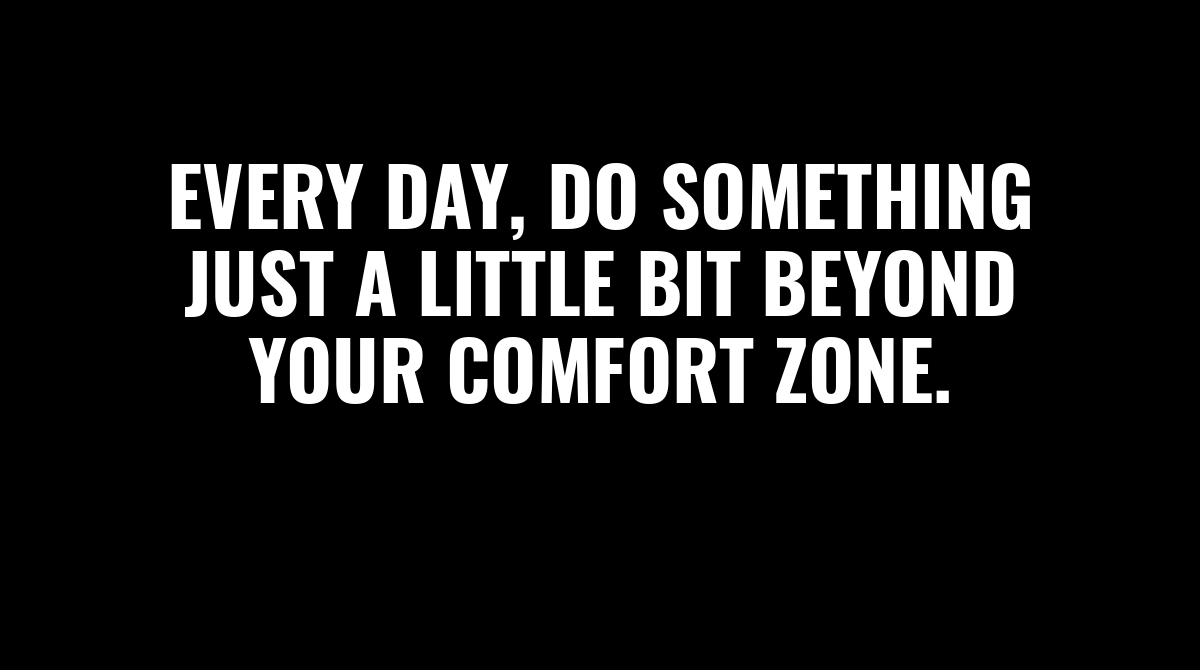
Every day, just once a day:
Do something just a little bit beyond your comfort zone.
That scares you a little.
That makes you feel stupid or incompetent
That makes you look foolish
That you know isn't going to work.
Notice that you didn't die, but felt more alive.
MindSkill: Life-long Learning
Several times a day, pause and ask:
What's the lesson here?
What is reality trying to teach me?
If there were a god, what would s/he be telling me?
If I were coaching me as a third party, what would I be advising?
LISTEN to the lessons.
MindSkills Reminder:
A product is a solution to a problem.
The most successful products are solutions to latent problems that you can make people feel intensely.
Filling a felt need: Good
Filling a REAL unrealized need: Spectacular
Don't defer to other people's judgment just because you are not sure of your own. They are usually no more sure than you are, just putting up a better front and making a better bluff.
Never give anyone the benefit of your own self-doubt. —Ayn Rand
MindSkills Coaching Guidelines:
Always have a learning project going
Skills transfer, knowledge not so much:
process over content
One small, fun step at a time compounds skills
Think in 1st principles and secondary consequences
👇👇👇
Shortcuts to success:
Follow your curiosity
Develop your passion
Welcome mistakes
Find the fun in it
Focus on adding value
Laugh at the “impossible”
Chase wealth (value) not money
General goals, specific strategy
Learn how to learn
it is what it is. How can I change it?
Start
I just want to assure everyone that no animals have ever been hurt in the production of my Tweets.
Health guidelines have been observed.
They have been screened for trigger words, & are apolitical & gender neutral..
I apologize in advance if any wokelines have been violated.
I just want to assure everyone that no animals have ever been hurt in the production of my Tweets.
Health precautions have been followed.
They have been screened for trigger words and are apolitical.
I apologize in advance if any guidelines have been violated.