Could multimodal AI help identify which patients with early-stage HR+ breast cancer may benefit from extended endocrine therapy?
In an NSABP B-42 cohort, significant benefit was observed in about one-quarter of patients the models classified as both high risk for late distant recurrence and likely to benefit from extended therapy. #ESMOAI26.
https://t.co/qx4dwpXPtM
Long Road Home: The Continuing Journey of Metastatic Disease. https://t.co/xs3S3ImWqO
Please see, and I hope enjoy, my new JCO OP editorial on where we sit with metastatic cancer.
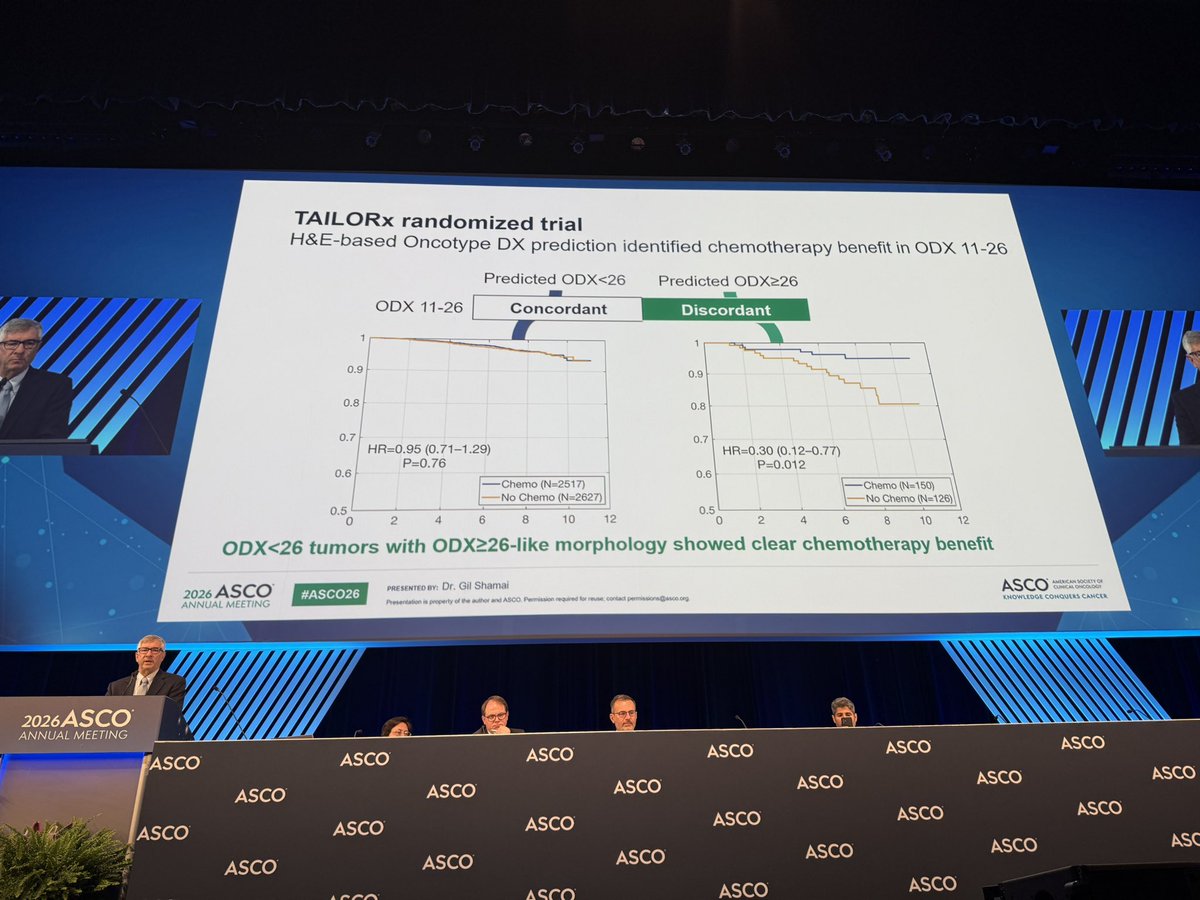
Every ASCO has some hidden pearls. One that I had the luck to attend was a presentation by Gil Shamai on the discordance between AI prediction and standard path features — wonderfully discussed by David Rimm. Highly recommended.
“AI errors are not bugs, but rather features”
A care model led by Manali Patel, MD, MPH, a Stanford thoracic oncologist, demonstrated that trained lay health staff can improve patient experiences, reduce emergency department visits, and lower overall #healthcare costs. https://t.co/5xefqzhbjq
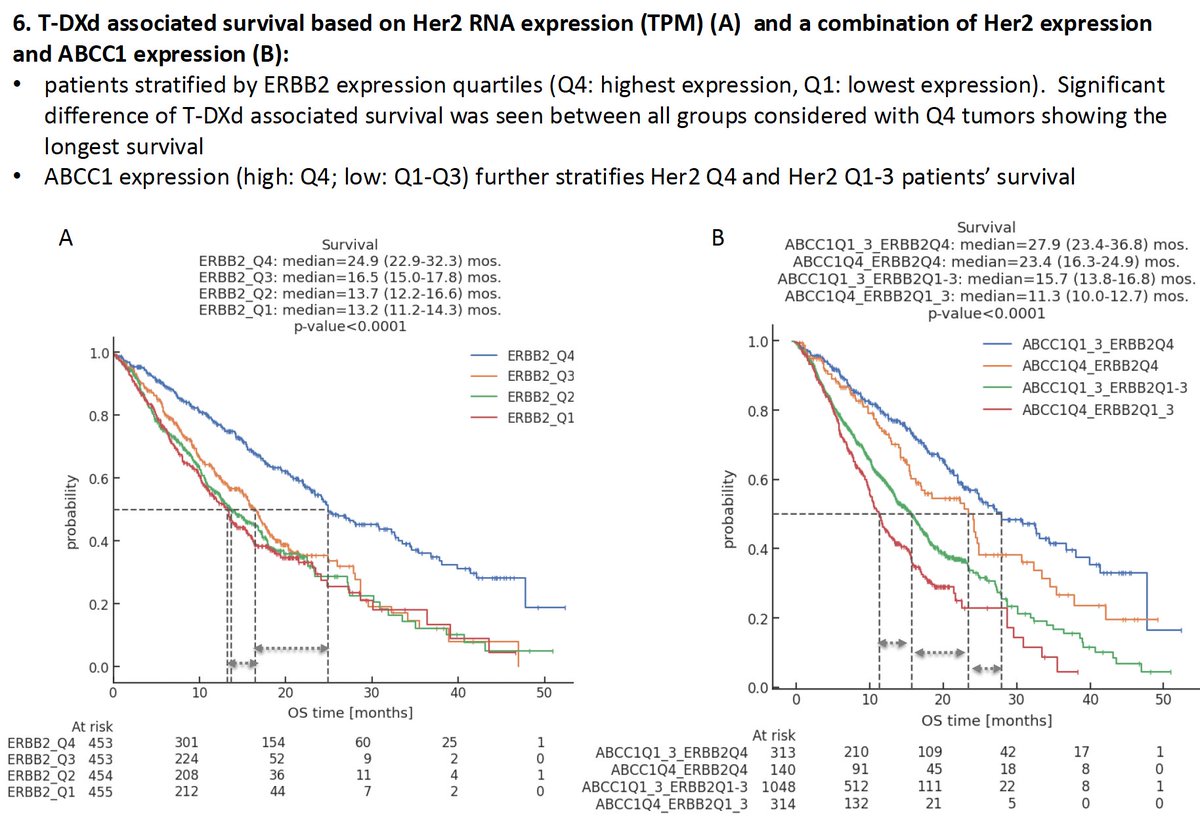
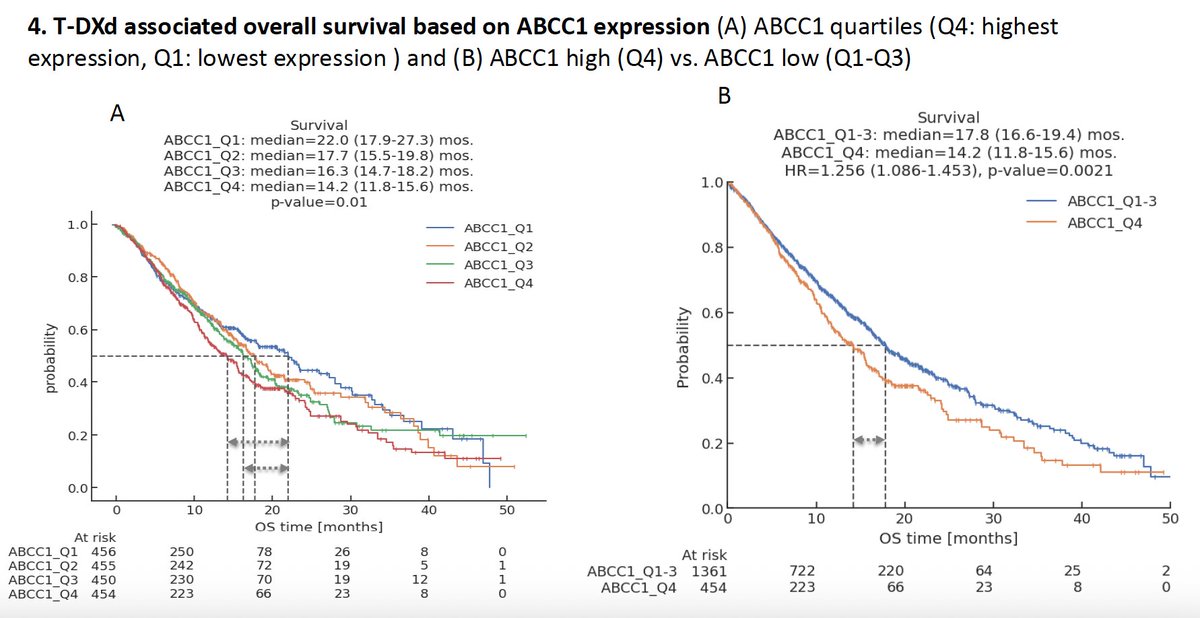
Possible mechanisms of resistance to T-DXd in breast cancer patients using real-world data and multiomic profiling
⬆️ABCC1 and ⬇️ERBB2 showed ⬇️OS, in line with previous works on T-DXd.
Presented at #SABCS24, now published on @Nature_NPJ by @GeorgeSledge51 et al.
(link below)
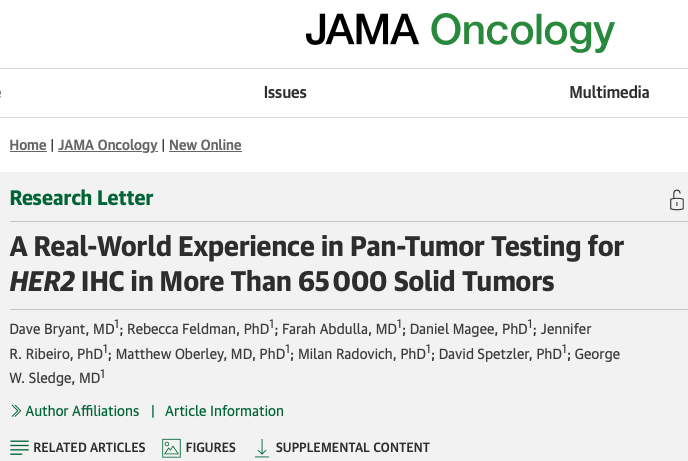
A Real-World Experience in Pan-Tumor Testing for HER2 IHC in More Than 65 000 Solid Tumors
https://t.co/aJjQ4aAJR0
Trastuzumab deruxtecan-nxki (T-DXd) received tumor-agnostic FDA approval in April 2024 for adults with unresectable or metastatic HER2-positive (IHC 3+) solid tumors lacking other treatment options, based on responses seen across three DESTINY trials. This prompted widespread HER2 IHC testing across tumor types, leading to the first large-scale report on real-world HER2 IHC 3+ prevalence using standardized interpretation criteria. Among over 65,000 tested patients, HER2 IHC 3+ rates varied widely by cancer type, with #BladderCancer showing the highest prevalence (13.9%), while others—like gliomas, sarcomas, #ProstateCancer, and kidney cancers—had minimal or no expression.
These findings suggest universal HER2 testing may not be necessary for all solid tumors, and a more targeted approach—initiating HER2 IHC only after identifying ERBB2 amplification or overexpression via comprehensive genomic profiling—could reduce unnecessary testing while optimizing workflow and cost-efficiency.
Dave Bryant
Rebecca Feldman
Farah Abdulla
Daniel Magee
Jennifer R. Ribeiro
Matthew Oberley
Milan Radovich
David Spetzler @carisls@GeorgeSledge51
@TNBCFoundation@HayleyDinerman What a champion for women with TNBC. And what a great supporter for the researchers trying to end this scourge. Hayley, we owe you a great debt for your tireless work.
@carisls Our paper is the first broad view of tissue agnostic indications based on a large, solid dataset. We need to rethink what “tissue agnostic “ means, and how we approach tissue agnostic approvals.
Caris has published a 295,000+ patient study revealing variable efficacy among cancers for patients treated with tissue-agnostic drugs and uncovering the potential for expanding approvals to other drugs in the same class. Learn more: https://t.co/9KLlTAZMF9
Triple Negative Breast Cancer is a complex and aggressive form of breast cancer. Ahead of Triple Negative Breast Cancer Awareness Month, what is one thing you wish others were aware about living with TNBC?
Share your experiences in the comments 👇
#TNBCFoundation#TNBC
Caris Chief Scientific Officer Milan Radovich, PhD, shares insights on how Caris Assure sets a new benchmark in #liquidbiopsy profiling. Join us in transforming patient care through innovative solutions: https://t.co/VjQF7r92Y2