It is important that students are developing 21st Century capabilities. An integrated curriculum is an effective way to teach 21st Century skills such as critical thinking, creative thinking, citizenship, character development, and communication.
Earth Cubs is an engaging tool to inspire kids to learn about protecting planet earth! They provide games, videos and a range of creative teaching resources. Can you embed this in your classroom? #UoNTeach#educ4750
What is Earth Cubs? https://t.co/rpVrzhE2vW
via
@YouTube
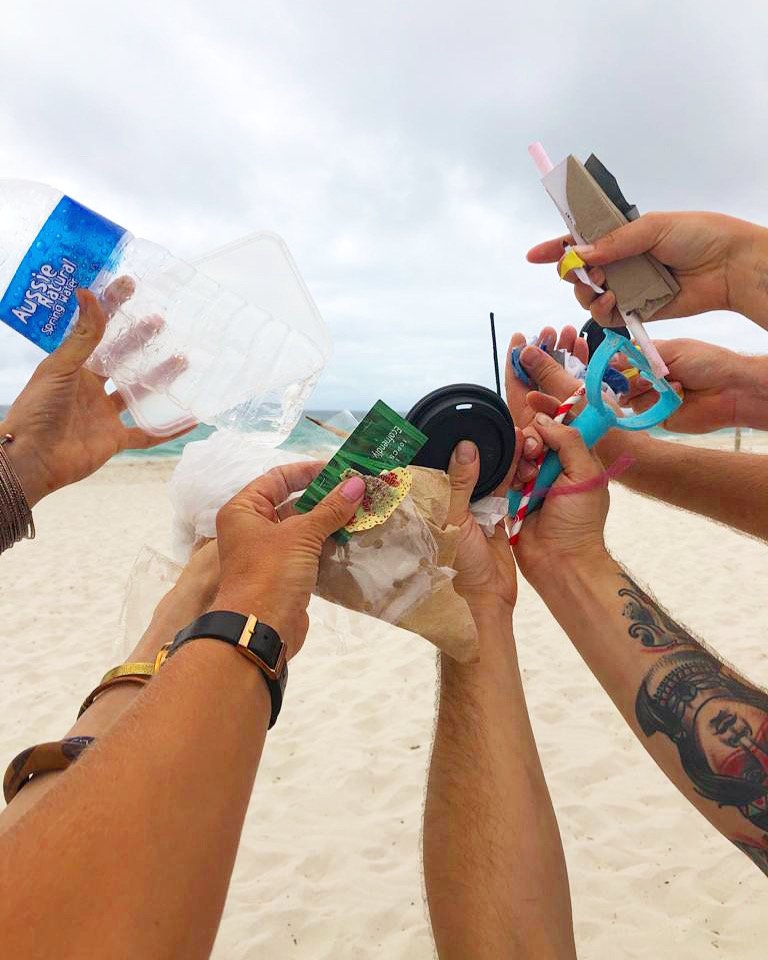
Did you know that Australians use about 10 million plastic straws a day?
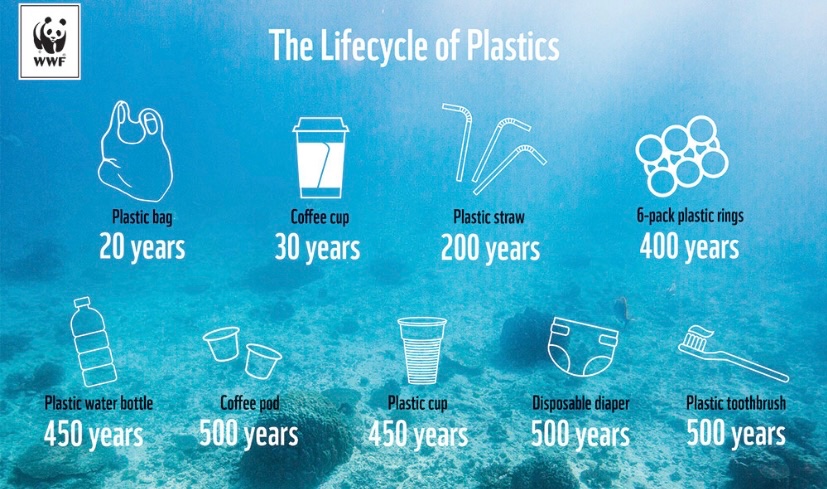
Use this image to prompt a discussion about the lifecycle of plastics. Discuss ways we can reduce plastic use to protect #lifebelowwater.
(WWF Aus, 2018)
#SDG14#educ4750#UoNTeach
Wonderful insight into understanding why #SDG14 is important! We depend on our oceans to survive. What can you do to keep our oceans clean? #UoNteach#educ4750
Why is #SDG14 important?
>Over 3 billion people depend on marine resources for their livelihood.
>They are the primary regulator of the global climate.
>Oceans host huge reservoirs of biodiversity.
>Oceans also provide us with water and the oxygen we breathe.
#UoNTeach#educ4750
Take 3's Community Education Programs provide the opportunity to involve the community in hosting events made to educate about plastic pollution in a creative way! They do film nights, talks and clean ups. Could your local school become involved? #UonTeach#educ4750
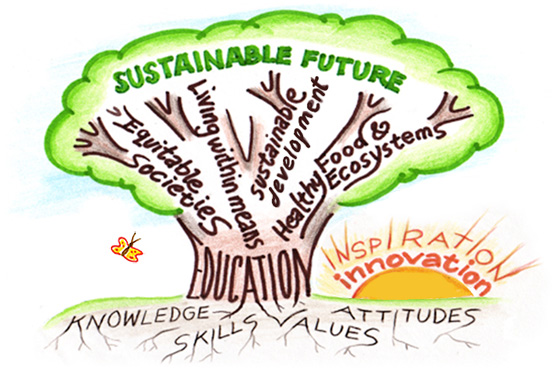
As a teacher, it is important that we are developing essential knowledge, skills and values to better include sustainability education in our teaching and learning practices. This is becoming a requirement around the world.(Evans, 2019)
#UoNteach#Educ4750
What a great art activity to incorporate into a unit of work focusing on #SDG14. Students will use recycled bottle lids to create an artwork as a whole class to help reduce plastic in their school. #UoNTeach#educ4750
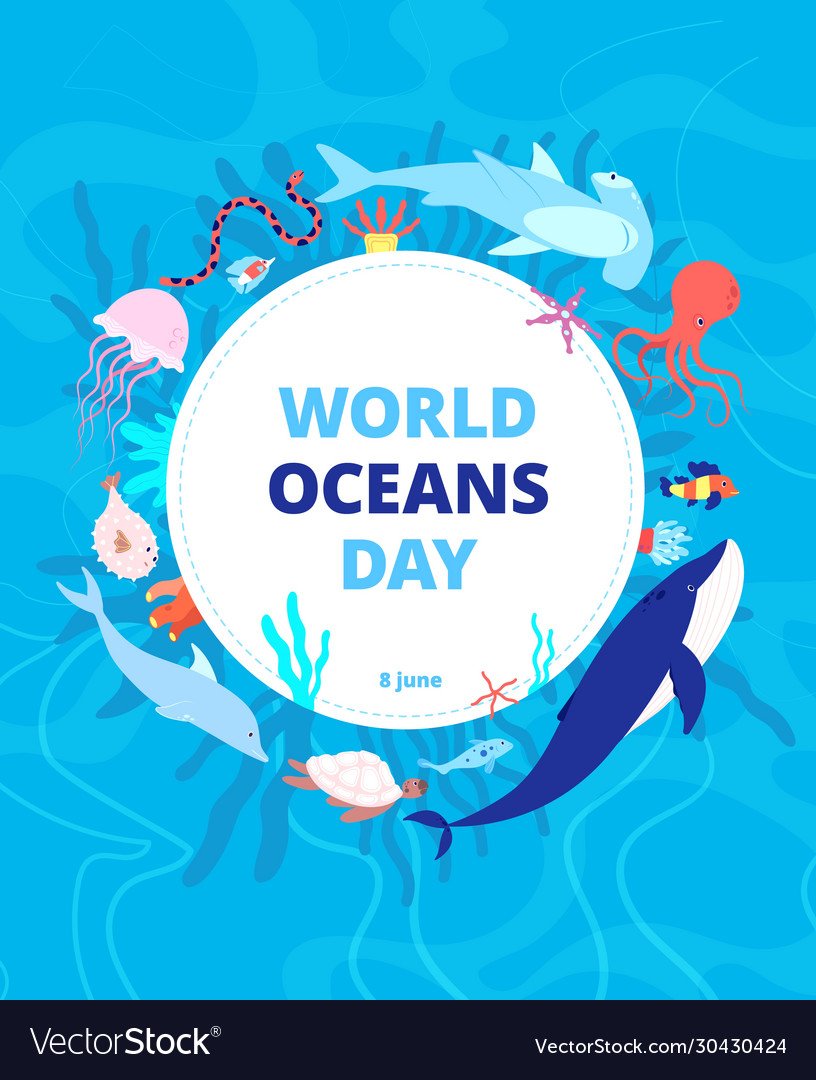
World Oceans Day creates awareness of the critical role the oceans have on our every day life! It is a fantastic way to involve the community in sustainability management to protect the world's oceans.
#UoNteach#educ4750
Did you know you can book in a @seashepherd education program to come into your school?
The experts will talk about the oceans ecosystems and how the we can take action to protect marine life.
#UonTeach#educ4750
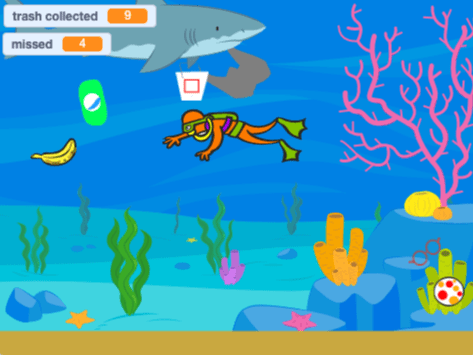
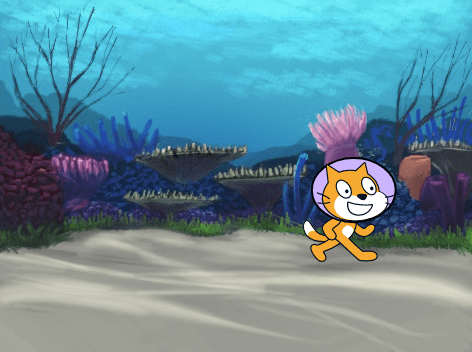
This is a fantastic ICT tool to educate children on why clean water is essential for our planet. In this Scratch Project students will use coding to create games, tell stories, and even to solve real world environmental problems.
#UonTeach#Educ4750
How do you know if your students are globally competent? They are able to:
-Investigate the world beyond their immediate environment.
-Recognise perspectives respectfully.
-Communicate ideas effectively
-Take action to improve conditions (Mansilla, 2011)
#Educ4750#UoNteach
8 million pieces of plastic pollution find their way into our water bodies daily.
79% of plastic waste is sent to landfills or the ocean, while only 9% is recycled, and 12% gets incinerated.
25 trillion macro & 51 trillion microplastics litter our oceans.
Fantastic idea! As teachers, it is important that we are implementing ICT for learning during our lessons. @BronteeGodden I agree, we need to utilise online resources like the Young Ocean Explores website to teach students about plastic pollution.
#UoNteach#Educ4750#SDG14
This is a fantastic website by the Young Ocean Explorers. There are a number of valuable resources related to our ocean. Why not use this website to teach students about plastic pollution, whilst integrating technology into a 21st century classroom?
#SDG14#UoNteach#educ4750
Did you know that over 1 million plastic bottles are purchased every minute around the world? (Take3 2018)
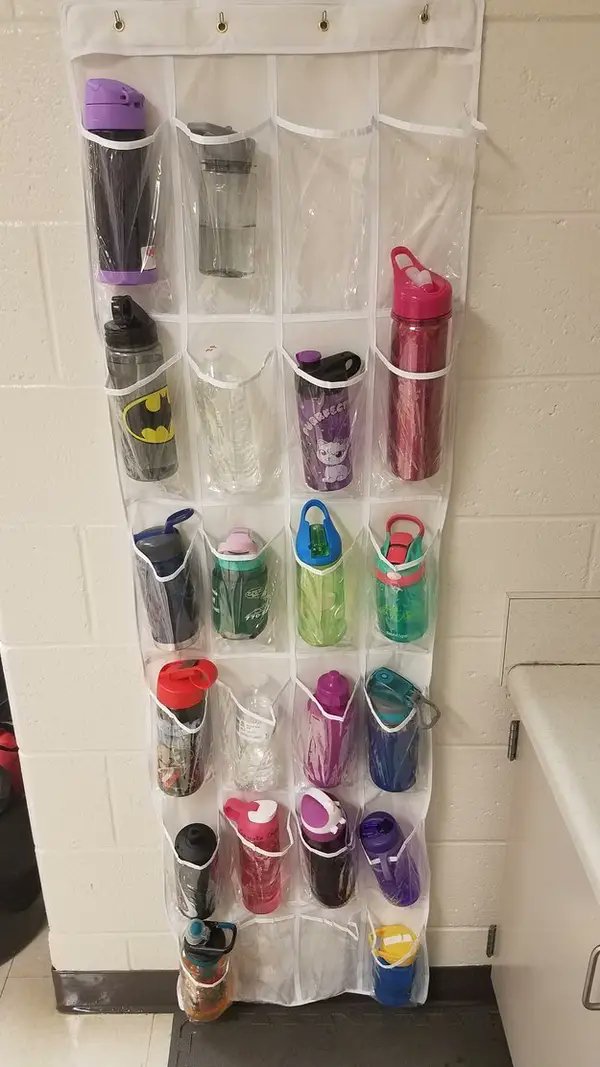
This is a great way to promote using reusable water bottles in the classroom! Convenient but effective initiative to becoming a sustainable classroom. #UoNteach#Educ4750
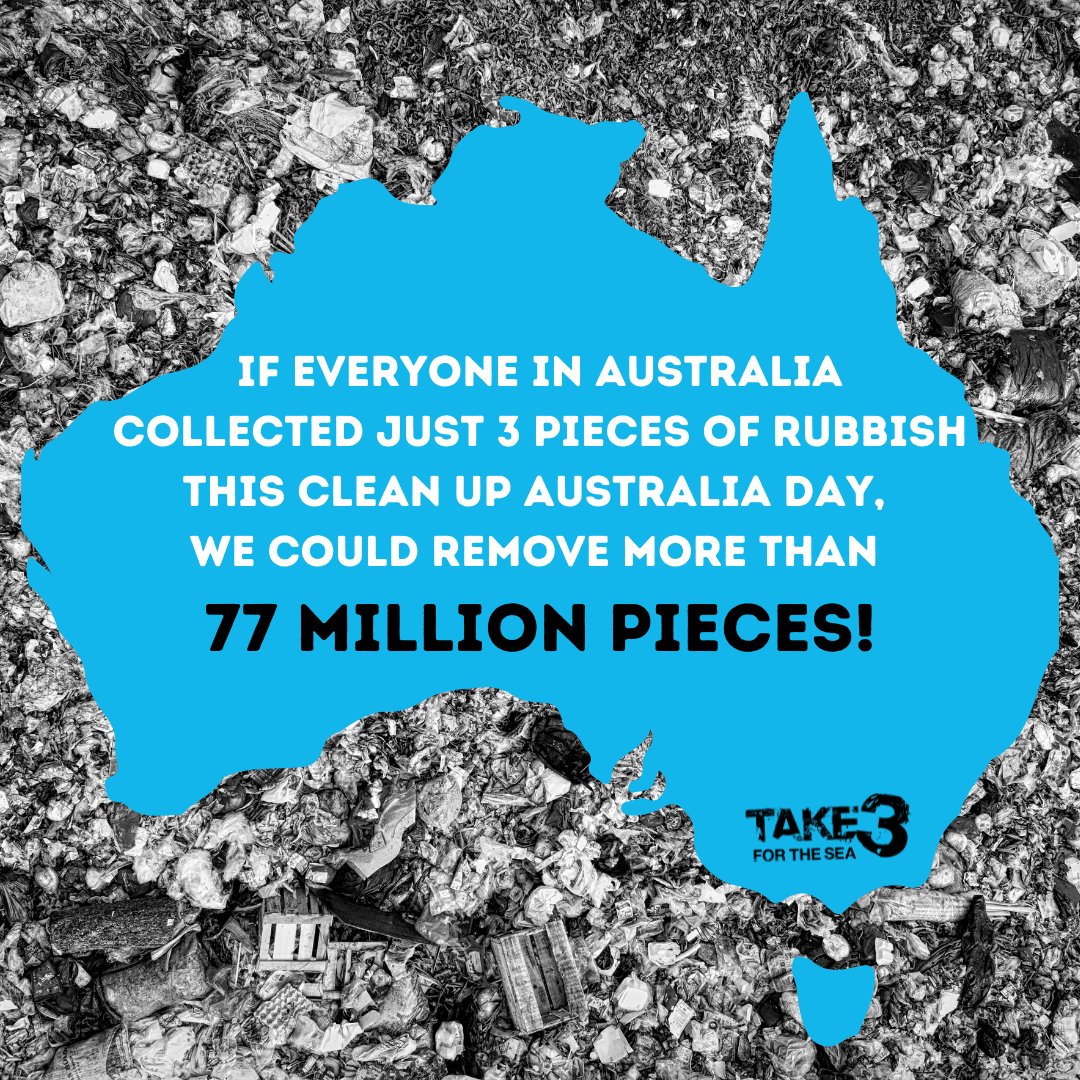
Image the impact we could have if everyone in Australia collected just 3 pieces of rubbish this #CleanUpAustraliaDay 💭
Use the code: AUSDAY20 to get 20% off Take 3's small Clean Up kits via https://t.co/6skWV4s4sU
We actually know Mars better than we know most parts of our ocean.
How can we protect life below water if only 5% of the ocean has been explored?
UNESCO is at the forefront to help #SaveOurOcean through #OceanScience: https://t.co/dI1paEZMnE #GlobalGoals
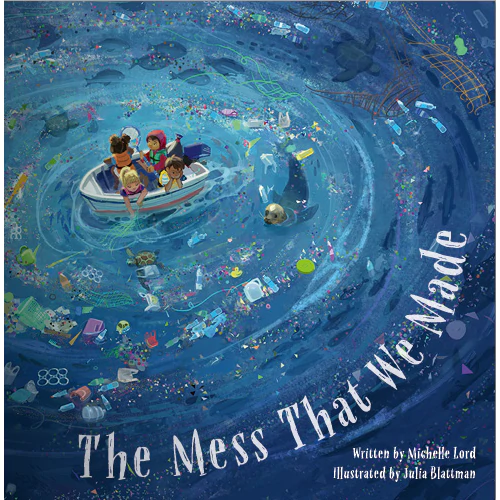
Utilising children's literature can be a powerful way to educate the future generation on the environmental impact trash and plastic can make on our ocean. Highly recommend reading this book to the children in your life. #UoNteach#Educ4750
Knowing the facts is critical when protecting the #LifeBelowWater@GlobalGoalsUN states that over three billion people depend on marine and coastal biodiversity for their livelihoods.
#UoNteach#Educ4750
Did you know? High seas cover 40% of our planet 🌊🌎 They hold great #biodiversity but also remain the least-protected areas on Earth.
Discover why safeguarding the high seas is critical for people & #ForThePlanet: https://t.co/myXmzZ50sw