Das muss man sich mal auf der Zunge zergehen lassen: Die Genehmigungen für Windparks haben sich gegenüber 2017 *verzehnfacht*.
Wenn sich das so verstetigt, können wir bald mit 10+ GW Onshore-Zubau im Jahr rechnen.
Das ist dann wohl dieses Deutschland-Tempo.
We are delighted to contribute our market analytics to this world-leading project by
@H2GreenSteel - an important milestone in industry decarbonisation. We provided bankable forecasts to a consortium of more than 20 commercial banks, led by
@BNPParibas, @ING_news, @UniCredit_PR
Big news alert! We’ve officially inked definitive debt financing agreements, securing €4.2 billion in project financing. We are also boosting the equity raised by €300 million. This means that we have secured funding of close to €6.5 billion in total.
https://t.co/xXKqQzSbUy
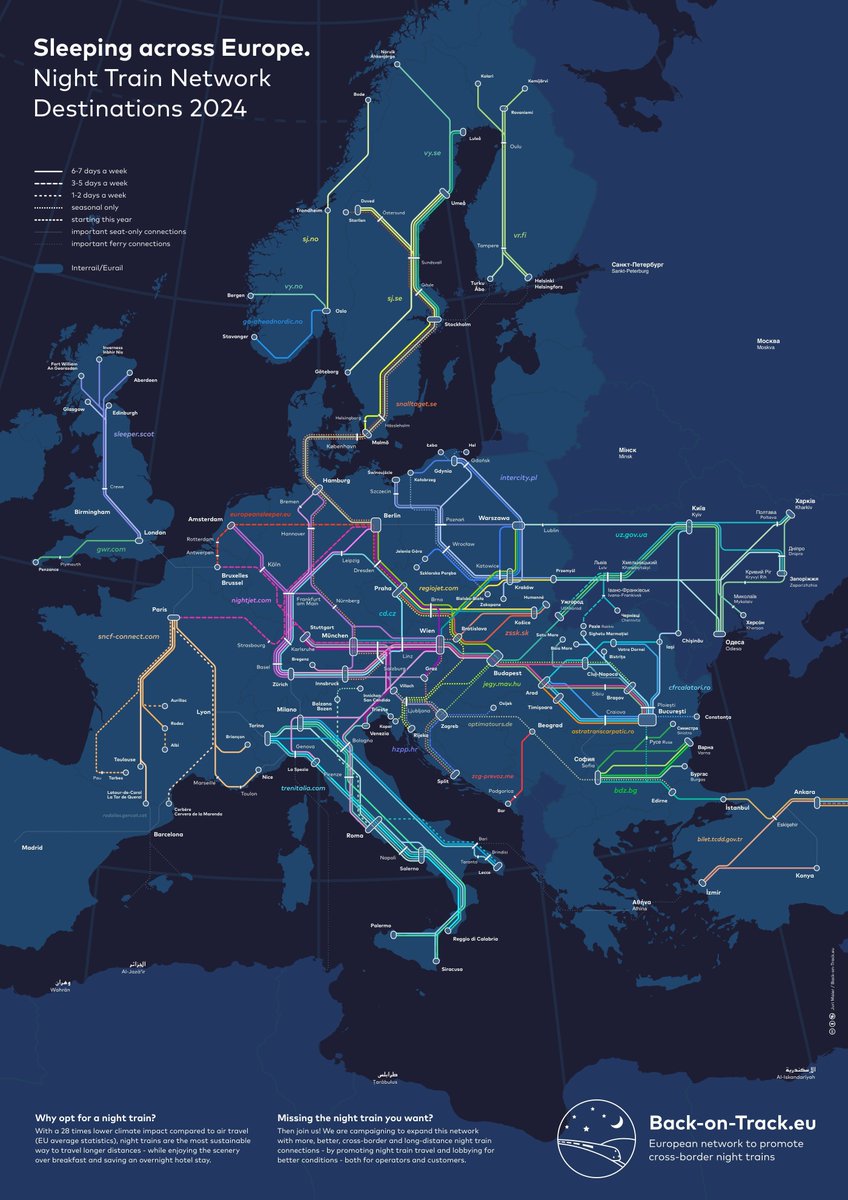
Here's our new #nighttrains map for 2024 including the new lines starting today. Anything missing? Any mistakes? Please note we don't include irregular car-only and cruise trains.
Der Terrorangriff der Hamas auf #Israel ist jetzt bald vier Wochen her. Vieles ist seitdem passiert, die öffentliche Debatte aufgeheizt und verworren. Im Video deshalb einige Gedanken von Vizekanzler und Minister Robert #Habeck zur Einordnung und Differenzierung.
On this week's podcast episode, Lars Peter Lindfors, EVP, Innovation, @NesteGlobal joins @GerardEsser, our Nordics Market Lead discussing how oil refinery business can achieve a carbon neutral value chain by 2040. Listen here: https://t.co/0fUeGna5dV
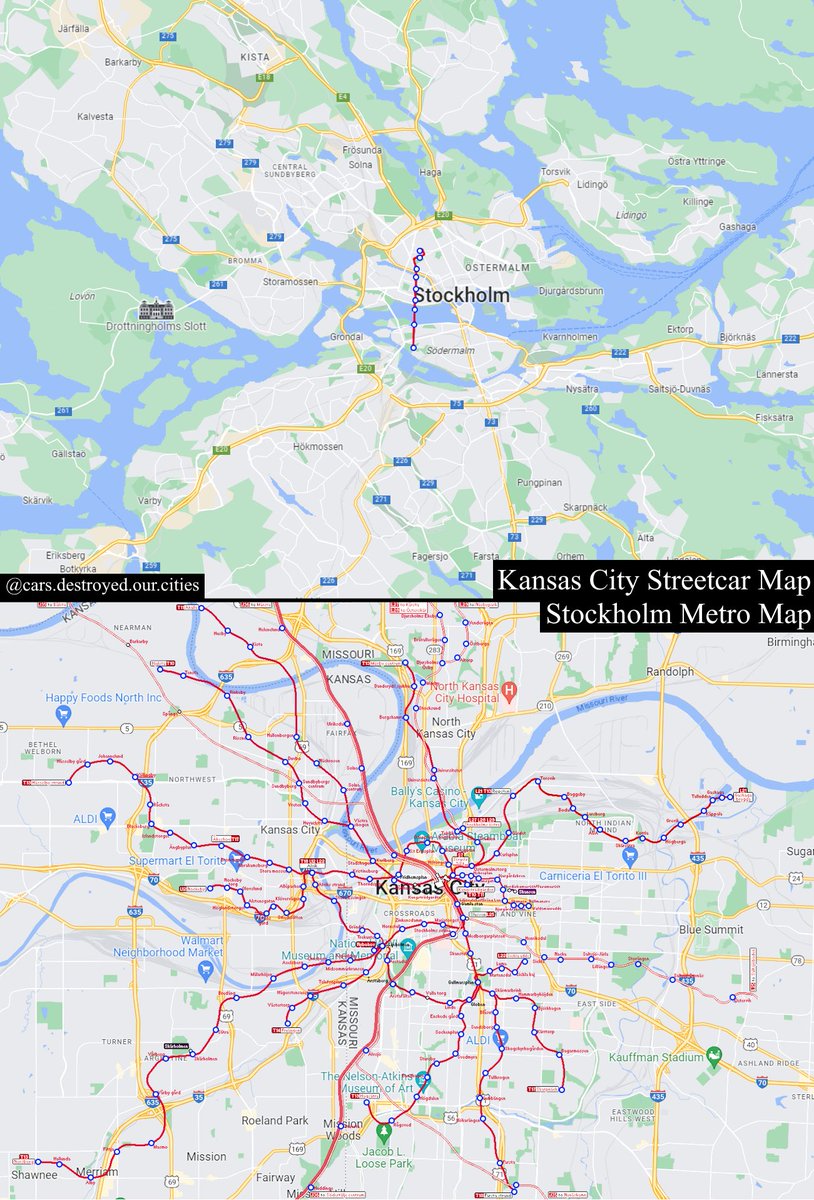
If Stockholm and Kansas City swapped public rail networks, to scale.
Both cities have metro populations around 2.5 million.
Idea Credit: @pushtheneedle
It was a pleasure talking to @LowinaL about the Swedish power sector and @svenskakraftnat's current priorities around bottlenecks and capacity markets. Please tune in!
In our 150th podcast episode, @LowinaL, Senior Vice President, @svenskakraftnat joins @GerardEsser discussing the upcoming priorities of the Swedish Transmission System Operator (TSO), such as the capacity market implementation and solving grid bottlenecks https://t.co/JRBMl76JJR
Do you see the German bar?!🥳🤩
I think German politics and science can be really a little bit proud, that we DID NOT SUPRESS PRICES with our support measures!
This was due to trust in scientific advise and trust in the gas commission* that negotiated the solution
The latest German report on public energy research funding indicates some longer-term trends:
- significant bet on H2
- less focus on generation assets
- declining interest in batteries and PV
- ramp-up in CCS research
https://t.co/nYKfRiDJlx
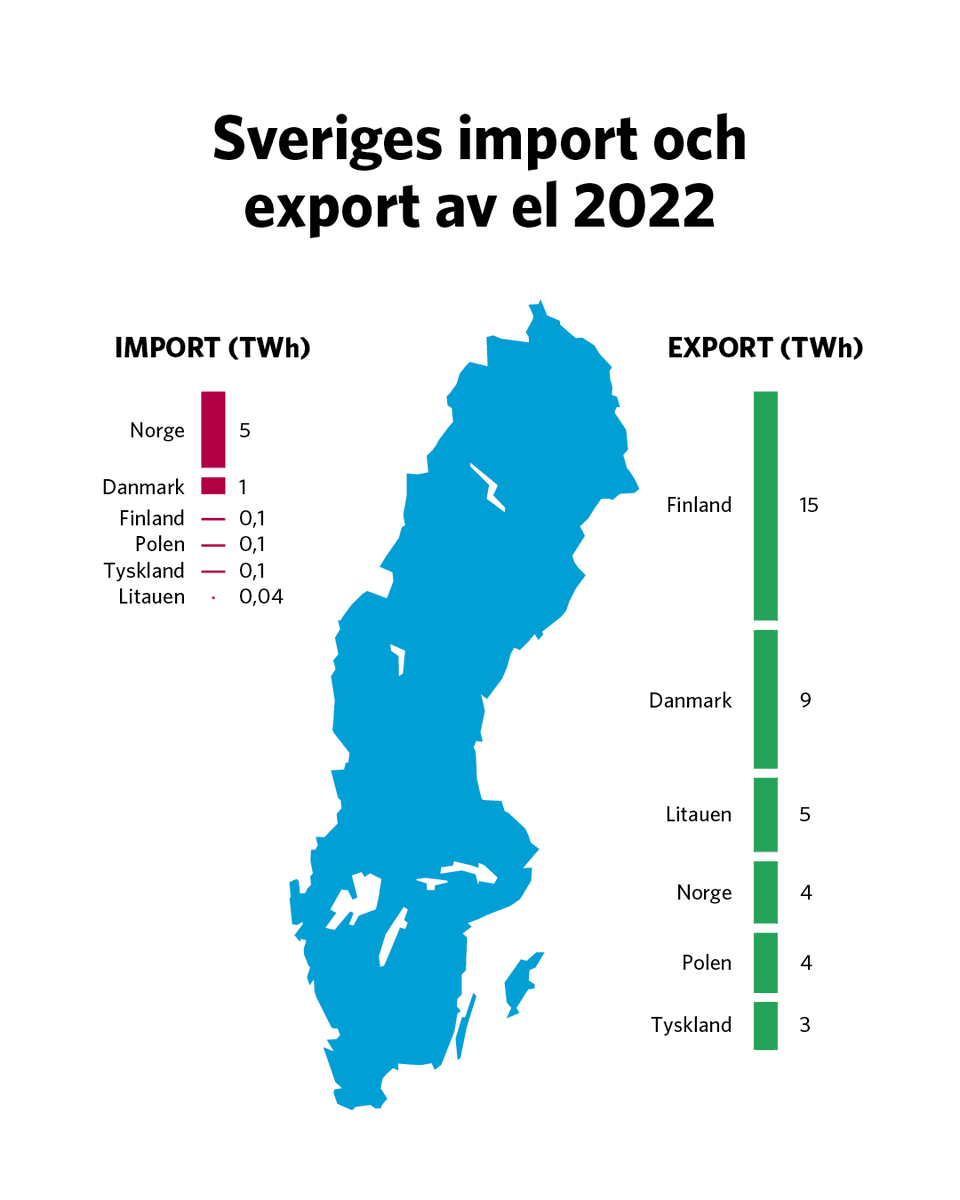
Under topplasttimmen i december 2022 importerade vi el från våra grannländer.
Sett till hela året såg fördelningen mellan export och import ut så här ⬇
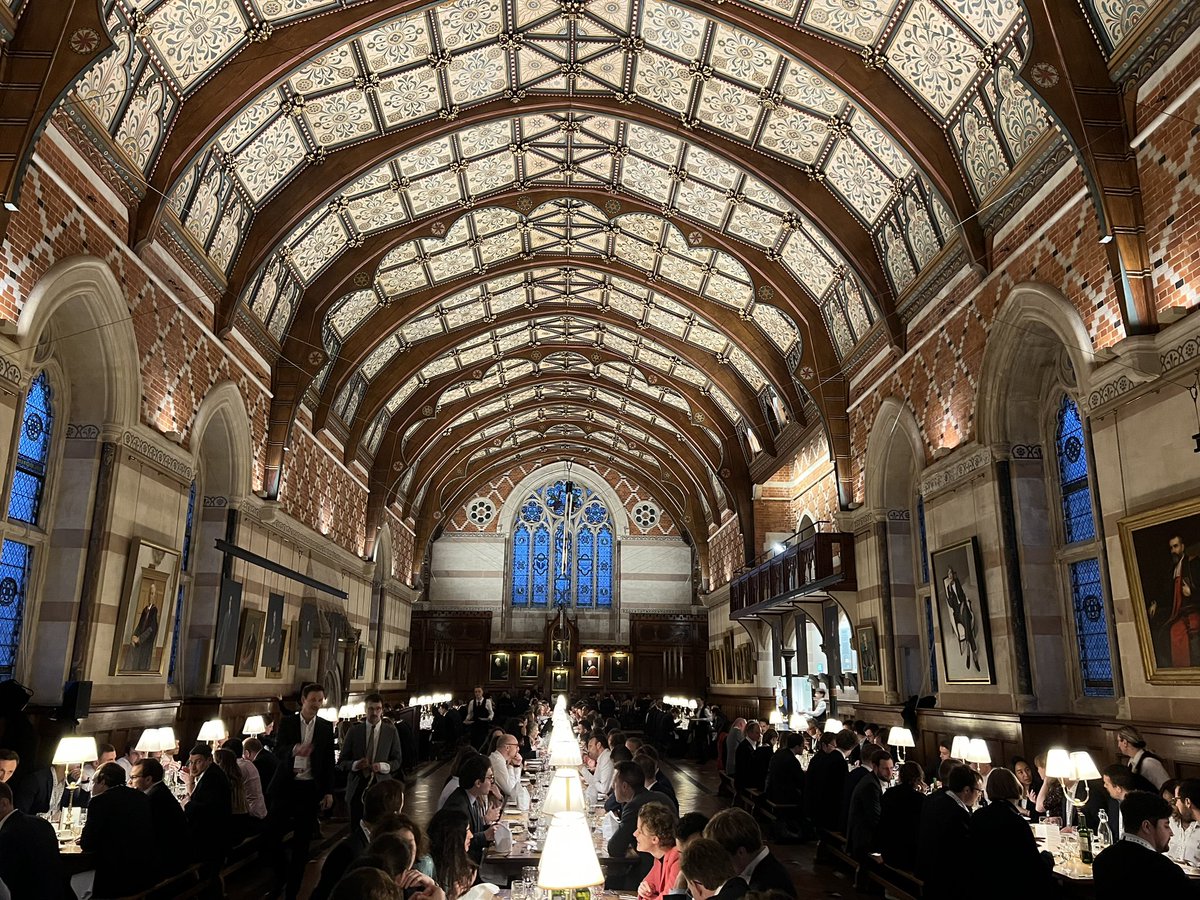
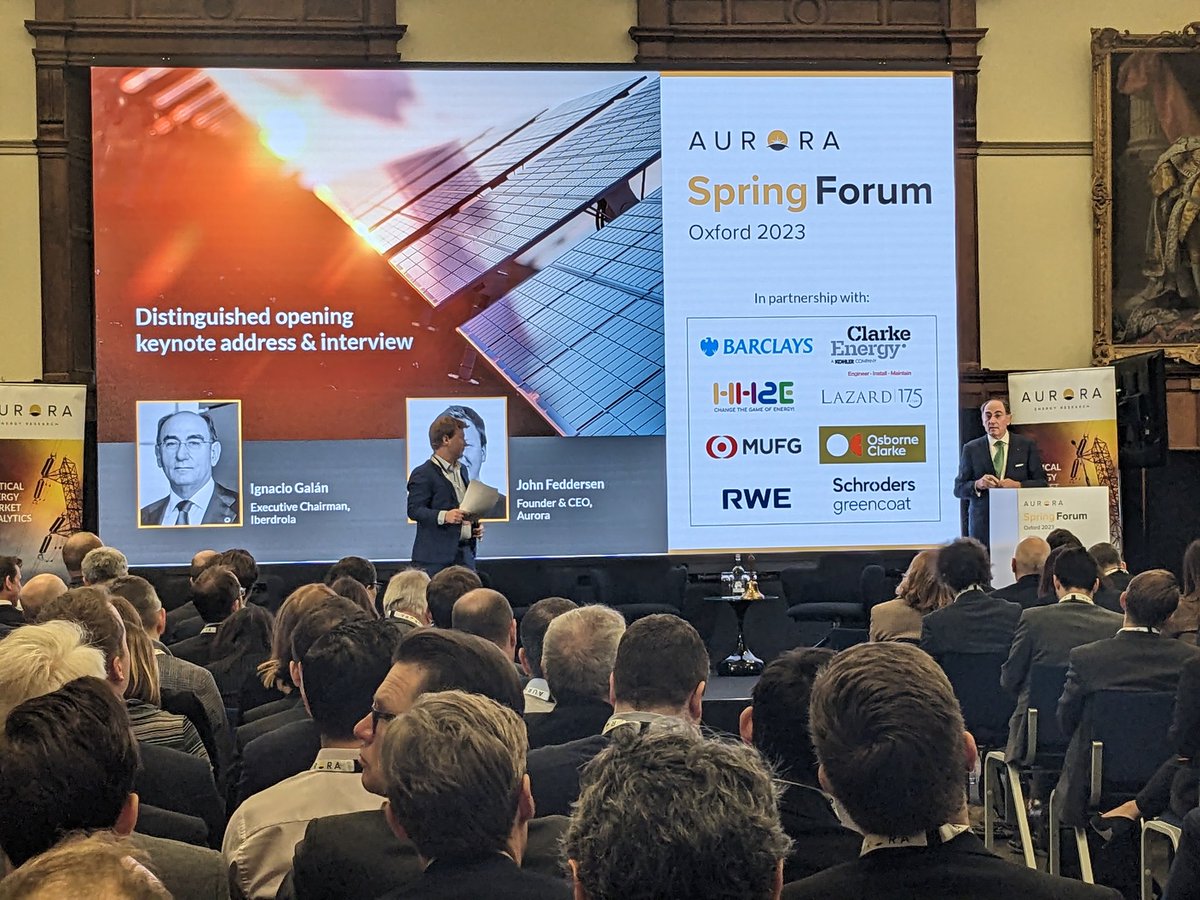
Ignacio Galan, @iberdrola, shares wise words once told to him: "Life is a series of crises with short periods of calm, you have to learn to manage the periods of crisis," in reference to this, the 4th global energy crisis in his 23 years in energy.
#auroraspringforum
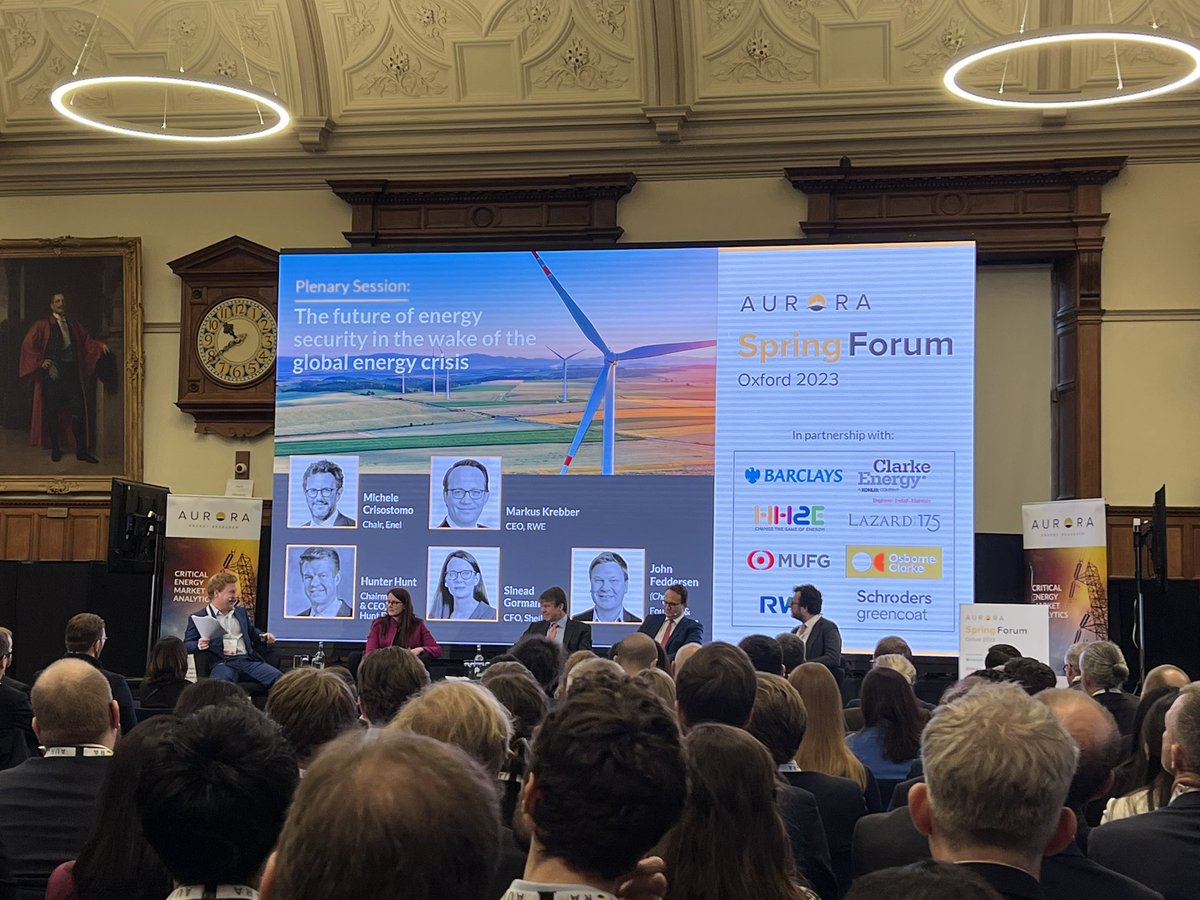
First panel at the #auroraspringforum featuring @RWE_AG’s Markus Krebber, @Shell’s Sinead Gorman, @EnelGroup’s Michele Crisostomo and Hunt Energy’s Hunter Hunt, discussing the links between decarbonisation and energy security.
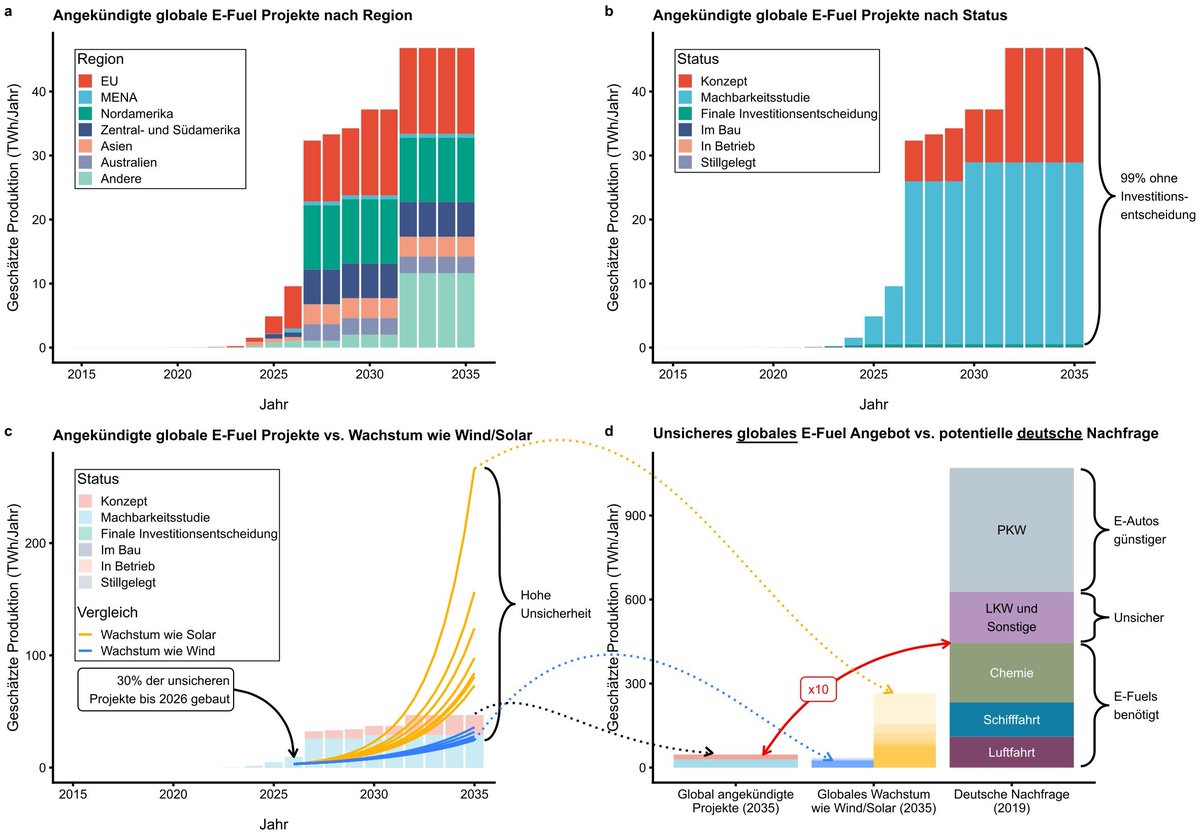
Aus aktuellem Anlass hier noch mal die schöne #eFuels-Grafik vom @PIK_Klima:
Das🌎GLOBALE #efuel Angebot wird 2035 noch nicht mal ausreichen, den Bedarf in 🇩🇪DEUTSCHLAND in den no-regret Sektoren (Flug/Schiff/Chemie) zu decken https://t.co/7DdGBiE0ch @FalkoUeckerdt@A_Odenweller
It was a pleasure talking to @SimonOllus about Fortum's new strategy, the reform of electricity market design and the role of nuclear in the Nordics.
Tune in! 😉
https://t.co/z3Y4wcRFUt
"Wenn wir mit Blick auf Klimaneutralität 2045 schauen, dann müssen wir jetzt fossile Heizungen beenden", sagt @m_sandrock vom Hamburg Institut. Er berät im Bereich kommunale Wärmestrategien und der Integration erneuerbarer Energien in den Wärmemarkt. #tagesthemen (red)
How long does it take to build a nuclear reactor?
Built this chart with global data 👇
Median time = 6.3 years
Mean = 7.5 years
21% less than 5 years.
68% less than 8 years.
83% less than 10 years.
But a long tail – some reactors took decades to finish.