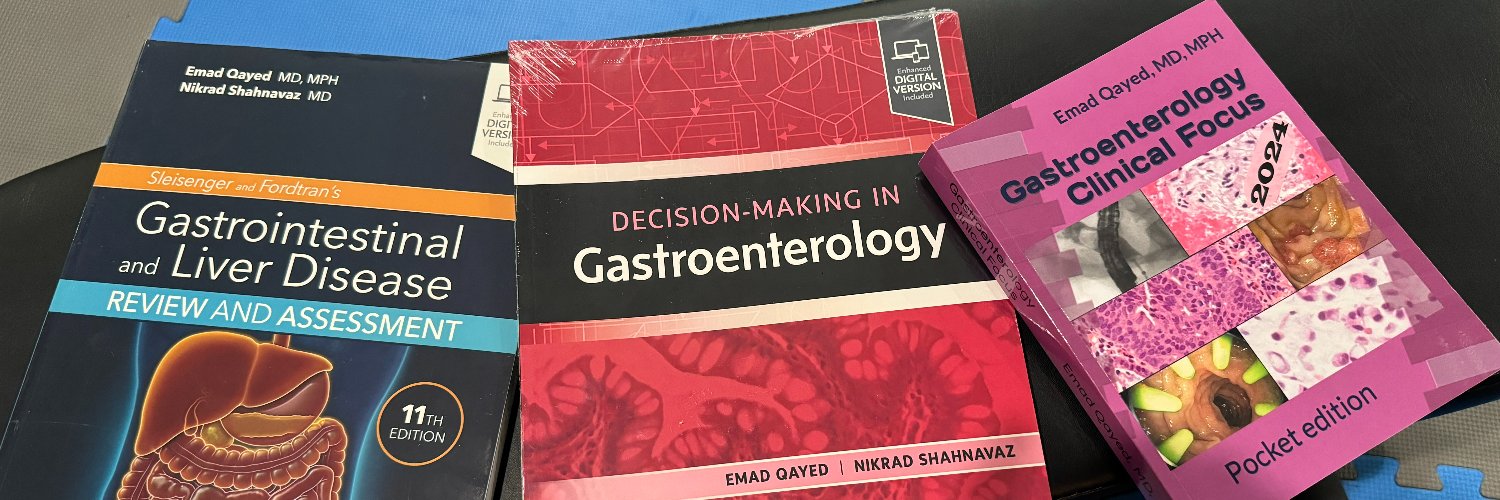
Wrapped up 3 amazing weeks on my GI rotation 🙌 Learned a ton, loved the procedures in the GI lab, great fellows, and even our sidetalks ☕💬! And yes… please ignore my attempt at the stomach blood supply sketch 😂🤓✏️
@GiClinicalFocus Thank you for this masterpiece 👏
#GI #Gastroenterology #MedTwitter #MedEd #ResidentLife #Endoscopy #WomenInGI #GreatBook 📚
Insightful talk by @AmyOxentenkoMD about drivers, impact and strategies for burnout at the @AmCollegeGastro /@VirginiaGastro Regional PG course 2025
🔥 Burnout = emotional exhaustion, depersonalization, low sense of accomplishment ☹️
💡 Systemic causes: long hours, lack of autonomy, poor support
🌱 Prevention = self-care, mentorship & systemic change
🛠️ Wellness toolbox:
⏳ Set boundaries (limit after-hours emails/calls)
🧘♀️ Prioritize sleep, nutrition, exercise, mental health
🌴 Take vacation days & disconnect fully
💻 Work smart: delegate, use tech, avoid multitasking
🤝 Build strong relationships at & outside work
🕊️Align work with values & joy
✨ Invest in your wellness!!
🚨 New @AmJGastro ACG Guideline 🚨
Pre-op risk assessment in chronic liver disease
▪️Assess for CSPH
▪️Use MELD & VOCALPenn for surgical risk
▪️Screen for HCC & EV
▪️>15% 90d mortality → consider LT eval
▪️TIPS in select high-risk cases
🔗 https://t.co/p5JViI35vt
ACG Clinical Guideline: Perioperative Risk Assessment and Management in Patients With Cirrhosis | Official journal of the American College of Gastroenterology | ACG https://t.co/JvJ23exjHC
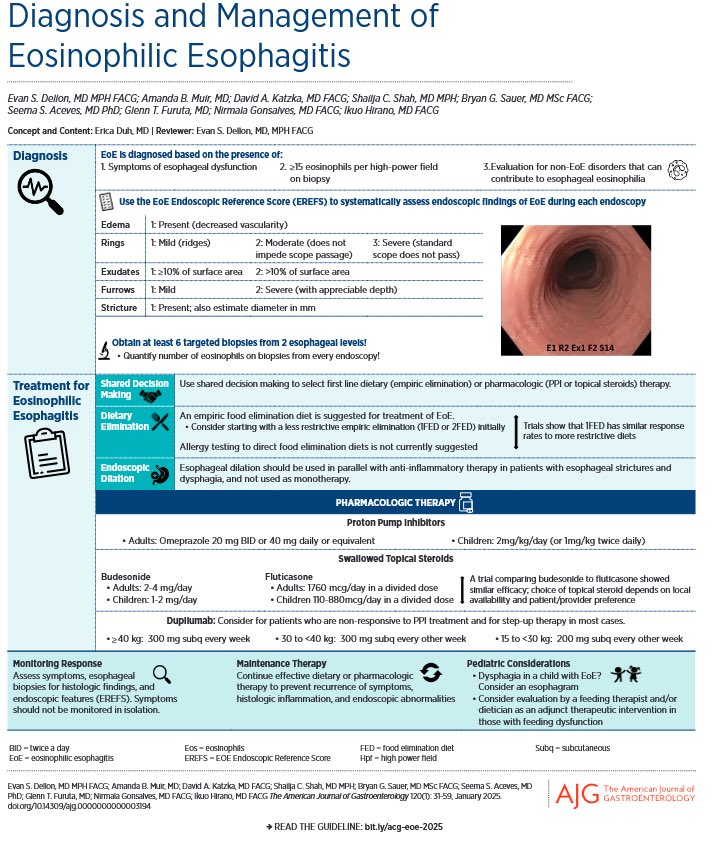
I still accept weak or conditional recommendations in a guideline, it does not mean we discard the document. It actually demonstrates that the authors, content experts, and methodologists underwent a thorough process, reviewed relevant data, and based on this comprehensive approach, they are providing weak or conditional recommendations. By doing so, they are inviting the reader to consider such interventions, and it is up to the reader to determine how this recommendation applies or doesn’t apply to their patient. Indeed, weak and conditional recommendations may be misinterpreted and treated as dogma, but that is not the fault of the guideline document.
Agree one many things here, but with some reservations. Agree that a “strong” recommendation better be really strong based on clear benefit, otherwise it subverts “equipoise” and prevents researchers from doing a trial to actually find out if an interventiiin is helpful. example is “aggressive fluid resuscitation “ in acute pancreatitis , which was a strong recommendation in 2013, and treated as dogma for many years until an RCT challenged that and found that aggressive fluid resuscitation is not any better and likely harmful. The strong recommendation has that effect, but a conditional recommendation should not have that effect (regardless how people interpret conditional recommendations)
@aiims1994@stevenbollipo I had this discussion with a colleague recently. "Conditional recommendation, very low-quality evidence" does not mean it is based on opinion. If the GRADE methodology was followed rigorously, then this final statement is based on the careful review and consideration of the PICO question, including population, intervention, and important/critical outcomes, literature review and careful critique of relevant studies addressing the question, followed by am evidence to decision analysis to establish the direction and strength of the recommendation based on the balance of desirable and undesirable outcomes. If this balance strongly favors the intervention, then generally it is a strong recommendation. If the balance is judged to be slightly towards the intervention and is dependent on other factors (special patient population, values and preferences of patients, cost), then a conditional recommendation is usually chosen. This is indeed interpreted as a recommendation that you can consider for most patients, but you do not have to follow it, if for your particular patient, the balance of desirable and undesirable outcomes is not clear. The recommendation is not judged as binary "right" or "wrong"; it is a balance between projected desirable and undesirable outcomes of an intervention, and it is a continuum.
Honored for the opportunity to be the course director along with Dr. Tom Kowalaski for @ASGEendoscopy First year GI fellows course this year. Full house with stellar faculty and the fellows loved the hands on training. This year marks 20 years since this course started
Pro-tip by @SmitDeliwalaMD at the @ASGEendoscopy FYF course this weekend - GI Twitter can be an invaluable resource for clinicians, with networking opportunities and educational updates on latest research and clinical practices 📚📱💻
Thank you Dr. Qayed @GiClinicalFocus for sharing your clinical pearls! Lots of high yield info ✨
#GITwitter #MedEd @EmoryGastroHep