I speak to dozens of the scientists on a weekly basis developing molecular editing tools + working to understand genetic mechanisms of various diseases. Both necessary but not alone sufficient ingredients for a future with embryo selection.
Even for eg. Mendelian traits with lucid genetic mechanisms, the clinical infrastructure for testing molecules to edit embryos is absent. It is still illegal. There is no actual path to the ~5 year timeline in this statement.
For complex disease, like cancer, this claim is far more absurd. We are so far away from even *screening* embryos (predicting if a specific genome will likely lead to cancer), let alone identifying a convincing set of genetic loci to be edited with curative effects on disease and is stable across a treatable population. Statistical genetic tools like GWAS and polygenic risk scores have terrible detection rates, almost certainly because most disease manifests from a combination of genetic, transient epigenetic, immune pathologies, environmental factors, etc.
This statement is wrong and lacks structure. The vague appeal to authority ("smart founder/scientists") to compensate for the lack of structure probably alienates real biotech researchers, working on the constituent technologies that might bring us embryo selection on a much longer time horizon, from SF tech entrepreneurs.
I'm recruiting students / postdocs to join my new lab at the University of Rochester for Fall 2025 onwards! If you're interested in phylogenetic comparative methods, genome evolution, and/or computational biology, please get in touch! More info:
https://t.co/YqAB88jbEA
New blog post @Gencove!
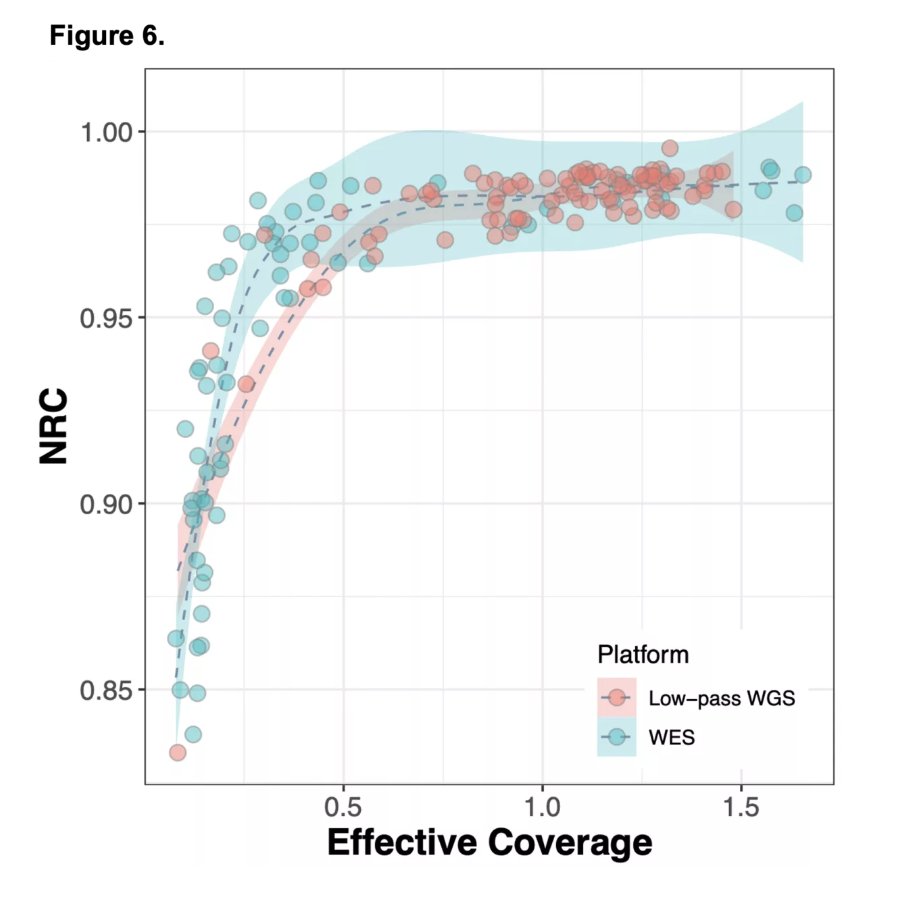
Imputation from off-target exome sequencing reads was one of the original use-cases proposed for low-pass sequencing; we've built pipelines to make this routine https://t.co/59FDg2DIeS
Our lab group is recruiting for a new Postdoc to join us. We are looking for someone to work on projects in Deep Learning and/or Spatial Population Genetics. Please share.
It's a pity that All of Us used UMAP to visualize ancestry variation in their new marker paper, out today in Nature.
The UMAP algorithm, by design, exaggerates the distinctiveness of the most frequent ancestries, a message that can be misinterpreted by the public.
The All of Us paper is rightly being criticized for its UMAP figure, which suggests an overly discrete view of human variation—a problem that is compounded by colouring the plot with self-identified race and then omitting the “self-identified” from the title & legend. 1/n
Save the date! 🚨🚨🚨
The annual Midwest Population Genetics meeting will be held here at Indiana University, Bloomington on August 9-10.
Stay tuned for more info #MWPG24
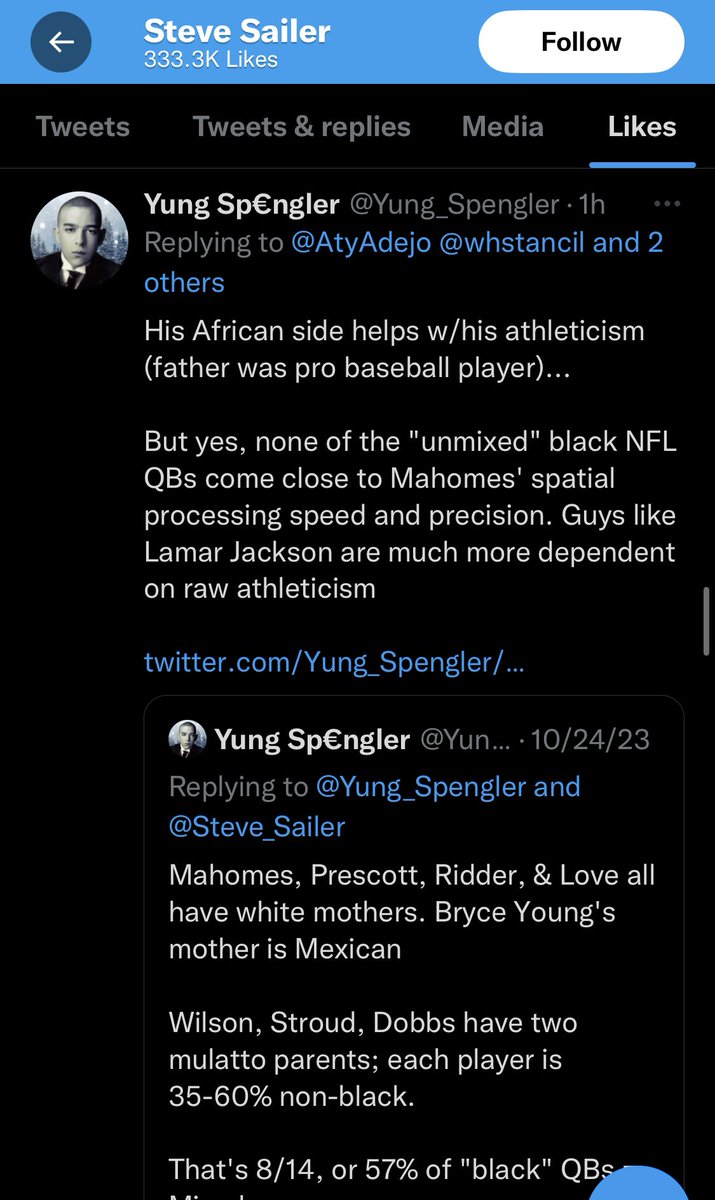
The race science guys make this big show of being smart empiricists looking at complex data, but then the conversation will degenerate — for instance this insane 1890s-style eugenics garbage Sailer is currently liking — and you realize these people are actual morons
Indianapolis has a dedicated trail maintenance team through @IndyDPW — yet the Monon Trail is still not plowed at 5pm after snow trailed off early this morning.
What exactly does this team do?
Why don’t those who walk and bike deserve clear infrastructure after it snows?
.@Gencove has processed 550,000 samples from 35 species.
The bottleneck was previously sequence generation, but that has switched to data processing.
#PAG31
🕸️ NEW on the website today: "Nearby Lens".
"Nearby Lens" builds upon the recently announced "Nearby" feature by letting you drop a pin anywhere on the map to investigate nearby incidents.
Watch this demo video then try it out at the link below.
https://t.co/QO2RfEIG8K