How does habitability of a planet change due to extreme climate change? Find out! Seeking 1 PhD and 1 MS student for "HabMars: Habitability estimates for heterotrophic metabolisms in wet-to-dry transient environments on Noachian Mars". See https://t.co/5uV6xet6dd Deadline Jan 15!
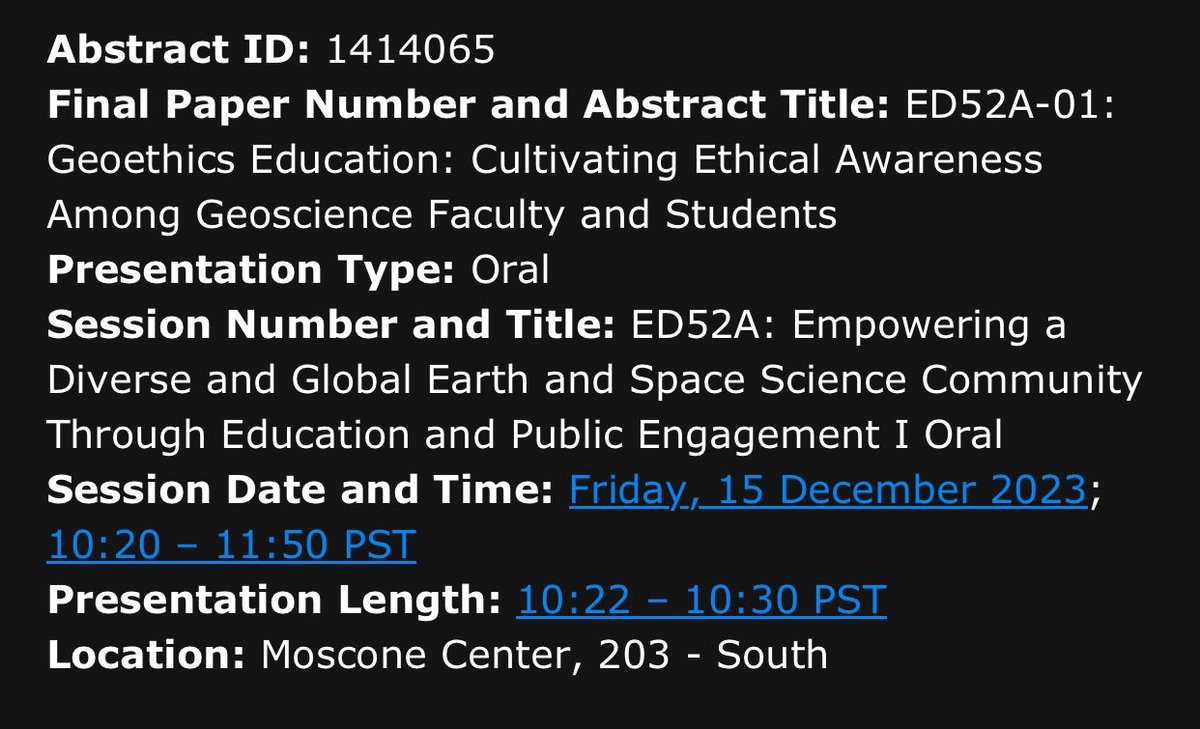
Are you attending AGU and interested in geoethics education? Come listen to my invited talk in room 203 south about how we have been preparing faculty to teach ethics and the influence it’s having on our students at @IUIScience
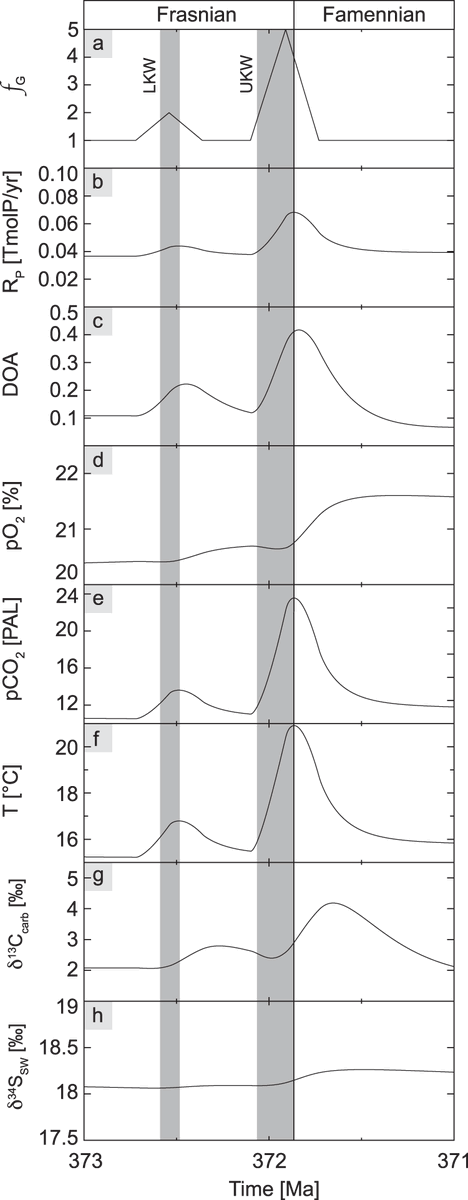
As land plants expanded in the Late Devonian, when volcanic activity released #carbondioxide into the atmosphere, nutrient runoff increased and led to ocean anoxia and marine mass extinction.
Read the paper by @Geo_Matt_Smart@GabeFilippelli et al.👉
https://t.co/knsNcjR8wC
Calling all #undergrads! Apply to JR Academy—live and work aboard the JR while learning about #SciOD, STEM careers, and how #SciComm can bridge Indigenous and Western science. Students from underrepresented groups are encouraged to apply. https://t.co/e7TdNjQq8I
Press release for our new @CommsEarth paper definitely(?) explaining the cause of the Mass Extinction at the end of the Devonian Era, with significant implications for our 6th Mass Extinction, which is happening, uh, right now!
@GilhoolyLab@IUImpact
https://t.co/NkWJf0WjKj
Isotope changes between plant source waters and xylem waters have been increasingly observed. A nice new contribution to tackling the myth.
Quantitative contribution of cryogenic vacuum extraction and radial wa... https://t.co/tOHwqmItCi
Large-scale volcanism has long been a leading theory on the cause of the Late Devonian mass extinction event 372 million years ago.
@IUPUI_ES' @GabeFilippelli and @GilhoolyLab's new research on the expansion of land plants proposes something new. Read ⬇️
https://t.co/GJwk70qhBG
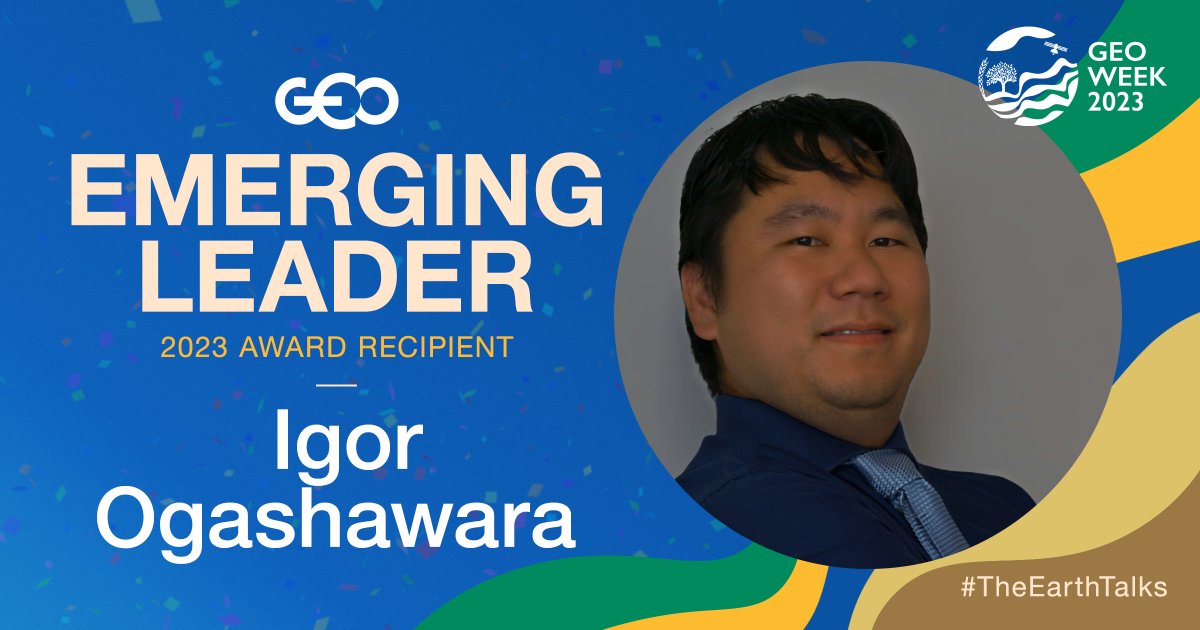
Congrats @igoroga! 🎉🏆
"Promoting aquatic remote sensing among different scientific communities for the co-development of science." – Igor Ogashawara
#TheEarthTalks#GEOWeek2023
I am exited and honored to have been included in the prestigious #HighlyCited2023 list. I am deeply grateful to all my group members, collaborators, and advisors for their invaluable support and contributions.
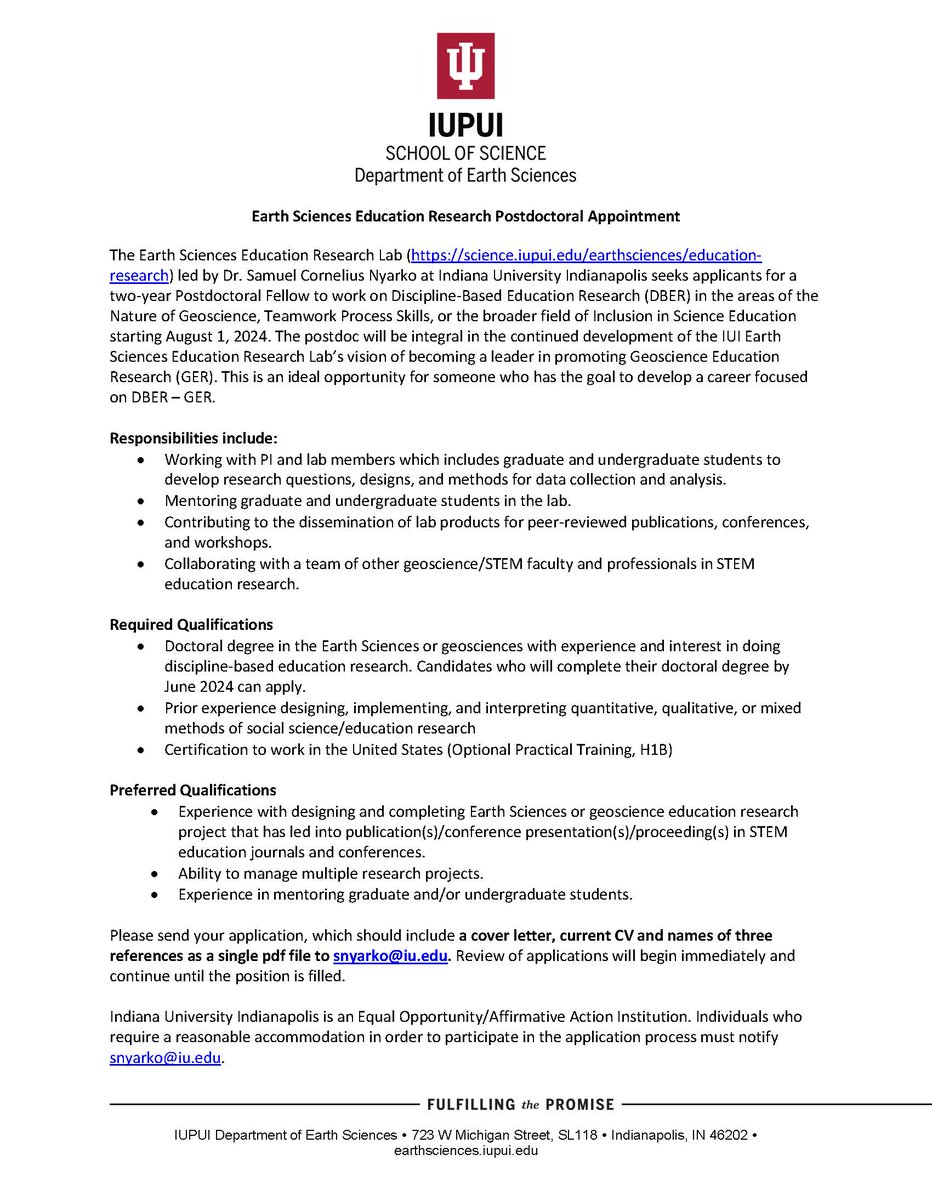
I am hiring a 2-year postdoc researcher to work on Discipline-Based Geoscience Education Research in the areas of the Nature of Geoscience, Teamwork Process Skills, or the broader field of Inclusion in Science Education. Kindly share widely. I'm cool to work and learn with😎
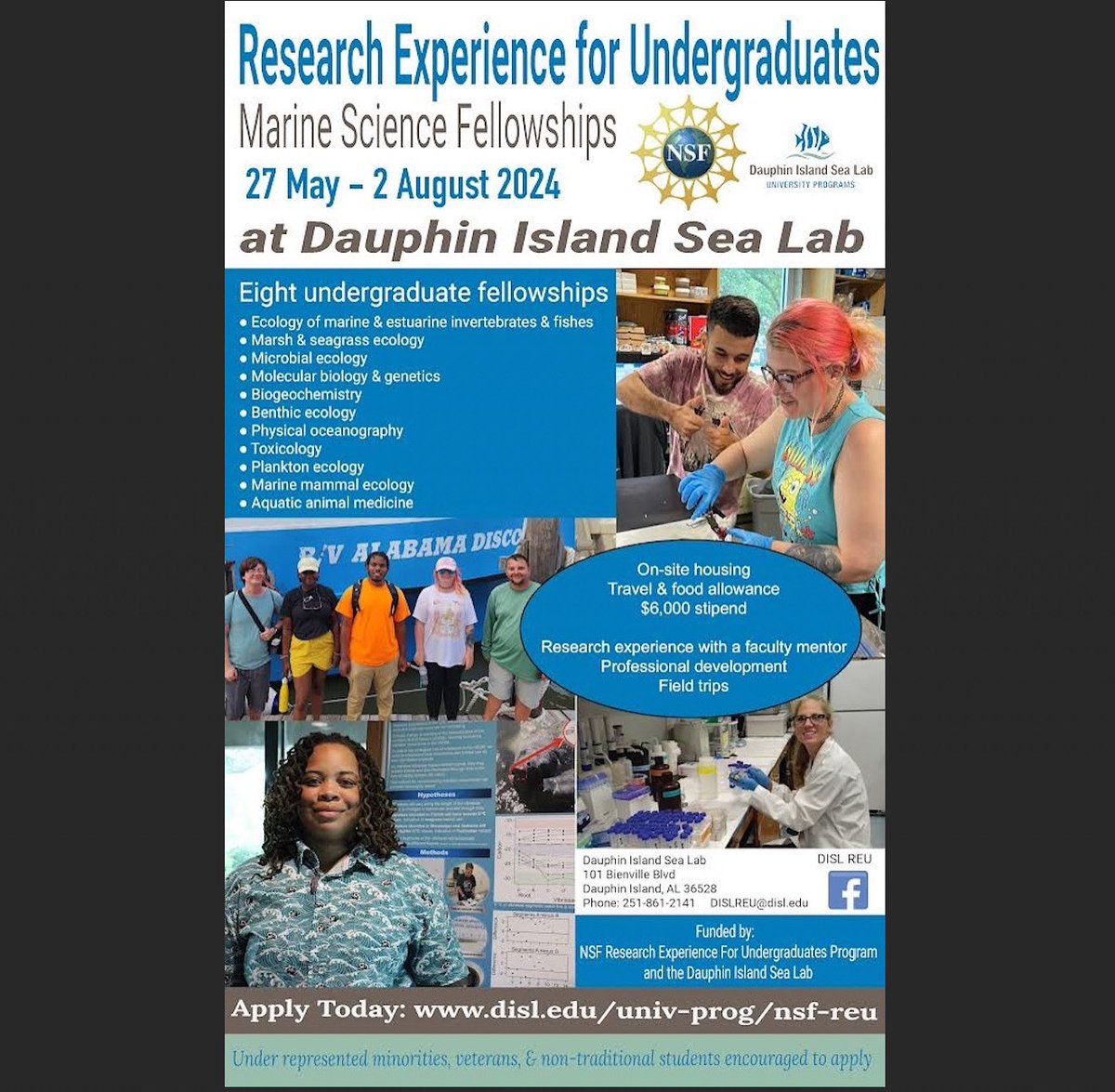
Undergraduate students can work with us and gain valuable research experience this summer by applying for our REU at the Dauphin Island Sea Lab! Check out the flier for more information, and apply at https://t.co/71dXv5TqHt !
Kurt Vonnegut's 8 rules for writing:
1. Use the time of a total stranger in such a way that he or she will not feel the time was wasted.
2. Give the reader at least one character he or she can root for.
3. Every character should want something, even if it is only a glass of water.
4. Every sentence must do one of two things—reveal character or advance the action.
5. Start as close to the end as possible.
6. Be a sadist. No matter how sweet and innocent your leading characters, make awful things happen to them-in order that the reader may see what they are made of.
7. Write to please just one person. If you open a window and make love to the world, so to speak, your story will get pneumonia.
8. Give your readers as much information as possible as soon as possible. To hell with suspense. Readers should have such complete understanding of what is going on, where and why, that they could finish the story themselves, should cockroaches eat the last few pages.
If anybody wants to do #phd with me or with any of the other talented Earth System Processes/Climate faculty at Newcastle and Northumbria, please checkout the OnePlanet offerings: https://t.co/b7S5tcJMUo
My specific project is OP2453.
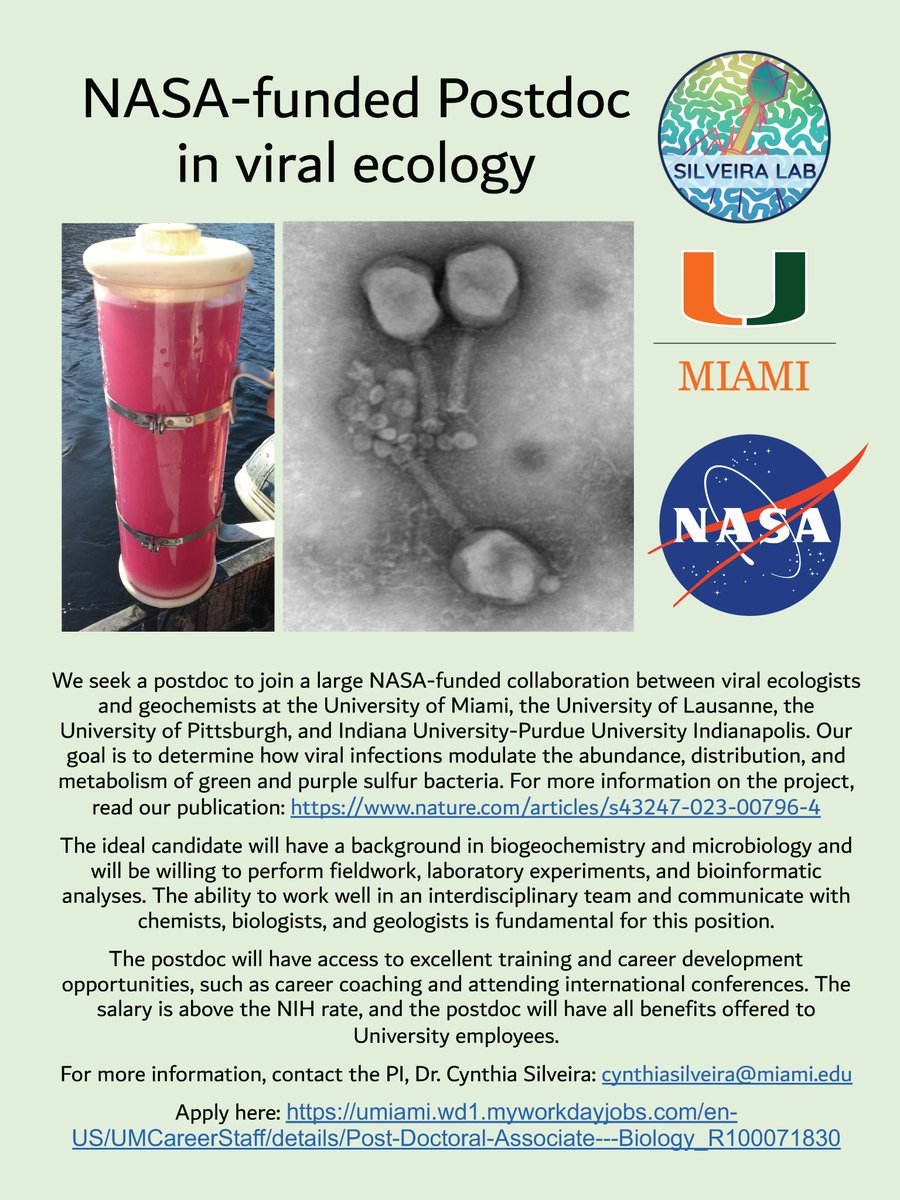
We also have a Postdoc opportunity on the same NASA Exobiology grant with our colleague Cynthia Silveira at the University of Miami. Please check it out! 👇👇👇
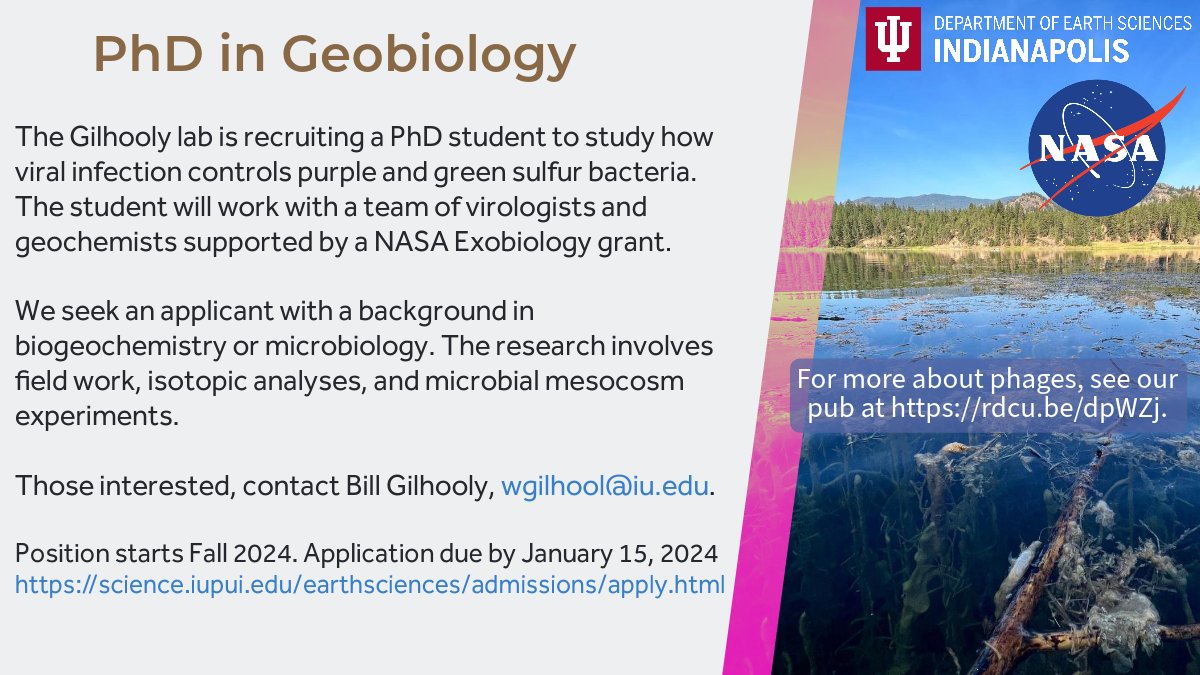
We are recruiting a PhD student to study how phages affect phototrophic bacteria as part of a NASA Exobiology grant. Please contact me with any questions [email protected].
Ben Perrin, associate professor of @IUPUIBiology, was recently recognized as one of eight @IUPUI 2023 Research Frontiers Trailblazers 👏
Read the story: https://t.co/mPg0Z9t6Hs
Watch the (@IUImpact) video: https://t.co/mi87zIzz5E