Welcome to the IUPUI Earth Sciences Club Twitter! Our goal is to present great opportunities for Earth Science students and encourage them to become more involved in their community!
The new “climate normal” is actually quite abnormal
Extreme heat waves broiling the US in 2024 aren’t normal: How climate change is heating up weather around the world https://t.co/tJ6LFm7iZr via @ConversationUS
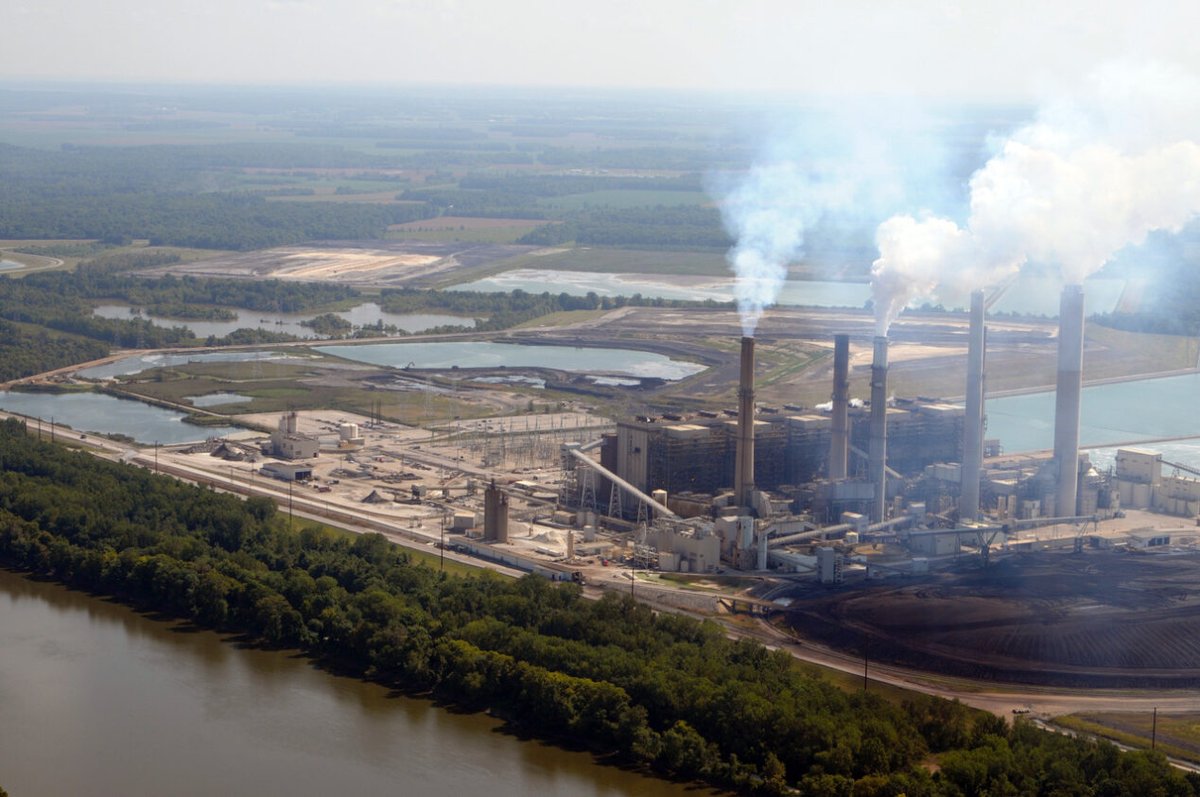
Today @epa closed loopholes in the coal ash rule which means millions more tons of Indiana’s coal ash will be cleaned up. A win for Hoosier communities, and their water supplies.
Read HEC's press release: https://t.co/6QjII6AoQ0
🍷 The Rejoicing Vine Winery in Indianapolis is hosting a Sip, Shop, & Sustain event with HEC! This is a free outdoor event, but space is limited - please register ASAP to ensure we have enough complimentary appetizers for you and each guest.
🔗https://t.co/cnnYSzg2Jg
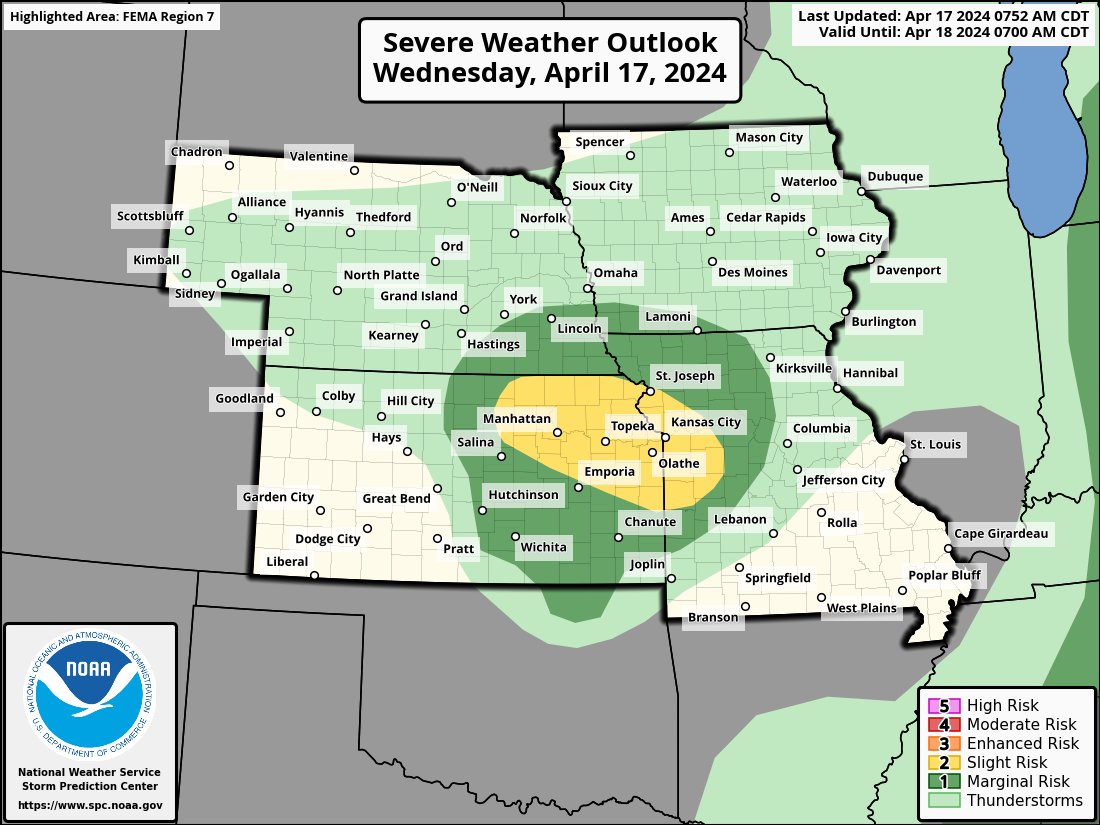
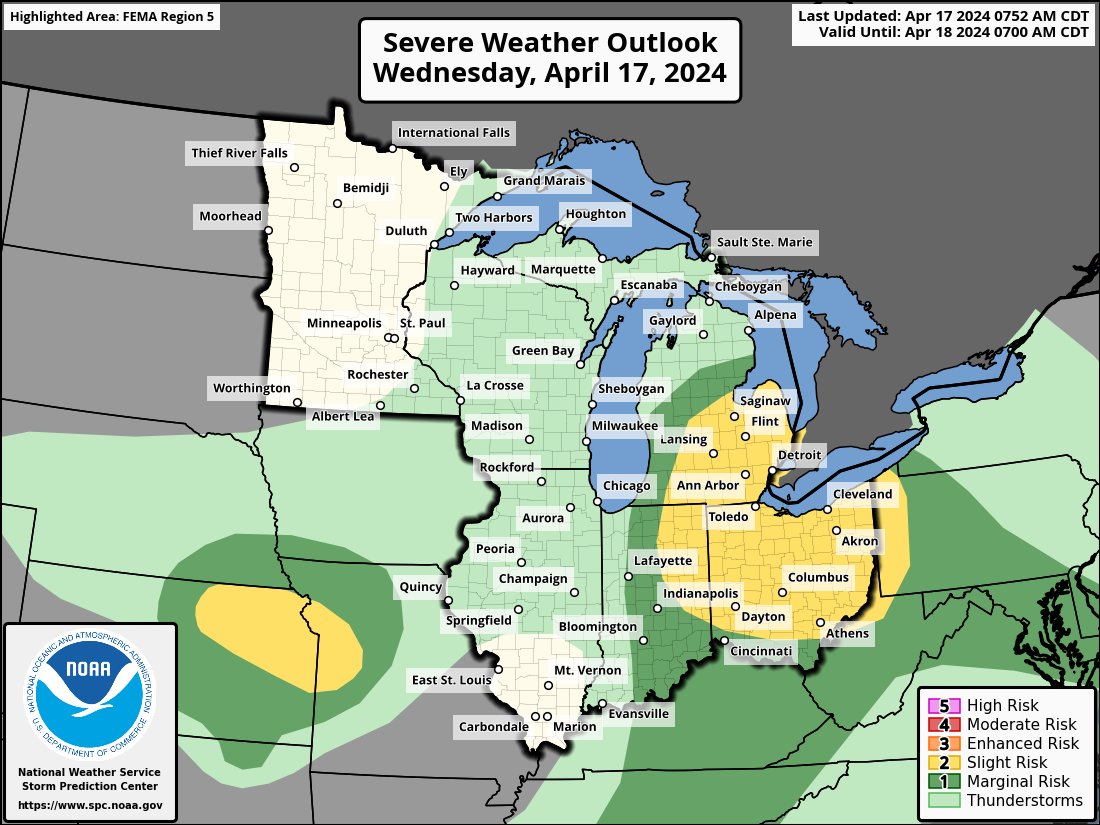
Scattered thunderstorms capable of producing damaging winds, large hail, and a few tornadoes should develop across parts of the Ohio Valley and Lower Great Lakes this afternoon. Thunderstorms with mainly a large hail threat may occur tonight over parts of the central Plains. Visit https://t.co/qk3BcVP5M8 for more.
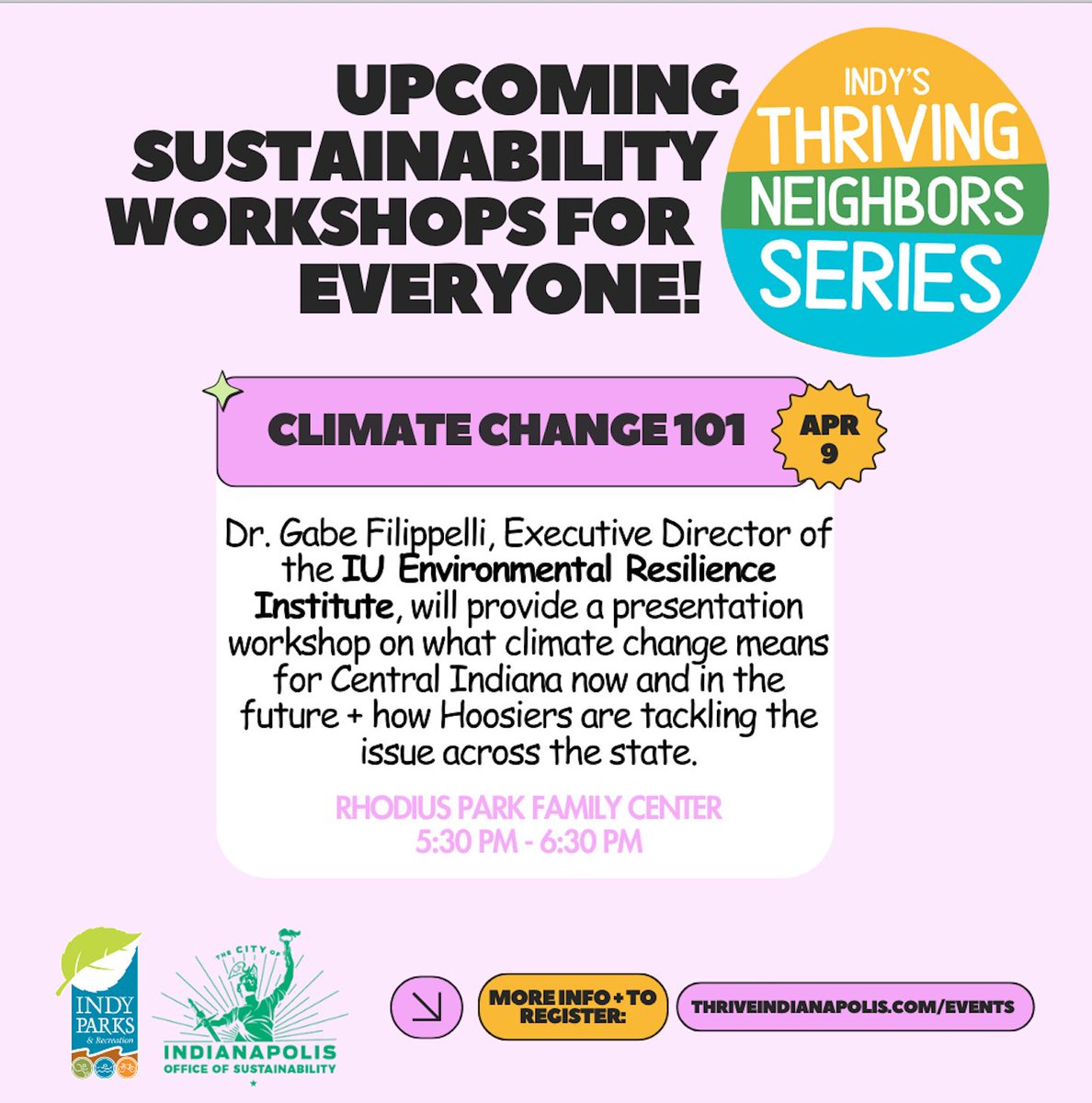
Indy area folks--come learn about climate change in Indiana and beyond from yours truly next Tuesday afternoon!
We will be talking about problems AND solutions (there are many, by the way)
@Prepared4Change@IUImpact@IUPUI
Happy #Geologist's Day to whoever celebrates it!⚒️
Began in the mid 60’s in the former USSR and technically falls on the 1st Sunday of April. It was eventually adopted by other countries, many now celebrate it around April 2nd.
There is even a (very sowjet) "Geologist's Hymn"...
I will be presenting at 9 am EST (1400 UTC) today on Climate Change Science, Impacts, and action as the Opening Speaker in iLEAPS Global Colloquium Series 2024
Join me at
https://t.co/CqdZV9eFvZ
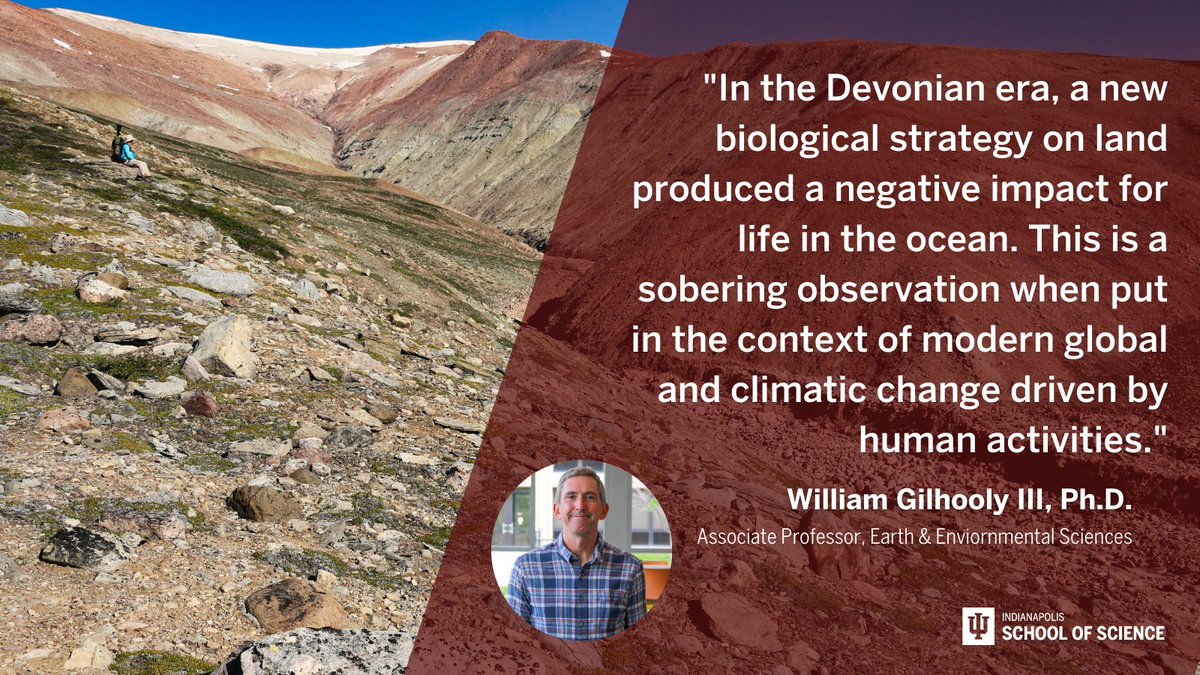
A new model suggests the Late Devonian mass extinction was a result of volcanic eruption combined with ocean detoxification, which pushed Earth’s biology to a tipping point.
Learn how @GilhoolyLab, @GabeFilippelli and their team came to that conclusion: https://t.co/n8QcCO77w6
Will the Paris Climate target save the Ross Ice Shelf and limit Antarctic Ice Sheet melt? With @SWAIS2C, @IUPUI_ES' Kathy Licht will join more than 120 in trips to Antarctica to recover a geological record of the changing rock types from Antarctica's past.
https://t.co/gfHsX1bgvm
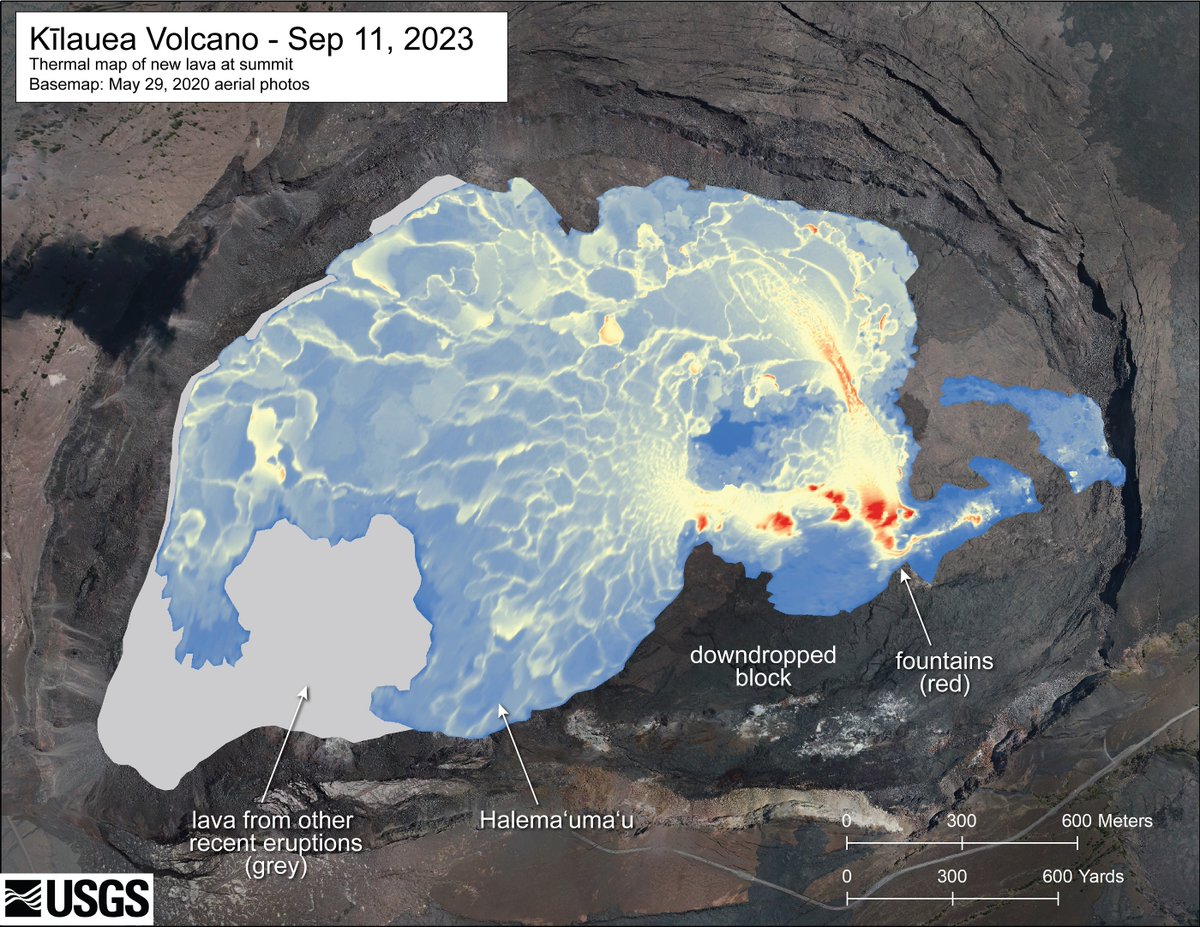
New thermal map of #Kilauea's summit shows area of active lava fountaining east of Halema‘uma‘u crater (lower right) with lava pouring west onto crater floor. Colors range from blue to red, with blue representing cooler temps & red being hotter. Livestream https://t.co/83nPG1xTar
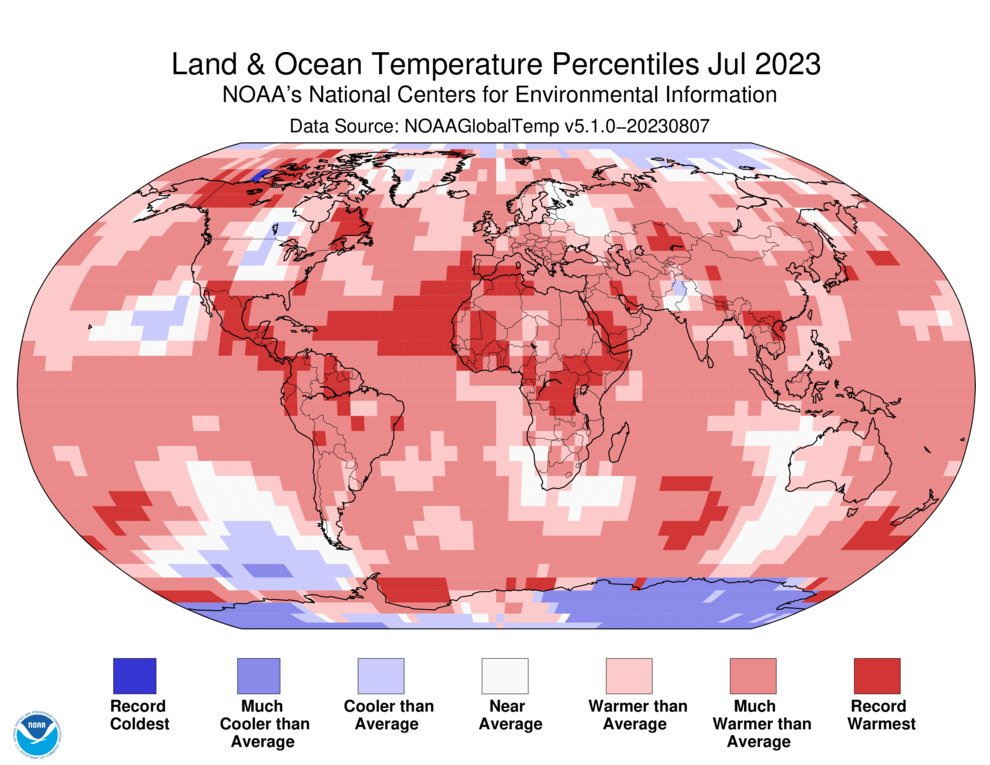
(1 of 5) IT’S OFFICIAL:
Earth just had its hottest July in 174 years.
4th consecutive month of record-high global ocean surface temperature.
Antarctica #SeaIce coverage had a record-low in July for the 3rd consecutive month.
https://t.co/lRgypbiSed
@NOAANCEI#StateOfClimate
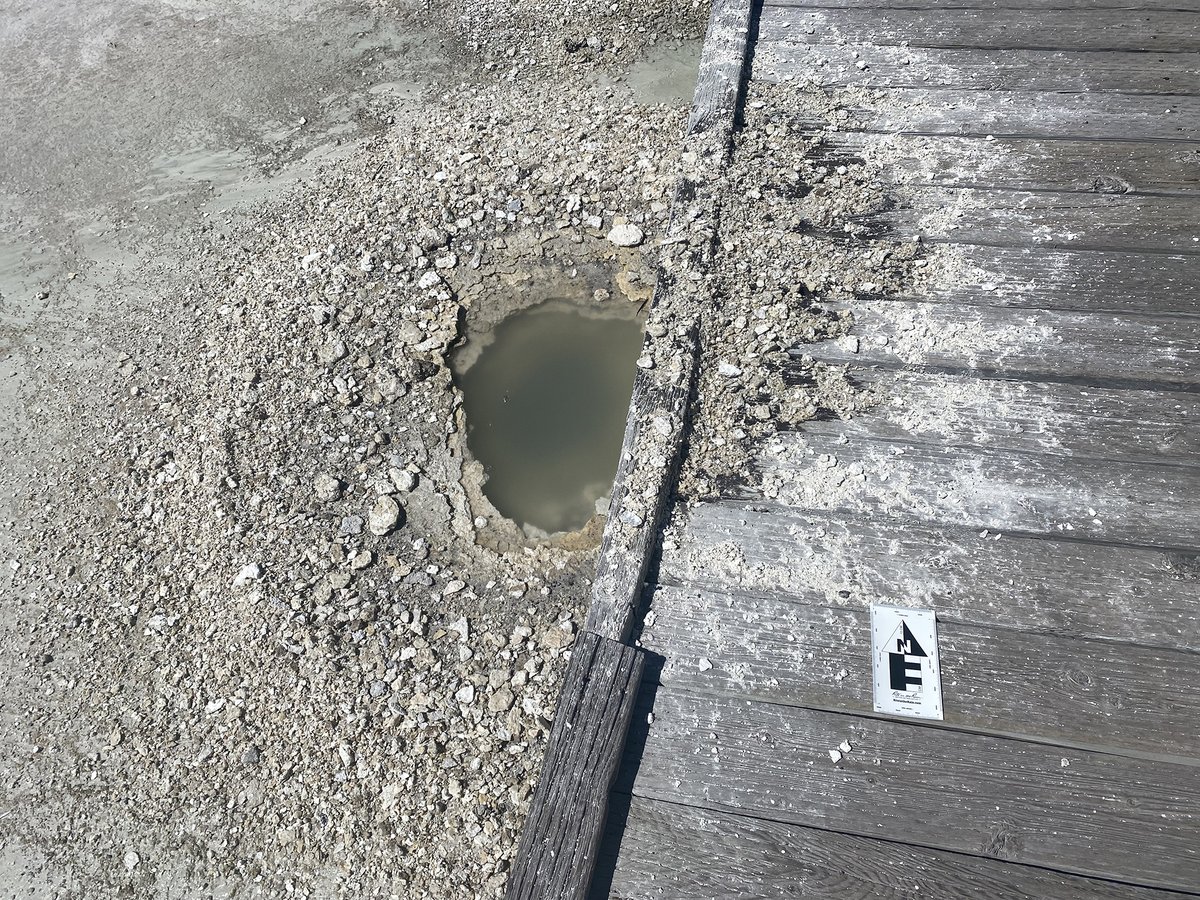
Geyser Hill, near Old Faithful, has experienced some recent changes, with a general increase in thermal and geyser activity that resembles changes that occurred in September 2018. #Yellowstone#CalderaChronicles has the scoop!
https://t.co/z19TVVilyE
Some air quality warnings for the Midwest, as weather patterns have changed and smoke plunges down upon us
@Prepared4Change@IUImpact
Nova Scotia fires may cause health problems in Indiana https://t.co/6fJGqWCMsG via @YouTube
#ClimateTalk: What is ENSO?
The El Nino Southern Oscillation (ENSO) is when sea surface temperatures along the equator in the Pacific Ocean switch between warmer, average, and cooler temperatures. This causes a global shift in weather patterns.
ENSO is a complicated climate pattern.
Sea surface temperature, trade winds, atmospheric coupling and more are all factors in the El Niño Southern Oscillation.
The future is literally in our hands 👇
The decisions that we elders make now will decide whether our grandchildren will have a manageable climate future...or not
@IPCC_CH
https://t.co/f876PuJ0xp
Sea ice around Antarctica reached its lowest extent on Feb. 21, 2023, at 1.79 million square kilometers (691,000 square miles).
This is the lowest extent ever observed since the start of the satellite record in 1979.
https://t.co/1pyegy3QXL
Recent volcanic activity has been observed on Venus for the first time.
Scientists made the discovery by poring over archival radar images of Earth’s twin taken in the '90s by our Magellan mission. Our VERITAS mission is set to investigate: https://t.co/ookpSRqlhk