Based in Rome, GLADIA is a team of computer scientists, physicists, engineers and mathematicians venturing beyond the boundaries of machine intelligence
Can a sentence carry a sound?
In Communicating Sound Through Natural Language, we introduce lexical acoustic coding (LAC): a way for LLM agents to transmit short sounds as structured English, then re-render the same audio back from that text.
(1/6)
research labs should have more physical artifacts.
last year, my PhD student @DMarincione carved our @GladiaLab logo into a seal stamp in Korea.
we're bringing it back to @icmlconf 2026.
let's meet to get your badge stamped! forehead stamping evaluated case by case.
this function is spinning at 154 RPM. that's the tempo of the music; learned with zero rhythm supervision.
meet PHALAR, our new audio representation framework. Thread below 🧵
#ICML2026#MIR
1/6
What will the role of researchers be in 5 years?
What happens to narrow scientific foundation models?
Can we really scale our way to genius creativity?
We will attempt to answer these questions (and more) on Sunday in the post-agi workshop at @iclr_conf
formally proved in Lean4 that music is not Turing complete.
that's because there can be no endogenous self-replication during music playback (unfortunately).
proof: every infinite playback of any valid midi-like symbolic composition is eventually periodic.
A new age of research is ahead of us.
Some reflections by @tensorqt on the vision that motivated us to power it.
Link to the blogpost in the first reply.
You will find the Autoresearch Campaign already populated: we set out 3 distinct agents, harnessed by Claude Code, respectively being GLM-5 by @Zai_org , Sonnet 4.6 by @AnthropicAI and GPT 5.4 by @OpenAI to have a simultaneous contest.
80$ in @OpenRouter credits later, here’s what the exploration looked like: Green is GPT, Blue is GLM, Orange is Sonnet. in this short challenge, GLM-5 by @Zai_org (somewhat surprisingly) won, and all models were pretty narrow in their exploration.
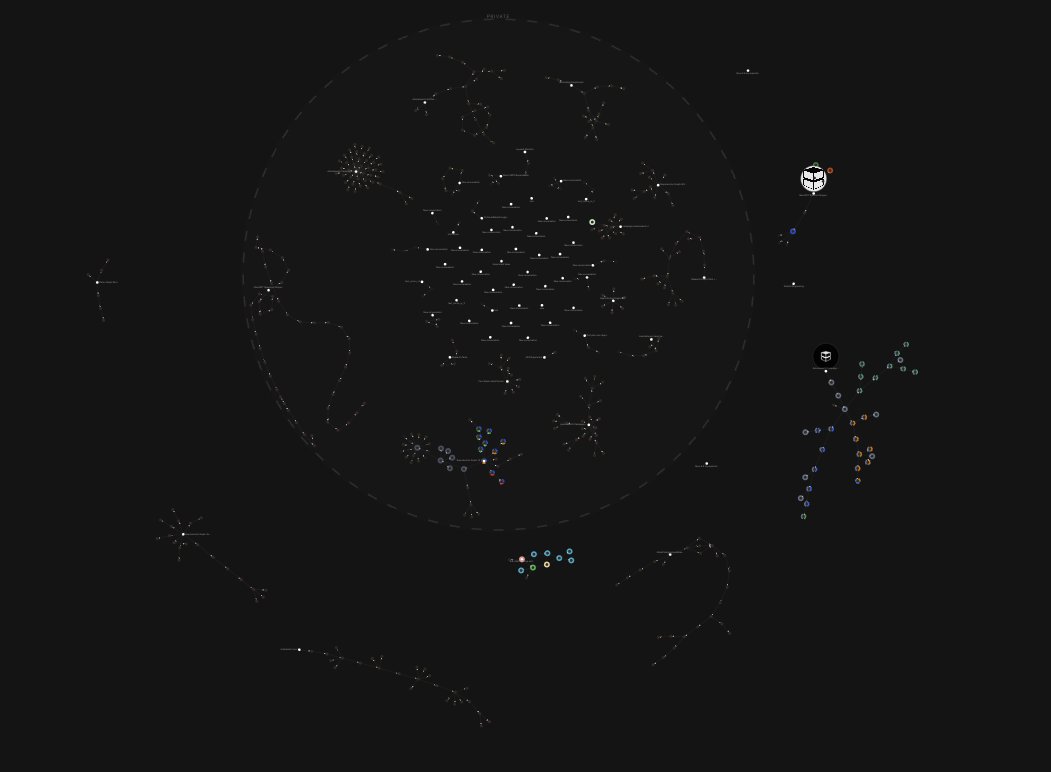
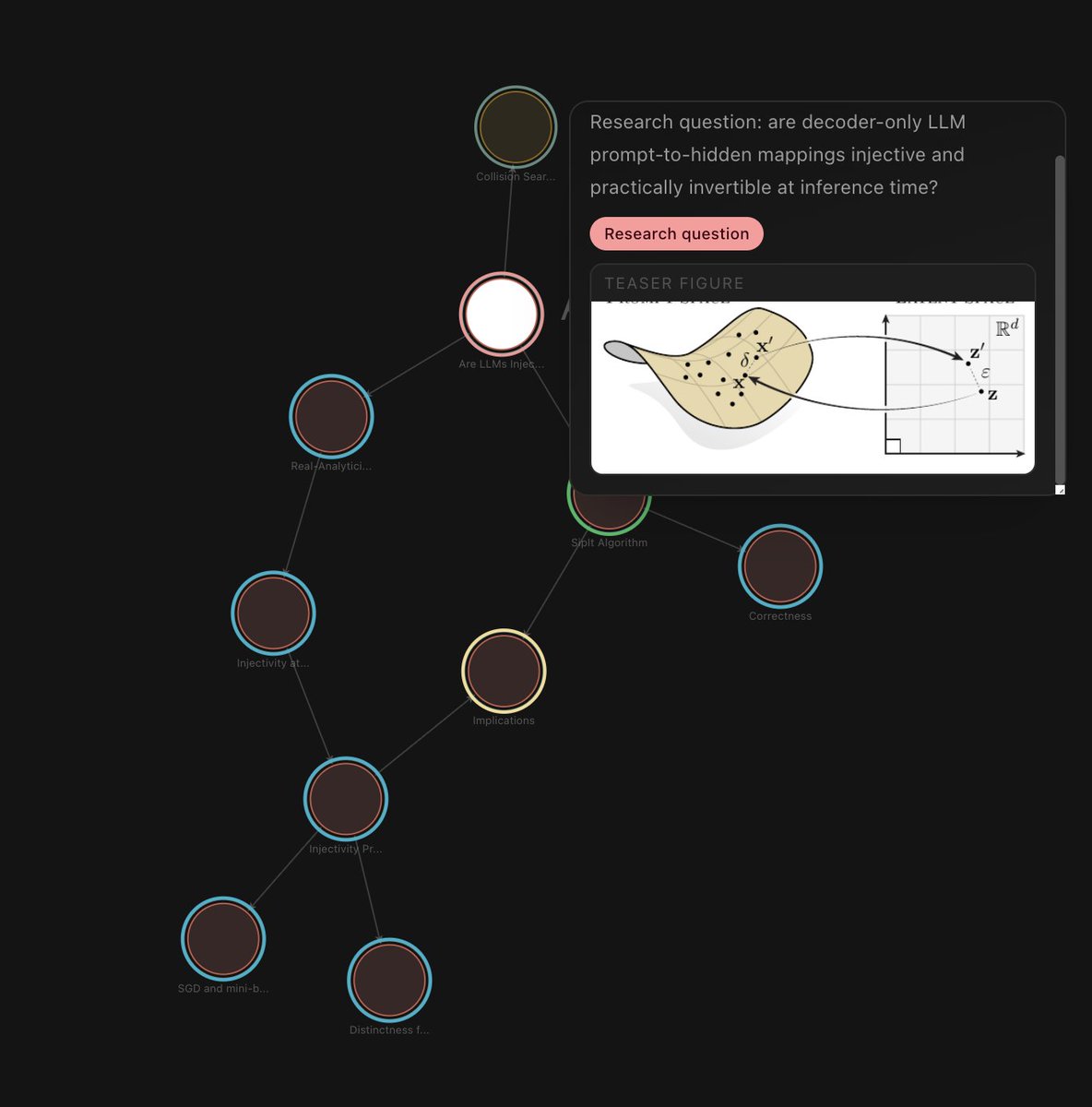
crazy to see the Flywheel graph of our most successful paper so far. compact and yet complete!
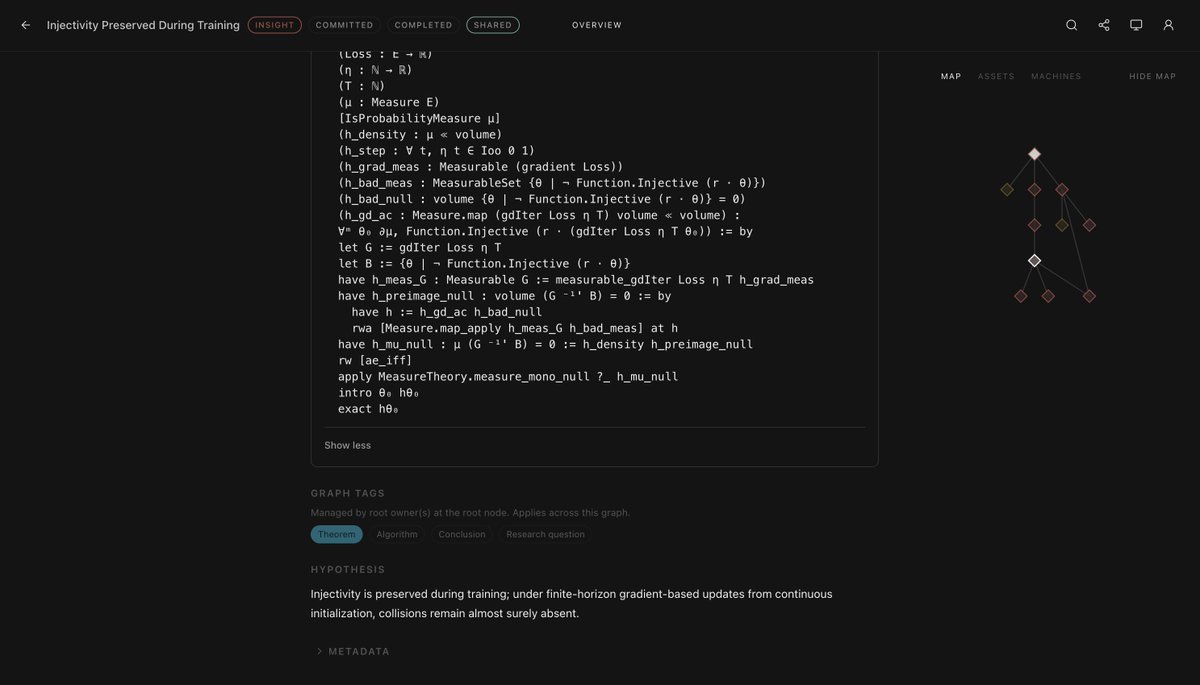
1 research question + 2 empirical nodes + 3 theorems (with Lean 4 certificates) = banger!
We’ve made the graph public on Flywheel (https://t.co/iQoaVXuvRL) so the community can easily extend the results by branching with their own experiments and ideas.
you can find the original paper here: https://t.co/i3lCD9NA35, by @GiorgosNik02,@tommaso_mncttn,@DonatoCrisosto1, @teelinsan, Yannis Panagakis and @EmanueleRodola
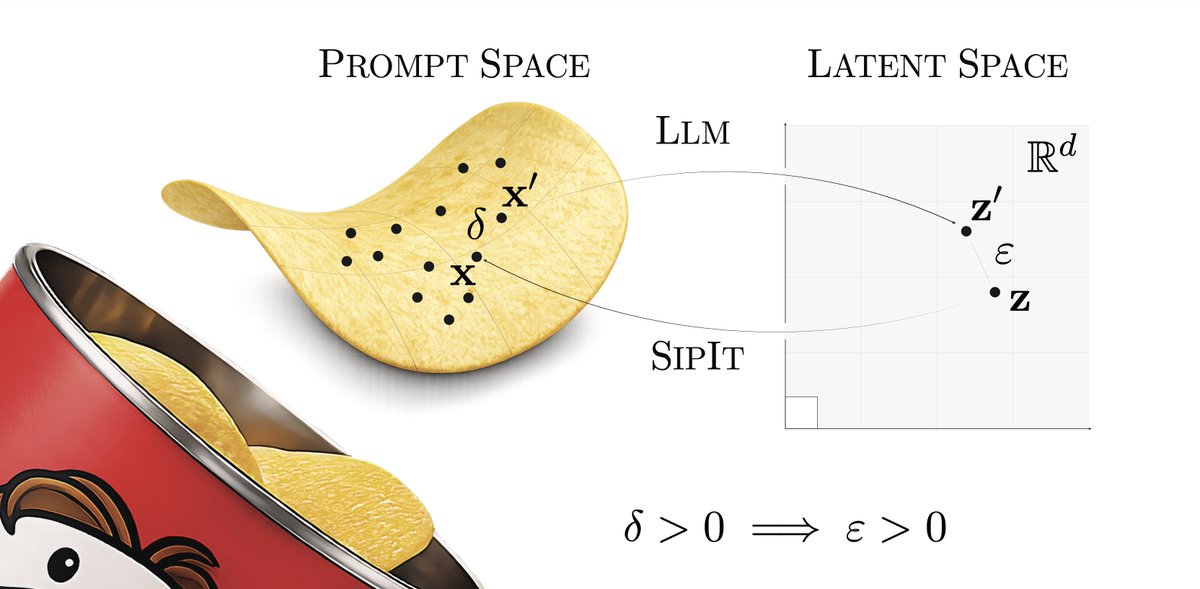
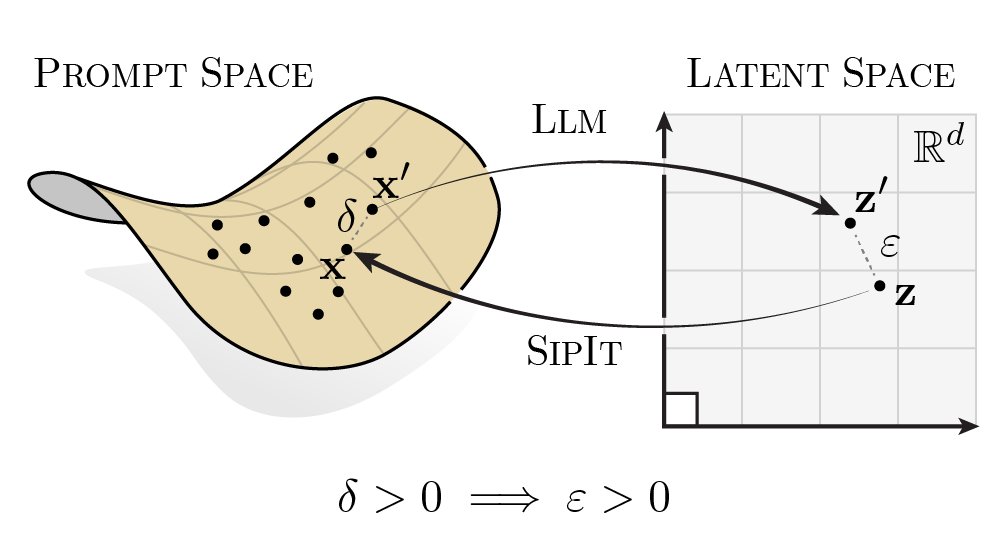
Language Models are Injective and Hence Invertible (ICLR 2026), aka “pringle paper", is now a public graph on @paradigmainc’s Flywheel
In the paper, we show that LMs can be inverted and, contrary to common belief, do not discard information about their inputs at inference time.
LLMs are injective and invertible.
In our new paper, we show that different prompts always map to different embeddings, and this property can be used to recover input tokens from individual embeddings in latent space.
(1/6)
Most notably, we’re excited by this emerging way of doing research, where agents amplify the work of researchers.
In this case, the original paper included formal proofs showing the injectivity property of decoder-only transformers, so we instructed the agent to use @HarmonicMath’s Aristotle via API to formalize those proofs in Lean. The resulting .lean files are attached as artifacts in Flywheel and organized in a simple DAG.
Alongside the proofs, you can also find empirical nodes covering our experiments on actual LLM inference, corroborating the theoretical results.