For anyone who has ever placed a discarded glass bottle into a bin 🚮 to help keep others safe ~ This film is dedicated to you, and the invaluable work done by #LitterPickers around the globe.
#NatureCleanups#NatureCities 👣🌳 https://t.co/Qbdykrg9GP
Watch @UN Secretary-General @antonioguterres' message about the emerging El Niño that is set to influence global temperature and rainfall patterns, increasing the risk of extreme weather in the coming months.
More information ➡️ https://t.co/htyps0XfsE
King's College Hospital in London has opened a rooftop garden for critical care patients. Its first patient, a 29-year-old woman dependent on feeding tubes, said the outdoor space gave her 'a real boost to keep on going
London’s Cool Spaces map can help you find nearby libraries, community centres, shopping centres and other public places to stop, rest and cool down in this hot weather ⬇️
In 2025 and 2026, researchers confirmed something that should have been obvious but wasn't: forests are catching microplastics out of the air.
Most microplastics in the environment were assumed to arrive in water. Rivers, runoff, ocean currents. But when scientists examined forest soil and compared it to nearby open land, they found microplastic concentrations were higher in forests, not lower. When they traced the pathway, the mechanism was clear: airborne microplastics drift in the atmosphere globally, including over remote wilderness. When they encounter a tree canopy, the leaves act as a filter. The microplastics settle on the leaves. When it rains, they wash off and fall to the soil. When leaves decompose in autumn, they carry the particles down with them.
Researchers called this the "comb-out effect." The forest is combing microplastics out of the air. A 2026 study found that microplastic concentrations in rural forest soil were higher than in some urban areas. The forests farthest from cities, surrounded by the cleanest-seeming air, are accumulating plastic particles because they are efficient atmospheric filters.
The implications are still being worked out. Forests are storing a new category of pollutant they did not evolve to handle. The question is what this means for soil ecology, root systems, and the organisms living in forest soils. So far: unknown. But the assumption that remote forests are pristine is no longer supportable.
#nature #science #conservation #forestfacts
Heat can bring out the worst as well as the best in people ~ Handy resources here: https://t.co/NVoRYzoCm3 for reducing temperatures during hot summer weather. #Heatwave#Relaxation#KeepCool
Last weekend of the #BigSpringClean
This stretch of Kelvin riverbank yesterday 📷 still looking beautiful after last years haul!
Love Rivers? Please watch the Cleanups film ~ Top of channel - linked in the comments.
#GBSpringClean#SpringCleanScotland#SpringCleanCymru
Most of us want cleaner healthier environments for all ~ Here’s an eight minute film to help support #naturerestoration & #rivercleanups#adaptation 🪶
⏯️ Nature Cleanups ~ Rivers
https://t.co/ZTZL5c2u2J
@goparkslondon Beautiful. I was born at Tooting 🏥 & lived in Wandsworth. Now based in Glasgow but thought to share my latest film with all @goparkslondon Hope you like it: https://t.co/ZTZL5c2u2J
💙💚 #NatureCities
Morning Walks ~ The good stuff you know all about. Here, with a few reminders, our first short film made for Januarys!
#Mornings#JoyfulLiving#WellbeingInNature
https://t.co/eabxwsRcA4
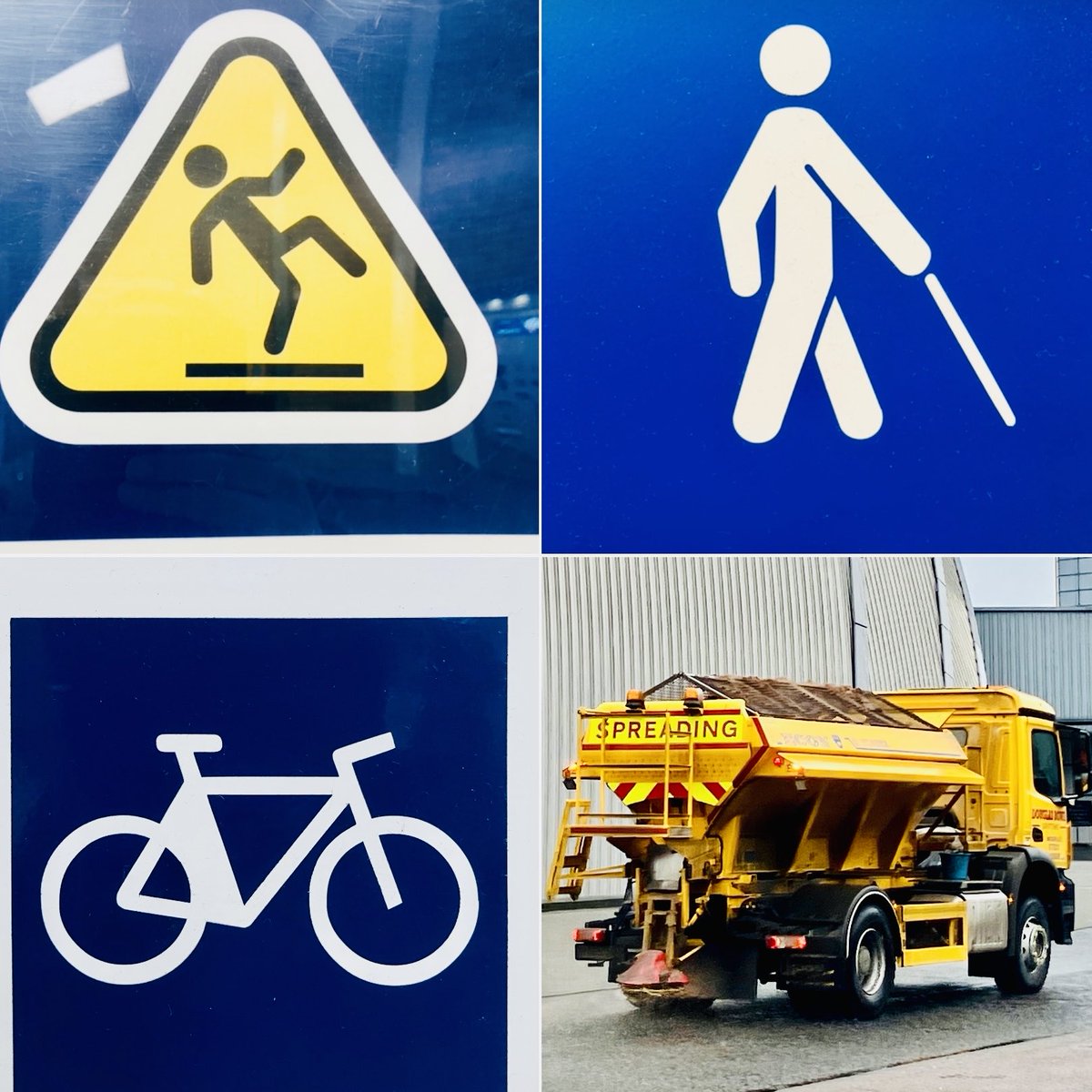
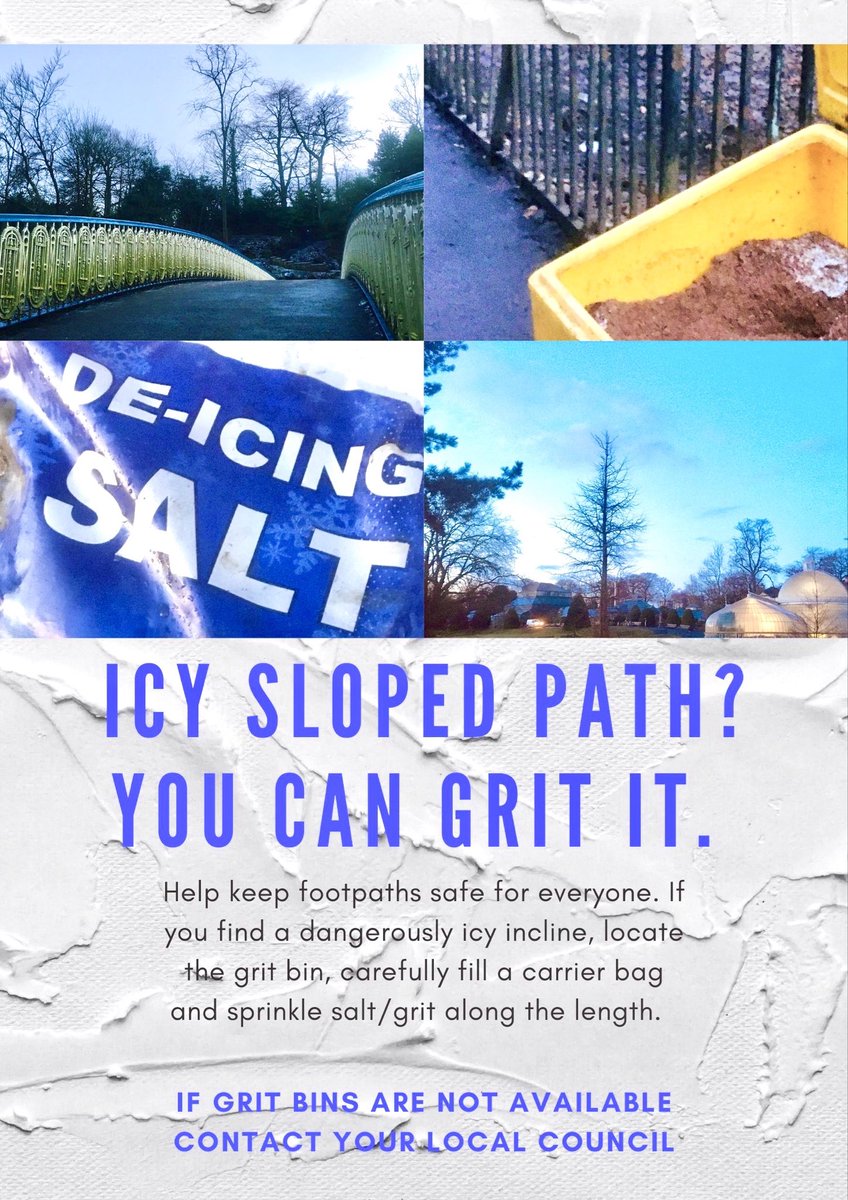
Care during #IcyWeather days includes making places safe.
When you discover 🧊frozen paving ~ Are salt/grit bins nearby?
Use something to scoop a good amount into a carrier bag🧤Keep hands covered ❄️Get sprinkling! #Winter#Community
The beginning of a New Year✨ is an Excellent time to set clear intentions for the months ahead ~ Here’s a very thorough approach to Journaling 📌 https://t.co/BDOvjnk4T1
#happy2026#journaling#intentionalliving ✍🏼