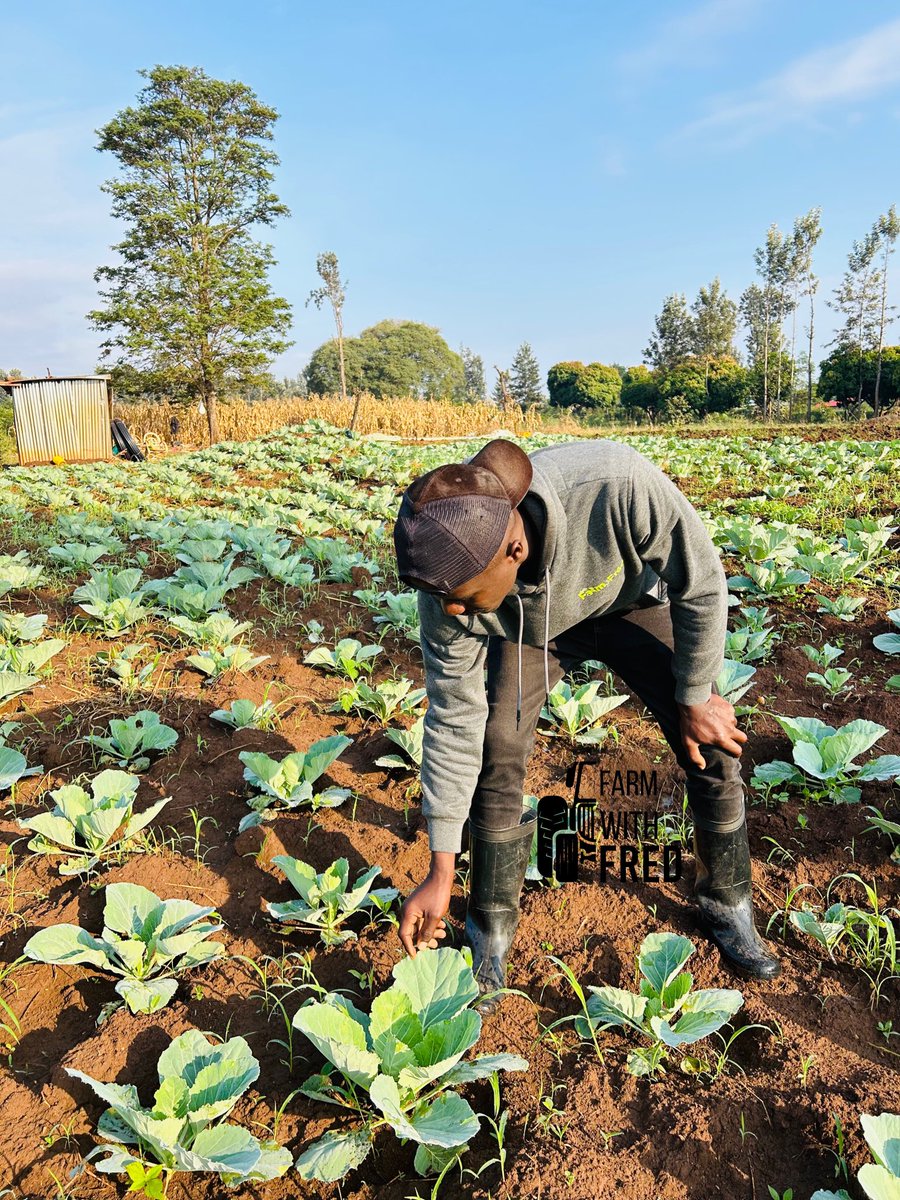
Farming is a journey that demands patience and resilience. If you're not ready to embrace failures as part of the path to success, You shouldn't Start at all. Real growth comes from learning, adapting, and pressing on. #FarmLife#Agriculture#Resilience#NeverGiveUp
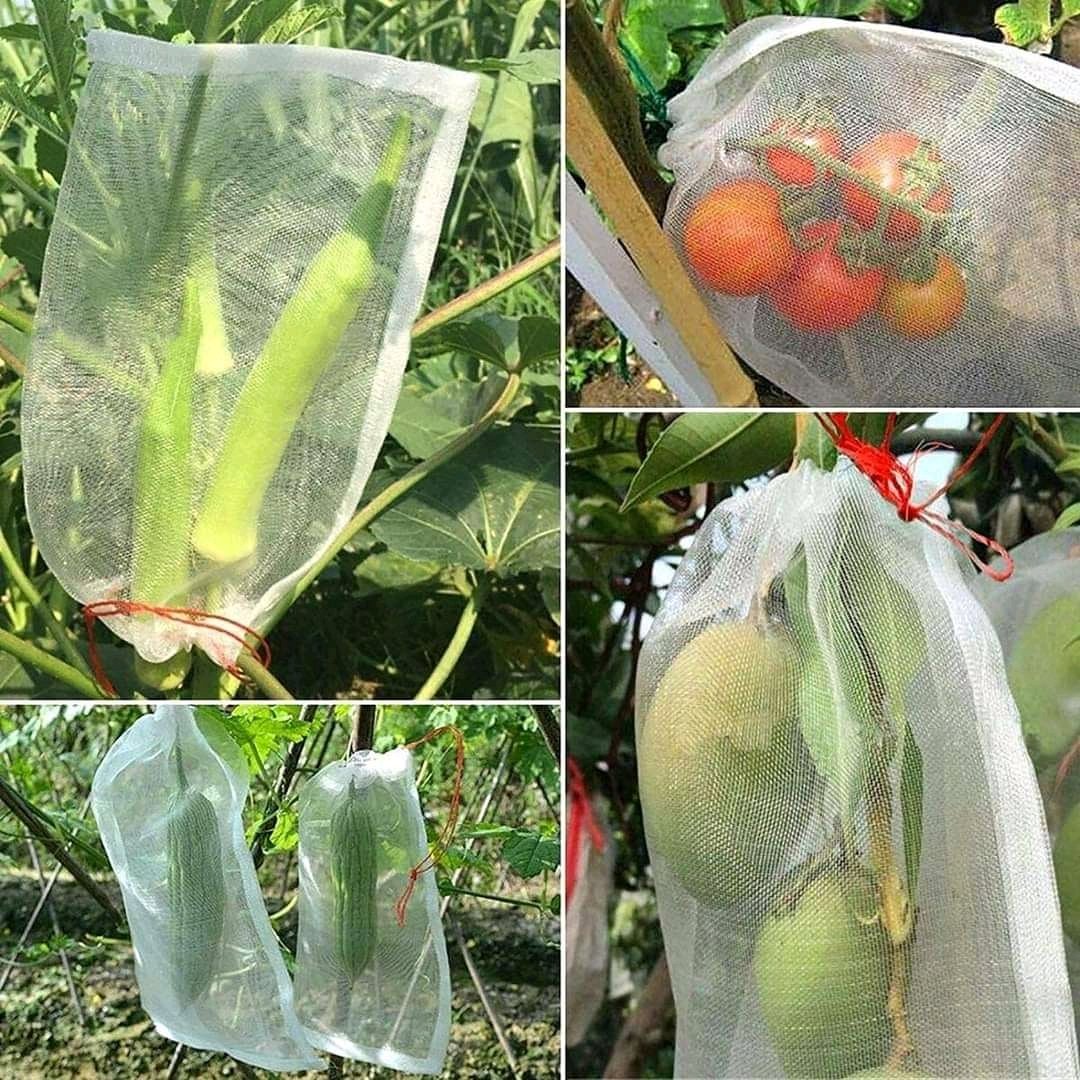
Covering fruits with polythene bags prevents them from being damaged by pests.
However, the bags should has some holes to allow aeration inside it.
This is one of the best ways to control crop pests especially birds & insects.
Like & Repost.
Follow @RightCohen#LetsFarmTogether
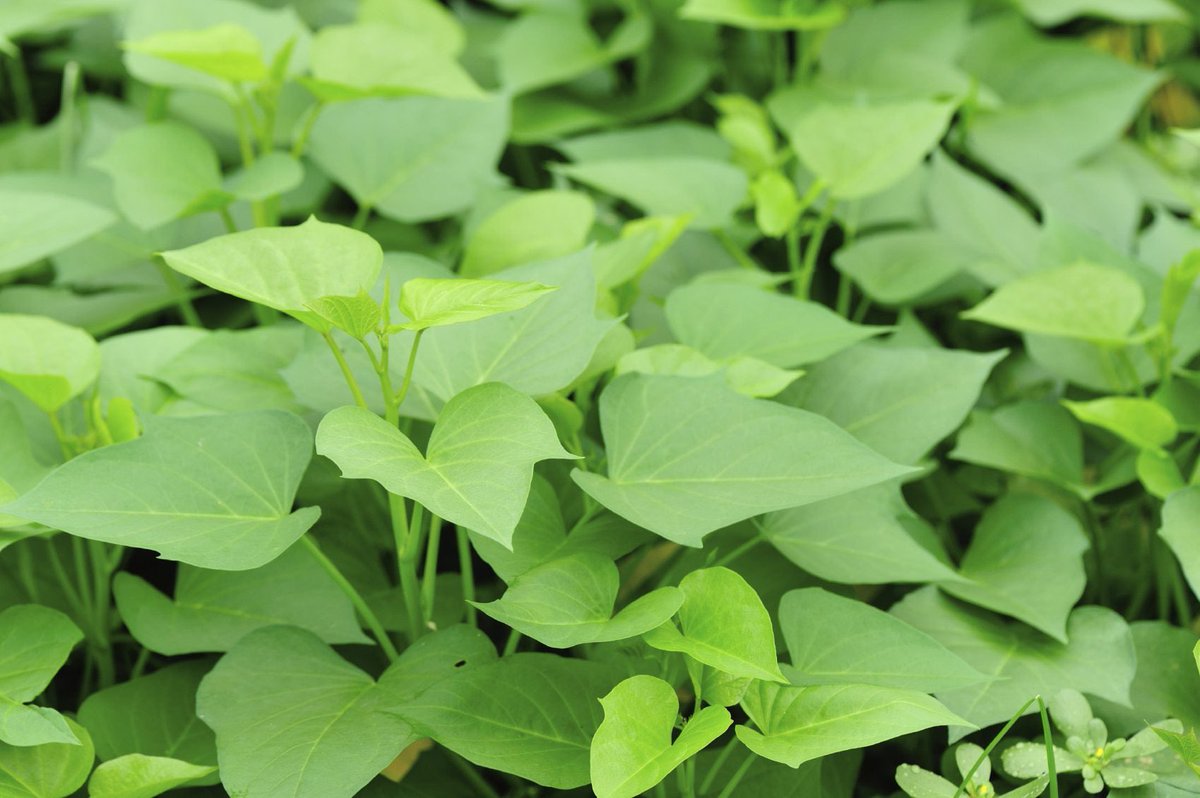
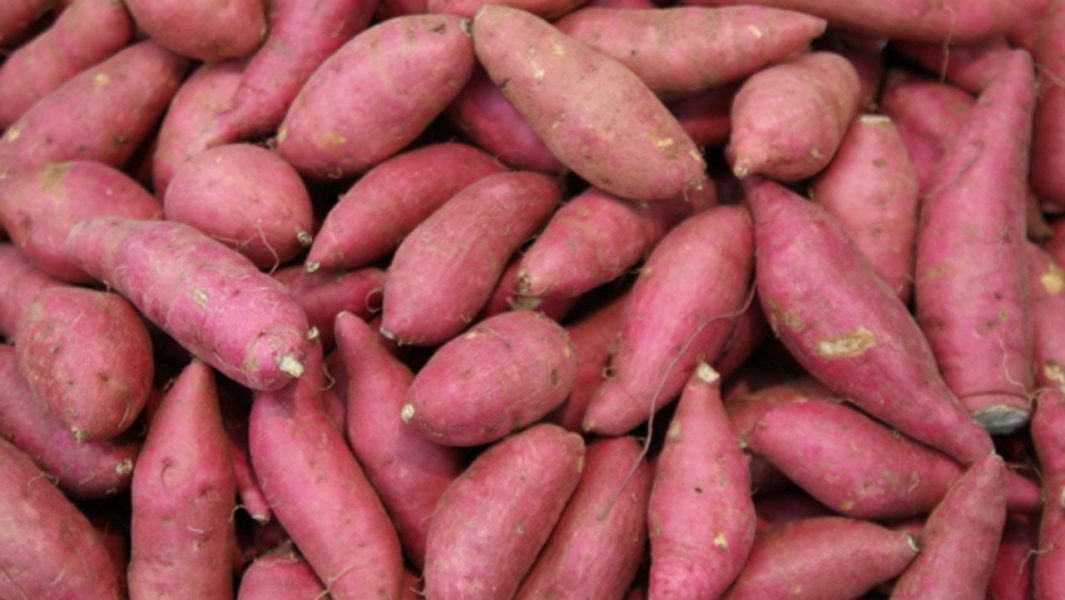
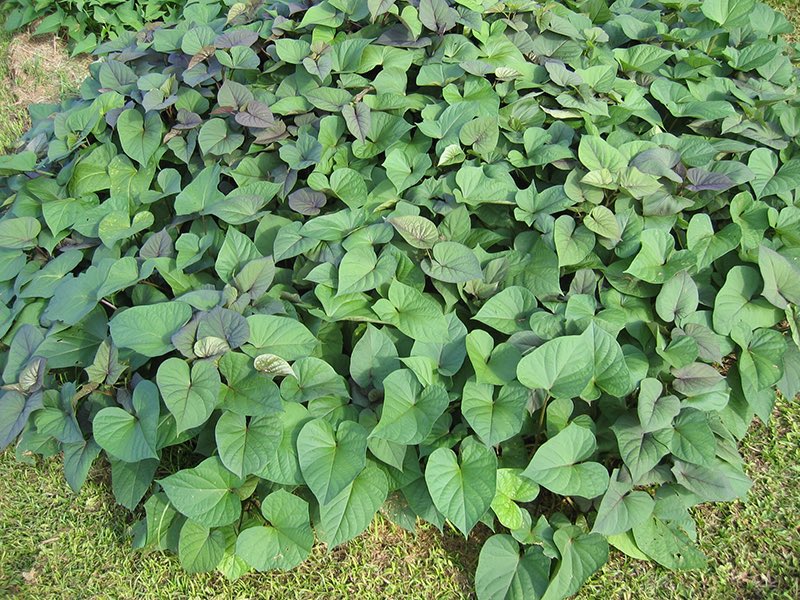
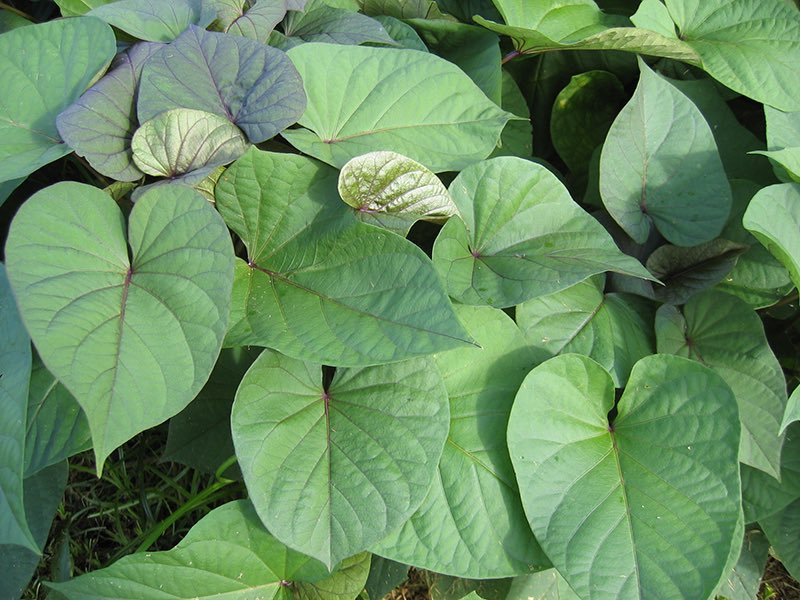
Sweet potato leaves treat
🌿Colon cancer
🌿Prostate cancer
🌿Breast cancer
🌿Hypertension
🌿High cholesterol
🌿Diabetes
🌿Arthritis
🌿Low immunity
🌿Candidiasis
🌿Stomach ulcer
Boil leaves in water for 15-20 mins and drink one teacup twice daily.
Nature heals.
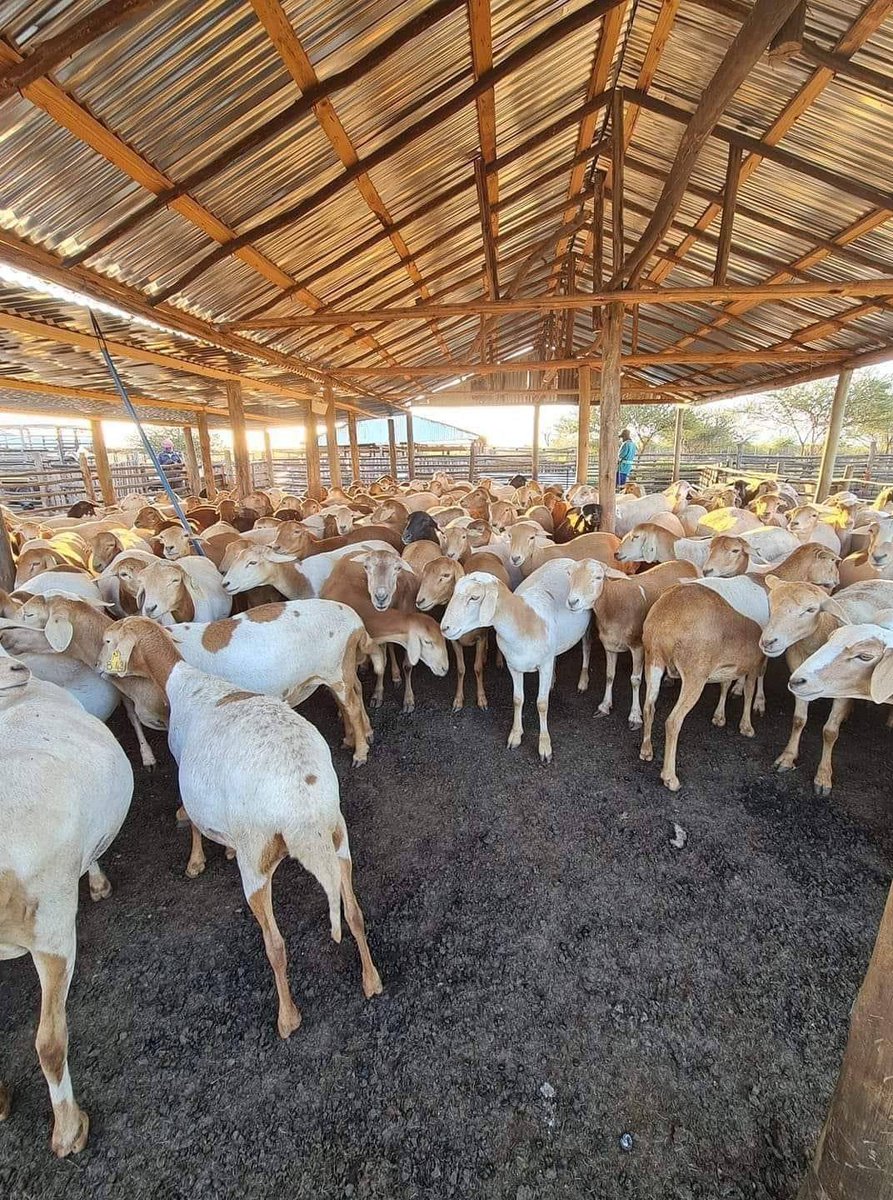
How to Start a Successful Goat Farming Business
Starting a goat farming business involves careful planning and ongoing management. Follow these steps to get started:
1. Research and Planning:
■ Learn basic goat farming practices.
■ Decide your farm's purpose (meat, milk, or breeding).
■ Research your local market and competitors.
■ Create a business plan with goals, finances, and marketing strategies.
2. Permits and Licenses:
■ Check local regulations and obtain necessary permits.
■ Comply with animal welfare and health standards.
3. Land and Facilities:
■ Assess land needs based on your farm's size.
■ Ensure proper pasture, fencing, and shelter.
■ Install water sources and drainage.
4. Quality Goat Breeds:
■ Choose breeds suited to your goals and climate.
■ Get healthy goats from reputable sources.
■ Vaccinate and check their health.
4. Nutrition and Care:
■ Develop a feeding plan.
■ Maintain clean water and hygiene.
■ Vaccinate and deworm regularly.
■ Provide suitable housing.
6. Marketing and Sales:
■ Identify potential customers (restaurants, markets, etc.).
■ Market your goat products online and locally.
■ Build relationships with the community.
7. Continuous Learning:
■ Stay updated through workshops and associations.
■ Evaluate and improve your farm.
■ Seek advice from experienced farmers.
Success in goat farming requires effort, knowledge, and financial planning.
#TheW_i_RwandaFarmerSchool
❓⁉️⁉️ This is How to Construct a Poultry House👇
Commercial chicken farming demands expertise, understanding, and unwavering commitment for success. Getting your poultry housing right is crucial for laying a solid foundation for your venture. Here's a handy checklist to guide you through poultry house construction:
🌟 Provide Comfort: Ensure your poultry house offers a comfortable environment shielding birds from weather extremities like rain, wind, and direct sunlight.
🌟 Spaciousness: Allocate adequate space based on stocking density:
Layers: 1m² for 6 birds
Broilers: 1m² for 11 birds
🌟 Ventilation: Opt for an open-sided house with east-west orientation to allow natural airflow. Avoid direct sunlight exposure.
🌟 Structure: Construct a rectangular-shaped house with a wall not exceeding three feet in height on the longer side. Opt for materials like stones, iron sheets, or bricks for durability.
🌟 Mesh Matters: Use a small gauge chicken wire mesh to prevent entry of wild birds, dogs, and rodents. Consider a plastic-coated mesh for longevity.
🌟 Roofing: Choose a reflective surface for the roof and ensure proper pitch for ventilation. Maintain adequate gap between birds and roof to prevent heat stress.
🌟 Flooring: floors should be ideal for easy cleaning and disinfection.
🌟 Hygiene Measures: Install a foot-bath at the entrance and clear vegetation around the pen to deter rodents. Keep the feed store separate to minimize rodent attraction.
🌟 Isolation: Construct the house in isolated areas to minimize contamination risks.
🌟 Ventilation Management: Optimal ventilation is crucial for heat and moisture regulation, oxygen supply, and air quality improvement. Open curtains for airflow during warm weather and close them for warmth during cold spells.
🌟 Safety: Fence the area and keep doors locked to prevent entry of stray animals and visitors.
DID YOU KNOW?
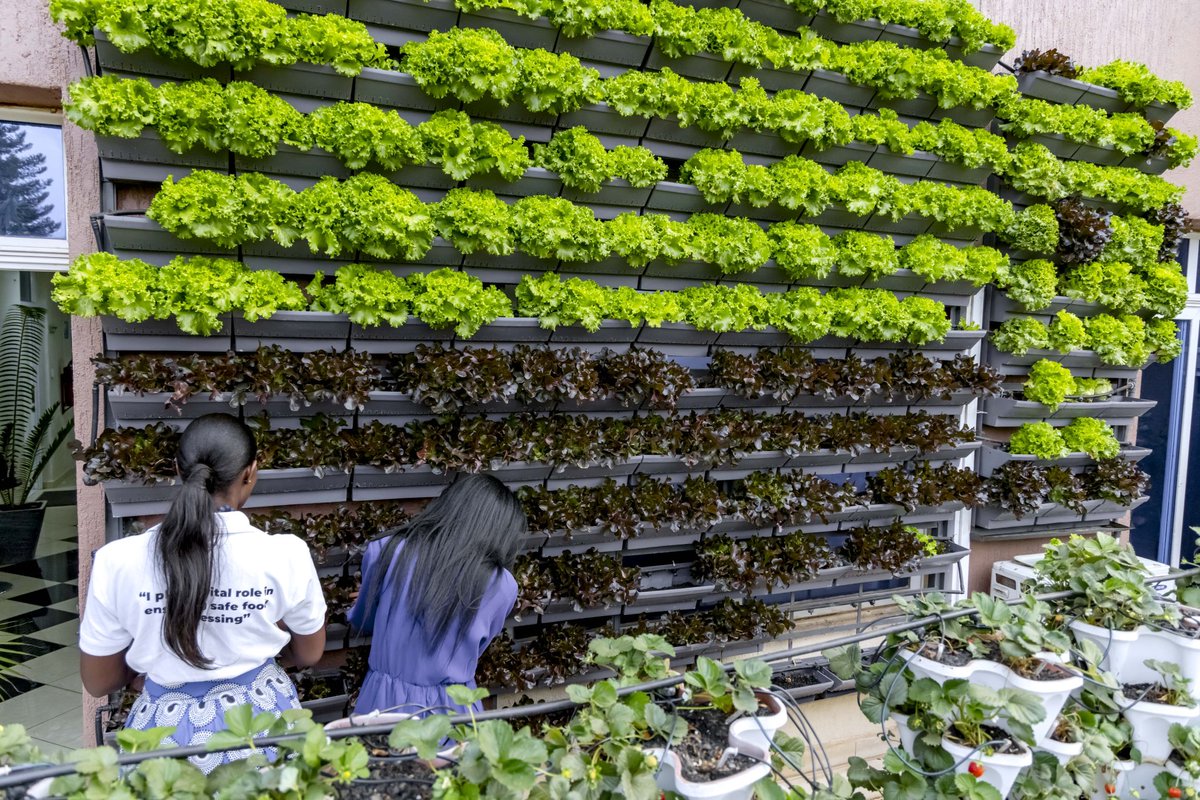
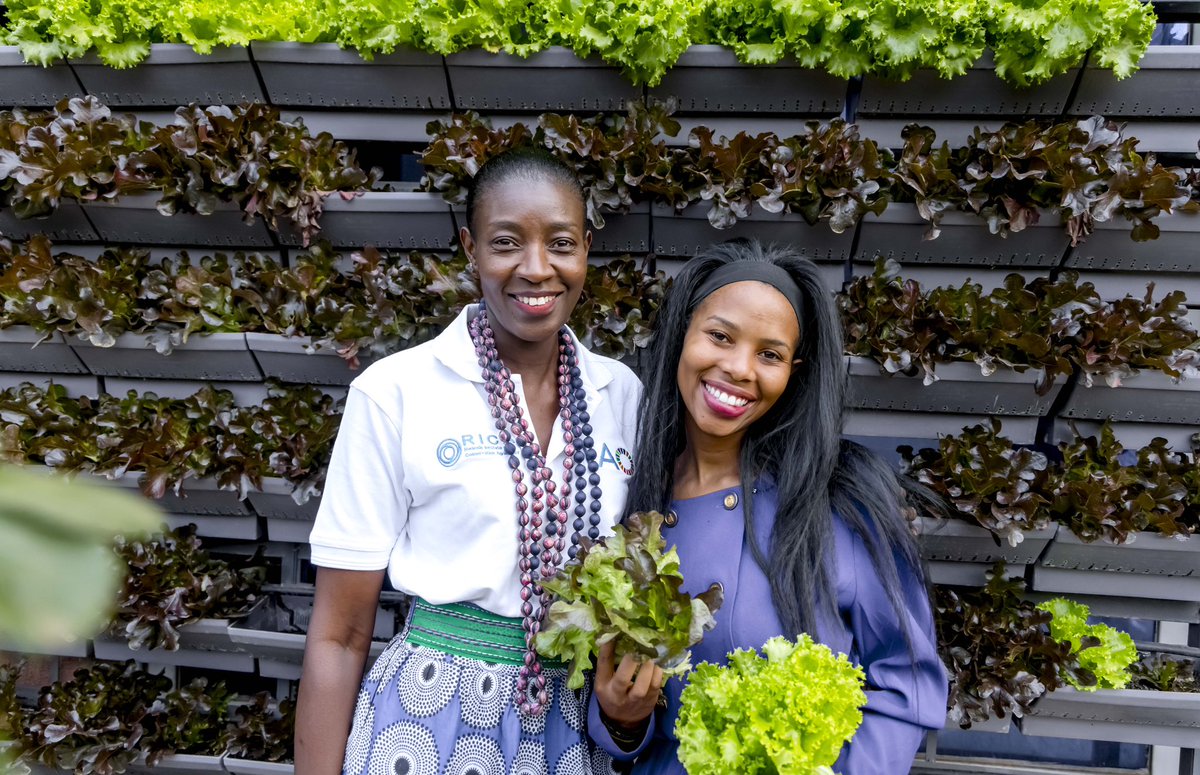
Vertical farms use up to 99% less land and 95% less water than traditional farming?
With the world’s population expected to reach 9.7 billion by 2050, #verticalfarming is a critical step toward ensuring food security and reducing the environmental impact of agriculture.
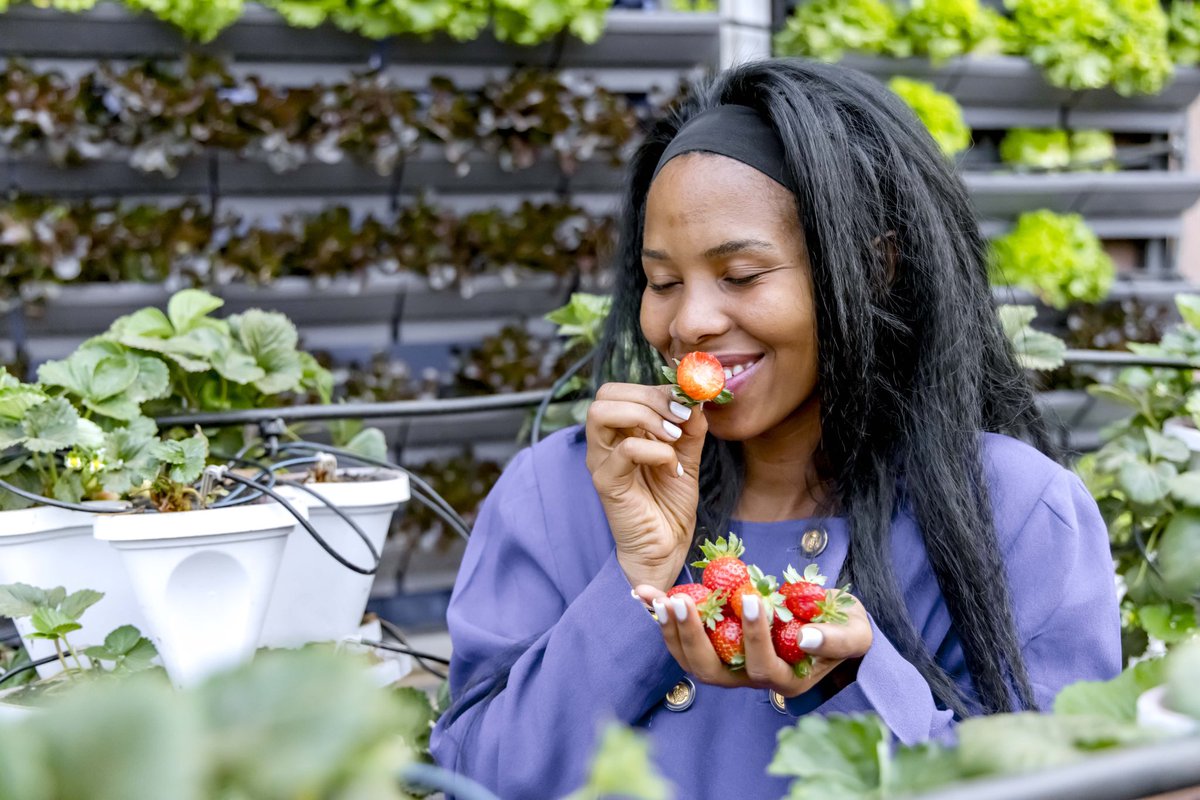
Last month, I had an opportunity to visit Vertical farm demonstration initiated by @FAORwanda's office and I am proud to be part of a movement that's changing the way we farm.
With the potential to reduce agricultural land use by up to 80%, vertical farming is paving the way for eco-friendly #UrbanAgriculture.
Let's revolutionize how we utilize urban spaces, using nutrient-rich water instead of soil.
#Hydroponics #foodsecurity #FoodSystems
For years, farming used to be 'vibes & Inshallah' - but nowadays, it’s Data-Based & Market-oriented. Farmers are adopting Climate-Smart Agricultural practices like conservation agriculture, agroforestry, water & energy management like use of solar & drip irrigation systems, among other measures to ensure that they produce food safely, efficiently & make a decent living. #UkulimaSioUshamba #DripIsLife @DavisShirtliff
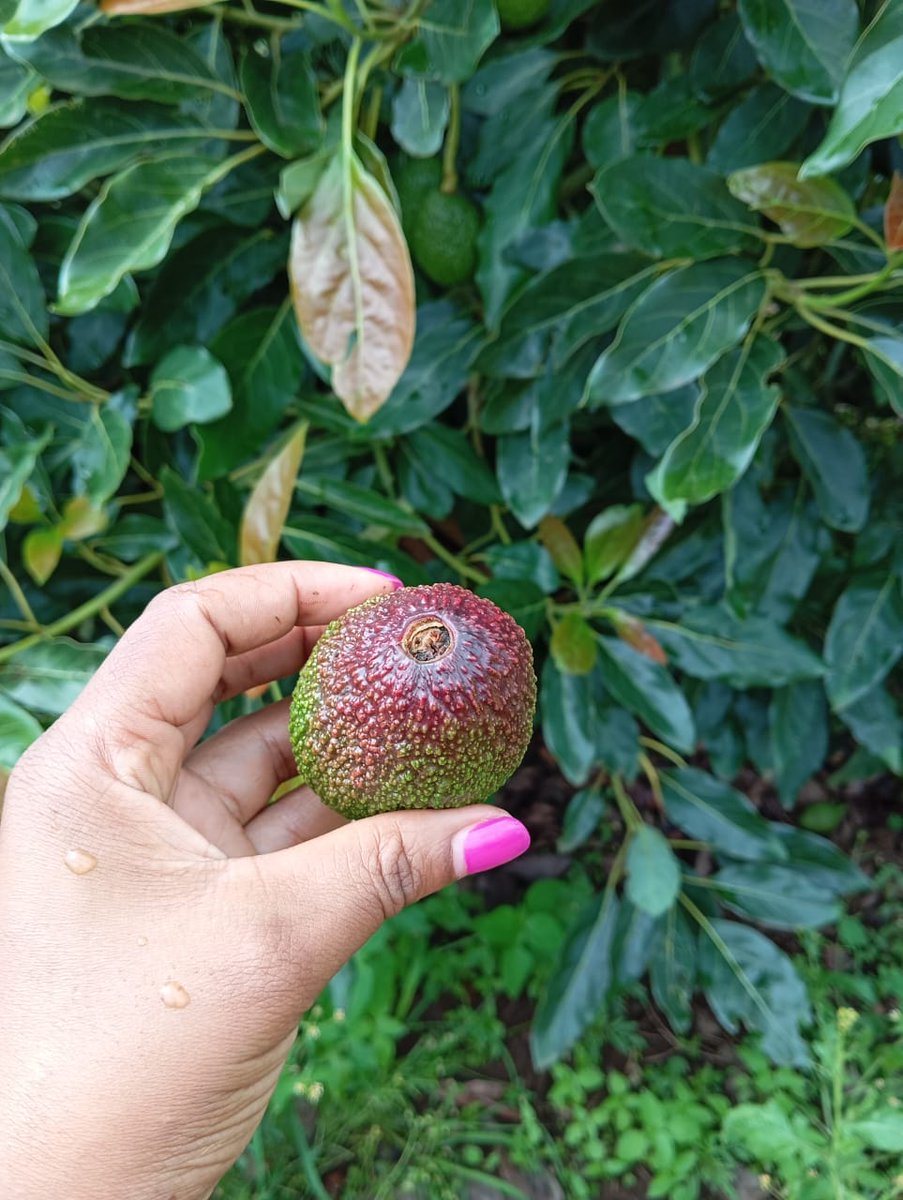
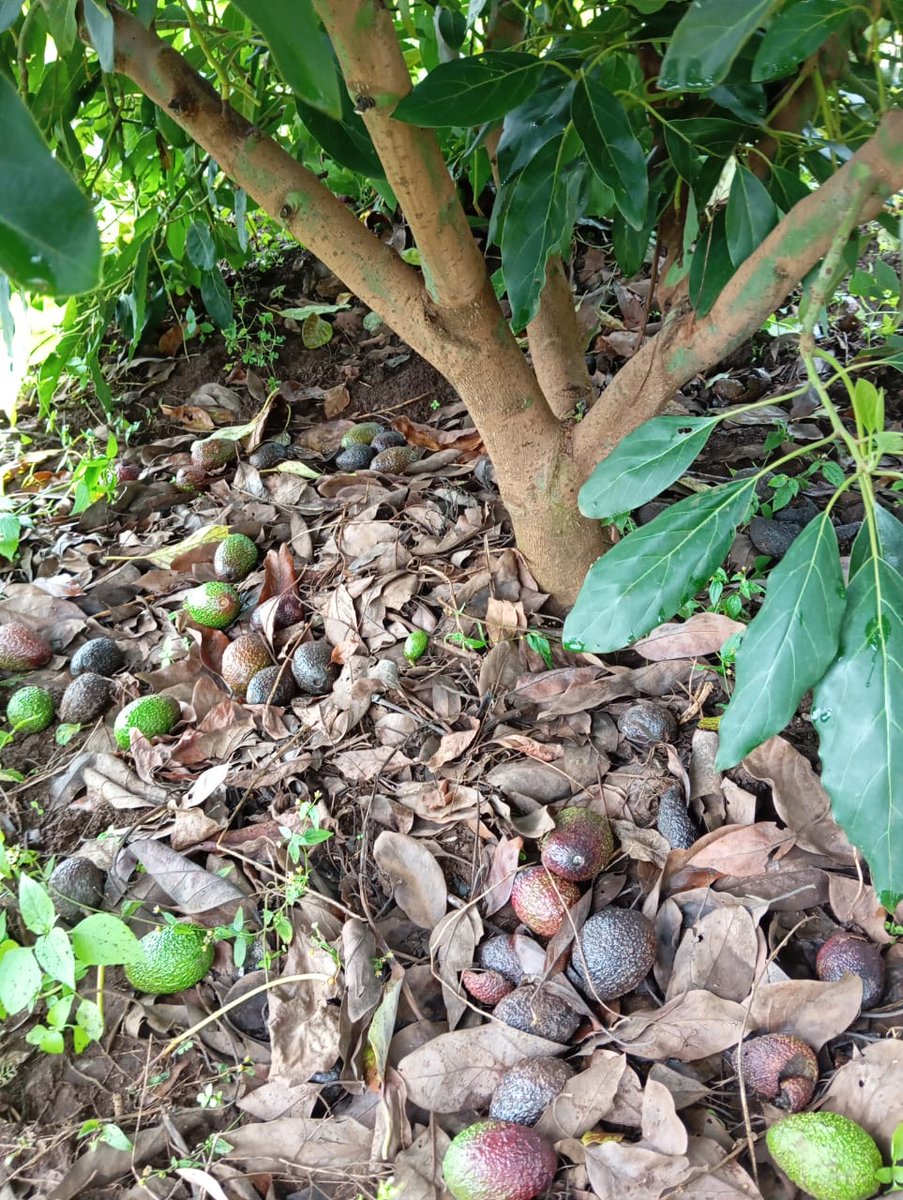
What causes pre-mature falling of avocado fruits???
How can this be prevented or controlled???
*Let us help the farmer.
📸 @_TheFarmerGuide
Comment, Like and Repost.
*Follow @RightCohen for daily farming News, Advice and Discussions.
#LetsFarmTogether