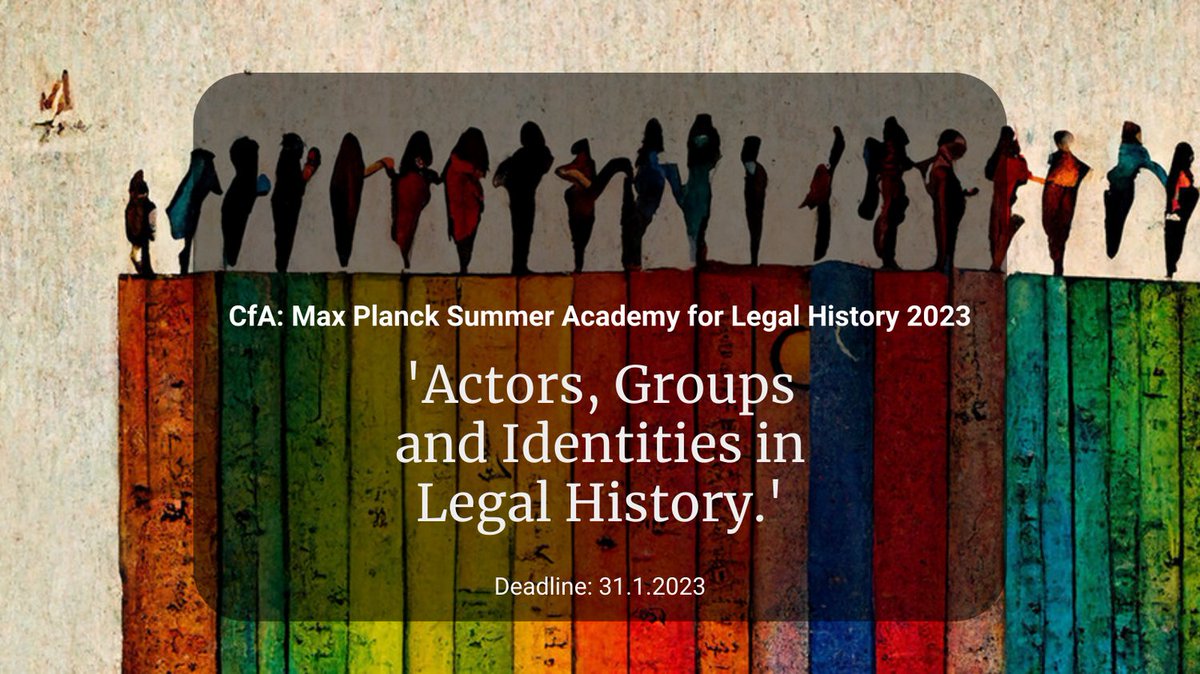
Join a community of young researchers and gain insights from leading experts at our Max Planck Summer Academy 2023. The theme for this year is 'Actors, Groups, and Identities in Legal History'. Don't miss out on this opportunity! #LegalHistory
Apply now: https://t.co/V013ShNf7j
Regimes are forms of observation of more or less stabilized historical arrangements: they are like lenses we use to see knowledge of normativity in the past!!! Curious about them? Ready more in our new webpage: https://t.co/aqJbs7dW3s
CfA: Two PhD Students for the Project Glocalising Normativities at the Department 'Historical Regimes of Normativity' (Thomas Duve). Deadline 30 November 2022
https://t.co/kaGNLChizS
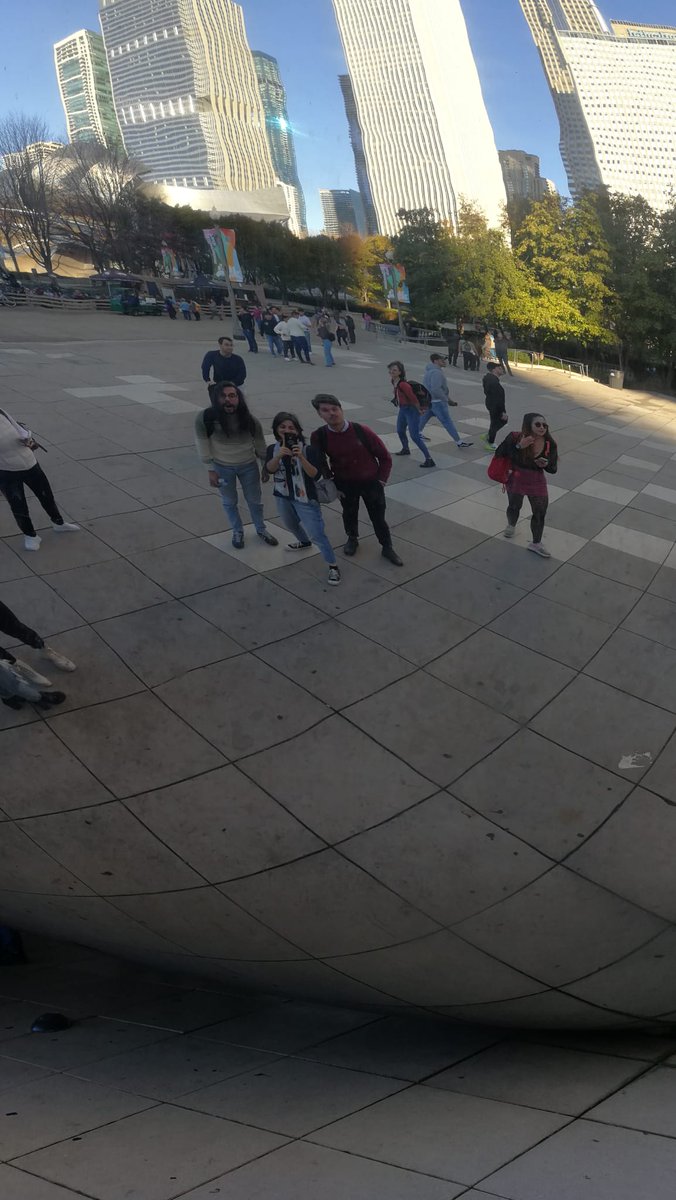
The GloNo project is in Chicago presenting 'Glocal histories of Normative Knowledge' at the Annual Meeting of the American Society for Legal History. Thank you Professor Richard Ross for being our discussant!
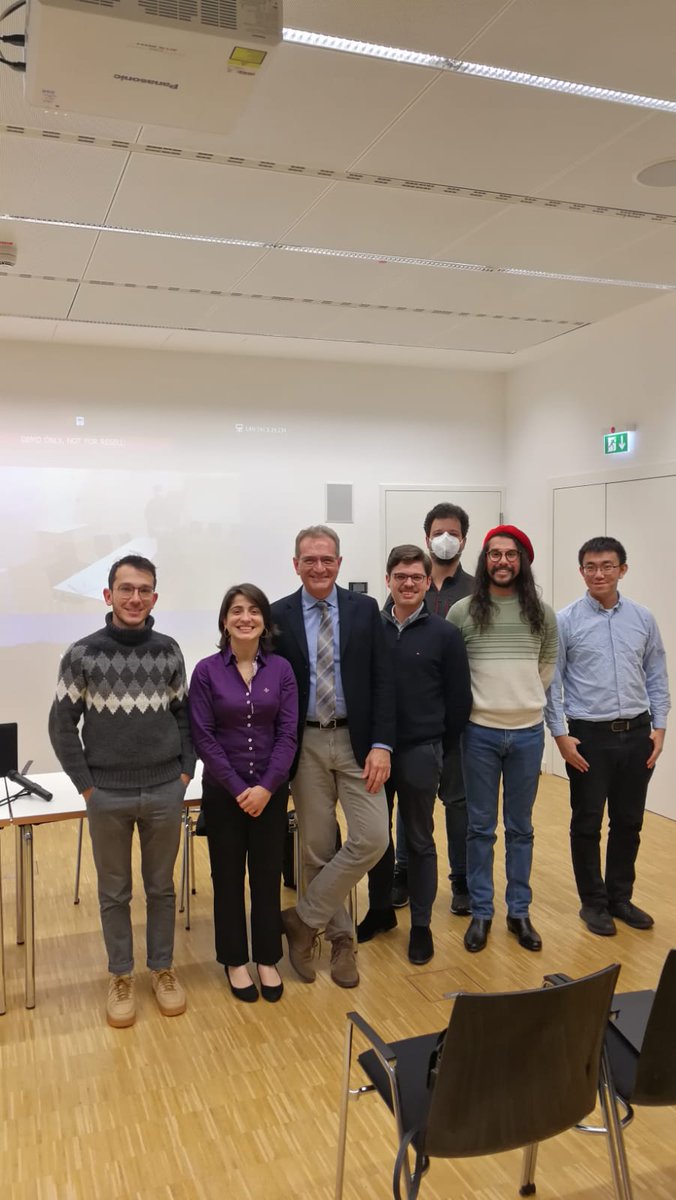
Yesterday the GloNo had the pleasure to receive Professor Massimo Mecarelli to discuss about transition and innovation in our Research Colloquium. It was also an opportunity to strengthen our dialogue with the group Translations and Transitions with our colleague Burak Aydin!
This coming Monday, Nov. 7th, Professor Massimo Meccarelli and Burak Aydin will be with us to discuss about their research on transition and legal history! Do you want to join us? https://t.co/1VXKKomjyy
The GloNo project is looking for two Phds students to work with our coordinator Dr. Luisa Stella Coutinho. If you want to develop a doctoral dissertation on Global Legal History, apply by November 30th!
See more about his call here: https://t.co/wm5M7Cf0hZ
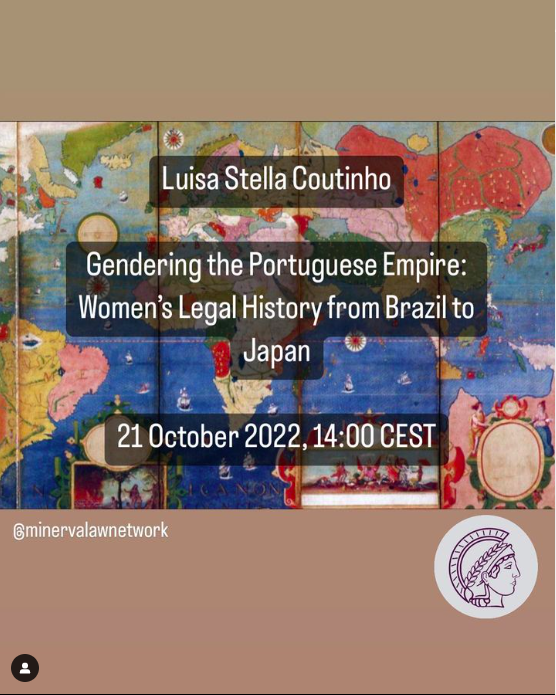
Women's legal history?? Yes, we do it!! 💪
Our coordinator Luisa Stella Coutinho will speak about her research on women's legal history in the Portuguese Empire this Friday. Do not forget to register.
We invite you to the GloNo Research Colloquium! Until February, researchers present their works followed by an open discussion. This month, Luca von Bogdandy will cover the topic Legal Change and Institutionalism.
https://t.co/WqevtgtdXj
In few hours we will start the first session of this new academic year GloNo colloquium on legal change. Do not miss the chance and come discuss with us!
https://t.co/FDAsNBhuAn
CfA: Studentische Hilfskräfte (m/w/d) für Wissenschafts- und Forschungskommunikation & für die Abt. Normatitvitätsregime
Jetzt bewerben👇👇👇
https://t.co/8TQAdSidFh
Co-organized by IberLAND and the @GloNoProject, the workshop “Ownership Regimes in the Iberian World, 1500-1850” will take place from August 31 to September 2 at the @mpilhlt. You can find information about the aims and program in the following link: https://t.co/BbelhWs243
Tune in to the keynote speech "¿Por qué en España las llamamos supervivencias feudales?" by Prof. Rosa Congost as part of the 'Ownership Regimes' workshop. Watch the livestream on Thursday, Sep. 1 at 18:40 (GMT+2) on our Twitter account or on the @GloNoProject Facebook account.
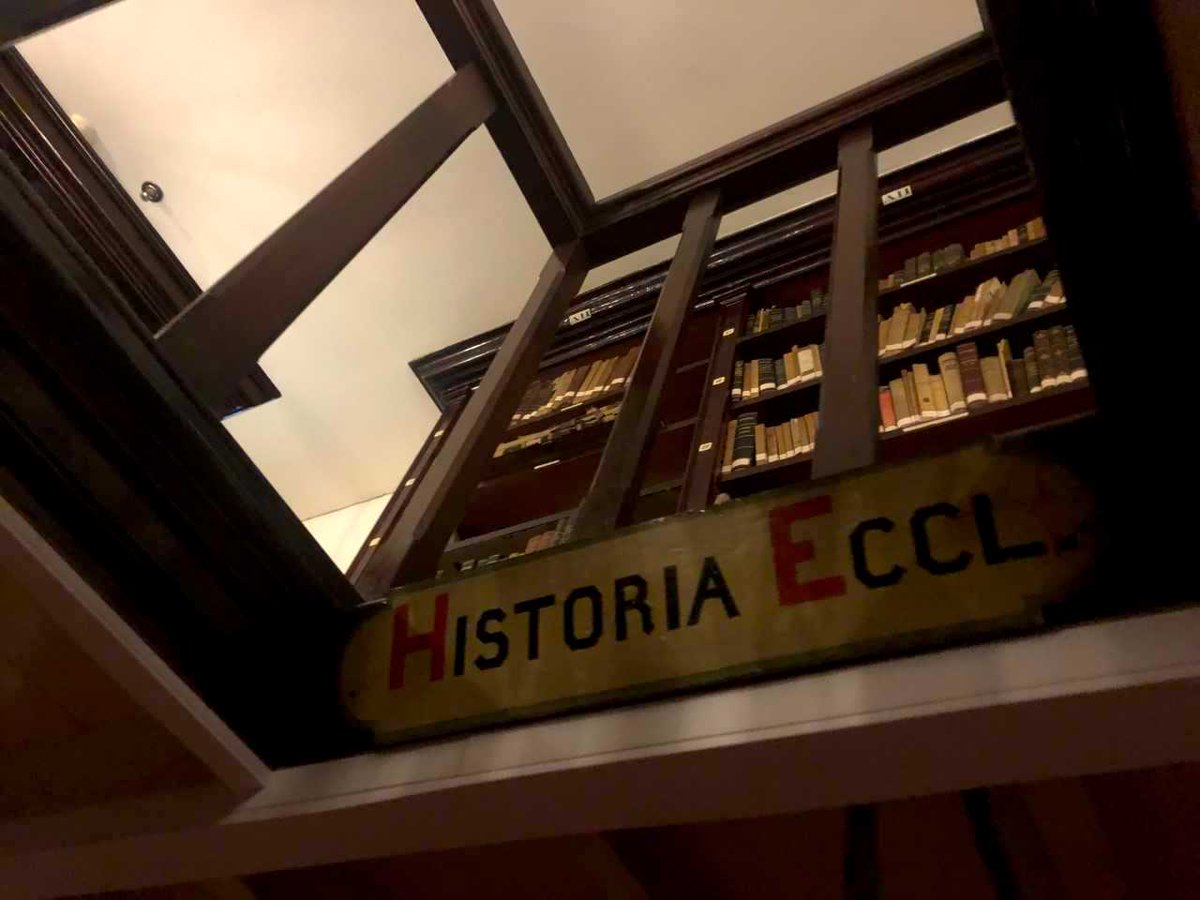
Some pragmatic normatives developed by the Propaganda Fide and local communities constituted a “state of exception” for the imperium Ecclesiae.
Follow us for more! #mpi#mpilhlt#legalhistory#glonoproject
Haochen's #research tries to discuss the knowledge history of #Catholic universalism in a glocalised context. “Universal Church” incarnated from the #European cosmos had been drastically challenged since the early modern period.
Photo courtesy of The Max Planck Institute
The centuries-long controversy focused on whether it was licit for the Catholic converts to participate in or assist local public ceremonies and folk rites, which played a key role in imperial China’s public life.
Follow us for more! #mpi#mpilhlt#legalhistory#legaltheory
Haochen's current dissertation project is titled "Officia erga Patriam et Catholicum: the Congregatio de Propaganda Fide’s Translation of Universalism over the Chinese Rites Controversy (1643-1939)."
Photo by @haochenku
This project analyzes how the Propaganda Fide of Roman Curia perceived and responded to the moral theological doubts and debates raised in the Chinese rite's controversy through translating universalism into pragmatic normatives.