Bitcoin stuck at $64K-$62K range for a reason.
History is repeating itself, everything going exactly as I predicted:
The $BTC pattern for 2026 is simple:
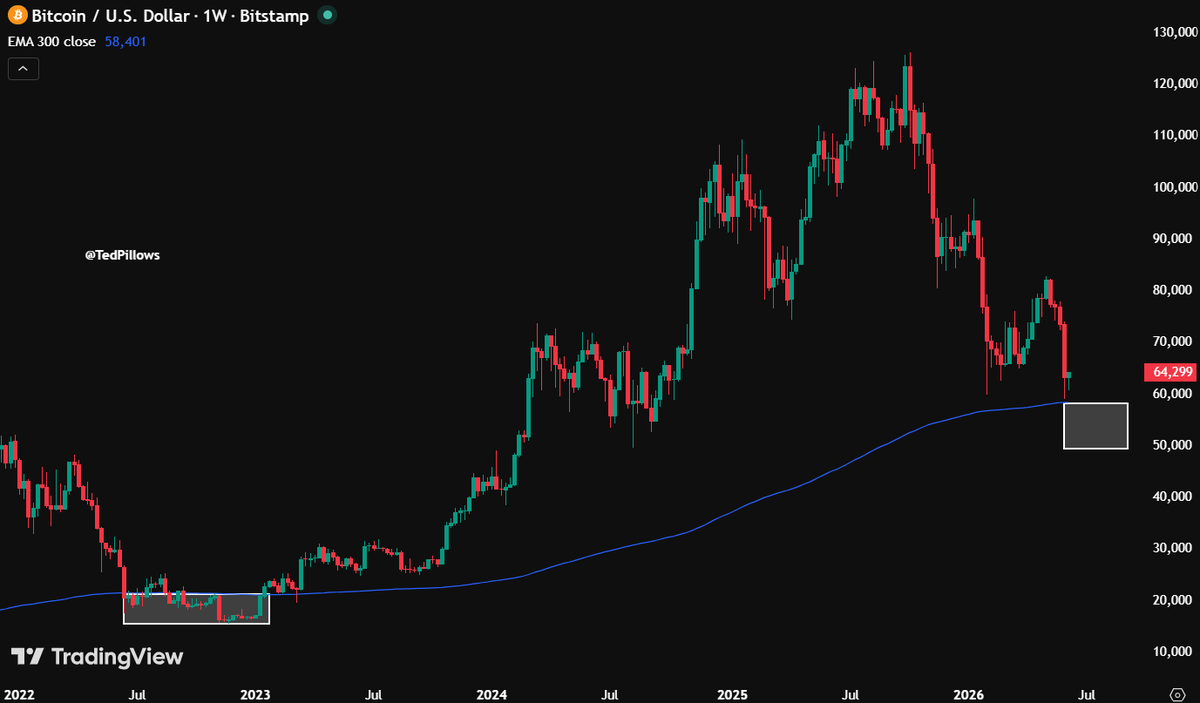
$64K → $57K → $48K → $55K → $41K
Next targets:
→ $57K in days
→ $41K by July
I called the recent Bitcoin dump publicly, $126k top in October 2025, and even $15k bottom in November 2022.
If you missed those calls, don't worry. I'll call the next one too.
Follow now. I'll call every major move.
$BTC Funding Rate cools down
Observing data from CryptoQuant, the $BTC Funding Rate across all exchanges is recording a significant decline following recent surges.
- The sharp drop in the Funding Rate indicates that the derivatives market is flushing out over-leveraged $BTC Long positions after the recent period of volatility.
- This metric gradually retreating to a neutral level helps minimize the risk of liquidation cascades, thereby creating a more solid price base for $BTC around the current $64K zone.
- It appears that the $BTC derivatives market is being "cleansed" of excess leverage, creating safer and healthier conditions for Spot capital to establish the next trend.
$BTC ranged 10%-20% below the 300W EMA last cycle before the bottom.
I'm expecting something similar again, which will put the bottom around $50,000.
After that, Bitcoin will rally towards $100,000.
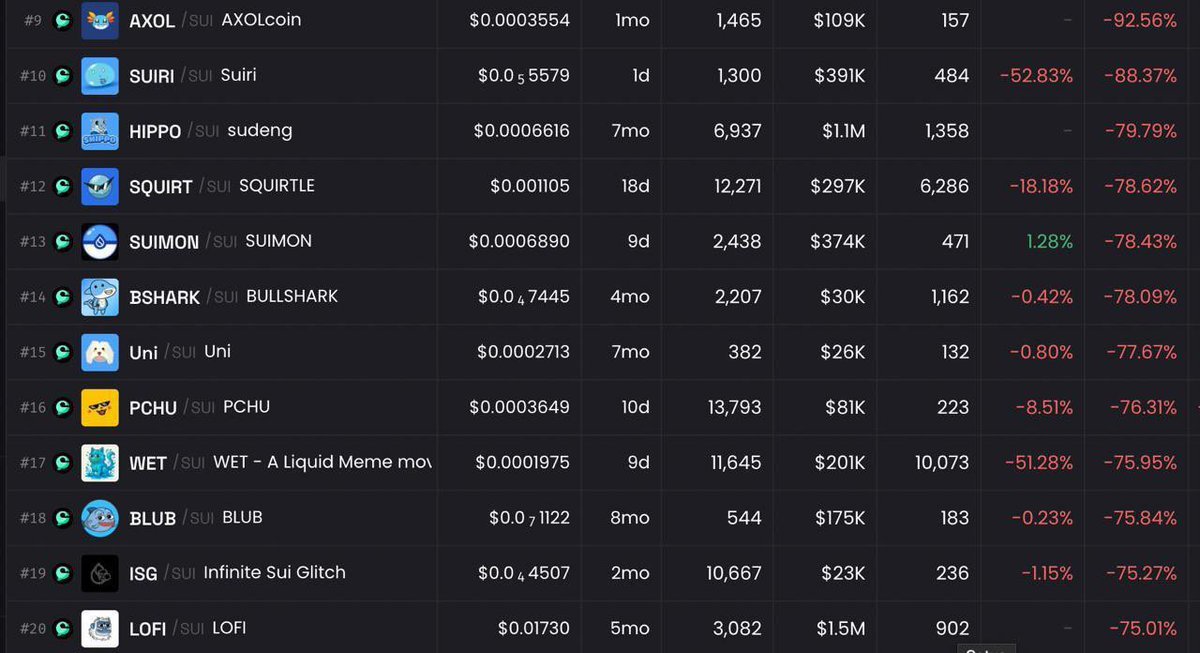
🚨 BREAKING: Cetus, main LP provider DEX on $SUI, allegedly hacked.
$11M in $SUI drained from SUI/USDC pool, with most tokens down 75%+ as pools are emptied.
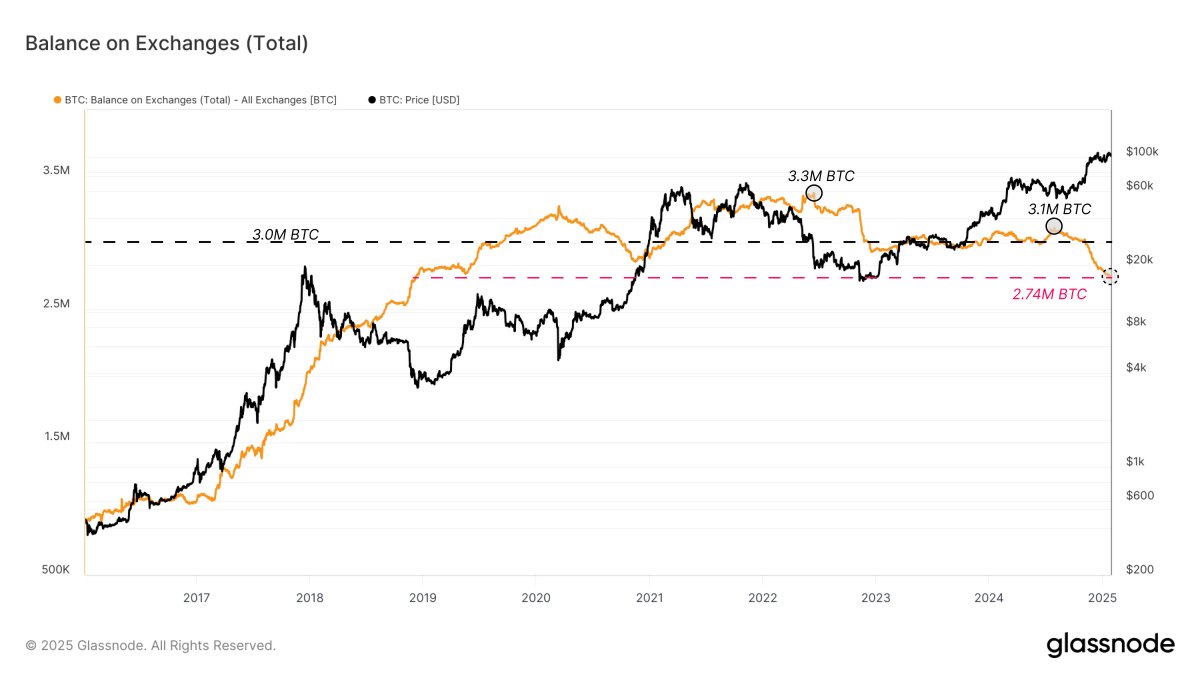
#Bitcoin balances on exchanges have dropped to 2.7M $BTC from 3.1M #BTC in July 2024. While often seen as a supply shock from investor withdrawals, most of this decline is due to coins moving into #ETFs custodian wallets, primarily Coinbase: https://t.co/sWo1JFfbOD
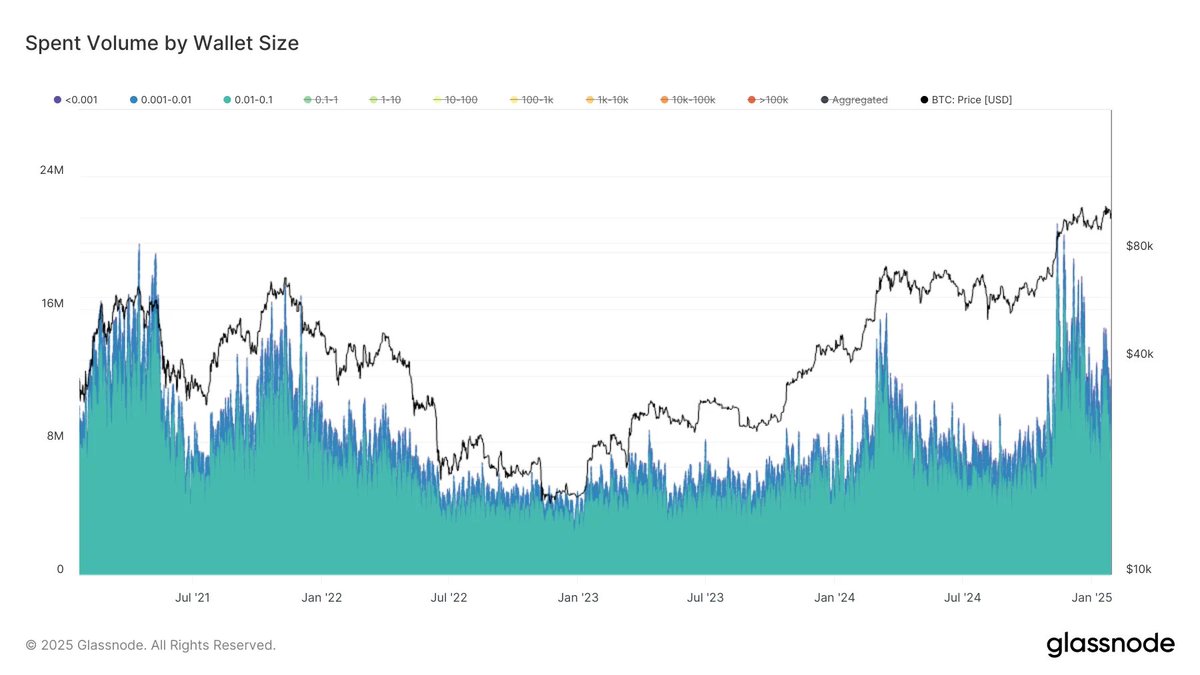
One way to gauge $BTC retail investor activity is by tracking the Spent Volume of wallets holding less than 0.1 BTC: https://t.co/t0sLuiU8Zu
At its peak in Nov 2024, retail investors were spending $20.6M per hour. Today, that figure has dropped to $10.7M per hour - a ~48% decline.
This suggests a lower level of retail participation compared to recent market peaks.