Me ha costado, he sido destruido muchas veces, pero la perseverancia siempre es una cualidad poderosa, hace que uno siempre acabe teniendo lo que se propone antes o después. Esto queda para el recuerdo por si nunca más vuelve a suceder. 41 años e Iridiscente en Black Ops 6.
Arriba España joder !! a chupar mierda los argentinos, puto espectáculo basura que dan, unos marroneros de cuidado. Además ha sido bueno para todo el mundo que España ganase, muchas injusticias y favoritismos en este mundial, apesta, ni robando han podido con la sangre de España.
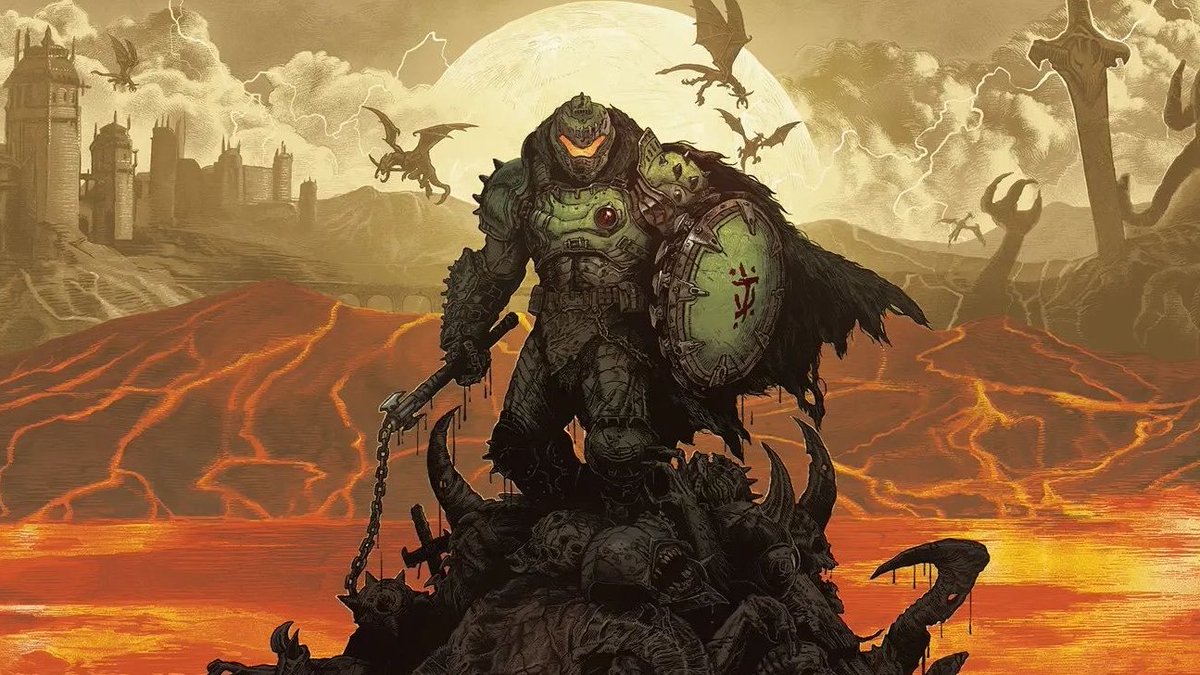
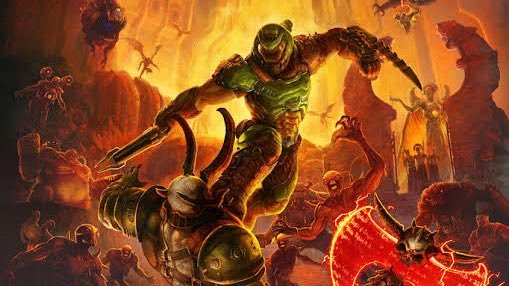
I have been trying to find something meaningful to say about the Id Software layoffs.
My “Microsoft will probably be a good steward of the brand” statement isn’t aging well, and this is certainly going to dampen the mood of the founder reunion at QuakeCon next month.
I’m saddened, but I can’t muster anger or outrage over it. I don’t have access to the books, but I suspect that Id Software was a marginal business from Microsoft’s perspective. I believe the reports that Minecraft revenues have been carrying several other studios.
To continue being produced long term, games need to succeed, not just be beloved.
Games are competing with every other option for spending your leisure time and money, and the competition is brutal.
You can’t rule out the possibility that executives are idiots, but that shouldn’t be your default belief. I don’t think there is any obvious path that would have doubled the revenue from Id games.
Could they have gotten more with a different pricing strategy?
Could they have created more things for fans to buy?
Could they have cost effectively marketed in a way that reached more players that would have loved and bought the games?
Could they have changed the game designs and broadened the appeal to more players without alienating existing ones?
Could they have produced the games at a lower cost, faster or cheaper?
I really don’t know.
The game isn’t over yet, and I hope the studio rallies through.
- Crea trilogía bestial
- Da exactamente lo que te piden
- Entrega juegos en ciclo AAA de 4 años (poco habitual en la industria hoy en día)
- DLCs de calidad incluido
- Diseña el mejor ENGINE de la industria (a nive técnico)
Recompensa?
- Sé despedido y desmantelado
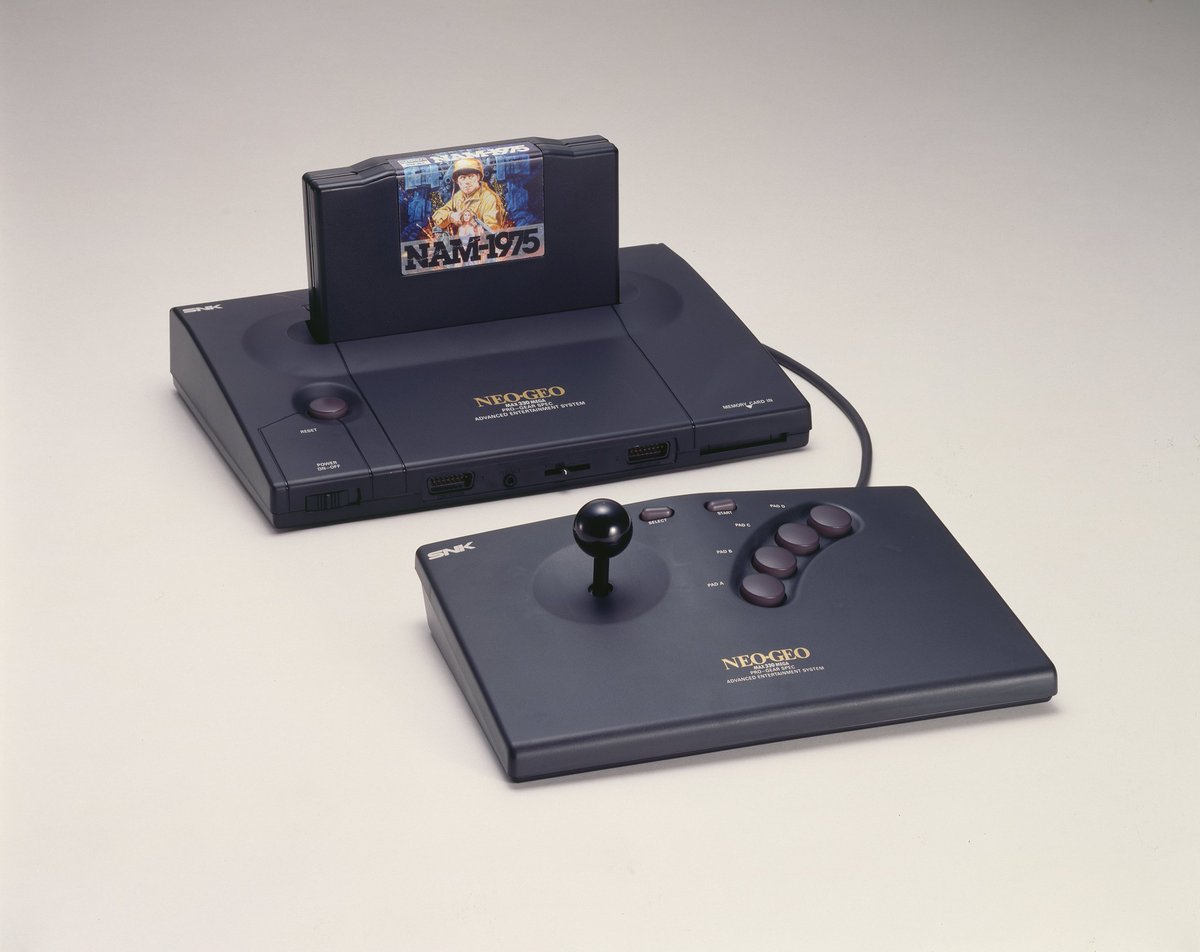
Con todo el jaleo que hay montado hacía Sony con el fin del formato físico para PlayStation espero ver apoyo absoluto con el lanzamiento de la NeoGeo AES+ y con posteriores juegos que vayan sacando. El poder lo tenemos nosotros, apoyar a quién lo merece y no compréis PS6.
Sandy is conflating four stories:
- The story of the contract programmer is incorrect, and was before Sandy’s time at id. The contract programmer was hired to do the SNES port of Wolf 3D (not the network code). They ended up not doing it. So, we had to stop development on DOOM for three weeks to do the port. That person was employed by another company at the time, and although they assured us they had approval to do the work, that was not true. To avoid a lawsuit, we gave them rights to publish the Mac version of Wolf 3D. See ch 12 DOOM Guy for this story. The person was a good programmer, but not genius (ie Carmack, Sweeney, Gebelli, Woz). While the story was certainly told to Sandy, it was not told as it happened because Sandy was not there.
- The DWANGO story is incorrect. DWANGO happened after DOOM II shipped. John Carmack had nothing to do with that, nor did the contract programmer mentioned above. I wrote the client code for this with Kee Kimbrell. It was a win for id and for our games. See ch 14 in DOOM Guy for this story.
- The story of DOOM being banned from universities due to its network code is partially correct. The issue with DOOM 1.0’s network code was it used broadcast packets that flooded networks. DOOM was banned at universities until we released v1.2 on Feb 17, 1994 to fix that. It didn’t hurt us at all. DOOM found a way.
- The network code topic is wrong. We never had an external coder for network code. That was id programmer John Cash. John Cash definitely had nothing to do with DWANGO in any way. We never had an external programmer for network code.
There are a few things that I look back on as my mistakes in the early days.
Quake was overly ambitious technically. We could have done all the great multiplayer and modding work inside a Doom++ engine, allowing the designers to work with a more stable base instead of rug-pulling everything out from underneath them a couple times. The follow up game could have then brought in full 6DOF environments and characters.
I pushed everyone too hard. I didn’t appreciate how maturing companies need more slack, and that running people at startup intensity constantly will wear them out. Quake was also where I really had to accept my personal limits. I was working pretty much as hard as humanly possible, and I was still slipping past my goal points.
On all of the founders’ shoulders, our original corporate stock arrangement and buy/sell agreement was a mistake, and resulted in bad incentives. We wanted to ensure that all ownership rested in the hands of people working hard on current projects, but the Silicon Valley standard approach of vesting stock would have worked out better.
One real problem that I don’t accept the blame for is that we were insisting that level designers be not just game designers, but also have strong visual design esthetics. They needed to make things that not only played well, but looked awesome, and it got more challenging as the technology provided a richer palette. Romero covered that well, which set our company expectations early on.
We should have figured out how to pair up artists and designers earlier, but there was infighting among the designers, and the ones that could manage the visuals were happy to disparage the ones that couldn’t.
Sorry, Sandy.
Evento increíble este Major IV de BO7, escenario, recinto, público presencial.... Es CoD, nada mas que decir, y aún encima para más disfrute personal ganó Optic.
Also spotted at tonight's @MCV_DEVELOP awards! A thing of beauty is it not? We're so thrilled to be working with our friends at @PLAION_UK on this one!
It’s heartbreaking to see what’s happening at Xbox right now.
A lot of great people are being affected, and I don’t want to minimize that. But if we’re being honest, this has felt like a long time coming and I’m not sure this is the end of it. It may just be the beginning of a much larger reset across the industry.
In the long run, I actually think that reset could be good for games and good for gamers.
Xbox has struggled for a long time to identify, empower, and protect the key creative people and teams who could have kept the brand at the top.
Even when we were making Ori with Xbox, it was clear that the main focus was still Halo, Gears, and Forza - even though gamer excitement around Halo and Gears had already cooled heavily after Bungie and Epic moved on from those franchises.
The newer installments simply didn’t reproduce the same cultural impact those series once had.
Meanwhile, Ori and the Blind Forest and Ori and the Will of the Wisps became two of the most critically acclaimed Xbox-published games after the 360 era. I always secretly hoped that Microsoft would see the value in what we delivered, that they'd selfishly turn Ori into their Mickey Mouse or a Mario'esque mascot.
I emailed Phil plenty of times making my argument that Xbox should have their eyes on delivering magical experiences for kids and families as well, like Disney and Nintendo always have.
Ori and Moon could've been the start of something new, but the powers to be were probably too focused on the past for that to happen.
We’re still incredibly proud of what we delivered during our Ori era. Our partnership with Xbox produced two games that many players still see as shining stars in the Xbox catalogue.
Microsoft still owns an absolutely insane catalogue of franchises. The potential is still enormous.
The problem is and has always been that great games are not made by IP. They’re made by people. People who have passion and love for this medium, that understand what gamers truly want.
If I were in charge of Xbox right now, I’d also radically slim down, refocus and try to bring back the passion for gaming that clearly existed in the Xbox halls during the 360 era.
Xbox should be one of the strongest publishers in the world. With the brands Microsoft owns, that should honestly be fairly straightforward.
But nostalgia alone is not enough. Nostalgia can get people to look into your direction, but after that, you still have to deliver the goods. You still have to make products that get players genuinely excited. Products that make gamers literally salivate.
And to do that, Xbox has to bet on the right people.
They need to find the Miyamotos, Tezukas, Sakurais, etc. within their own ecosystem - the people who actually speak the same language gamers do - and then support them, protect them, and trust them.
Bet on those people - Not just IP. We've clearly seen now what happens when you own all the best IP in the world, but don't have the right people in charge to actually service those titles.
The formula is really not that complicated:
Ship better games than your competition.
That’s it.
If you consistently do that, you win. And given the scale that Xbox is operating at, they could win HUGE.
Of course, pulling off a full reset inside a giant corporation is brutally difficult. But we’ve seen it done before. Apple in 97 was nearly dead and Steve Jobs turned it around by simplifying the company, focusing on beloved brands and shipping products people couldn’t wait to get their hands on.
The playbook is already written out for you.
From the outside, to people like me, it still looks like Xbox is sitting on an absolute goldmine.
They just need to put the right people in charge of mining that gold.