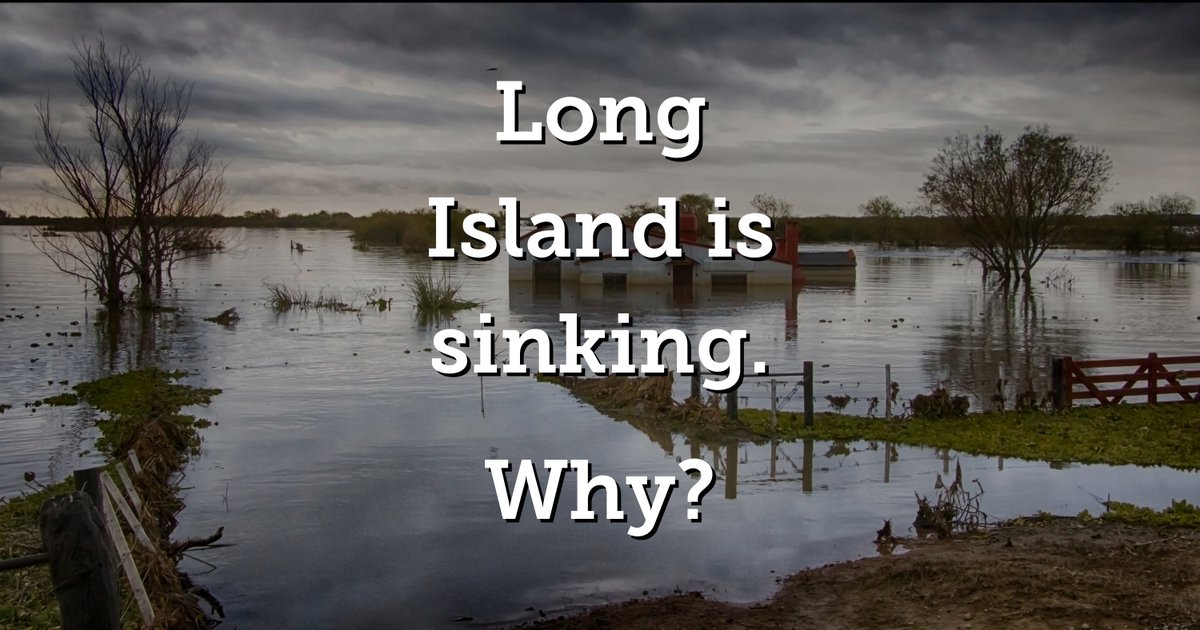
.@SoMAS professor Christopher Gobler joined @Newsday recently for a panel about #climatechange on Long Island. Swipe for information on why rising sea levels are happening.
To see the entire conversation, visit: https://t.co/pgGie6HSxG
Another day, another record for the North Atlantic. Everything is happening so fast, it's hard to get a sense of the enormity of these anomalies, let alone their consequences.
In tackling the dual crises of climate change & hunger, help — or rather, kelp — is on the way
GZERO's @SaoSasha waded into a kelp farm with the "Johnny Appleseed of Sugar Kelp" to find out more
#GZEROWorld
https://t.co/uWau2MpJpO
New Gobler Lab publication in Global Change Biology led by PhD student, Stephen Tomasetti, identifies warming and hypoxia as contributing to the collapse of the NY bay scallop fishery.
https://t.co/Df7bZYdQxd
#newpublication
In our new paper, we document, for the first time, the existence of toxic HABs in Central Park and demonstrate that N loading contributes to the intensification of these HABs and a significant public health threat.
https://t.co/LyjlVVm3Vv
We demonstrated, for the first time, that the invasive red seaweed, Dasysiphonia japonica, forms harmful algal blooms in the US. The manuscript is available free of charge from the international peer-reviewed journal, Harmful Algae (link below). https://t.co/Y6iWtz3tmV
New publication by the Gobler Laboratory in the international, peer-reviewed journal Harmful Algae, led by recent PhD grad, Ben Kramer, exploring how CO2 and N impact the growth, toxicity, and N-fixation of the bloom-forming cyanobacteria, Dolichospermum.
https://t.co/Yh2U4mK2Zz
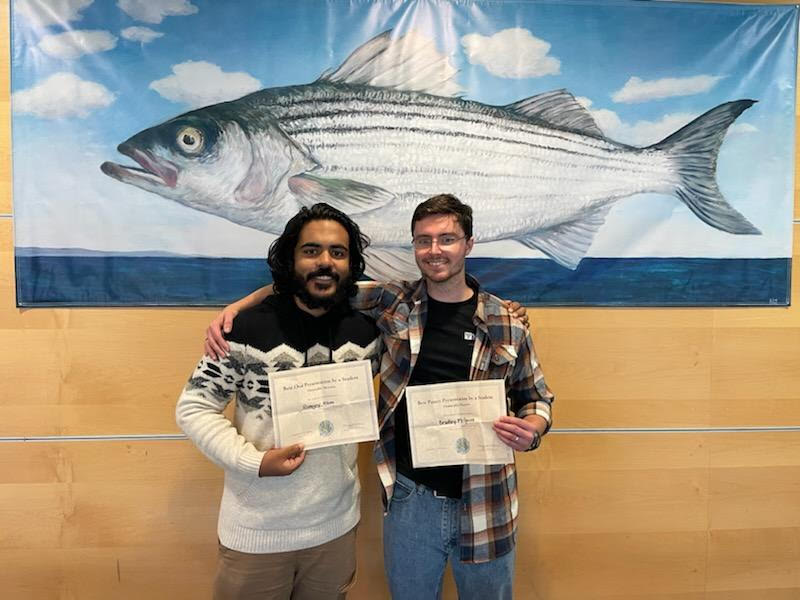
A spectacular week at the US Symposium on Harmful Algae last week. 10 presentations given by lab members and runner-up best talk and best poster awards for Ronojoy Hem and Brad McGuire, respectively. Well done everyone!
Ocean acidification is a threat to bivalves and some sediments are highly acidified. In this new paper, grad student Tim Curtin shows that supplementing muds with crushed shells significantly improves the growth and survival of clams.
https://t.co/mZWLUlBddI
Gobler Lab Associate Director of Aquaculture and Shellfish Restoration, Michael Doall, deemed the "Johnny Appleseed of Sugar Kelp" by the NY Times. We couldn't agree more and couldn't be more proud. Way to go, Mike!
https://t.co/g6tbgWuuT1
Happy to announce the publication of new study in Frontiers in Marine Science demonstrating the ability of kelp to mitigate the effects of coastal ocean acidification on bivalves, including on an oyster farm.
https://t.co/MowNJr8BTG
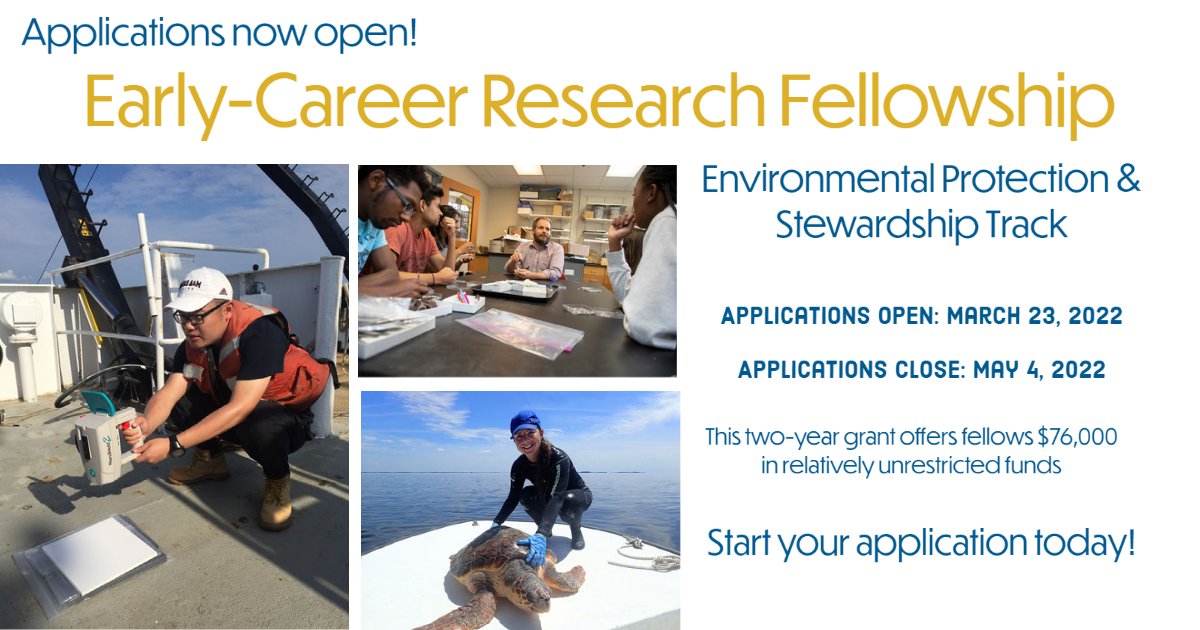
Apply now for the Environmental Protection and Stewardship Track of the Early-Career Research Fellowship! This two-year #grant offers $76,000 in relatively unrestricted funds to support projects that study ecosystem changes in the Gulf of Mexico. https://t.co/Sc8JSRi4wG
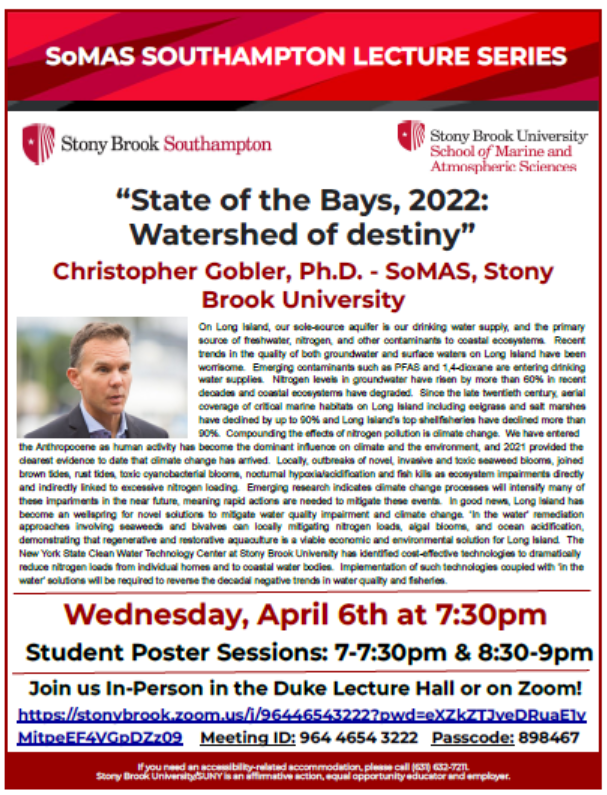
The STATE OF THE BAYS symposium returns next week. While we look forward to seeing everyone live and in person, there is also a Zoom option. Join us!
https://t.co/VUiUX8RdmC
MitpeEF4VGpDZz09
Meeting ID: 964 4654 3222 Passcode: 898467
Pleased to share our newest publication in @FrontMarineSci.. Here we recreated daily fluctuations in O2 and CO2 of NY bays to reveal threats to crab larvae that were otherwise concealed under "average" static conditions. Variability matters! https://t.co/8EtXO0LibF / @GoblerLab
During National Water Quality Month (August 2021), we congratulate Dr. Christopher J Gobler [GoblerLab] of SUNY Stony Brook -- Recognized as an Expertscape World Expert in Eutrophication.
https://t.co/UpFhKxh3cg
If you're going out on the Great South Bay this weekend, you might see more brown tide than usual.
@GoblerLab found this type of alga has rapidly intensified to the highest counts since 2017. See why it matters: https://t.co/pckdeSKnUC




![Daily_Experts's tweet photo. During National Water Quality Month (August 2021), we congratulate Dr. Christopher J Gobler [GoblerLab] of SUNY Stony Brook -- Recognized as an Expertscape World Expert in Eutrophication.
https://t.co/UpFhKxh3cg https://t.co/OAOhgrZ6R7](https://pbs.twimg.com/media/E9PHjLFWYAMiy9m.jpg)


