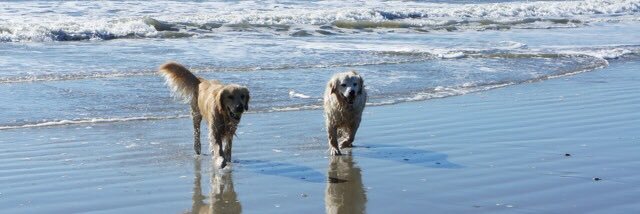
As temperatures rise, a simple bowl of clean water can mean the difference between comfort and suffering for stray animals, birds and wildlife.
Please don't forget our stray and wild friends this summer. ❤️🐾☀️
USA PSA : It’s almost time for fireworks day. It’s time to prepare yourself and your Pets for the event.
1. Talk to your vet about herbal supplements but keep in mind they need to be started two weeks before the sky booms start.
k. If your pet is extra sensitive, there are better living through chemistry options from your veterinarian.
$. There is nothing wrong with putting a blanket under your bed or sofa, in the sink cabinet, in the bathtub and/or anywhere else your pet goes to as a comfort cave.
You know things are hard in da rescue world when these puppies haven’t gotten any adoption apps!
It’s wild! 😭😭😭😭
Could you share dis post to get da word out? They’re available fur adoption with @Lucky_Pup_SC. Check out da website: https://t.co/F5QZkeJwzd
When our orphans return to the wild, how do they find a herd?
Slowly. Reintegration isn't a single moment – it happens over years. At our Reintegration Units in Tsavo and Umani Springs, orphans grow steadily more independent, spending days and then nights away, until the wild becomes home. Even then, many still choose return to the place and people that raised them every now and again.
Most don't go it alone. They join herds of ex-orphans who went wild before them, or form their own, made up of other ex-orphans they grew up with – the friendships made at the unit become the family they live wild with. Suguta lives out in Tsavo with the same four friends she's had since the Nursery.
As for who leads – matriarchy settles the way it does in any wild herd: through age, temperament, and the respect of the others. Herds aren’t one amorphous unit either, groups will splinter off and then rejoin, and these splinter herds will have their own mini-leaders.
For more about how we reintegrate orphaned elephants to the wild, a process we’ve honed over nearly five decades, visit: https://t.co/ELpBAGndch
Admin Post:
My current dogs have only known me as an amputee and wheelchair user. Maybe they think rolling is for an elite few and that most other dogs just have average walking humans. They love me as I am.
But Kuno knew me before the amputation. We walked together, he licked my toes, and he loved to sit in front of the couch and put his paws on my lap. I had mobility and balance issues and he was learning to assist me on stairs, going from sitting to standing, and to help when I got struck by a dizzy spell. He knew me on my good days, which actually weren't very good, but they weren't really horrible. And he knew me when I would get really, really sick with recurring infections.
During his training he spent many hours hanging out at the IV clinic with me as I got doses of antibiotics. He could tell when my pain levels were getting unbearable and would rest his giant head on me. He knew when I was really sick.
I had been mentoring under a dog trainer and teaching Kuno the skills to be qualified as a service dog in our province when things started to go haywire. First an IV port became infected and I ended up with a bone infection. Kuno stayed at the trainers facility for several weeks while I was in hospital. When I was finally discharged and he could come home, he was ecstatic. Something about him had changed though. He watched me a little more closely, would check in with me more often when I took him to the big off leash park, and he was just a bit more vigilant around me. It was a subtle change but I saw it.
Then a month later I developed a soft tissue infection in my leg. It spread rapidly and I quickly became extremely ill. It was too painful to stand on, I spiked a high fever and couldn't keep food down. A friend came over to help me get a few things done and help me get to our local ER. I had many soft tissue infections before so I figured it would be the usual outpatient antibiotics. She took one look at me and called an ambulance.
I ended up at a large hospital in the city as our local one didn't deal with critical cases. The infection had spread and they amputated both legs. I was really sick for awhile. It took a month before I was stable enough to transfer back to our local hospital and start physical rehabilitation. This time a family member stayed at the house I was renting with the animals. Only fully qualified service dogs were allowed in the city hospital but once I was back at our local one, Kuno could come visit.
I waited impatiently in the hospital courtyard for him. As soon as he saw me, he rushed towards me. Then about 4 feet away he stopped and looked at me. I suppose he was figuring out that something was different. He took a minute and then came up and tried to put his big head in my lap. The wheelchair rolled backwards but he walked with it keeping his head on me until I got the brake on. He thoroughly sniffed what was left of my legs and I asked him to put his paws up on me.
He refused at first. With some encouragement he very carefully put one paw on my lap, and then finally the other one. He was so careful and tried to keep his weight off of me and leaned in for nose kisses. He knew he needed to be extra gentle.
After that day he was always super careful putting his paws on me. He understood things had changed. We learned how to navigate the world with wheelchairs together. At times I felt incredible amounts of guilt because there were so many places I couldn't take him to now. I couldn't get to the edge of a pond to take him wading or go wandering through a forest with him. I worried that he was missing out on things so I became determined to learn how to do as much as I could with dogs and find ways to meet his exercise needs, and more importantly, ensure he had the mental stimulation, challenges, and enrichment opportunities he deserved. And together, we did some pretty amazing things.
❤️ Because of him, I now have the skills to do so much more with dogs.
#ThrowbackThursday