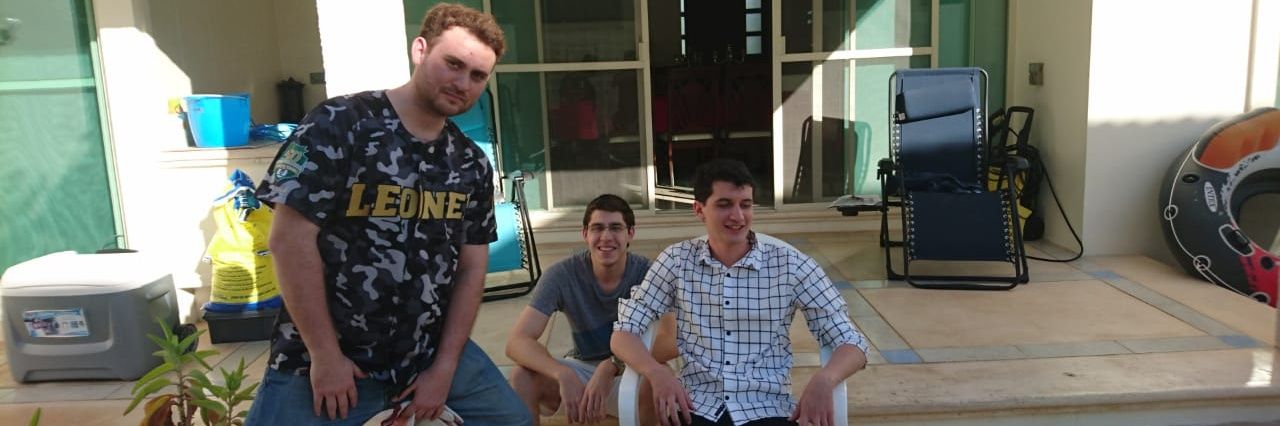
🎖El @INNNMVS extiende una felicitación al equipo de residentes en Neurología, quienes obtuvieron el 1er lugar en el "Neurodesafio" del Congreso del Capítulo Mexicano de la Liga Internacional Contra la Epilepsia (@camelice).
👏Enhorabuena
Entiendo de donde viene la frustración de adscritosaurios de que se le quiera dar la postguardia a los residentes, son personas que vivieron infiernos en sus momentos, y en un intento irracional de justificar ese sufrimiento piensan que los hizo mejores médicos.
Admitir qué puedes ser un buen médico aunque no te la vivas en el hospital siento que para ellos es quitarle el sentido a su sufrimiento. Pero definitivamente qué tu vida se centre en el hospital 24/7 NO te hace mejor médico
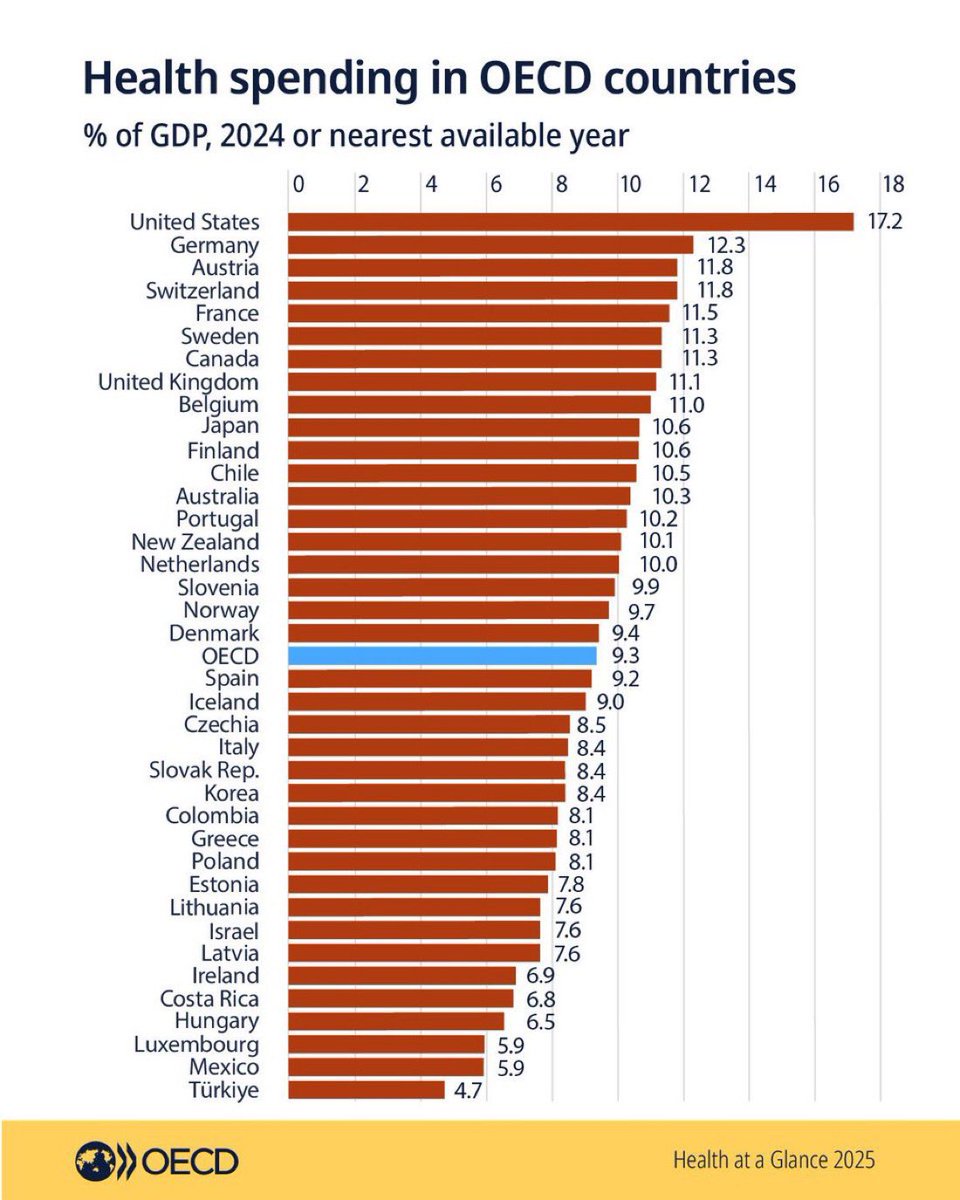
México, penúltimo lugar de gasto en Salud. Lo peor es que de ese gasto la mitad es del bolsillo.
Muchas familias que viven al día caen en catástrofe económica por una enfermedad que causó un gasto impredecible.
Cuando se va a hacer responsable el pueblo tmbn por el Narcotráfico?
Dejen de fumar su motita
Dejen de comprar "perico" pa el bajón
Dejen de promover el uso de cbd
Dejen de solapar a sus hijos narcos
Dejen de consumir música que los exhalta
Dejen de producir narcoseries
Versión original de radioactive:
"Welcome to the new age, welcome to the new age, to the new age"
Versión de Sabri de radioactive:
"Welcome to the moon bitch, welcome to the moon bitch, to the moon bitch"
A common misconception regarding the treatment of Guillain-Barré syndrome (GBS) is the idea that it can be categorized as either "IVIg responsive" or "resistant." The only two therapies that are effective for GBS—plasma exchange and intravenous immunoglobulin (IVIg)—do not change mortality rates or long-term disability outcomes. Yes, you read that correctly. Both treatments are quite expensive, and clinical trials have shown that, compared to placebo, they only lead to accelerated recovery, with no significant difference in disability at one year or mortality rates.
Some of you may think I’m crazy for repeatedly stating that "Time is Nerve," but I strongly believe this to be true. The variation in response to immunotherapy in GBS is most likely related to the timing of starting treatment for an individual patient's disease course. This is why it is crucial to initiate therapy as soon as possible. I believe that starting treatment early may change the trajectory for many patients on an individual level.
Research indicates that the neuropathic process in GBS begins several days before patients exhibit any symptoms. After antibodies have been deposited in the nerves and complement activation occurs, plasma exchange or IVIg cannot effectively treat the damage that has already taken place in the nerves. While these treatments may help prevent further injury caused by antibodies or complement/cytokines, they cannot reverse the damage that has already been activated. As a result, patients with severe GBS who present to the hospital within less than three days or who become unable to walk in that same timeframe are likely to require mechanical ventilation and face a poor prognosis.
1/x