"A Beautiful Mind": John Nash — a genius with schizophrenia, whom cinema made dangerous. But this is a stereotype. People with schizophrenia spectrum disorders who receive treatment pose no greater threat than anyone around them.
If you want to change this stereotype — start by seeing the person, not the diagnosis.
Joker ("Joker"), Nina Sayers ("Black Swan"), the Narrator ("Fight Club") — in cinema, schizophrenia always means danger. Now imagine living with this diagnosis and watching a recruiter's face change the moment they find out. Film shapes perception, perception shapes attitude. Support those who break these stereotypes by baking bread, making art, and simply being themselves: https://t.co/eJMf6QCucP
Aggressive. Unpredictable. Dangerous. That's the image of people with mental disorders that media keeps reproducing. Memes, news, TV shows all building a stereotype that has nothing to do with reality. And that's exactly why people are afraid to talk about their diagnosis out loud. Donate to Good People and support those who are tired of hiding: https://t.co/eJMf6QCucP
Schizophrenia Awareness Month.
Imagine: dark silhouettes watching your every move. But you know they aren't real. A day with schizotypal personality disorder, just like everyone else's. Coffee, work, and voices whispering behind your back. At work they fade, but the constant focus drains you. Evening: tomorrow will be another day of struggle. Better if you're not alone. Support people with schizophrenia by donating: https://t.co/eJMf6QCucP
Schizophrenia Awareness Month
"They're dangerous" — that's exactly what forces people with schizophrenia to hide their diagnosis and live in isolation. Schizophrenia affects perception of reality, but behind the diagnosis is an ordinary person who wants a job, friends, a routine. The hardest part is when others see your medical record before they see you.
Whose reality is real?
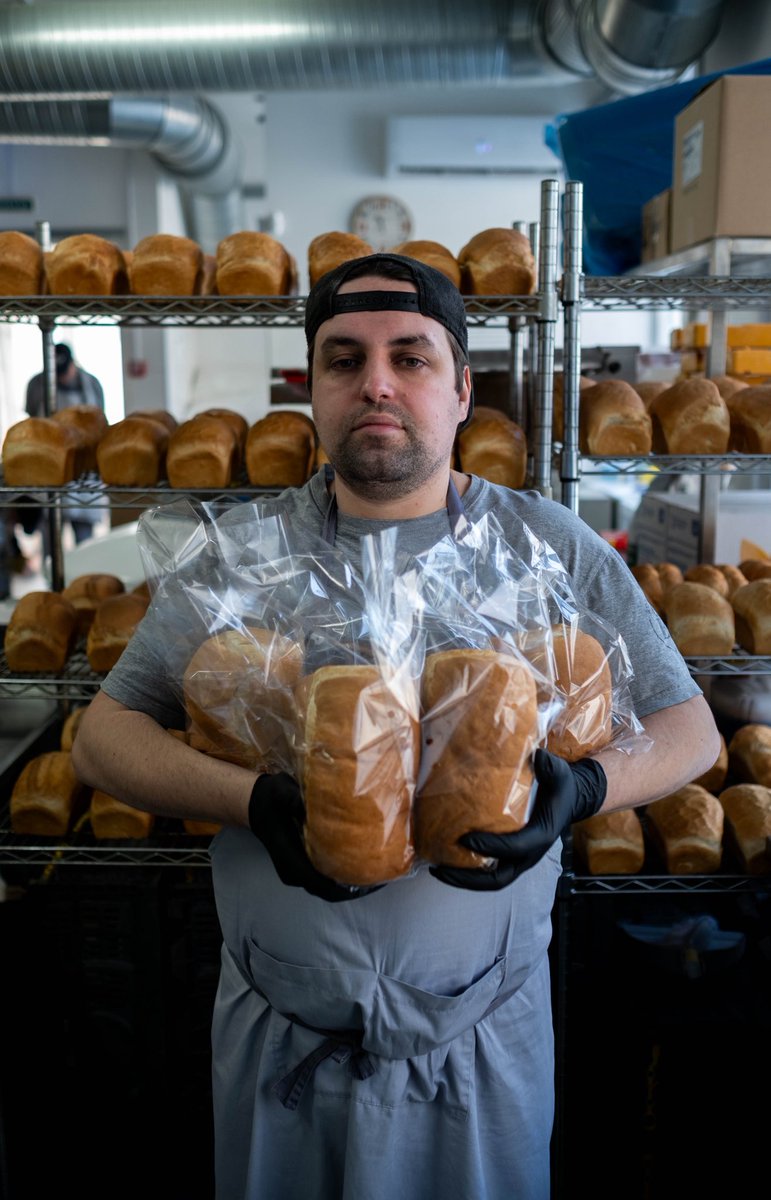
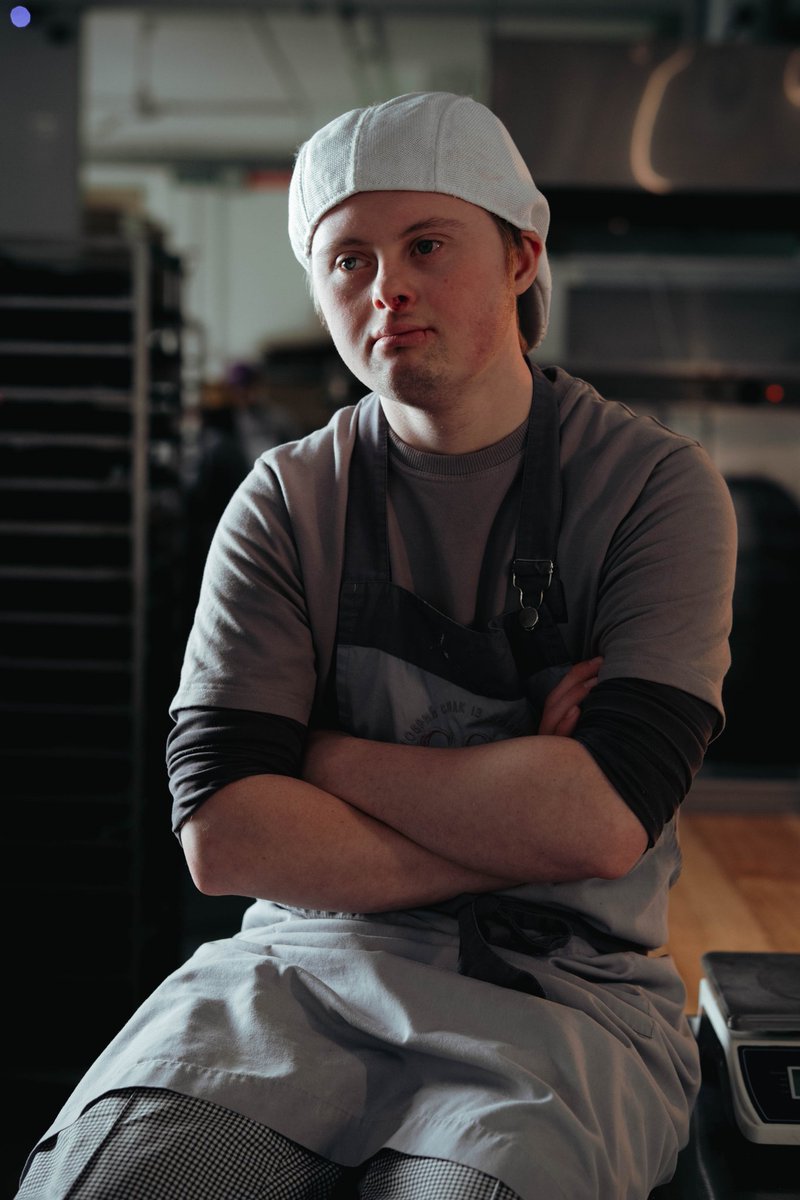
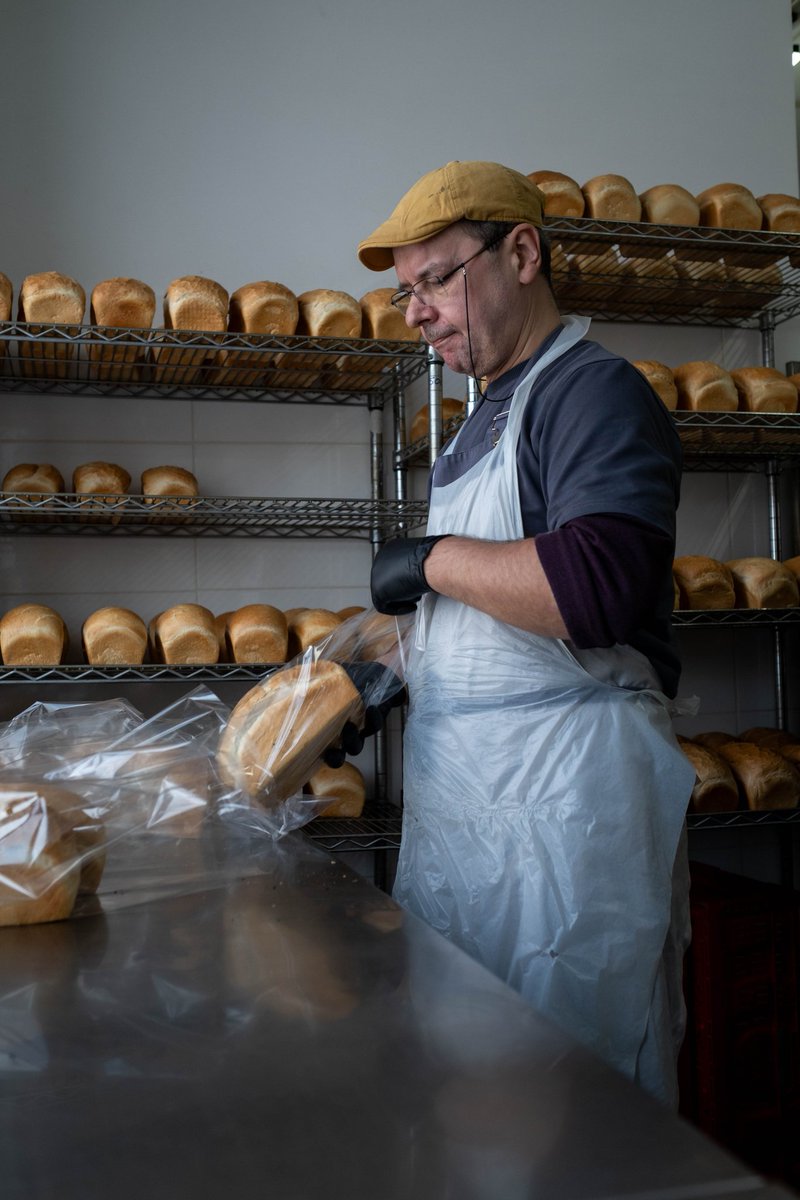
Everyone has their own reality, their own way of perceiving the world. The difference between "normal" and schizophrenia is a matter of degree. At Good People, people with schizophrenia work, bake bread and live their lives. Their reality is just a little different. Donate to Good People's jar:
https://t.co/eJMf6QCucP
#LeftBehind — but not forgotten.
At Good People, we have a tradition of visiting psychiatric institutions and bringing cupcakes to residents. Behind these visits are people with education, experience, and their own stories who are often overlooked.
#LeftBehind — but not forgotten.
Valerian has never lived outside a neuropsychiatric institution: first a children’s facility, then an adult one. He says he got used to it and that he’s fine with his life there. But being “fine” in a place you never chose to be is not the same as freedom. We brought him cupcakes so he would know that there are people outside who still care about him.
#LeftBehind — but not forgotten.
He lives in a psychiatric institution and always looks forward to the next visit from his relatives—they come every 3–4 months. He takes on small jobs and gives all his money to volunteers, because he believes it’s the right thing to do. A suspended cupcake is a simple way to show that he is not forgotten.
When we come to a psychiatric institution with cupcakes, it becomes a moment of personal attention — when something is given specifically to you. For people living in closed institutions, contact with the outside world is rare. A cupcake is a way to say: you are not alone.
We regularly visit psychiatric institutions and see how life is organized there. People with mental and intellectual disabilities live there and require daily care and support. Formally, it is about care and accommodation, but in practice it often means limited space and very little contact with the outside world.
WE DID THAT.
On April 29, the first book presentation in Ukraine by an art brut artist with an intellectual disability, Andrii Klymenko, took place to a full audience. We are glad we were able to create a space for artists with intellectual disabilities where their work is supported and valued.
Real inclusion isn't a policy statement. It's a paycheck, a schedule, a colleague who treats you like an equal. That's what we create — in wartime Ukraine, with limited resources. If that matters to you:https://t.co/awGkbykHKw
Some US states now legally require digital accessibility for people with disabilities. Ukraine isn't there yet legally. But we're already building what the law hasn't mandated — an economy that includes everyone. Support that work: https://t.co/awGkbykHKw
In 2025, only 22.8% of Americans with disabilities were employed. In Ukraine, the gap is wider and far less discussed. We're building real jobs, real wages, real inclusion — one person at a time. Help us keep going: https://t.co/awGkbykHKw
Izium. Six months under occupation. 29km from the front line today. Kids there still know what a holiday is. We think that's worth showing up for: https://t.co/awGkbykHKw
In 2026, disability rights in the US are moving toward real legal enforcement. In Ukraine, civil society is doing that work without the infrastructure. We are that infrastructure. Help fund us: https://t.co/WF5REhwo4E
1.3 billion people live with significant disability worldwide. Most economies were not designed with them in mind. We're redesigning from scratch — in Ukraine, during a war. Your support makes that possible: https://t.co/awGkbykHKw