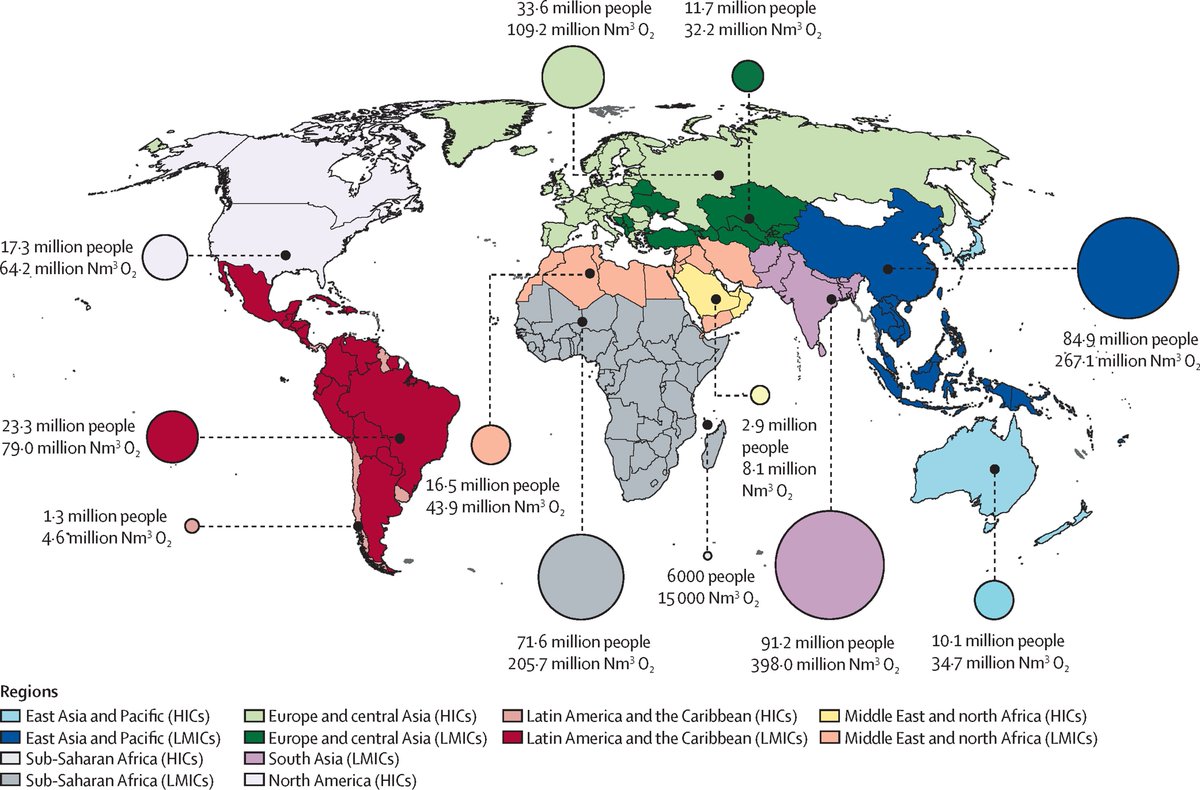
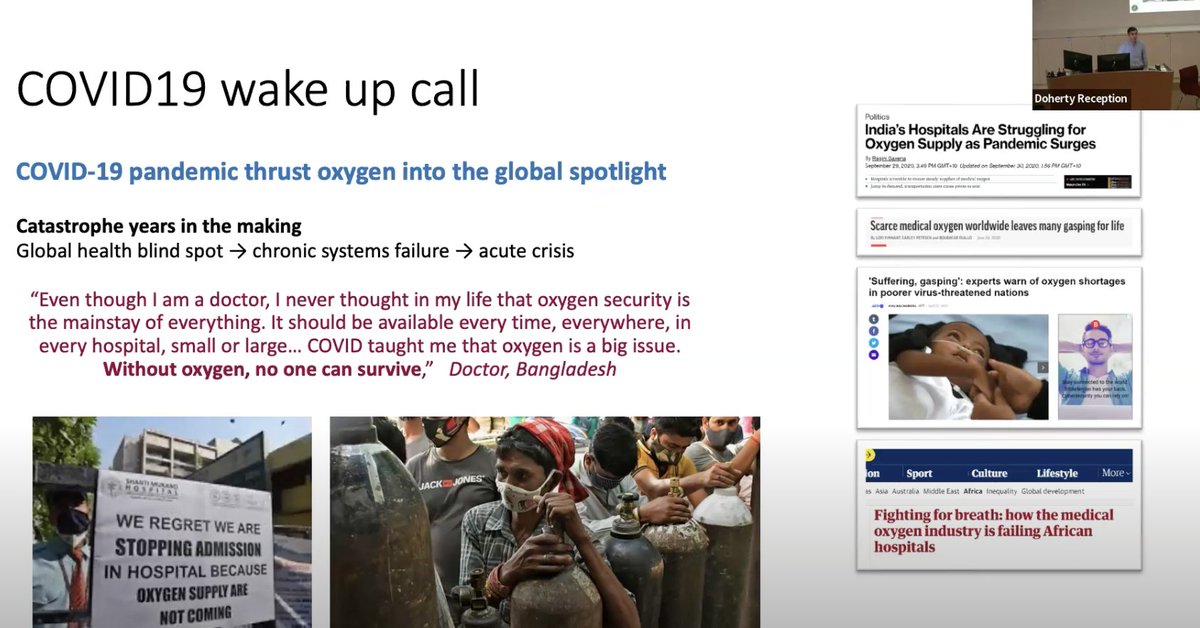
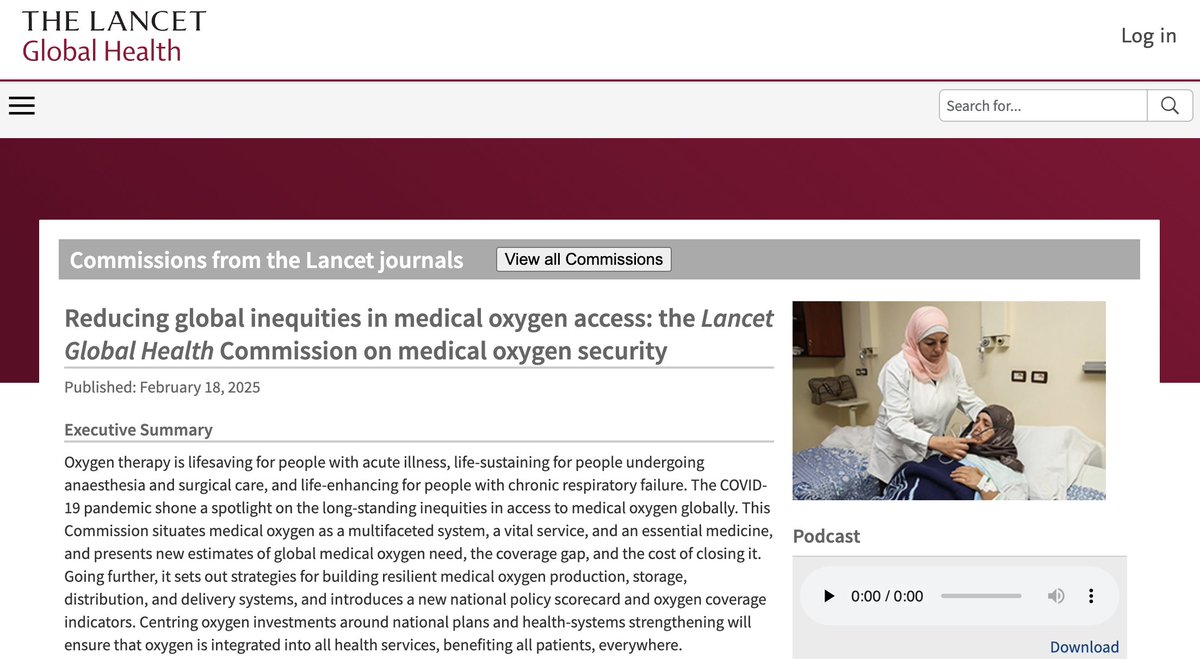
6 in 10 people lack access to medical oxygen.
This leads to preventable deaths & strains health systems, especially during emergencies like COVID-19.
A new @LancetGH Commission outlines the case for investment in medical oxygen 👉 https://t.co/xINKN1Q2L7 #InvestInOxygen @Stop_Pneumonia
*Engineers - Solar - Innovative Oxygen Solutions*
PhD opportunity for a motivated engineer to work on sustainable oxygen solutions using solar power and a novel oxygen generation system. With University of Tasmania.
@Stop_Pneumonia @UTAS_
https://t.co/urLCmlxF66
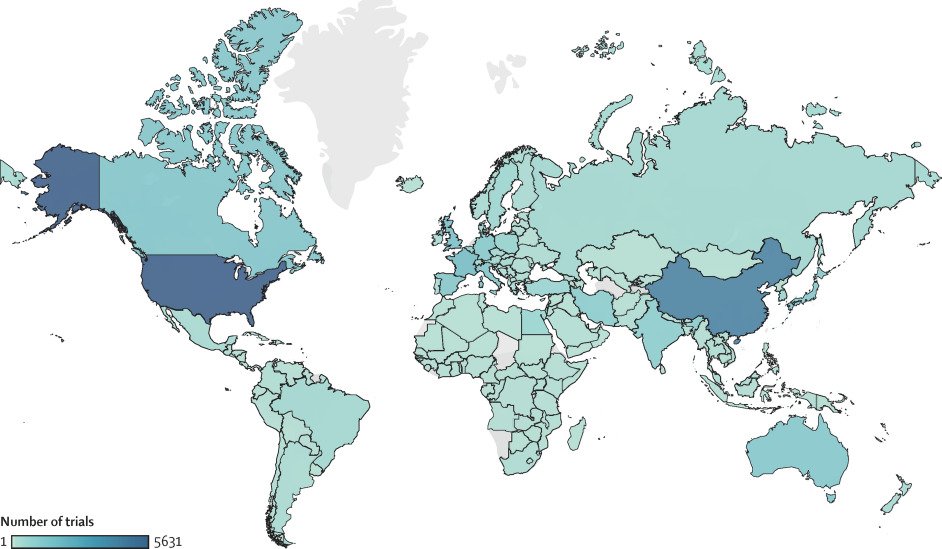
Conduct of clinical trials is grossly inequitable:
👉Only 10% of trials included children.
👉Only 9% were conducted in low-income and middle-income countries (LMICs), 1% in low-income countries
https://t.co/CRBHxeJeDZ
Good news - there were 540 publications from clinical trials on children and adolescents in LMICs in the past 10 years, with hugely important discoveries that will improve health.
However, ...
https://t.co/Y3fQ8LN8Tb
"Physicians and medical societies have a moral imperative to advocate for the enduring protection of health care workers, patients, and health care infrastructure in conflict zones."
#medical#humanitarian#ausdoc
https://t.co/YpJboGccSf
This is actually an extraordinary admission to make for a US Vice President https://t.co/VXRNYuVFdc
Vance explains that "the idea of globalization was that rich countries would move further up the value chain while the poor countries made the simpler things."
But he laments that it didn't quite work out this way: as he explains it turns out that poor countries (mostly China) didn't want to just remain cheap labor forever and started moving up the value chain themselves. Which is why, according to him, globalization was a failure.
Meaning that the objective of globalization wasn't to reduce global inequalities but very much to maintain them, to institute a system of permanent economic hierarchy where rich countries would maintain their hold over the most profitable sectors while relegating poor countries to perpetual subordination in lower-value production.
This is basically all you need to know to explain 90% of U.S. foreign policy these past few years: colonial thinking is alive and well, and America's shift of strategy in recent years - away from the previous "Washington Consensus" of "free" markets towards a much more overt attempt to contain and restrict China's development - stems precisely from this mindset.
From semiconductor export controls to investment restrictions, these policies aren't about 'national security' in any genuine sense - they're about trying to preserve a global economic order where, simply put, poorer nations know their assigned place and stay there. At the very core, that's the "China threat": a China that stepped out of the economic lane assigned to it by the West.
It's deeply ironic when you think of it: a global game allegedly designed to "spread market principles" worldwide is being abandoned precisely because it worked too well. When China succeeded better than expected, the response wasn't to celebrate the validation of the game's effectiveness but to change its rules. Precisely because the real unspoken game - but now clearly stated by the U.S. Vice President - was to maintain global inequality, not eliminate it.
All in all, in case they hadn't yet gotten the memo, this sends a very clear message to the developing world: economic development will require challenging a U.S.-dominated economic order that views their advancement as a threat rather than a success. Which incidentally is why Vance's words might actually help accelerate the very redistribution of global economic power he laments, pushing more nations to recognize that genuine development requires strategic independence from a system intended to keep them in their place.
If you're in Melbourne, Australia
Please join us for a book chat about "The Foreign Gaze" — in conversation with Dr Selina Namchee Lo.
Host: @ausglobalhealth
Register: https://t.co/TCs8HNi9BQ
📖Bring your copy to get it signed! Limited copies will be available at the event.
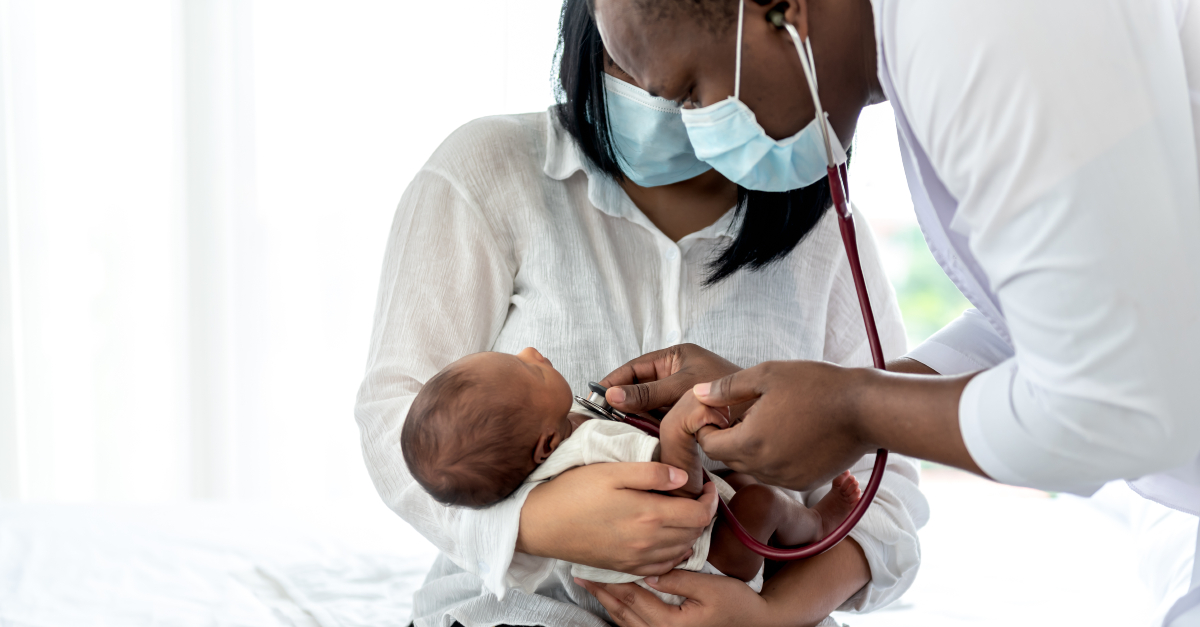
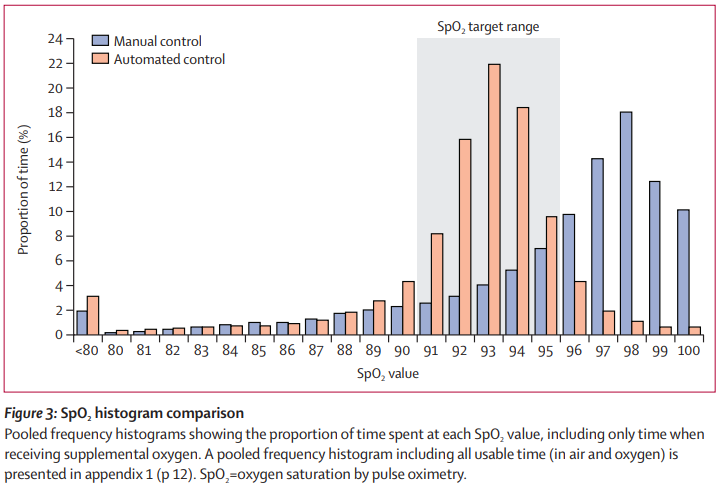
A new #MCRI-led study reveals benefits of automated #oxygen delivery in low-resource countries. It found preterm babies at two Nigerian hospitals stayed in the safe oxygen range longer compared to standard techniques. @UTAS_@GrahamHamish@Oxygen4life1
👉 https://t.co/jQV2SZMiux
Important new study reporting the prevalence of critical illness in 22 nations in Africa.
👉12.5% of hospitalised patients were critically ill, and 1 in 5 died. ⚠️Less than 50% of those needing oxygen, fluids, or airway safety received it.
@TheLancet https://t.co/wVwQBqnR8G
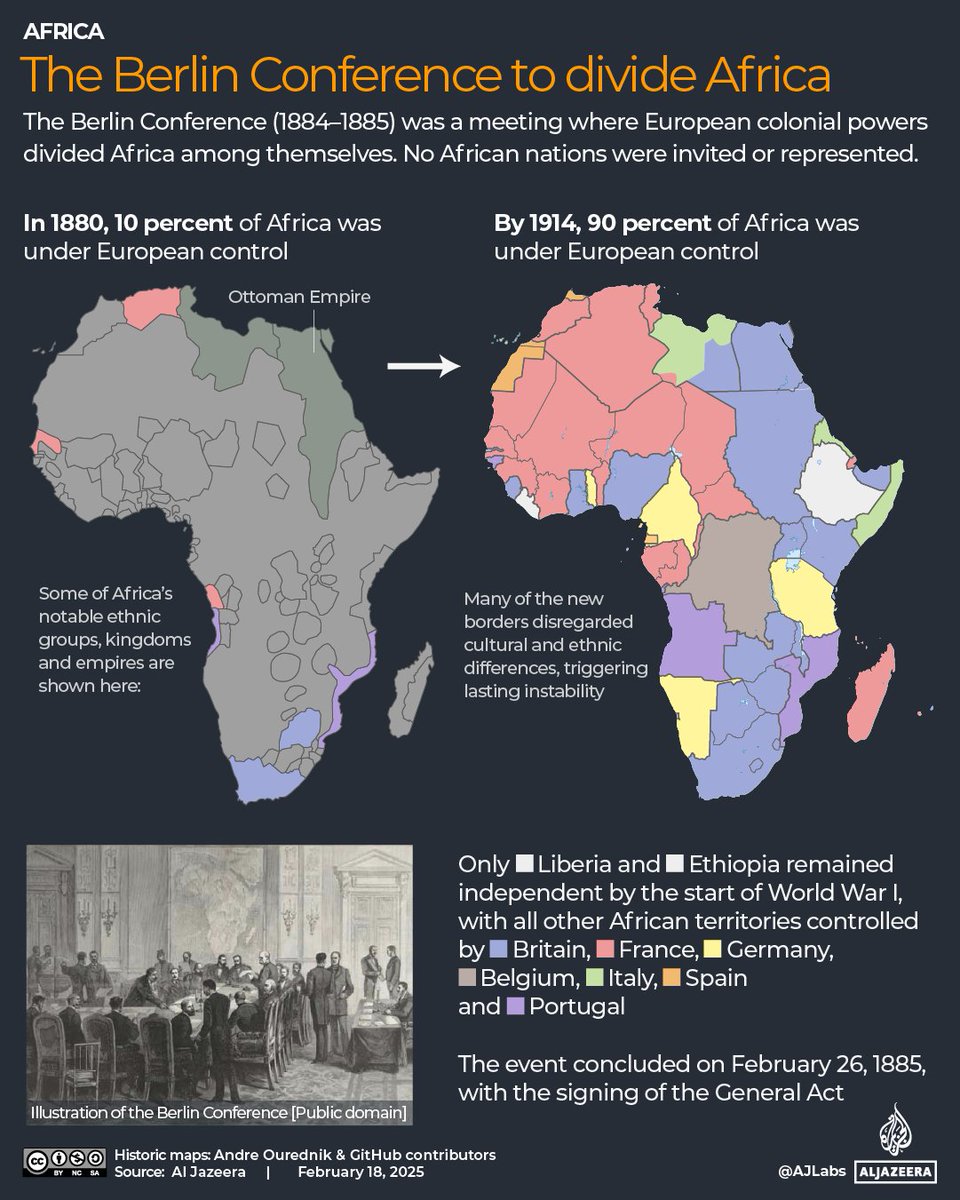
This month marks 140 years since Western powers sidelined Africans and carved up ‘ownership’ of the continent among themselves.
So what happened at the Berlin Conference of 1884-1885? https://t.co/tGwOrXx9Rj
Who needs oxygen? New hypoxaemia prevalence estimates in @LancetGH report that 25% of neonates, 12% of children, and 11% of adults admitted to hospital have severely low blood oxygen levels. 1/X
Pulse oximetry is critical to detect hypoxaemia and blood oxygen levels (SpO2) should be a routine vital sign for every acutely unwell patient presenting to a health facility.
@Stop_Pneumonia @MelbourneGlobal@CHAI_health
4/4
Making #oxygen safer for preterm neonates should be a global health priority - including better guidelines, innovative implementation strategies, and technology to make nursing sick neonates easier. @Stop_Pneumonia @NEST360org
Could automating oxygen delivery to neonates on CPAP improve safety? Fresh results from the Oxymate study published in @LancetGH - showing higher time in SpO2 target range (88% vs 30%) and excellent safety. https://t.co/wRED06BnqN 1/x
Excessive oxygen currently causes huge burden of blindness (retinopathy) in many countries. Shout out to people like Dr Iddi (ophthalmologist and ROP expert in Uganda) who are championing ROP prevention and treatment: https://t.co/56qicGOO1T https://t.co/nXjLO7vDCo