Monitoring online censorship in China 关注中国的网络审查! Some of our projects are on Twitter @FreeWeibo @FreeWeChat @FreeZhihu @AppleCensorship others via link below
Apple removed the Russian state messenger Max from its App Store due to sanctions compliance rules, the company told BBC. The next day it stopped sending push notifications on Apple devices. After the removal the number of posts in Max fell sharply to just over 290,000 on June 4, more than twice below the monthly average of 687,500, while the number of active channels also dropped, according to Maxstat data. Cloudflare had earlier labeled Max as spyware.
🚨داگ مادوری، تحلیلگر اینترنت در «کنتیک»، میگوید با ادامه بازگشت محدود #اینترنت در ایران، سطح ترافیک اکنون به حدود ۶۰٪ وضعیت پیش از ۸ ژانویه ۲۰۲۶ (دی ۱۴۰۴) رسیده است.
📊بر اساس دادههای تازه «کنتیک»، اتصال اینترنت در #ایران همچنان ناپایدار و همراه با اختلالهای متناوب است؛ وضعیتی که شباهت زیادی به دوره «بازگشت محدود» بین ۲۷ ژانویه تا ۲۸ فوریه ۲۰۲۶ دارد.
📉مادوری میگوید ایران ممکن است دوباره وارد مرحلهای شده باشد که در آن اینترنت بهصورت محدود و کنترلشده برقرار است؛ مرحلهای که با بیثباتی، انسدادهای مقطعی و محدودیت گسترده در دسترسی همراه بود.
🔍برخلاف برخی گزارشها و روایتهایی که از «بازگشت اینترنت» صحبت میکنند، آنچه در عمل دیده میشود بیشتر افزایش سطح اتصال شبکه است، نه بازگشت واقعی اینترنت قابلاستفاده برای عموم مردم.
🔴بخش بزرگی از کاربران همچنان برای دسترسی به سرویسهای عادی ناچار به استفاده از فیلترشکنهای خاص، قدرتمند و اغلب گرانقیمت هستند و حجم واقعی تبادل ترافیک همچنان پایین و محدود باقی مانده است. به همین دلیل، بسیاری از کاربران عملاً هنوز احساس «وصل بودن» به اینترنت جهانی را ندارند.
After 88 days offline, Iran's internet is flickering back — partial, filtered, and far from free.
For millions reconnecting today, a VPN is the difference between the regime's internet and the open one.
American and Taiwanese technology continues to flow into surveillance infrastructure targeting a Uyghur population subject to documented atrocity crimes.
https://t.co/sDxkbtPANO
سطح ترافیک اینترنت در ایران به حدود ۳۹ درصد از سطح پیش از ۸ ژانویه رسید؛ وضعیتی که شباهت زیادی به بازگشت محدود و مقطعی اینترنت بین ۲۷ ژانویه تا ۲۸ فوریه در اوایل امسال دارد.
#خاموشی_دیجیتال_ایران#DigitalBlackOutIran
🔴فیلترشکن GreatFireVPN حاصل سالها تجربه تیمی است که در حوزه عبور از #فیلترینگ با «دیوار آتش بزرگ چین» مقابله کرده است و حالا تجربه طولانیمدت و حرفهای خود را در قالب یک #ویپیان، بهطور ویژه برای عبور از محدودیتهای شدید در #ایران، روسیه، چین، میانمار و ترکمنستان استفاده کرده است.
🔴برخلاف خیلی از ویپیانهای معمولی که زود مسدود میشوند، این ابزار طوری ساخته شده که حتی زیر سختترین محدودیتها هم متصل بماند و قطع نشود. ترافیک اینترنت را نیز شبیه استفاده عادی از اینترنت نشان میدهد تا شناسایی و مسدود کردن آن سختتر باشد و ارتباط بیشتر پایدار و آنلاین بماند.
🔴بخش حریم خصوصی GreatFireVPN با رویکردی سختگیرانه و با تمرکز ویژه بر امنیت و صیانت از اطلاعات کاربران تدوین شده است. این سرویس در دوره آزمایشی نیازی به ثبتنام یا ارائه ایمیل ندارد و برای هر پروفایل، یک نام کاربری منحصربهفرد ایجاد میکند.بر اساس سند حریم خصوصی، این سرویس آدرس IP و درخواستهای DNS کاربران را ذخیره نمیکند و هیچگونه گزارشی از وبسایتها یا اپلیکیشنهای مورد استفاده نگه نمیدارد.
🔴یکی از نقاط قوت این پروژه، شناخت دقیق آنها از شرایط و نیازهای کاربران ایرانی است. بر اساس آخرین بهروزرسانیها و در پاسخ به درخواستهای مکرر کاربران ایرانی، دوره آزمایشی رایگان برای افرادی که در ژانویه و فوریه ۲۰۲۶ به این سرویس پیوستهاند، از ۳۰ روز به ۶۰ روز افزایش یافته است. همچنین کاربران میتوانند با دعوت از دوستان خود، به ازای هر دعوت یک ماه اشتراک رایگان دریافت کنند؛ این طرح بدون محدودیت در تعداد دعوتها ارائه شده است.
در پسکوچه بیشتر بخوانید⬇️
https://t.co/p5ll0Yf8tV
#فیلترشکن
Seeing the first signs of a possible internet restoration in Iran at 12:01 UTC today.
While a few networks spiked in traffic, most are still down.
#DigitalBlackOutIran
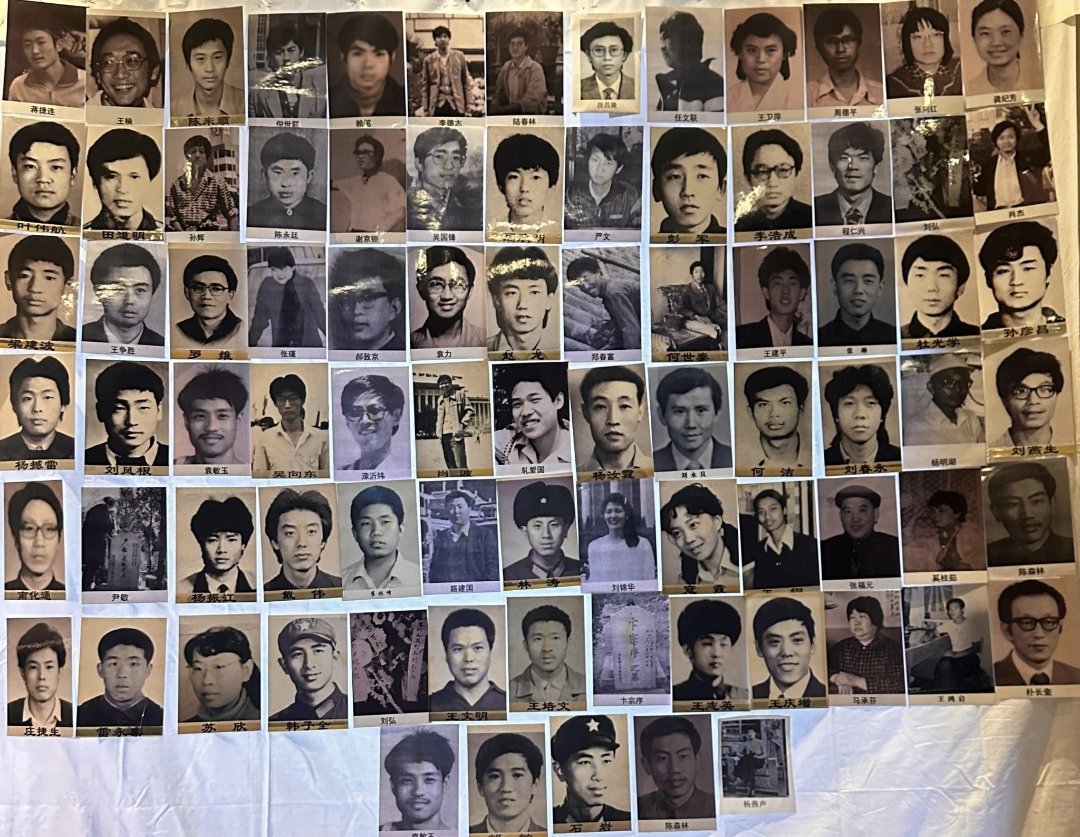
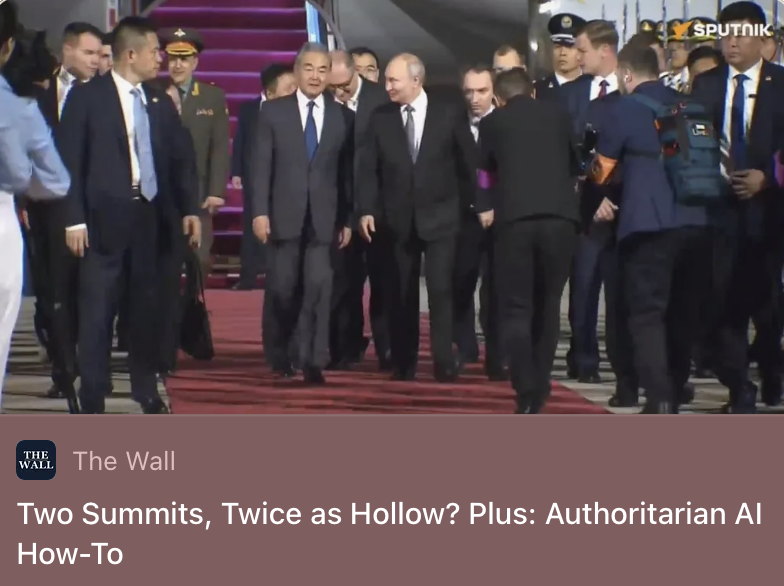
Putin in Beijing, and we are nearing June 4th the peak of Beijing's absurd censorship. In this new newsletter we talked about how Liu Guogeng 刘国庚, a PLA soldier who died during June 4th is now instead being martyred for a border war which he did not participate in. https://t.co/V5Hmw9Q5Wc
A film like this could never be made during authoritarian KMT era Taiwan. Now it’s streamed on Netflix and shared worldwide through subtitles.
Netflix is banned in China. Taiwan shows us that Mandarin language films can exist in the world outside of China’s censorship.
@Lingling_Wei State-media content turns out to be 41 times more abundant in the corpus than Chinese-language Wikipedia. “Censorship and propaganda have always shaped what people read,” says Molly Roberts, one of the researchers and co-director of @UCSD China Data Lab.
https://t.co/tgujMe0D41
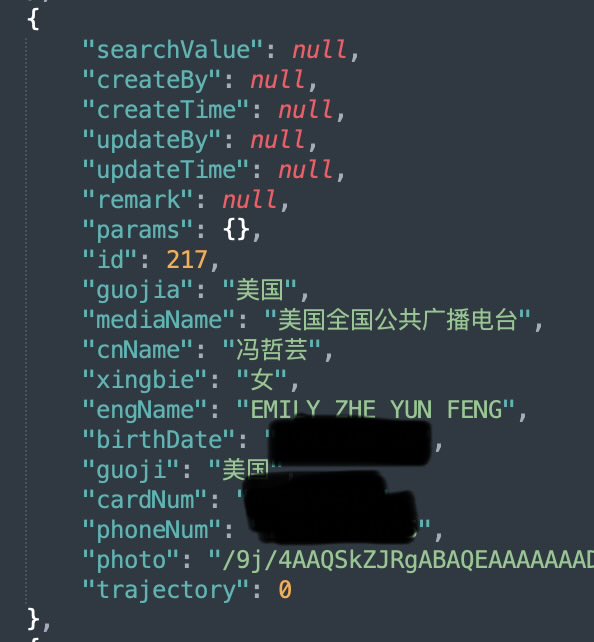
EXCLUSIVE: How the track foreigners in China - We got rare access to demo system developed by the Ministry of Public Security in China for the prefecture of Zhangjiakou, to track and surveil foreigners visiting or being residents ( actually it applies to most nationals as well, but in this case it seems to be aimed at foreigners ). It is officially known as "Dynamic control platform for overseas personnel". 1/12
Absolutely not surprising but a limited leak of a Chinese local surveillance platform drawing off an apparently large national one has a special drop down for tracking for tracking foreign journalists in China… including me. @NetAskari found the data https://t.co/z6v9TrFiPe
"Political censorship also seems to be visibly ramping up again, with the sheer scale of perceived “red lines” snowballing to levels unprecedented since the early 1990s."
Having spent the past few weeks in Beijing giving talks and attending meetings, here are some quick observations as I wait for my flight to NYC to board:
1. The talk of the town has, of course, been the Xi-Trump meeting, but no one (not even usually well informed elite circle insiders) seems to know what it actually accomplished, other than a continuation of the detente that’s been in place for the past several months. That’s about as good an outcome as one could realistically expect, I suppose, but clearly a real “grand bargain” is not in the cards anytime soon.
2. The Chinese economy seems to be in a steady state, neither improving much nor visibly deteriorating like it was in 24-25. In that sense the government’s stimulus policies have had a positive effect, but the vast majority of industry people I talked to remain very pessimistic about domestic profits and consumption. The dominant sentiment is that the only way for major firms to generate profit growth is through direct overseas expansion.
3. That said, technological advancement is of course very real and quite impressive (although it’s not quite as visible in Beijing as it is in, say, Shenzhen). One interesting and very pleasant side effect of the EV revolution (paired with infrastructure investment) has been that Beijing is now a bike-able city again, given the sharp reduction in exhaust fumes on city streets and the expansion of bike lanes. Armed with a new bike, I could almost explore the city like I used to back in 2000. Hugely nostalgic feeling.
4. Academia is, in general, in a pretty dour mood. STEM subjects and the social sciences/humanities alike have seen very significant funding reductions over the past 2 years, but the latter have of course gotten the worst end of the deal. Political censorship also seems to be visibly ramping up again, with the sheer scale of perceived “red lines” snowballing to levels unprecedented since the early 1990s. As the recent Yang Nianqun incident suggests, administrative regulation of faculty members’ personal affairs has also expanded (i.e., consensual extramarital relationships between adults who were not in a direct teacher-student relationship would almost certainly have gone unpunished as recently as 5 years ago).
5. In general, it’s hard not to notice the steady increase in government presence in everyday life—in both positive and negative ways. The city feels safer and cleaner than it ever has been, and yet the layers of administrative review needed for just about any kind of professional activity have clearly proliferated on a vast scale (made less painful by the digitization of most government services and more uniform law abidance, but still more onerous than it used to be despite all that).
6. The most alarming thing, I suppose, is that general optimism (personal or socioeconomic) seems to be in particularly short supply among the younger generations. This is obvious even among the most intellectually gifted kids at Tsinghua and PKU, where the level of career anxiety seems to be at a level that I have never encountered before. Unsurprisingly, willingness to form families or plan ahead in general at the personal level is very low.
All in all, it was, as always, a very informative couple of weeks. The stay was also made much more pleasant by the fact that I managed to do it before Beijing becomes brutally hot. I look forward to being back more often in the near future.