➡️ Account not active - follow @TheNRAO
Radio astronomy research facility & Science Center in West Virginia. Major facility of the National Science Foundation.
Green Bank Observatory is saying goodbye to our X account, but don't worry - you can still find us on other social channels!
GBO news will be posted on @TheNRAO here on X, as well as on Bluesky.
You can also stay connected with NRAO + GBO on Facebook, Instagram, and Youtube! ⤵️
Green Bank Observatory is saying goodbye to our X account, but don't worry - you can still find us on other social channels!
GBO news will be posted on @TheNRAO here on X, as well as on Bluesky.
You can also stay connected with NRAO + GBO on Facebook, Instagram, and Youtube! ⤵️
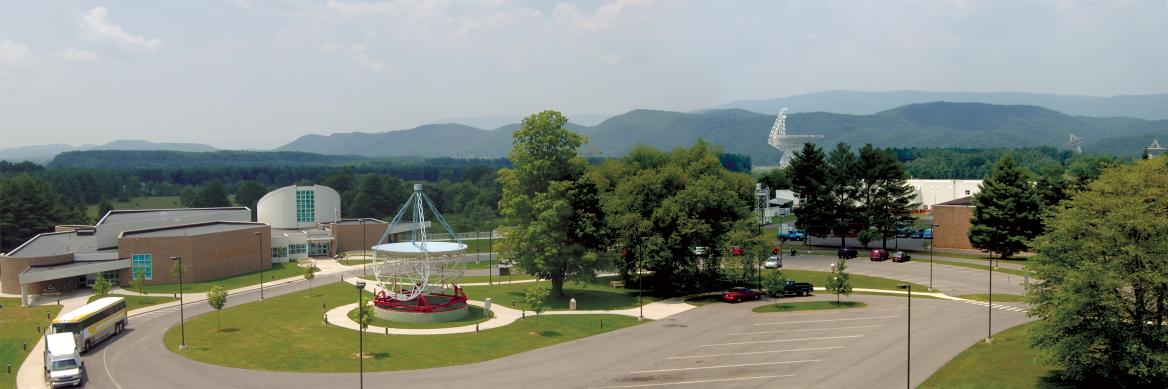
Looking for something fun to do this weekend? Visit the Green Bank Observatory Science Center!
Guided bus tours ($10) at 10 AM, 12 PM, 2 PM, and 4 PM.
Drop in to get your tickets, or reserve them in advance: https://t.co/NznC78F6nD
📸 Credit: Jay Young
April - June High Tech Tours already sold out! Get your summer/fall tickets before it's too late:
🗓️ Thursday, July 9
🗓️ Thursday, August 13
🗓️ Thursday, September 10
+ more
⏰ 3:30 - 5:00 PM
🎟️ Advance tickets required: https://t.co/7z63sZ4zLc
The NSF Green Bank Observatory (NSF GBO) Science Center welcomes a new head of education, Drew Maerz. Maerz comes to the Observatory with 30+ years of experience in education, most recently serving as superintendent of schools in Monterey, Virginia.
https://t.co/uwBeOJBit5
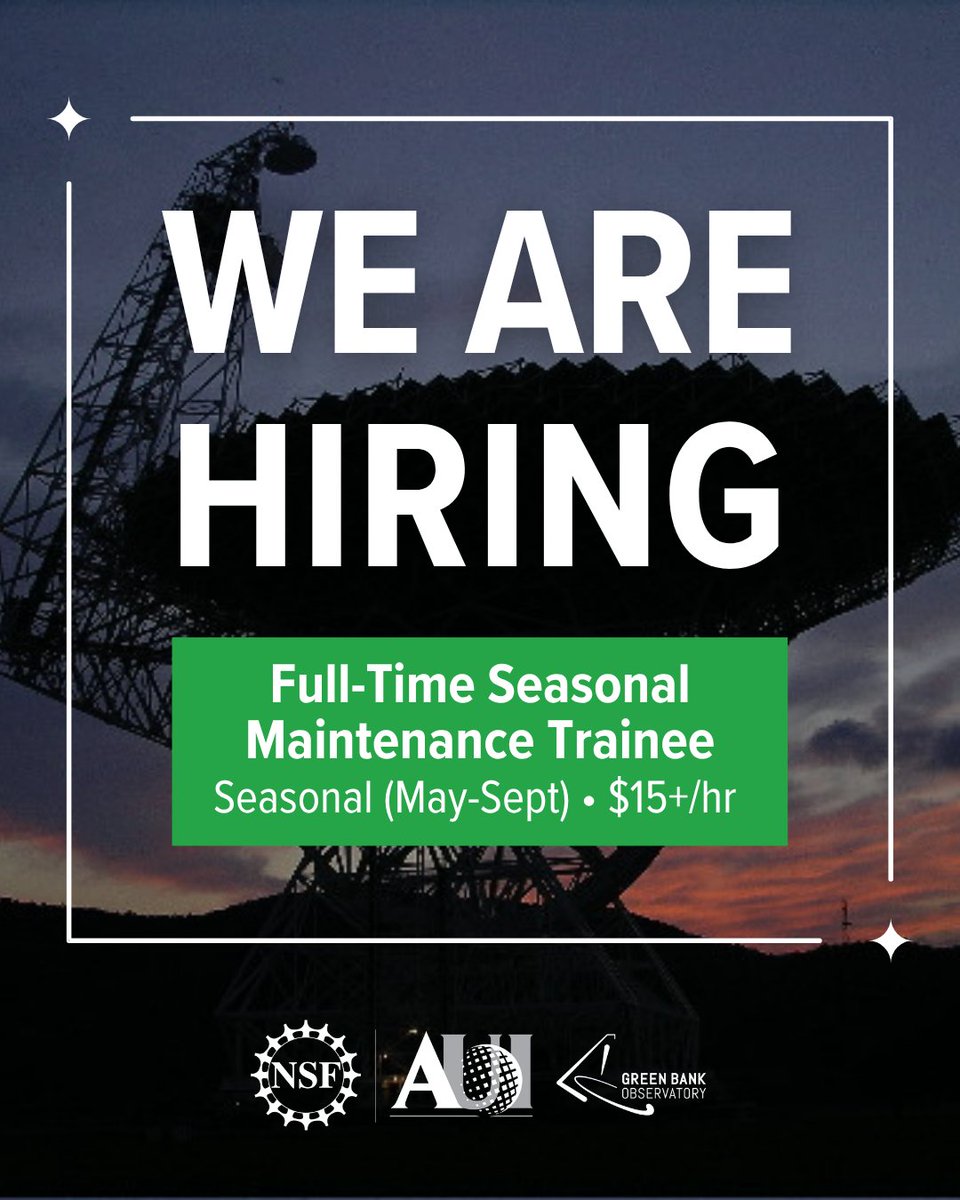
We're #hiring!
The NSF Green Bank Observatory is seeking a full-time Seasonal Maintenance Trainee to join our maintenance staff.
Full Time, Seasonal (May - Sept)
Starting rate of $15/hr + great benefits
📍 Green Bank, WV
Apply now: https://t.co/JtxNOmKkSM
🎬 Join us for a free virtual screening of Small Town Universe, a documentary set in Green Bank, West Virginia, where the world's most sensitive radio telescope listens for signs of life beyond Earth.
After the film, stick around for a Q&A with Ellie White, featured in the documentary, and Dr. Jill Tarter, co-founder of the SETI Institute.
📆 Tuesday, April 21
⏰ 6:30 PM PT
💻 Streaming via Zoom
This event is free and open to all!
Register here: https://t.co/6XHQ6e4kv4
The triangular-shaped trusswork towering above the Green Bank Telescope (GBT) is known as the feed arm, and it supports the subreflector and receiver room. Unlike traditional telescopes, the GBT's 200-foot feed arm is positioned off-axis to prevent blocking incoming radio waves.
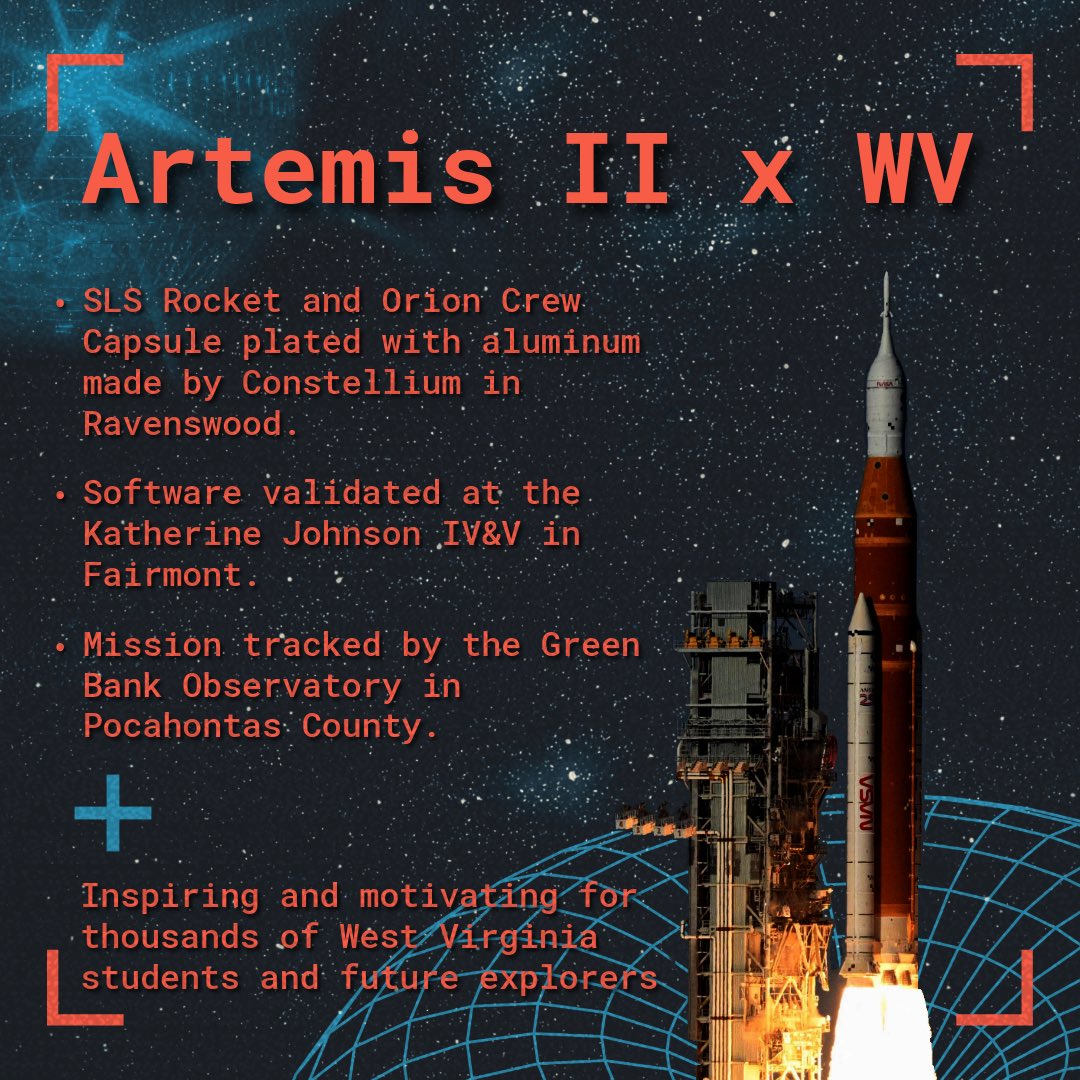
The Green Bank Telescope is heading to the Moon! 🌕 West Virginia’s 100-meter telescope is providing critical tracking for NASA’s Artemis II, monitoring the Orion spacecraft. 🚀
#wvnews#NASA#ArtemisII#GreenBank#Space#WestVirginia#Orion https://t.co/F65lV1ktSW
The triangular-shaped trusswork towering above the Green Bank Telescope (GBT) is known as the feed arm, and it supports the subreflector and receiver room. Unlike traditional telescopes, the GBT's 200-foot feed arm is positioned off-axis to prevent blocking incoming radio waves.
Using the 85 Foot Tatel Telescope, Drake observed nearby stars Tau Ceti and Epsilon Eridani for a few months. Despite brief excitement over what later turned out to be an airplane, the project did not pick up any signs of intelligent life around those stars.
2/2
#OnThisDay In April 1960, radio astronomer Frank Drake launched Project Ozma, the first scientific search for extra-terrestrial radio signals, right here in Green Bank, West Virginia. @SETIInstitute#ProjectOzma
1/2
📸 Credit: NSF/AUI/NSF NRAO
SETI Tours are back for 2026! Learn more about Green Bank’s historic role in the Search for Extraterrestrial Intelligence - and see INSIDE a telescope! 📡
🗓️ April 10
🗓️ April 24
🗓️ May 15
🗓️ June 5
+ more dates
Grab your tickets before they sell out: https://t.co/qZpmH7FbtK
So excited to see our state playing such an important role in Artemis II’s journey around the moon.
Many thanks to @Constellium, @NASAIVV_ERC, and @GreenBankObserv for all of their hard work.
ICYMI: The NSF Green Bank Telescope is supporting NASA's Artemis II mission by helping to track the Orion spacecraft with radar. 🚀📡 @GreenBankObserv
https://t.co/92xUhEboIV
#ArtemisII#Artemis2#NasaArtemis
Composite image of starburst galaxy M82, located 12 million light-years from Earth.
🟡🔴 In yellow + red - distribution of dense molecular gas, as seen by the GBT.
🔵 In blue - background stars and dust, as seen by Hubble.
📸 Credit: NSF/AUI/NSF NRAP/B.Saxton; HST (NASA/ESA)
We're #hiring!
The NSF Green Bank Observatory is seeking a Housekeeper/Foodhandler to join our hospitality staff.
Full Time, Seasonal (May - Aug)
Starting rate of $15/hr + great benefits
📍 Green Bank, WV
Apply now: https://t.co/IvGaM3Sz1P
@Carharoth Thanks to the GBT's unique off-axis shape, side lobes are greatly reduced (factor of >10) compared to traditional single-dish telescopes. Yes, we do use tapered and corrugated/choke ring feed horn designs as well.
At one of the highest points on the Green Bank Telescope, above the main dish, sit feed horns atop a rotating turret containing the receivers.
📸 Credit: NSF/AUI/NSF GBO
The turret can house up to 8 receivers at once. The feed horns vary in size based on what frequencies that astronomers are studying: low frequency = big feed horn, high frequency = small feed horn.
After radio waves reflect off the main dish, they bounce up toward the subreflector (smaller dish on top), then back down to the feed horns which focus the signals into the receivers below. Inside the receiver room hang the receivers and cables that carry data to the computers.