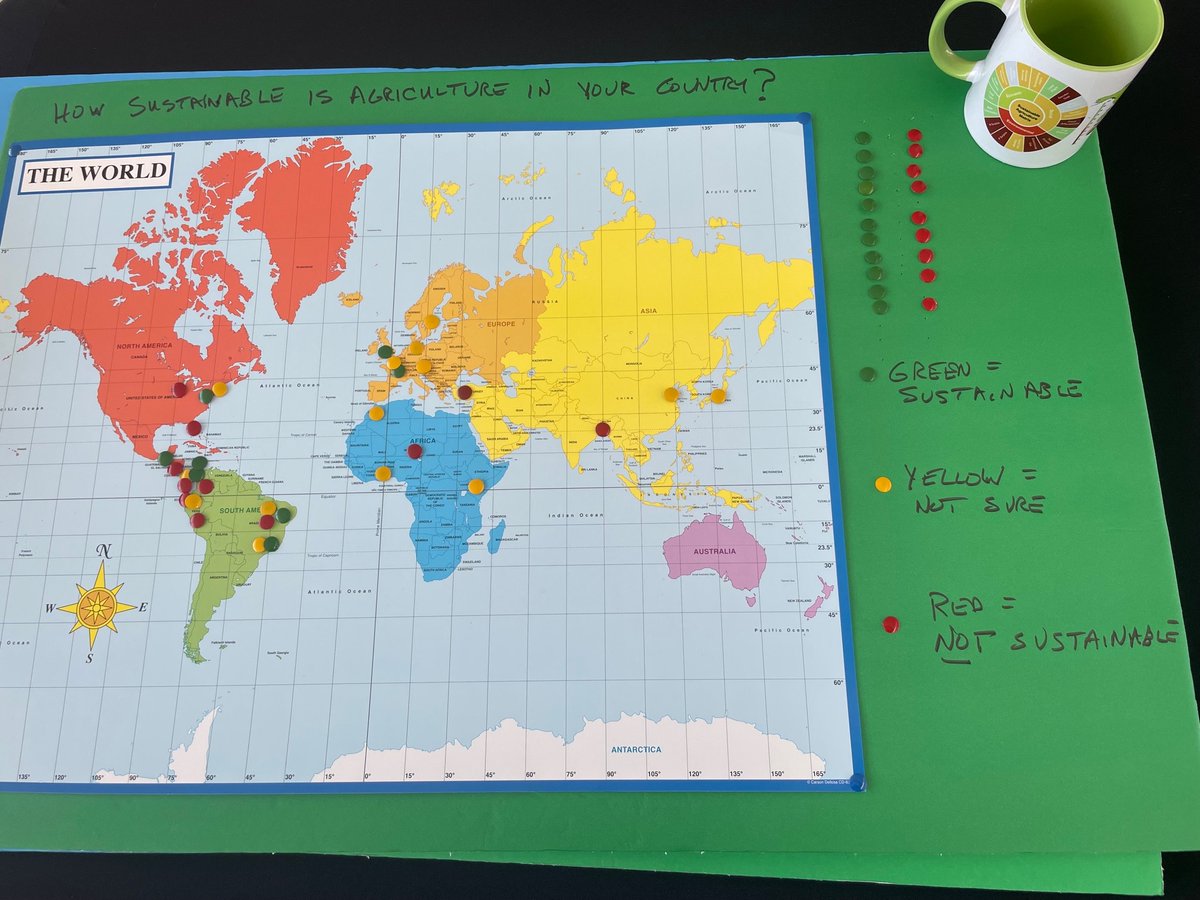
@SRICongress 2023, we ask our session participants: how sustainable is agriculture in your country? And here is what we have got so far.
Check out the #SAMConsortium website for the report card of your country! https://t.co/CxKvEGVTOs
@Belmont_Forum
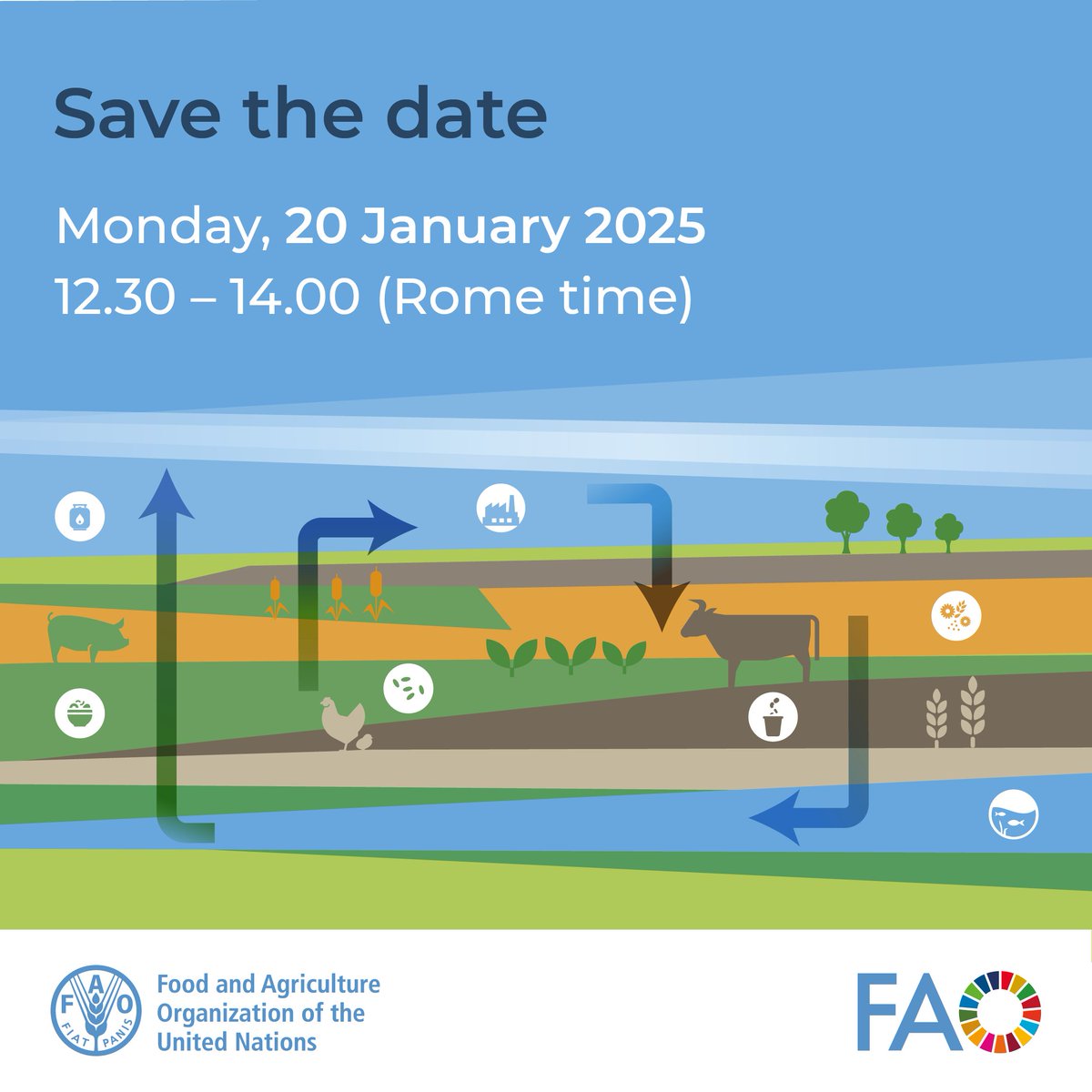
🚀 Join us for the launch of the @FAO report on “Sustainable nitrogen management in agrifood systems”❗️
📅 20 January, 12:30 PM (CET)
📍 FAO HQ and online
👉 https://t.co/hLtkAEUhXX
New NICCEE Comment published today in @natrevcleantech!🌱
Check out "Emerging Opportunities and Research Questions for Green Ammonia Adoption in Agriculture and Other Sectors”: https://t.co/R6wD3WxT6D
🚀 Exciting news! NICCEE is now on X, LinkedIn, and Instagram! 🌿 Follow us for updates, breakthroughs, and exciting activities as we advance sustainable nitrogen innovation. #NICCEE#Innovation#Sustainability
NICCEE is a transdisciplinary and transnational network to support sustainable nitrogen management across the globe.
We’re thrilled to officially launch NICCEE on social media! Follow us to stay updated on what NICCEE has been working on.
The U.S. and China account for 40% of global nitrogen fertilizer use & 45% of agricultural N₂O emissions. Today, we release the Hangzhou Joint Statement, calling for stronger collaboration to curb N₂O emissions and address nitrogen management challenges. https://t.co/BJviy00s5s
🔄 Our systematic approach uncovers critical trade-offs and synergies, pointing to new opportunities for holistic nutrient management within and beyond the agricultural sector.
Very proud to share this great work led by Dr. Tan Zou.
In this study, we explore the challenges of nitrogen (N) and phosphorus (P) management in the Chesapeake Bay watershed using the novel CAFE framework (Cropping system, Animal-crop system, Food system, and Ecosystem).
📢 Just published! @IOPenvironment 🌍Our latest #research explores Nitrogen & Phosphorus management performance, challenges, and opportunities in the Chesapeake Bay watershed using the CAFE framework. https://t.co/MyrLSlHowK
♻️Recovering and recycling nutrients from waste streams could offset mineral fertilizer inputs in over 60% of counties. ⚠️ Disparities in N and P management increase N:P ratios in potential losses, posing new risks to aquatic ecosystems.
Great to have the opportunity to contribute to this important work!
Look forward to more discussions and debates on these boundaries and how they can help to guide actions towards a safe and just planet.
Our new Earth Commission @SafeJustPlanet science in @TheLancet quantifies human corridor on Earth for safety and justice. Take home? Planetary Safety necessary for Justice. And Justice a prerequisite for Planetary Safety https://t.co/TenB63oeu5
Excited to share our latest #research on "Nitrogen Management during Decarbonization," published with @SpringerNature in @NatRevEarthEnv We explored 5 major decarbonization strategies and their impacts on nitrogen use in agri-food-energy systems. @UMCES
https://t.co/QshufICU54
Our findings reveal that while these strategies hold promise for reducing carbon emissions, some may lead to an increase in nitrogen use—potentially exacerbating nutrient pollution and eutrophication in aquatic ecosystems.
Review paper out today in @ScienceMagazine: a big group of us explain how climate change aggravates agriculture’s environmental impacts and what researchers and public/private leaders can/must do in response. https://t.co/qJNH63vXCh