My paper is out!! 🎉
"Opponent control of reinforcement by striatal dopamine and serotonin", @Nature
Here, we show that dopamine and serotonin signals form a gas-brake system for reward in the mammalian brain 🧠
THREAD ⬇️
1/n
🚨Very excited to share our new preprint "Abstract rule generalization for composing novel meaning recruits the frontoparietal control network". Team work with @mona_garvert@HannekedenOuden Lisa Horstman, David Richter @CoolsControl.
https://t.co/sFzcH1LOcQ
🧵👇
Prof. Lars Nyberg is honored as a ScholarGPS Highly Ranked Scholar, #3 within Episodic Memory.
"... and the outstanding quality of your scholarly contributions have placed you in the top 0.05% of all scholars worldwide."
https://t.co/WKfQ5sH2Mw
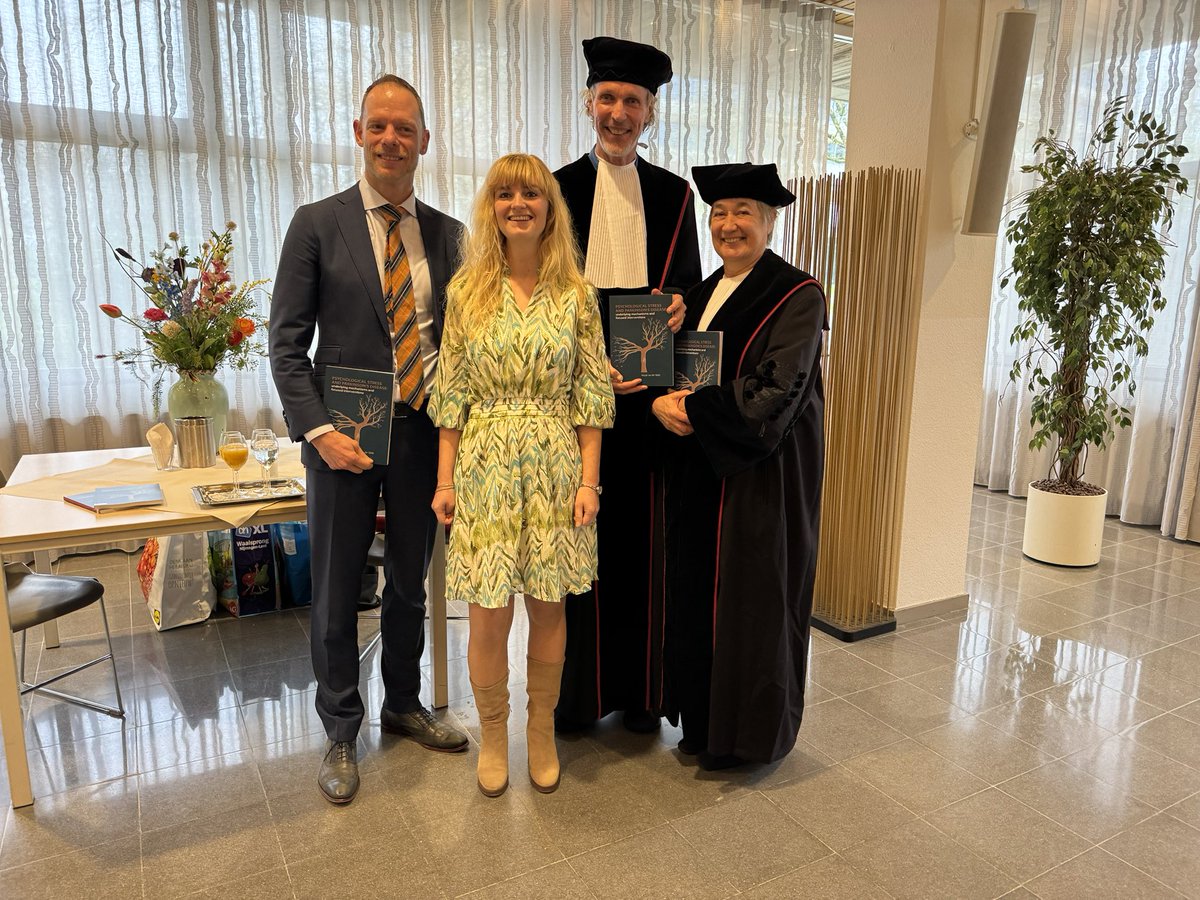
Proud as can be, of our #PhD student Anouk van der Heide who successfully defended her #thesis - interesting and highly relevant work on the influence of #stress on #Parkinson symptoms & disease progression, and on treatments to alleviate stress (#mindfulness, #propranolol).
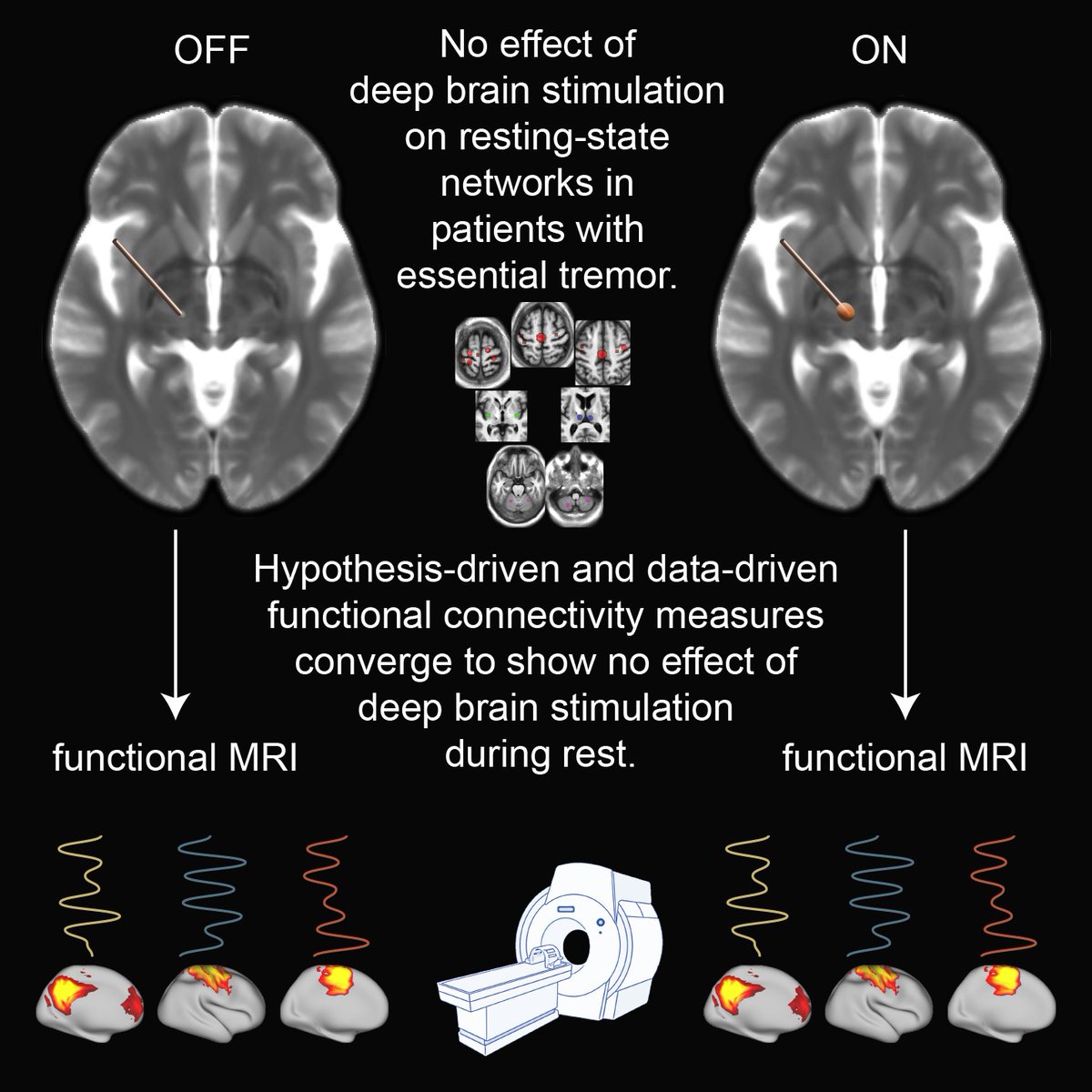
Awad et al. report, using resting-state fMRI, that #deepbrainstimulation does not modulate resting-state functional connectivity in #essentialtremor. https://t.co/6TWKrQfrso
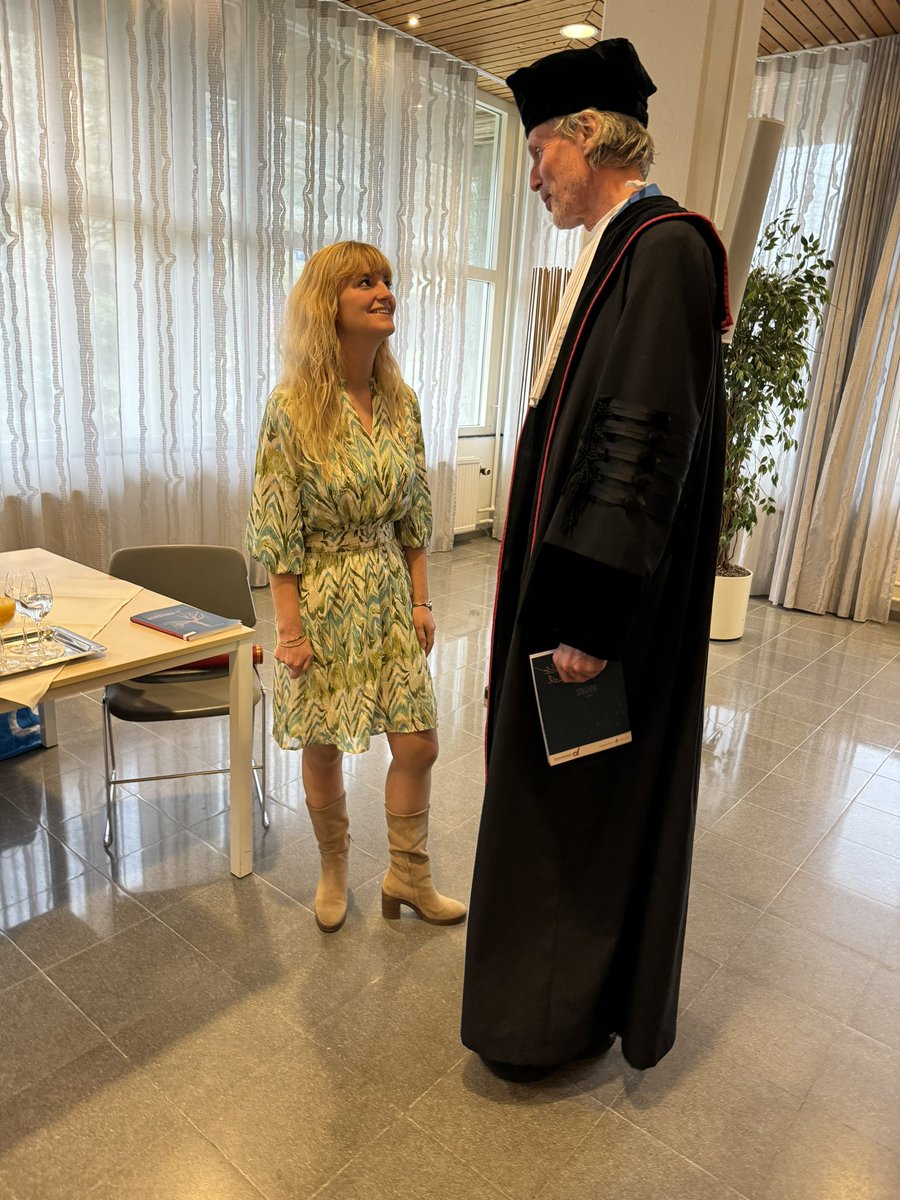
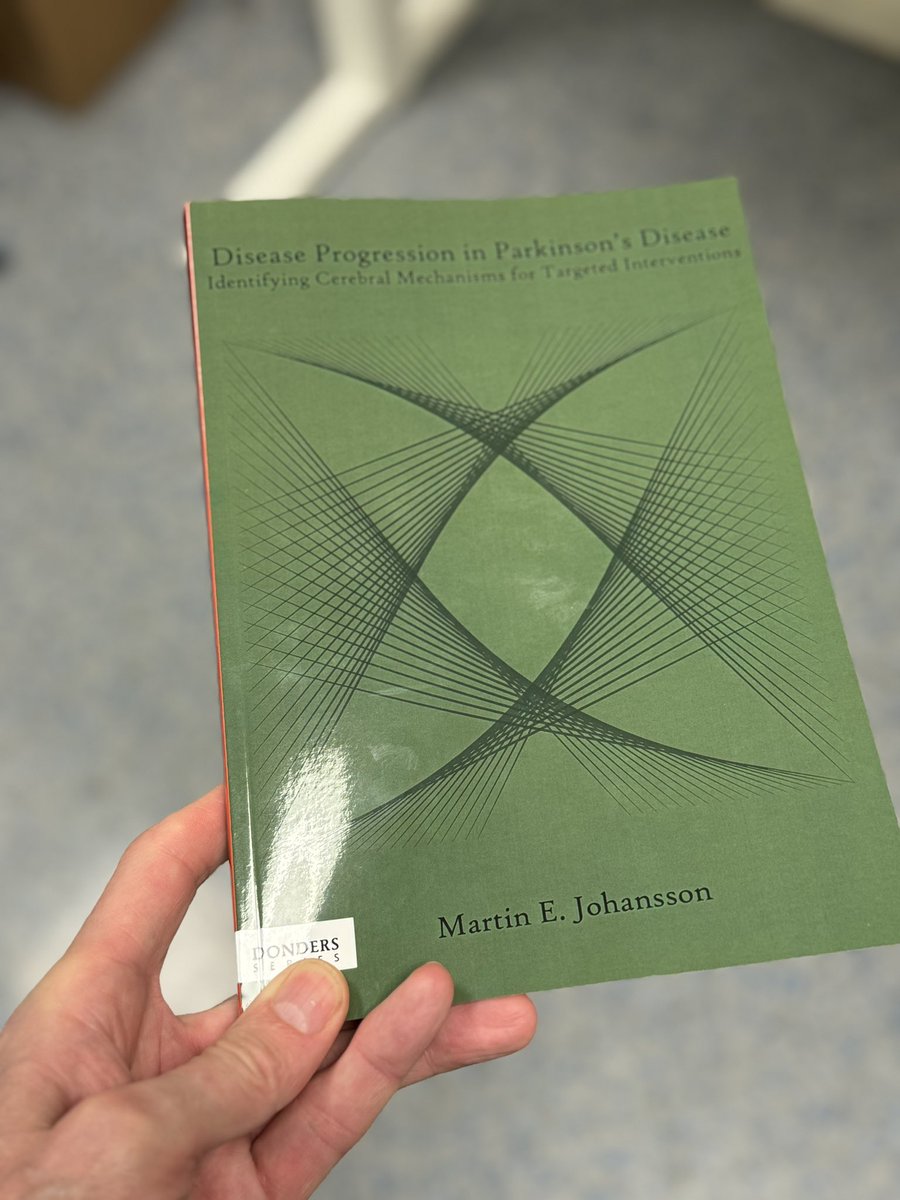
Fabulous achievement by our #PhD student Martin Johansson who successfully defended his dissertation, and rightly received the exceptional with honours (cum laude) distinction for his work on cortical compensation for basal ganglia dysfunction in #Parkinson disease.
Check our our new preprint on how striatal dopamine signaling modulates working memory and reinforcement learning - and how much people rely on either when learning new things.
https://t.co/bMnDyNAKBZ
Do you remember the case of the 'frozen addict' from recreational drug use (MPTP). Is there a 'new frozen addict syndrome' caused by methcathione (ephedrone). YES. This psychostimulant leads to release of brain catecholamines. Check out this case and video by Thayler and Gurevitch which responded to amantadine and check out the link to manganese.
Key points:
- Methcathione (ephedrone) can be used as a recreational drug and use has been documented in Eastern Europe and other world locations.
- This chemical is synthesized by oxidation of ephedrine or pseudoephedrine w/potassium permanganate.
- It is usually given IV and the 'parkinsonism' is thought to be caused by manganese.
- It is unlike the MPTP frozen addict as in this case levodopa does not work to treat.
- The authors point out that the syndrome tends to be more symmetrical than in idiopathic PD; the clinician should look for bradykinesia, dystonia, and gait impairment.
- Check out this 41 year old case w/ a normal flurodopa PET and an abnormal MRI.
- He was treated with a 5-day course of IV amantadine followed by oral amantadine.
My take: It is humbling to think about the history of a recreational drug which provided one of our best overall animal models of PD (the MPTP model). Now we are observing another form of recreational drug induced parkinsonism, and this one seems to be related to manganese. It is interesting in this case to observe the response to IV and oral amantadine; which as a therapy has multiple mechanisms of action including on dopamine, acetlycholine and glutamate pathways. In the USA, we have not used IV amantadine so this will be a new trick for us. One important aspect of this case was that the clinicians resisted the urge to 'dismiss the person' as an addict or as functional case. Similar to Bill Langston's experience with the MPTP frozen addict, these authors persisted, made the diagnosis and designed and implemented a treatment. BRAVO. Remember, we will all (one day) come down with a disease or diseases and Fortuna est caeca; Fortune is blind.
https://t.co/b3qMGB2T1U
https://t.co/pBBGcet5rS #Parkinsons #manganese #methcathione #ephedrone
🚨Very happy to share our new paper “Parallel cognitive maps for multiple knowledge structures in the hippocampal formation” (finally!) on Cerebral Cortex. Team work with @mona_garvert@martin_hebart@GrillFilip@doellerlab Ray Dolan @CoolsControl
https://t.co/uXF6RHVorD
🧵👇
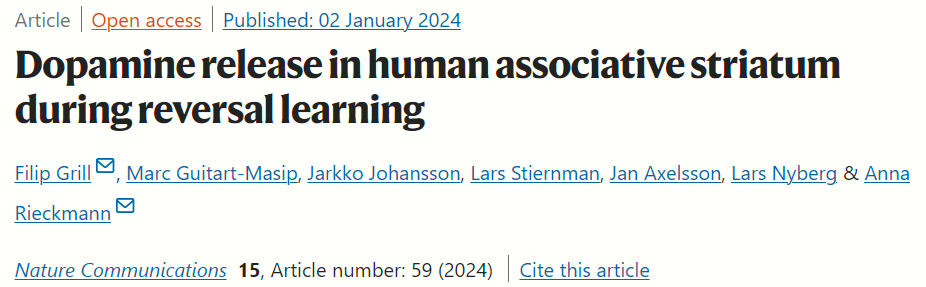
Happy the 2nd empirical chapter has (finally!) been published in Nature Communications:
https://t.co/9wDwR2Tp7J
In this work, we used simultaneous EEG-fMRI recordings to investigate the temporal cascade of biased learning from rewards and punishments across cortex and subcortex.
Together, the results implicate dopamine release in the associative striatum as a central component of reversal learning, potentially signifying the need for increased cognitive control when new stimuli-responses should be learned.