The government says the draft Conversion Practices Bill will stop horrific abuses. But existing law already does that: what the new law would do is criminalise conversations. Ordinary, loving parents trying to protect their children are at risk.
Watch a panel discussion including @HJoyceGender at Battle of Ideas 👇
https://t.co/py8wTnpRu4
#BattleFest #BintheBill
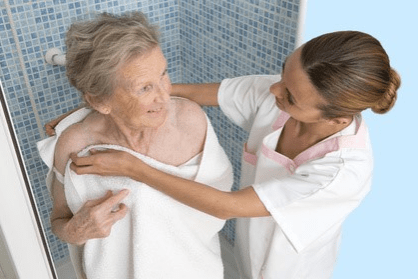
The BMA should stop using ideological and confusing language like “gender history”. A doctor or nurse providing intimate care always knows a patient’s sex.
“Comparing clear NHS guidance with ‘transphobia’ is a sign of how far activists at the BMA have gone from their pledge to do no harm.” @MForstater in @DailyMail
https://t.co/MBz98d7D3K
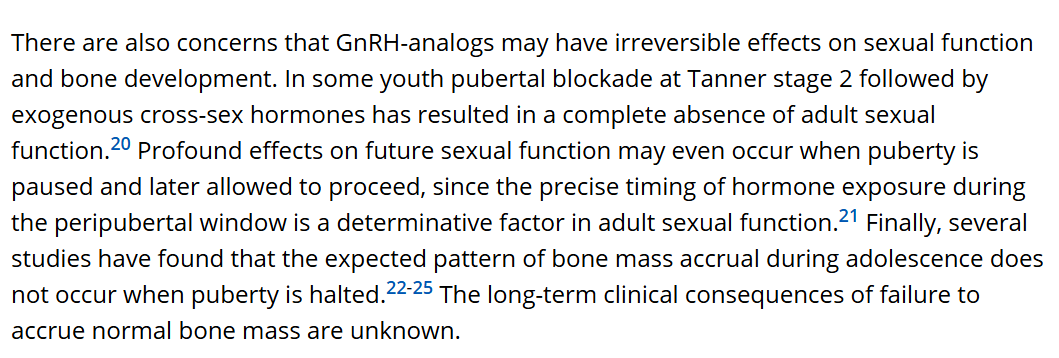
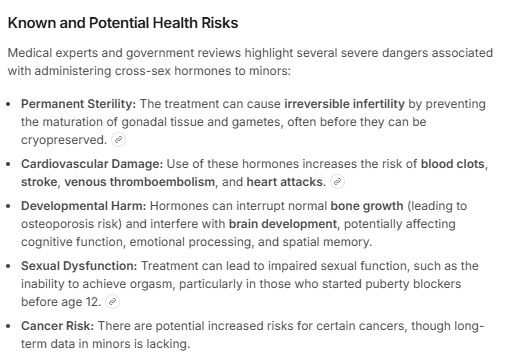
@alrGerg1jp@MartinEgg3@jacktheknave69@burnthelilacs How can you be so ignorant? Why do you think the doctor at WellBN has been suspended and these kind of drugs cannot be legally prescribed to young teenagers in the UK?
https://t.co/IKQHVf5dwS
There are a lot of questions here and things about the story I would question. But it's not true to say the campaign only launched this week. It was captured by Wayback Machine on May 21 (so was probably online before then).
It's obviously being heavily promoted now by TRAs as a result of the new guidance being published.
This was a really good, wide-ranging conversation with the wonderful @MrMennoTweets. In this part we discuss the iniquitous draft Conversion Practices Bill. If you're not up to speed on it please watch, and follow the links for further reading
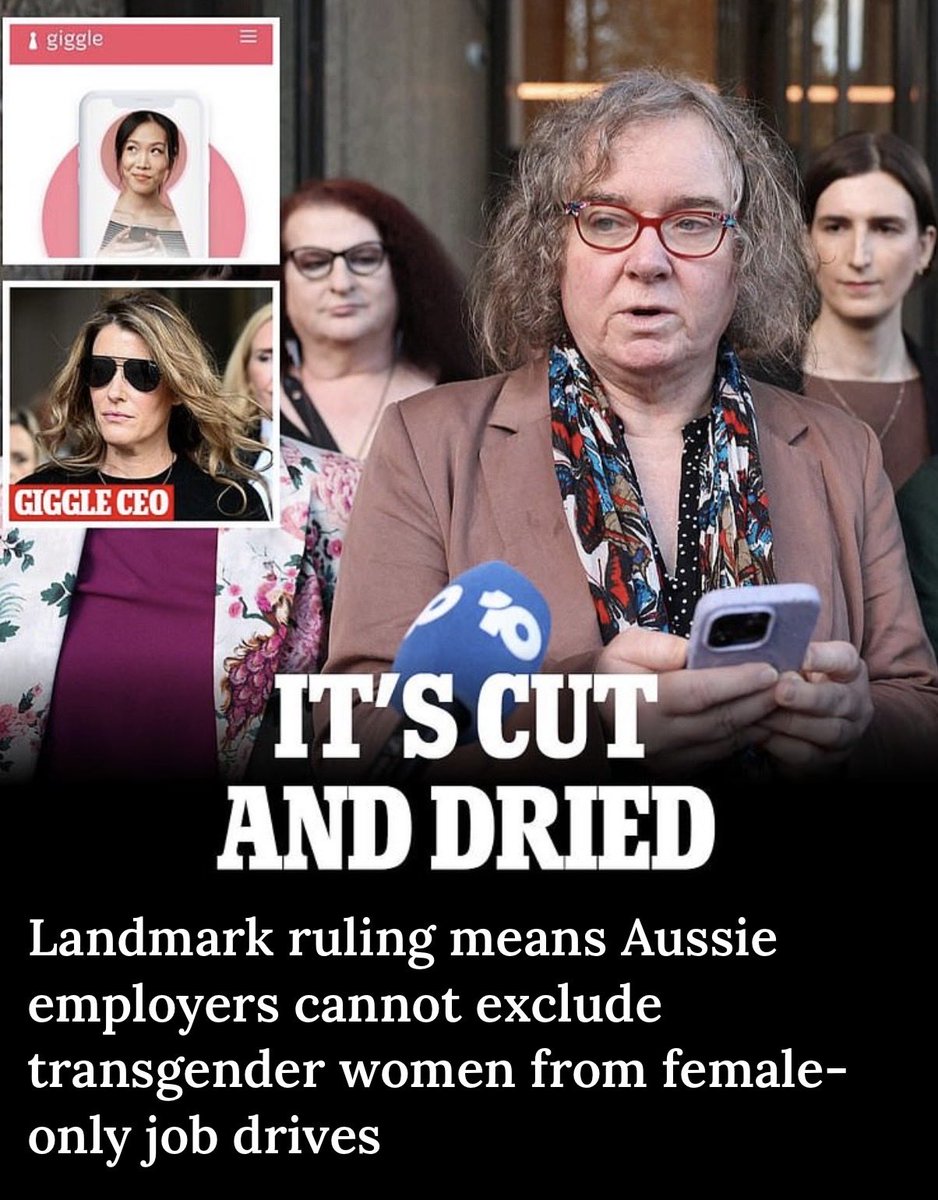
Sall Grover: The Sex Discrimination Act included specific provisions to protect women-only spaces. Now, the AHRC and Australian courts are arguing that the definition of a woman must include men who identify as such, undermining the law's original intent. @salltweets
@supertolerant@AlisonHoltBBC We need so much more good journalism like this from the BBC. I really hope Alison reports on the concerns about the Conversion Practices Bill as highlighted by Sex Matters, LGB Alliance, Gay Men's Network and others🫰
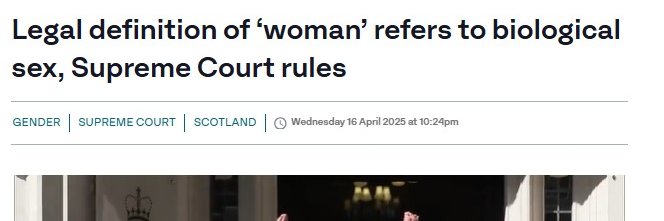
We have been warning this is what would happen. We said it clearly: women’s rights are under attack, if you don’t accurately define a woman you cannot protect any rights specific to women. We were called bigots. Received countless death threats from trans activists. The prime minister dismissed it as a “culture war”. But we were right.