So, speaking of rails. Blockchain brings those three things together unusually well: machine-speed settlement, tiny increments, and money that can carry instructions. That is the part legacy rails cannot do, and it is exactly what an agent needs. So instead of the consumer feeling the switch the way they felt mobile deposit, maybe this time the consumer never feels it at all. Their agent does.
This is the 2003 moment, not the 2015 one. The plumbing is being laid, and some of it already carries real money. JPMorgan and Citi are each moving billions a day over their own blockchain rails right now. What has not happened yet is the mobile deposit moment, the single feature that drags the new rail out of the back office and into everyday life without anyone thinking about it. The rail is further along than the public knows, while the aha moment is still in the air.
In a world moving at the speed of AI, money arriving a day faster sounds almost beside the point. At the 1871 event, in the "Real Speed Limit of AI" panel, one point stuck: the US is now spending more of its GDP on AI infrastructure than it ever spent on railroads. That is the tell for how fast agentic commerce is coming. Once AI agents are transacting on our behalf, they will settle constantly, around the clock, in amounts too small and too frequent for rails built for human-sized payments.
Fast forward to now. More banks are moving money over blockchain rails behind the scenes, and the average consumer has no idea. This summer, some of the largest banks in the country announced they are working with The Clearing House to let tokenized deposits move between banks by 2027, instead of being stuck inside the bank that issued them. Banks keep deposits on their balance sheets and preserve the economics of commercial-bank money rather than ceding it to stablecoins, while consumers get instant, around-the-clock money movement backed by a regulated bank they already trust.
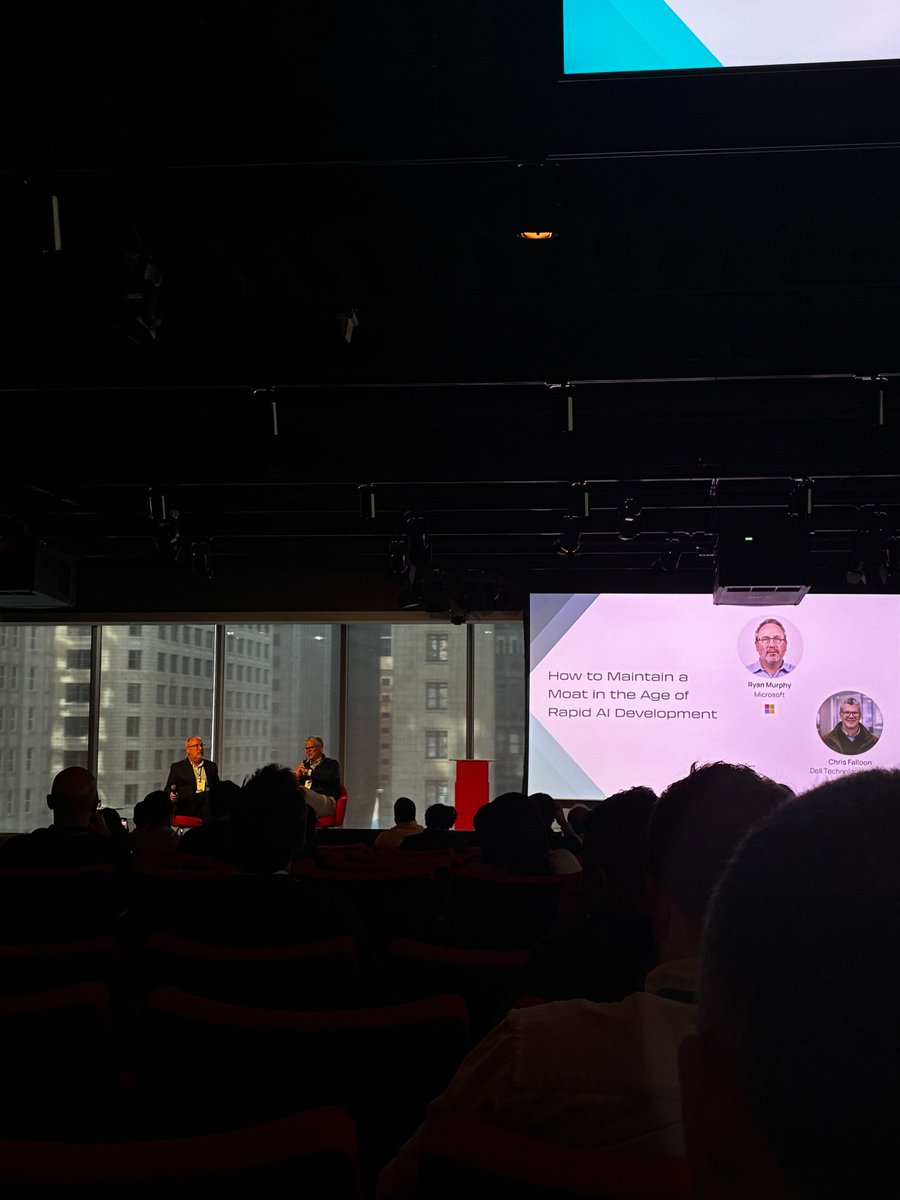
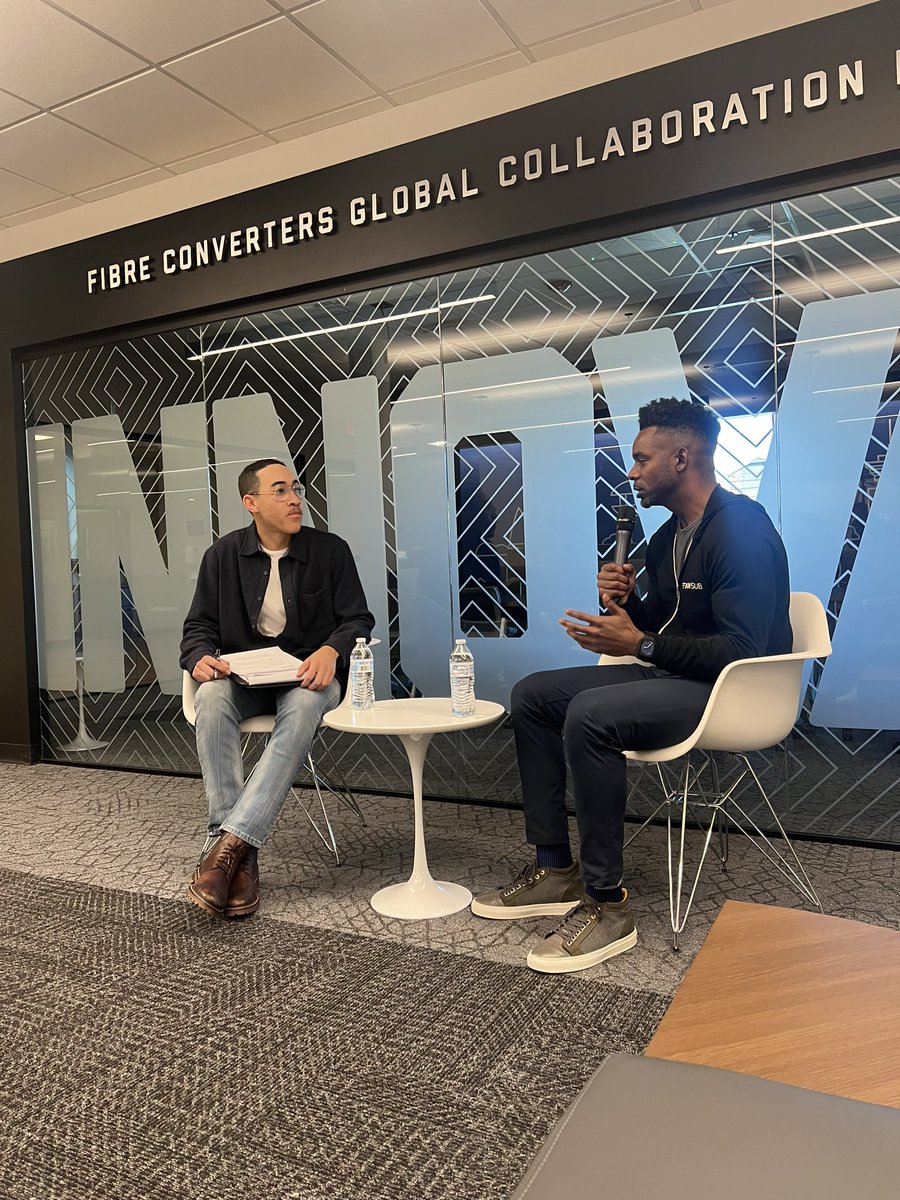
I spent last week at 1871's Tech Frontier event in Chicago, and my favorite takeaway came from a coffee break.
We got to talking about Check 21, a 2003 law that made a digital image of a check legally equal to the paper original. After 9/11 grounded the planes that physically carried checks between banks, moving images instead of paper became the fix. Most people never noticed, until the mid-2010s, when mobile deposit let them skip the trip to the branch. The rail changed quietly in 2003 while the feature that surfaced it showed up a decade later.
🚨🚨CALLING ALL TULSA FOUNDERS
Sky Ventures x Brex are hosting a Founder Happy-Hour this Wednesday from 8-10pm
Come enjoy the best margs in the 918 and celebrate our emerging ecosystem w/ the visit of @conorbradshaw.
Sign up here: https://t.co/KHwdo4LoTj
Sky Ventures is doing a side quest!
Sky Ventures is committed to providing education for others to join the ecosystem and continue the conversation. Sky V's Startup Dictionary provides daily definitions to make seamless learning happen.
Follow along!
Today, Airbnb trades for roughly $101 on the NYSE, but Sequoia Capital got their hands on each share for $.01 in 2009. No, they didn't get lucky; it was an early $585,000 investment from Sequoia called seed funding that they traded for 58 million shares.
Read Below!
I’m beyond blessed and thankful for having this opportunity.
Thank you, @GuenzlerHayden & @isaiahsparkmun, for being the best Co-Founders I could’ve asked for and for trusting in for representing on this one.
Later this morning, I’m boarding my first official work trip ever.
It’s exciting and nerve-racking.
I am going to represent https://t.co/vdlz3NwkGh @TechCrunch Disrupt in San Francisco.
We launched the 1st Startup of the week Interview in the last Weekly Edition.
@GuenzlerHayden and I had the opportunity to interview my friend @DanieleDeMari, Founder of Neurogram.
Go watch it to learn more about Neurogram & Dani
https://t.co/ifEEwsQ81h