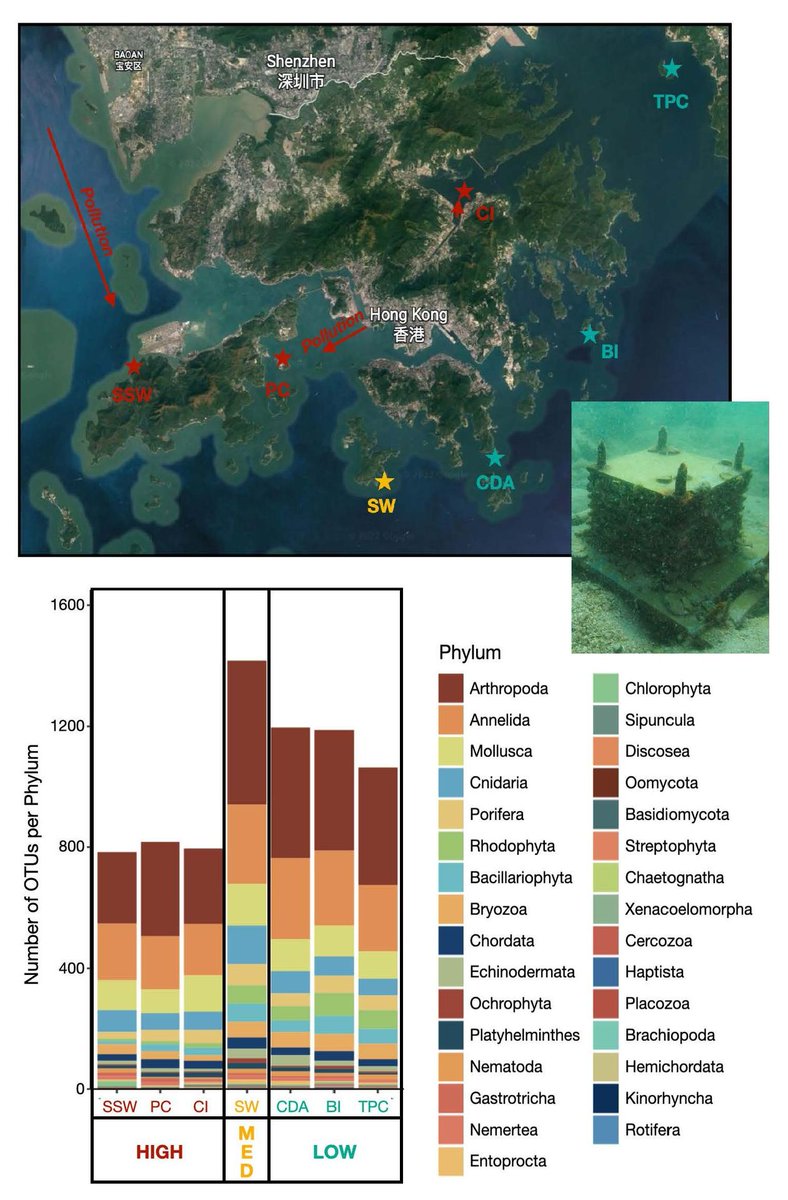
Urban tropical marine #biodiversity has been understudied. Scientists @SWIMSHKU, using metabarcoding & sampling structures known as ARMS, showed that biodiversity of invertebrates in Hong Kong seas is remarkably high, even at highly impacted sites.
https://t.co/AxJ51ahgGJ
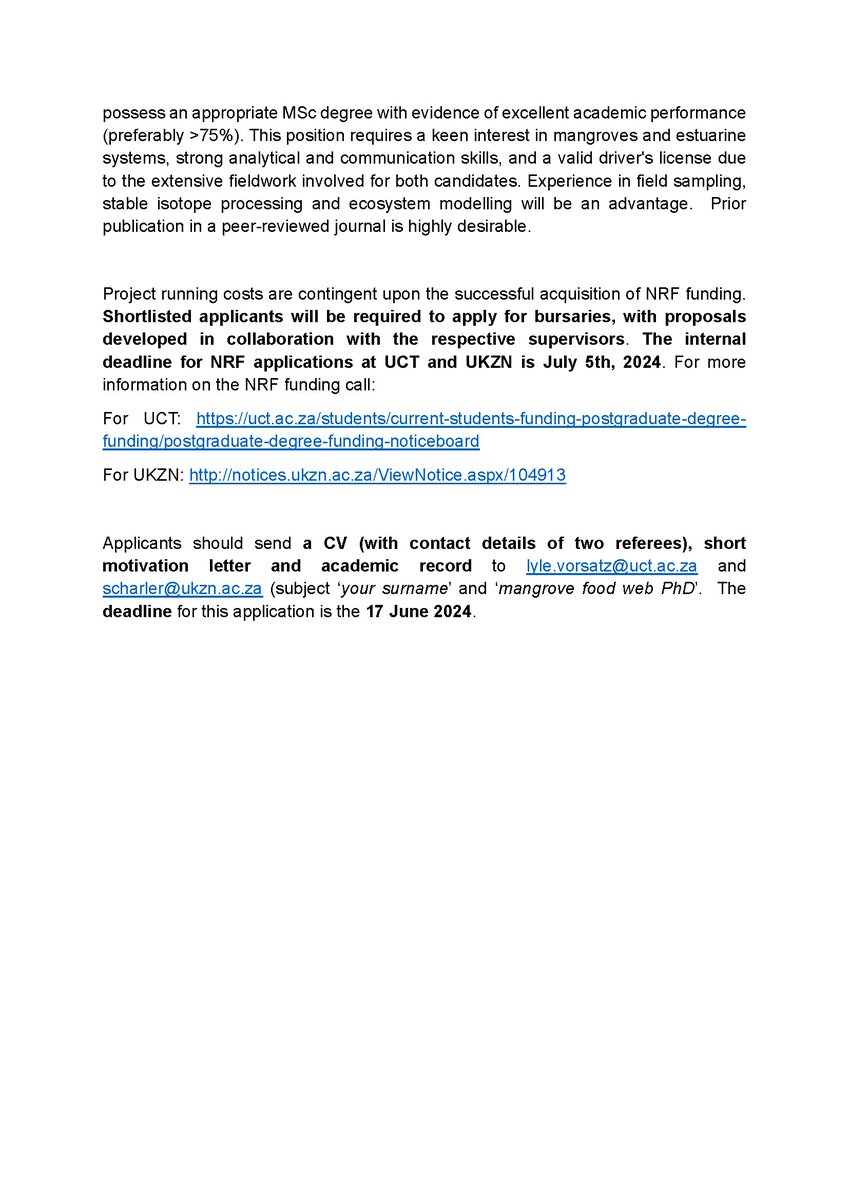
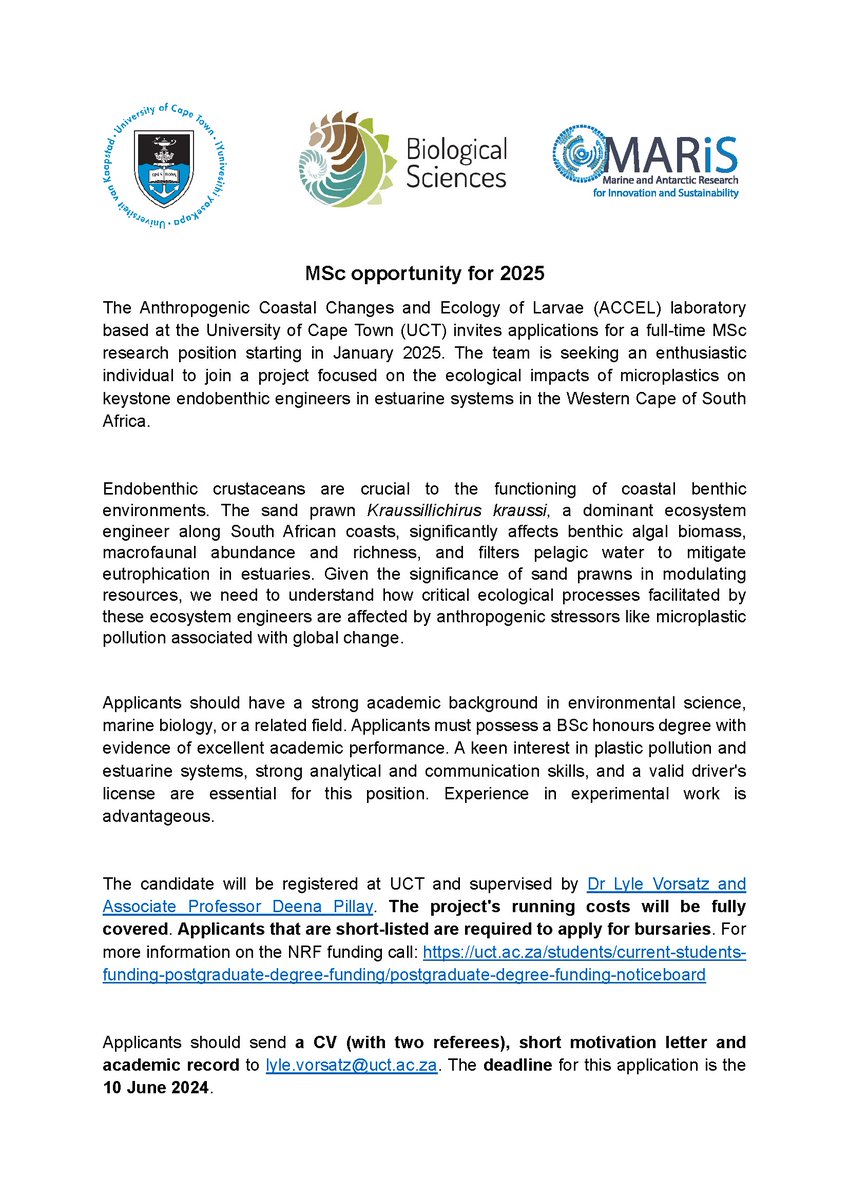
Exciting research opportunities in my lab for 2025! MSc on microplastics in estuaries & PhD on mangrove trophic dynamics in South Africa. Apply now! Share widely #MarineScience#PhD#MSc#SouthAfrica#Mangroves
OUT NOW
Life goes on: Spatial heterogeneity promotes biodiversity in an urbanized coastal marine ecosystem
📄 https://t.co/v8dwjYuikP @symbio_shelby@stable_isodope@GuibertIsis
INVITED COMMENTARY
Assisted evolution of algal symbionts to enhance coral reef bleaching tolerance: A success story
📄 https://t.co/y59o2odJuf @HKU_Science@GuibertIsis
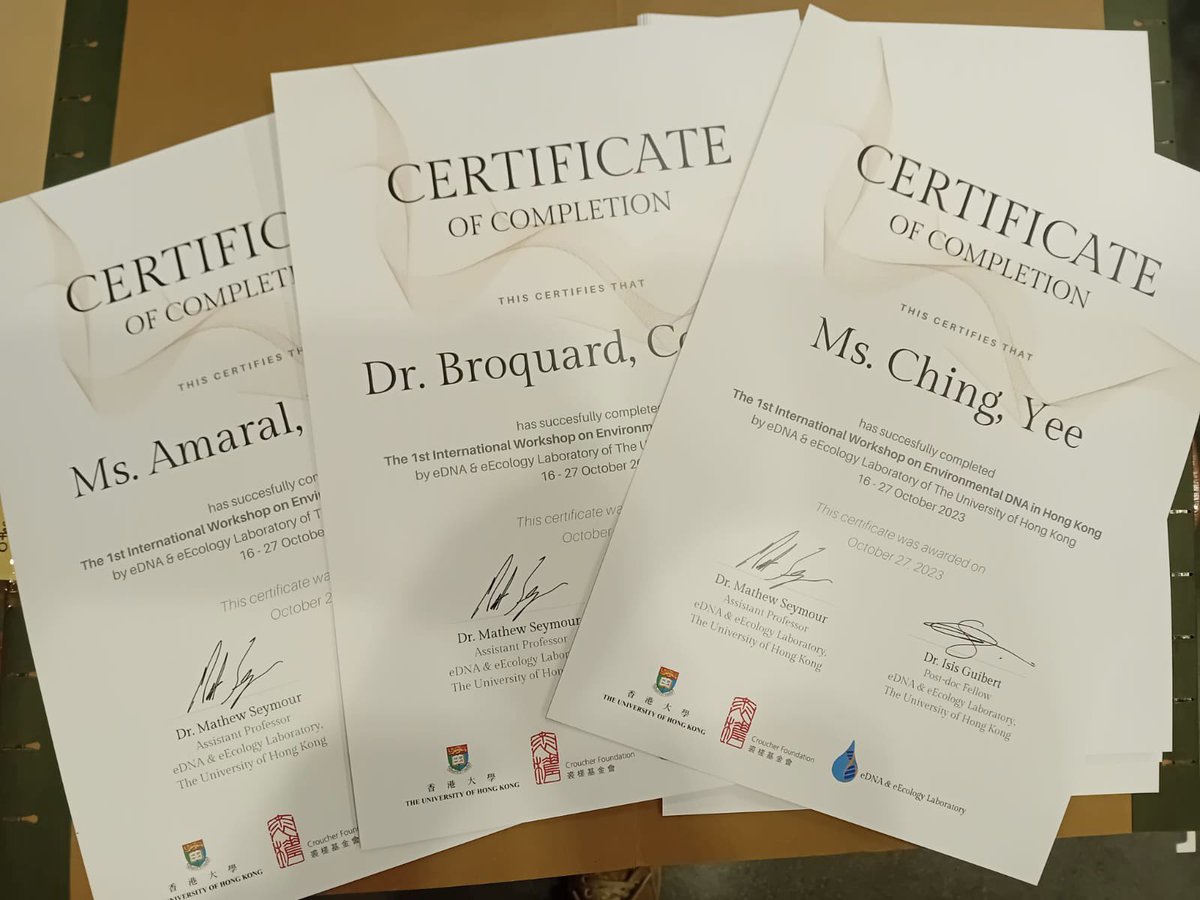
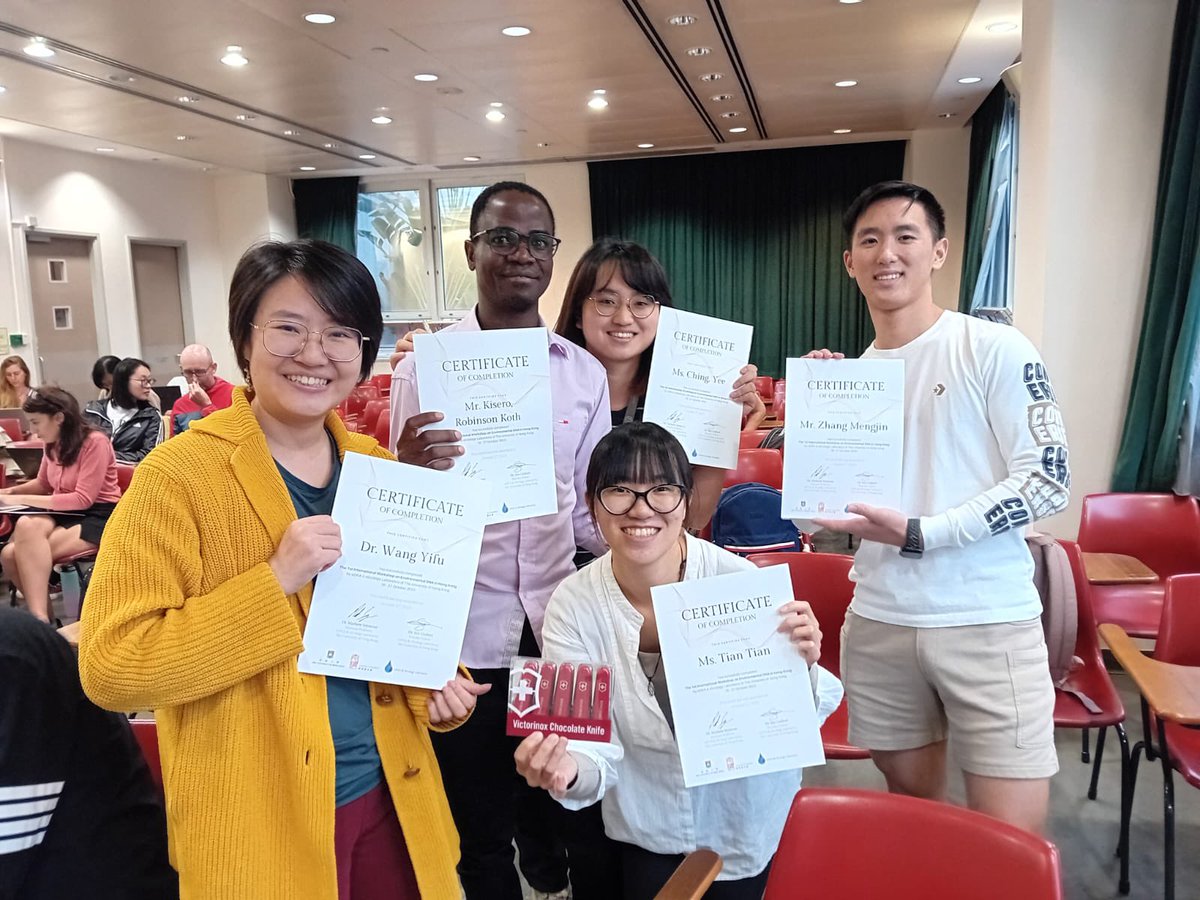
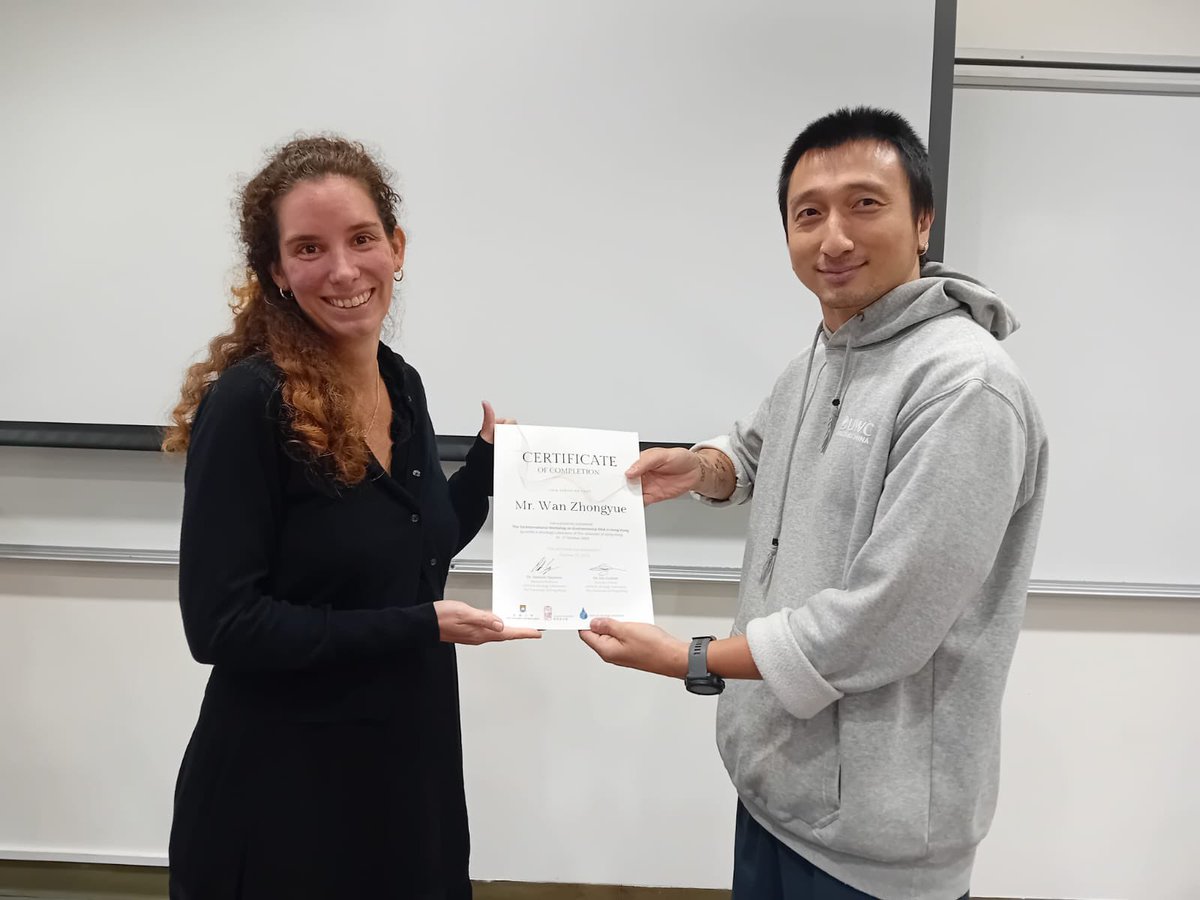
Day 10: We made it! 🌟
Our first workshop has come to the end. Big congratulations to our participants, we can’t wait to see more researchers to integrate eDNA in their research!
Thank you again to our guests lecturers and helpers. This workshop won’t happen without you all!
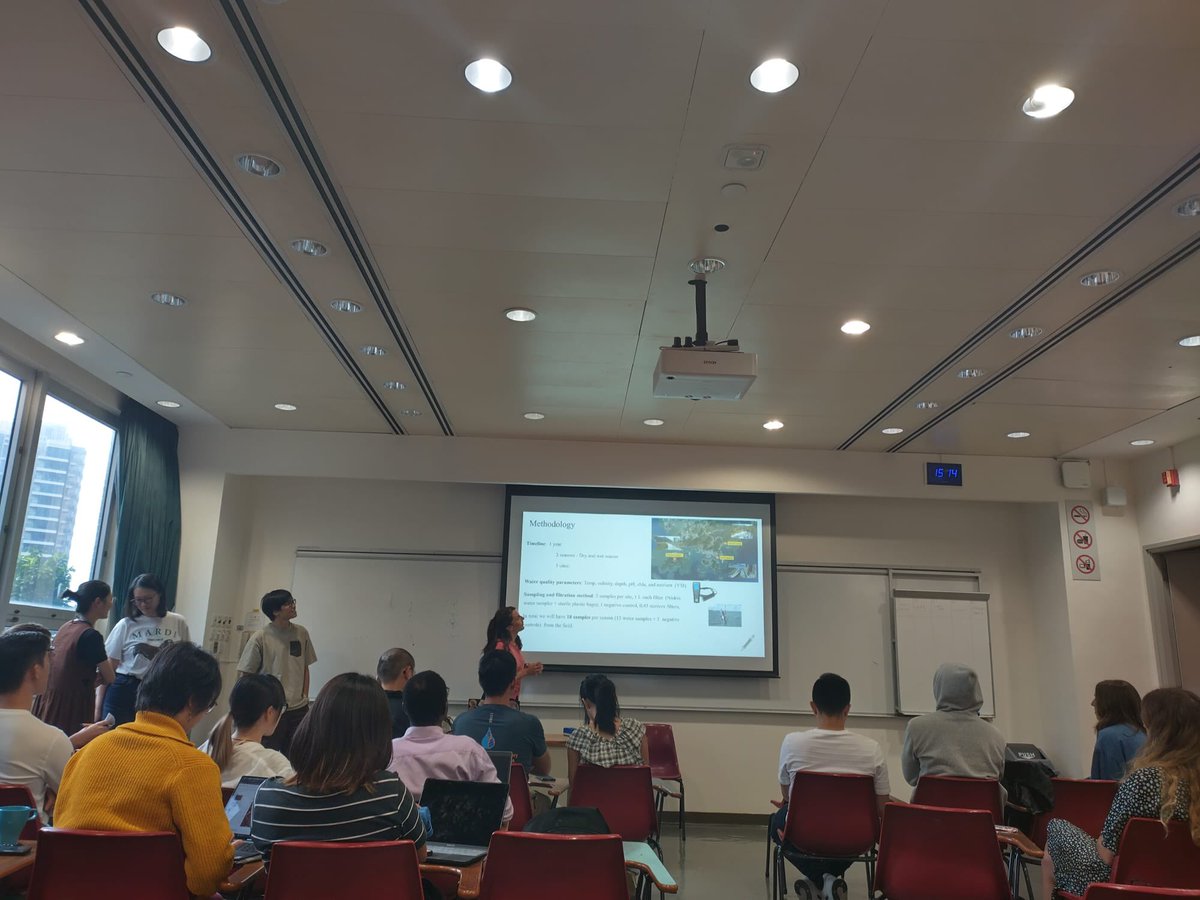
My first presentation at an international conference! Sharing our ongoing work looking heat stress & recovery on giant clam transcriptomes 🪸🐚🧬 #APCRS2033
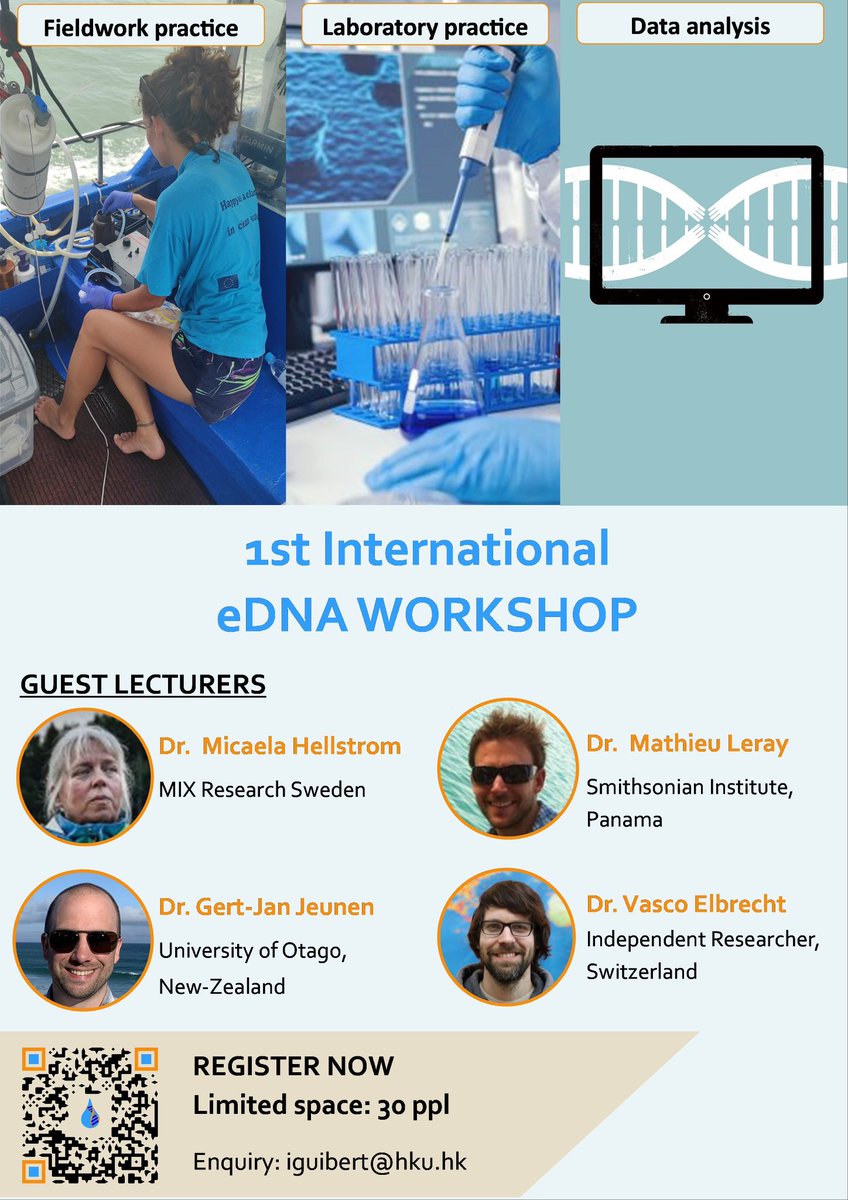
1st eDNA Workshop in HK‼️
Do you want to integrate eDNA methodologies into your research? We will cover the fieldwork practice, lab and data analysis for the participants to be able to run their own eDNA study afterwards.
Registration & details: https://t.co/45lFzSAxxb
Excited to annouce we will host the first Hong Kong eDNA workshop this October @HKUSBS with support from the @croucherFDN. Many thanks to our inter-institutional and external organizers and supporters, with key heavy lifting from @GuibertIsis. More details to come shortly.
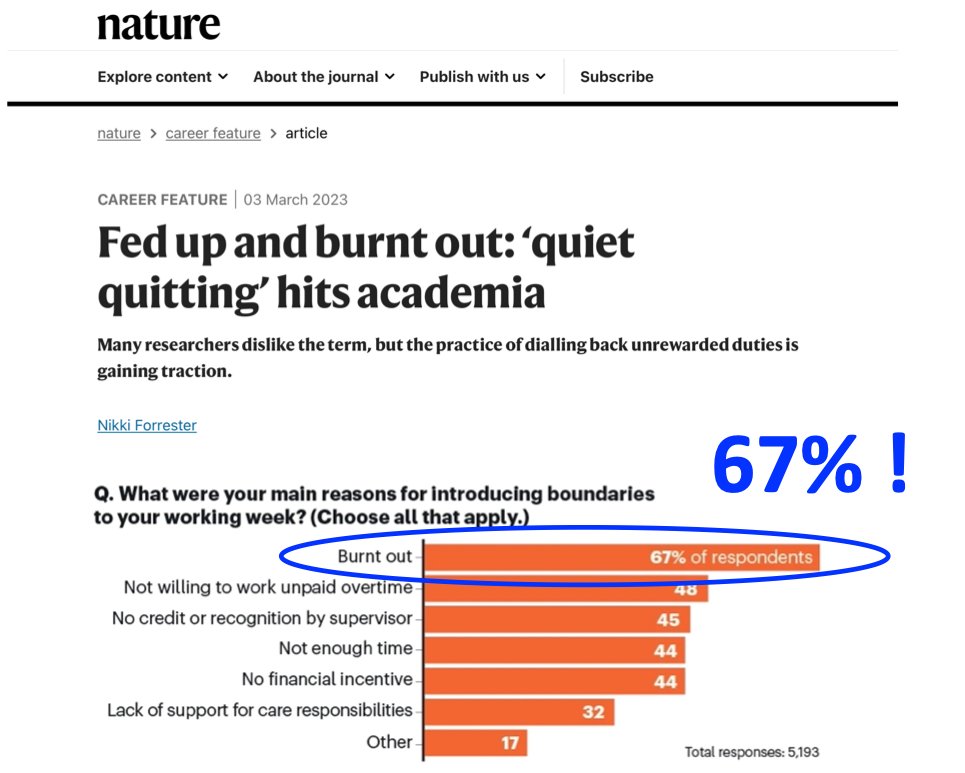
No reward - no duties. 75% of respondents have reduced the hours spent on academic duties since 2020 (Nature polls).
Mostly due to burnout and unwillingness to work for free.
This included attending conferences, peer reviewing manuscripts and grant proposals, committees, mentoring and even teaching.
Why?
Because scientists are tired of not being able to do #science.
- Students are tired of being unappreciated and overloaded
- Faculties are tired of “community duties” that become overwhelming (conferences, committees, reviewing, outreach, etc)
And everyone is tired of small salaries, zero empathy and little credit.
The problem is greatly summarized by Isabel Müller (in the article):
“There’s so little acknowledgement that people have difficult, complicated lives outside of work.”
A year ago, Nature described how PhD students don’t want to be postdocs and faculties are leaving academia. Now, we see that those who stayed are trying to resist the system from the inside.
But the problem is - the system is too rigid, too traditional and too elitist.
So, as a community, we can change it only by raising our voices and expressing distaste with the status quo. I applaud Nature for writing about these issues so regularly. The academic world has too many interdependent parts which should be addressed concurrently.
This is why we should stay united and strong as a community.
Regarding the academic environment we all hope to have, I loved how Isabel Müller put it in the article:
- I hope it becomes the new normal to say: “My life matters. My work is an important part, but I decide what my life looks like, not my employer”.
#AcademicTwitter #education
Come take our new Molecular and Cell Biology of Symbiosis course at MBL this summer! Applications are due on Feb 10th. Share broadly. https://t.co/012sV6nzBC