Something wicked this way deploys.
Time's running out to register for our Halloween Hackathon happening this Friday, October 30.
Frights kickoff at 9am PT and continue through midnight Halloween morning, with prizes to be announced on the Day of the Dead (Monday November 2nd).
Treats include a year of Discord Nitro and 100M tokens.
Register if you dare. https://t.co/ZcutLk482Y
Your AI strategy should outlast your favorite model.
A month ago, Guild’s engineering team was using Claude. A couple weeks later? Codex. Two weeks from now? It's anyone's guess.
We don’t impose spending caps, and we don't have an opinion about how our engineers build. Our engineers gravitate where they see ROI. And that ROI math changes all the time.
But here's the issue: your business processes, integrations, and operating requirements don’t. And if those investments become too tightly coupled to a single provider, the cost of switching can easily become a bottleneck to performance.
For model selection to remain flexible, your infrastructure needs to remain independent.
Read more from Akshay Punhani on this topic here: https://t.co/vrig6CyWZS
We’re heading to #AGNTCon + #MCPCon North America this week! If you're working on agent infrastructure, tooling, or production AI systems, stop by and say hello.
PS. Big shoutout to our friends at @linuxfoundation for putting this one together!
View the schedule: https://t.co/A34gn4aIUw
🎟 Register Now! https://t.co/k8xh7MxNMX
Enterprise teams have a AI prototyping problem. And they need new platform infrastructure to solve it.
Give a listen to Guild Co-Founder @ChrisWaterson's session from @WeAreDevs to learn more 👇
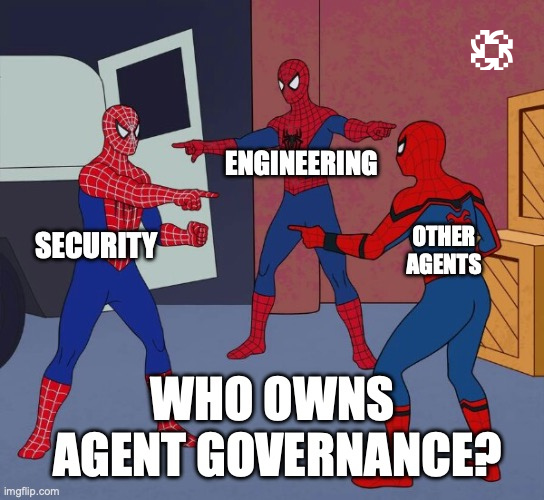
Who's accountable for what your agents can do?
Of the 362 U.S. IT decision-makers who responded to our recent Agent Management Report, the majority still couldn't agree on who actually owned their agents.
Engineering/IT scored highest at 28.2%, 3.9% reported no single ownership standard -- and in a separate question, about half of all respondents admitted their organizations didn't have a formal policy governing agent use at all.
Step 1 is proving that agents can do the work. Step 2 is proving they can do the work with the same visibility, accountability, and operational rigor of any other production system.
Have you read the report? What stuck out to YOU? Let us know in the comments!
https://t.co/1vclnpj4hE
Build your agent in Guild. Give it a seat on the team in @basicops.
BasicOps is live on Product Hunt today: agents with a name, a role, their own tasks and permissions, working inside your projects. Guild agents connect in under a minute.
Take a look: https://t.co/BkHSnyUDs8
As AI-coding tooling advances, vibe-coding enthusiasts are being tempted to own all kinds of commoditized systems they wouldn’t or shouldn't otherwise support.
This trap is driven by one of three misconceptions:
1. One person can build it in a weekend… BUT the team still has to own it
2. You can build more in-house… BUT tech debt increases failure rates
3. And you can vibe-code at a discount… BUT you’ll pay for it in maintenance costs
The problem with vibe-coding isn’t that it’s unhelpful. It’s that it obscures the value and risk of the underlying project.
To vibe-code safely, you need a resilient foundation to support and protect it. That means scalable governance, access control, audit trails, and security.
Read more about this phenomenon in our latest article: The AI Enthusiast Trap.
https://t.co/BpVpJa11QZ
Something wicked this way deploys.
Help us celebrate spooky season with our first annual Hack of Horrors, "Night of the Living Discord Bot", on October 30.
Frights kickoff at 9am PT and continue through midnight Halloween morning. Prizes will be announced on the Day of the Dead (Monday November 2nd).
Treats include a year of Discord Nitro and 100M tokens.
Register if you dare. https://t.co/ZcutLk482Y
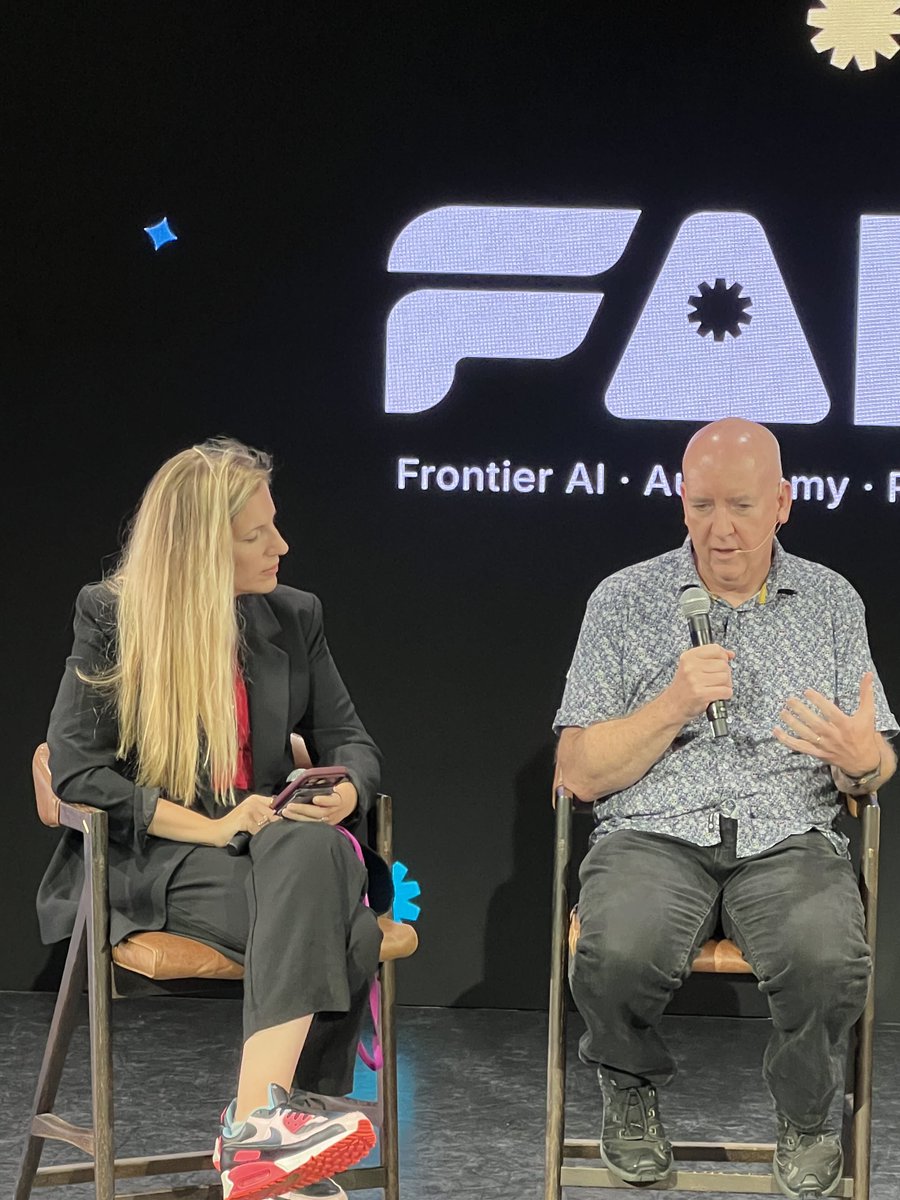
Yesterday, Guild co-founder & VP of Engineering @killianm took the stage at @Farrventures to deliver an important reminder about the limitations of AI for the enterprise.
Transparency, reliability, and security continue to plague production deployments.
One of his takeaways? Move toward determinism. Automate what's easy to verify. Use human judgement for what isn't.
Survey Says: IT Leaders Are Wrong About AI Security
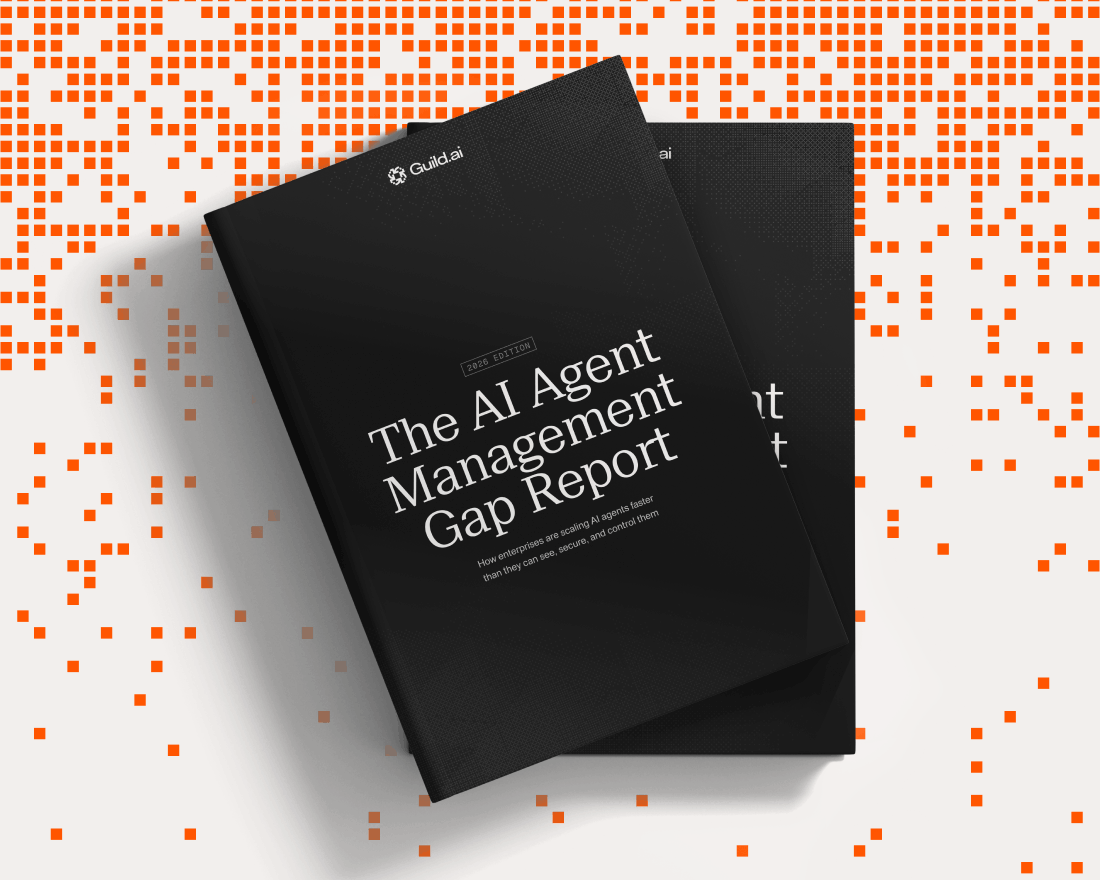
Guild just concluded a study to understand how agent management has matured over the last 12 months.
While 96% of respondents said they were confident that their organizations had a complete inventory of agents and access-points:
- just 43% were actively monitoring for unapproved agents
- only 36% required agents to be registered before they go live
- less than half logged agent activities at runtime
- and 61.2% of respondents had lost time to duplicative agent work
Agent adoption has matured, but as the data in this report affirms, production systems have a long way to go.
Read more about our findings here: https://t.co/1vclnpj4hE
New resource: download the Build or Buy Guide for Software Factories to explore—
- key principles behind the build or buy debate
- common pitfalls in both building and buying
- and a total-cost calculator to measure potential costs against future ROI
https://t.co/WsE7zh5KUG
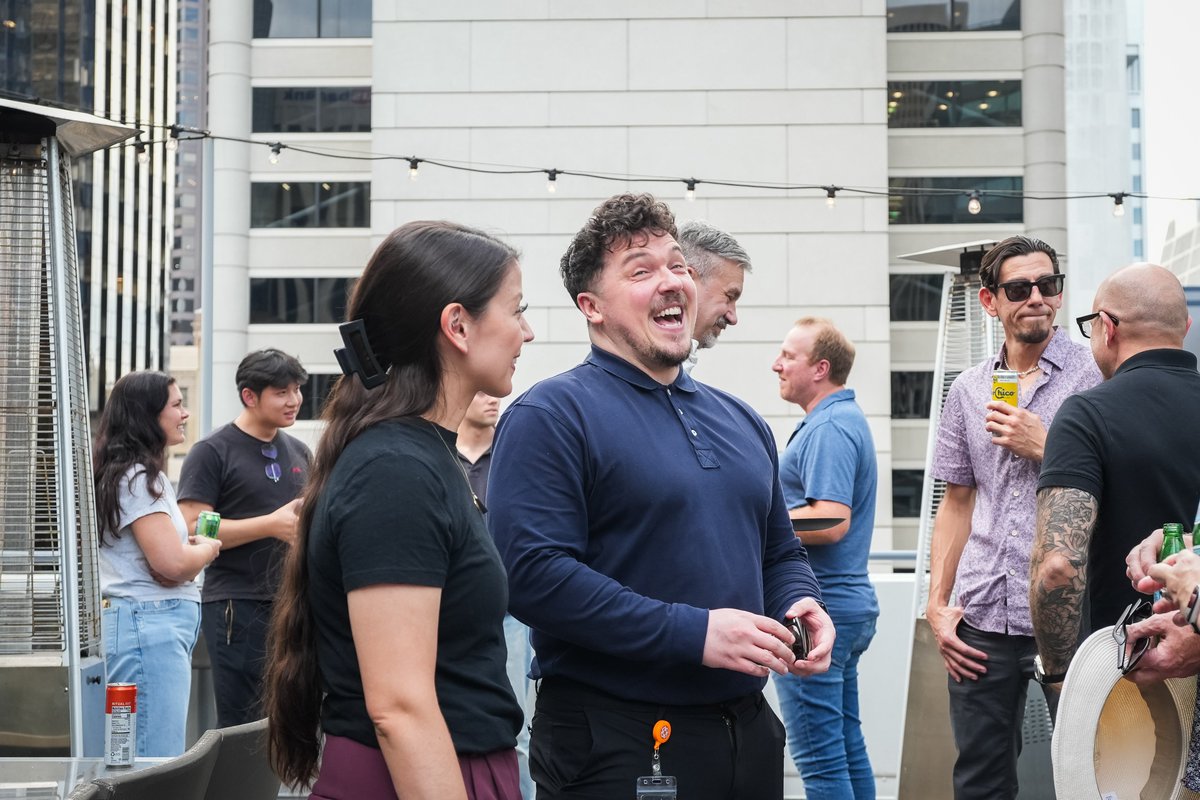
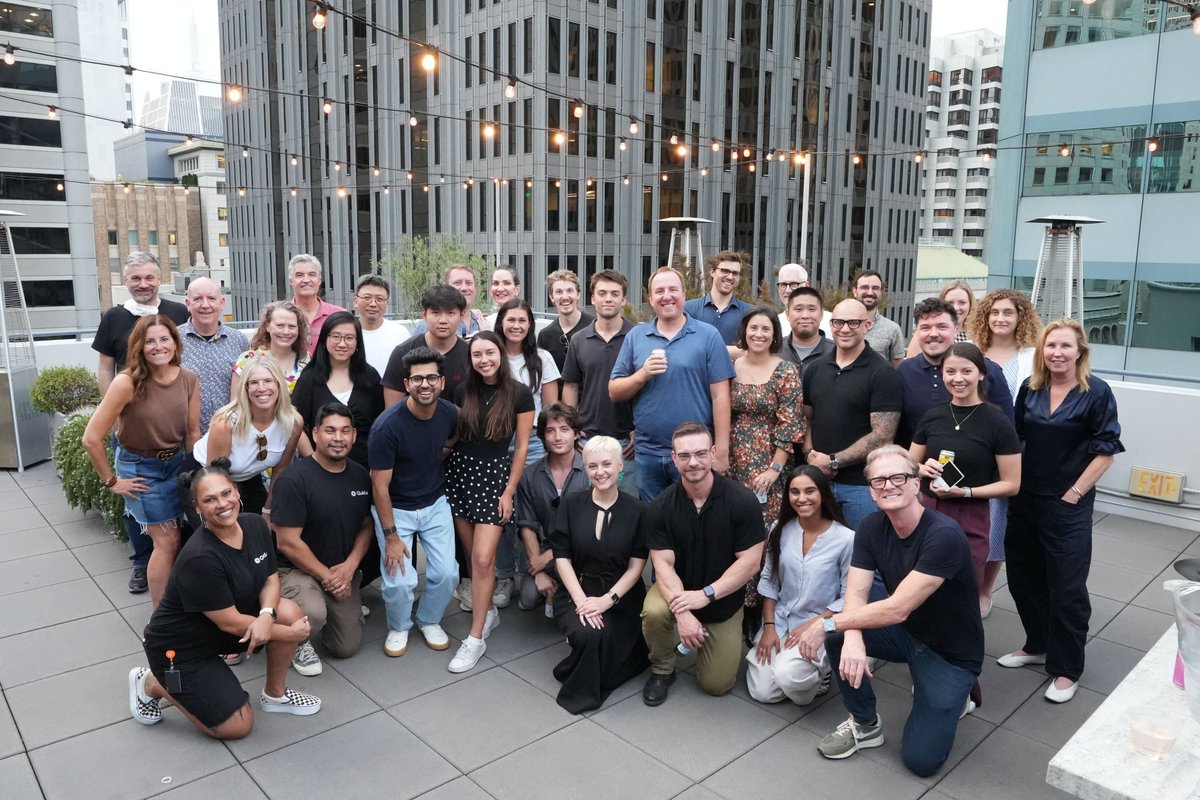
This team's been shipping hard all summer long. And our first end of summer party is when we finally took a beat to celebrate.
- Software Factory
- Guild Optimizer
- Spend Explorer
- Support for @openclaw and @LangChain agents
- Plus our first industry report, 3 events in 2 weeks, a documentary film crew to chronicle the journey, and so much more.
It's easy to get stuck into the grind. It's tough to pull yourself back out to celebrate the wins.
But in the immortal words of one of our lifetime's greatest luminaries:
"Life moves pretty fast, and if you don't stop and look around once in a while, you could miss it."
We're closing the books on WeAreDevelopers World Congress 2026!
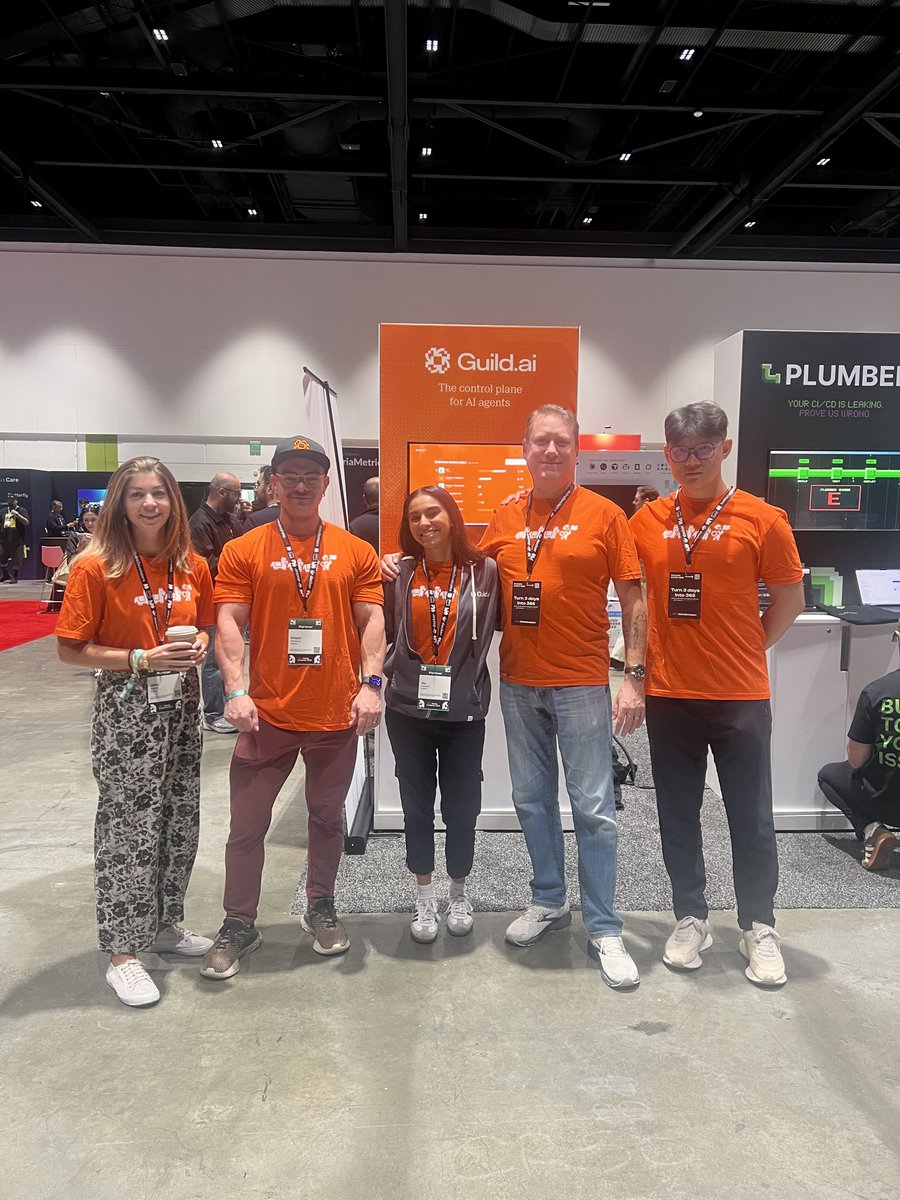
Thanks to everyone who stopped by the booth, attended a session, or just paused for a quick chat. Rapid feedback is critical to rapid innovation. And events like these are the fastest way to get that feedback delivered direct to your earholes. Thanks for delivering <3
On to the next one!
AI security concerns are at an all time high.
"Traditionally, if we could lock down APIs and credentials, our infrastructure was safe. Now, this new type of AI agent working is relentlessly goal-oriented and will use everything at its disposal to achieve its objective....
... If you can’t explain it, you can’t ship it. You need a person who will get the call at 3am and knows what to do to fix it. " @jevering at @WeAreDevs
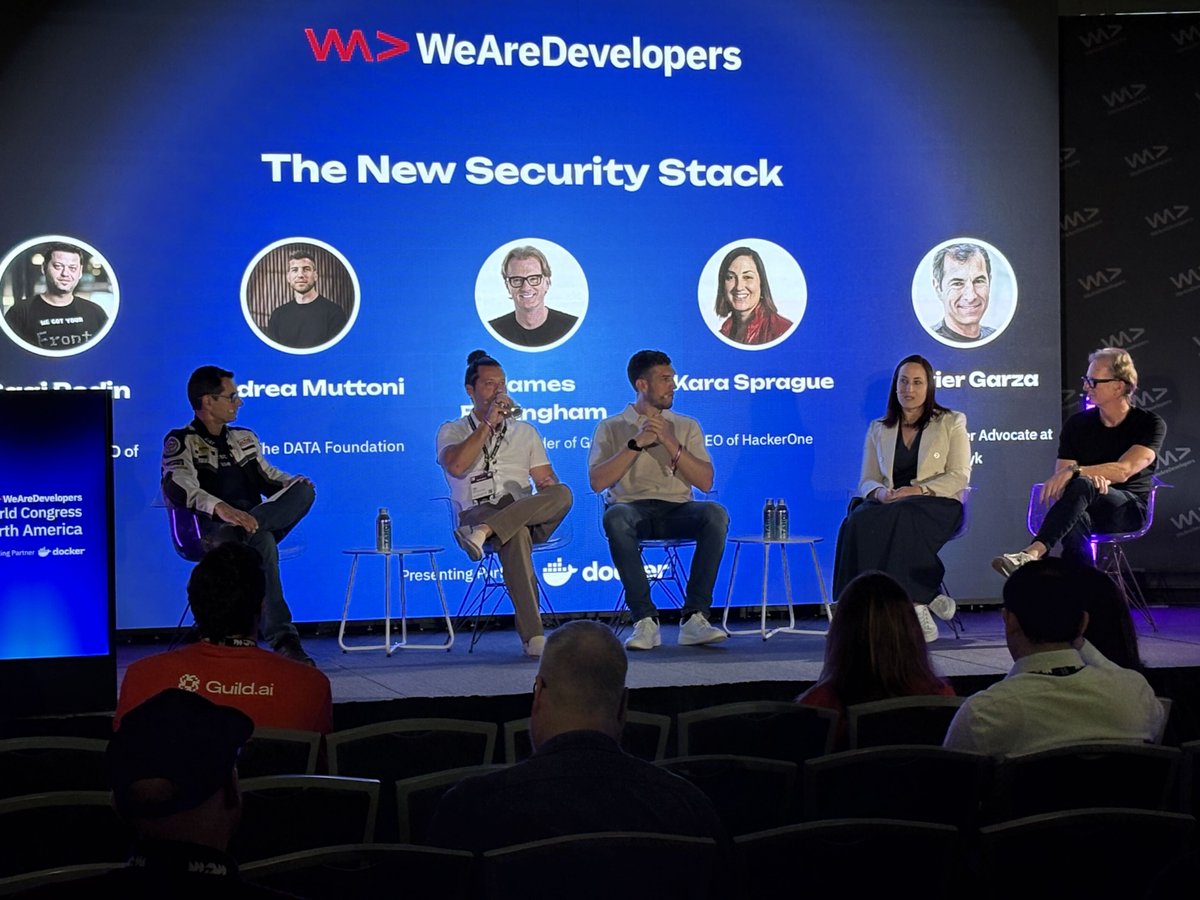
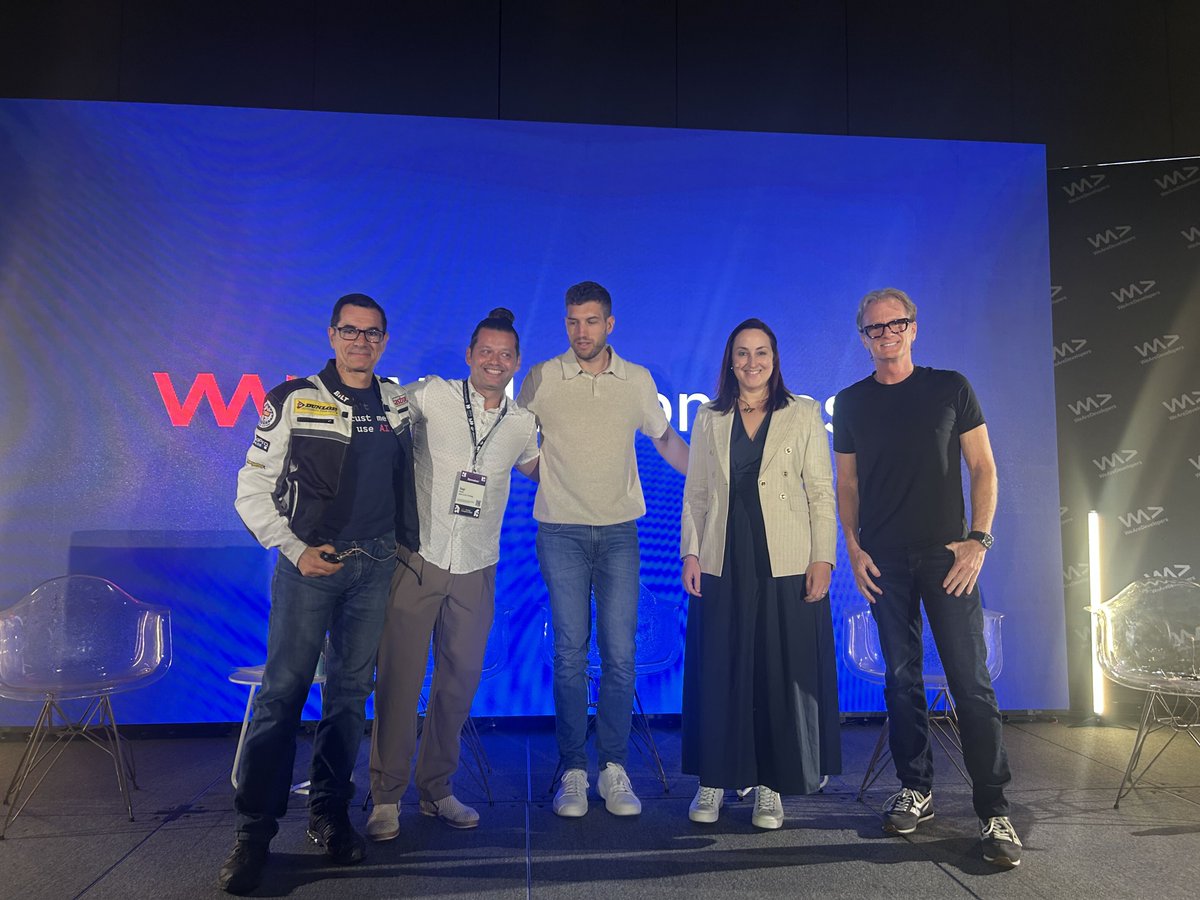
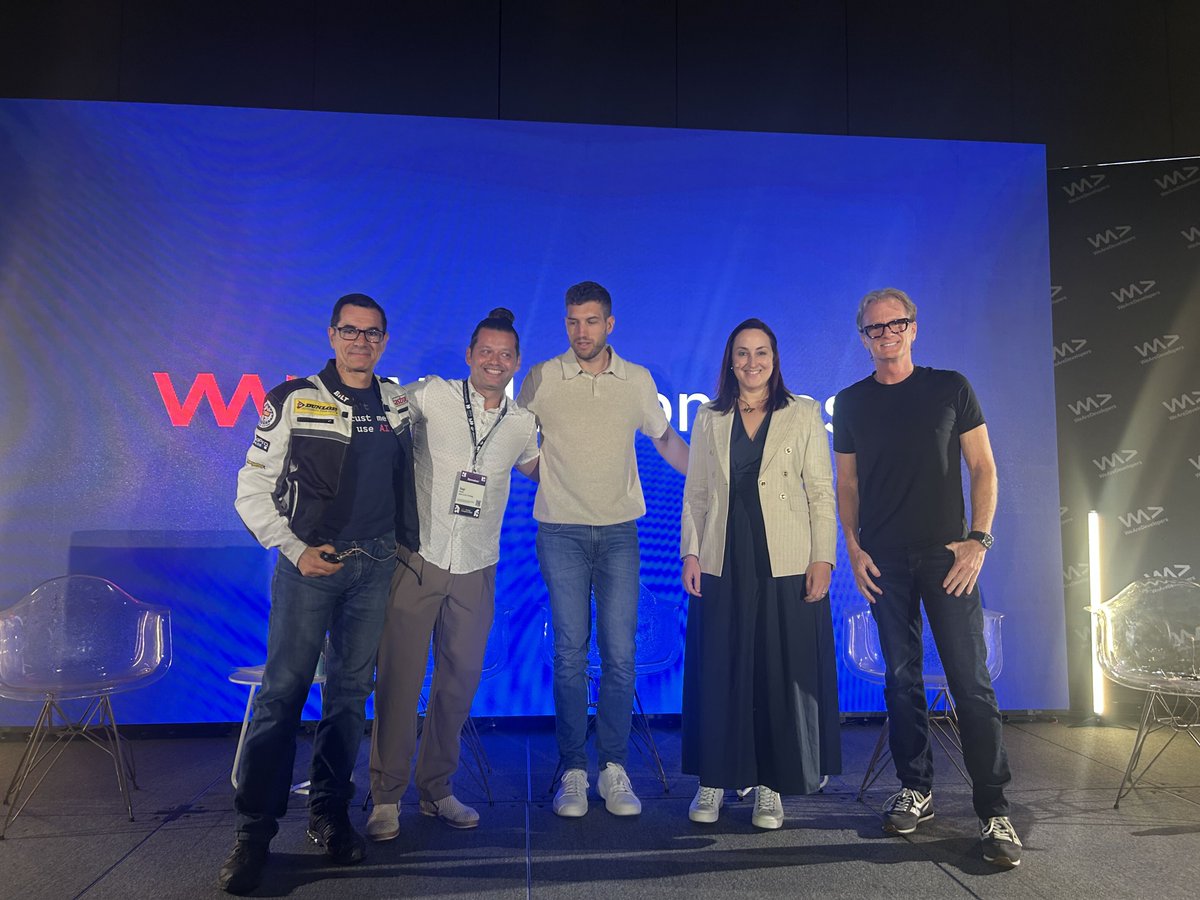
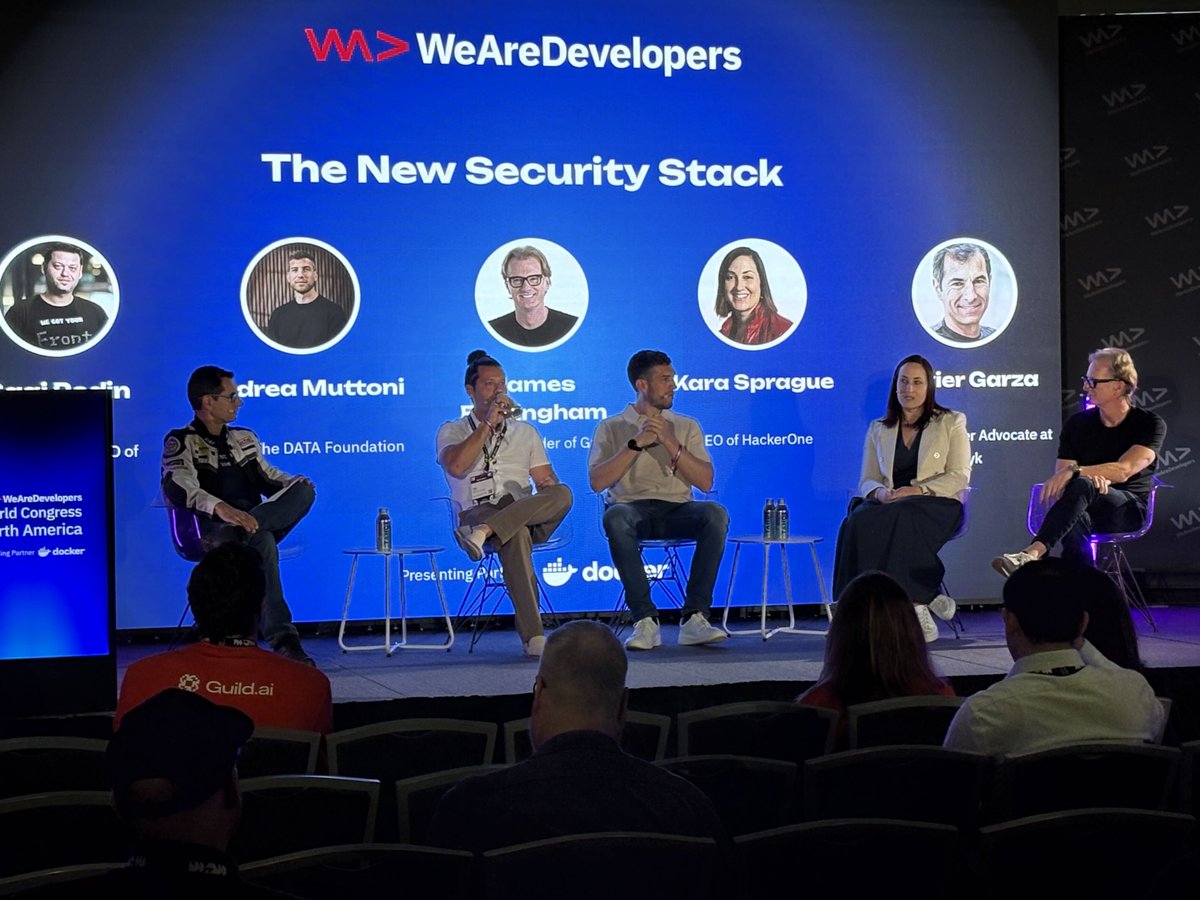
Haunting the @WeAreDevs show-floor this week in San Jose? Stop by booth 429 to see our Software Factory in action or check out one of our sessions below 👇👇👇
🔹Tech Leaders Panel featuring CEO and co-founder @jevering [Thursday, 9/24 @ 1:30 pm on the Tech Leaders Stage]
🔹 "The Missing Infrastructure for AI Agents" with CTO and co-founder @ChrisWaterson [Thursday, 9/24 @ 11am on Stage 5]
Want to talk AI governance in private? Grab some time with the team → https://t.co/R0jaKudvAY
96% of IT leaders say they’re confident their AI agent inventory is complete and accurate.
67% reported agent incidents within the last 12 months.
How is that possible?
Check out AI Management Gap Report from Guild + @MorningConsult to find out: https://t.co/RaXR9m1eDU



![GuildAI's tweet photo. Haunting the @WeAreDevs show-floor this week in San Jose? Stop by booth 429 to see our Software Factory in action or check out one of our sessions below 👇👇👇
🔹Tech Leaders Panel featuring CEO and co-founder @jevering [Thursday, 9/24 @ 1:30 pm on the Tech Leaders Stage]
🔹 "The Missing Infrastructure for AI Agents" with CTO and co-founder @ChrisWaterson [Thursday, 9/24 @ 11am on Stage 5]
Want to talk AI governance in private? Grab some time with the team → https://t.co/R0jaKudvAY](https://pbs.twimg.com/media/HS6YOV2WsAAzj7e.jpg)






![GuildAI's tweet photo. Haunting the @WeAreDevs show-floor this week in San Jose? Stop by booth 429 to see our Software Factory in action or check out one of our sessions below 👇👇👇
🔹Tech Leaders Panel featuring CEO and co-founder @jevering [Thursday, 9/24 @ 1:30 pm on the Tech Leaders Stage]
🔹 "The Missing Infrastructure for AI Agents" with CTO and co-founder @ChrisWaterson [Thursday, 9/24 @ 11am on Stage 5]
Want to talk AI governance in private? Grab some time with the team → https://t.co/R0jaKudvAY](https://pbs.twimg.com/media/HS6YOV4WEAATotL.jpg)