Our paper “Difference-in-Differences Designs: A Practitioner’s Guide” is now published in the Journal of Economic Literature. It took us a while but we are happy!
We put together a lot of material to make the paper useful in practice: https://t.co/30TbAgihlz
Hope you like!
Anthropic paga más de $750,000 al año por ingenieros que puedan construir arquitecturas de LLM desde cero. Stanford enseñó todo el tema en una conferencia de 1 hora y lo liberó gratis.
Guárdalo en favoritos y mira esto hoy antes de que lo borren.
Here is an updated link to my shared Dropbox. It's mostly for DiD but also has other recent projects. I'm currently cleaning up some of the Stata do files and I'll be posting.
I posted the first public version of my nonlinear DiD paper.
https://t.co/q1AnkhEF97
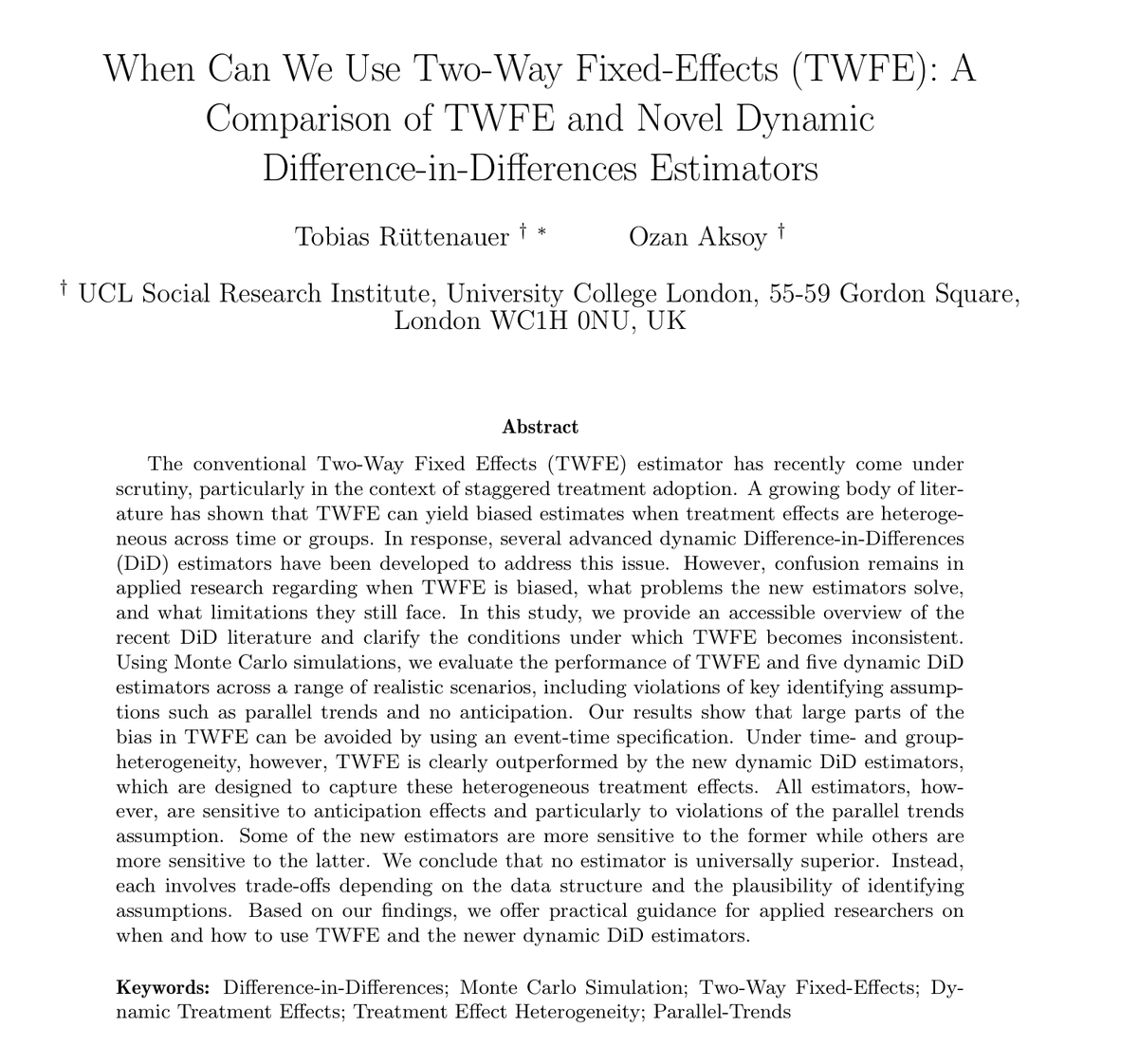
A #DiD post after a long time but this one is worth bookmarking!
This 2025 #APSR paper conducts a massive reanalysis of recently-published papers in key political science journals using different DiD methods:
Causal Panel Analysis under Parallel Trends: Lessons from a Large Reanalysis Study
Albert Chiu (Stanford), Xingchen Lan (NYU), Ziyi Liu (UC Berkeley), and Yiqing Xu (Stanford)
https://t.co/DIBAkDHFEm
They also provides a R markdown file for the replications including detailed info on data structures, treatment variables, results with different estimators, and sensitivity analysis for 49 studies that they managed to replicate (out of 102 sampled)! Check out their 350 page 🤯 appendix:
https://t.co/skW7dEQj7k
This currently makes it the new goat of DiD papers. And given that the new theory papers from 2025 don't even have packages out yet, the landscape to publish causal inference papers is looking more and more challenging. Especially when journals are more and more pushing for open data/open code policies. This is a step in the right direction, but no more getting away with #TWFE papers 😉
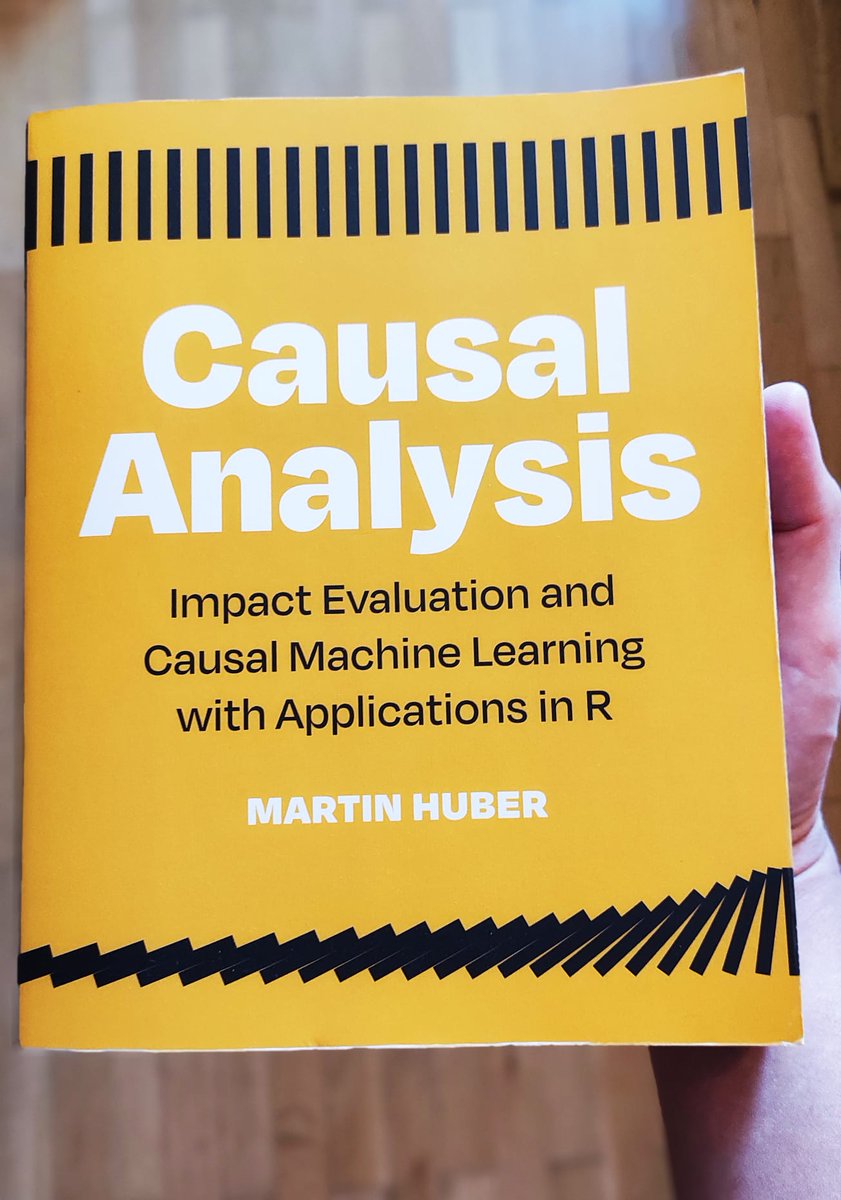
📚 In summer 2023, my book Causal Analysis was published with @mitpress. Just two years later😉 I’m very happy to share that the lecture slides are now freely available in both PDF and LaTeX (as zip files), along with the datasets and R/Python code:
👉 https://t.co/VfahR3aqVR
📊🔧 ¿Buscas análisis estadísticos simples y precisos?
Descubre G*Power, la herramienta gratuita ideal para calcular tamaño del efecto, potencia y tamaño de muestra.
¡Esencial para tus investigaciones!
https://t.co/487sKaYoSU
If you've been wondering how to explore the informational content of your Parallel Trends assumptions to get the most precise DiD and ES estimator possible, we have some good news for you!!
Our new DiD paper is out: https://t.co/kNYgOdBoqa
😎Get along for a brief overview😎
1/
Forthcoming in the JEL: "Difference-in-Differences Designs: A Practitioner’s Guide" by Andrew Baker, Brantly Callaway, Scott Cunningham, Andrew Goodman-Bacon, and Pedro H. C. Sant'Anna. https://t.co/usGVoaPfkx
Day 2 at #ShinyConf is here! 💫 Great sessions on Shiny Innovation, LLM/AI, Best Practices, and more.
🌟 Don’t miss the keynote on AI & Shiny with @winston_chang at 2:30pm ET! Free & virtual - join us today!
Register: https://t.co/XxY9iyLroi
#ShinyConf2025#virtual#Shiny
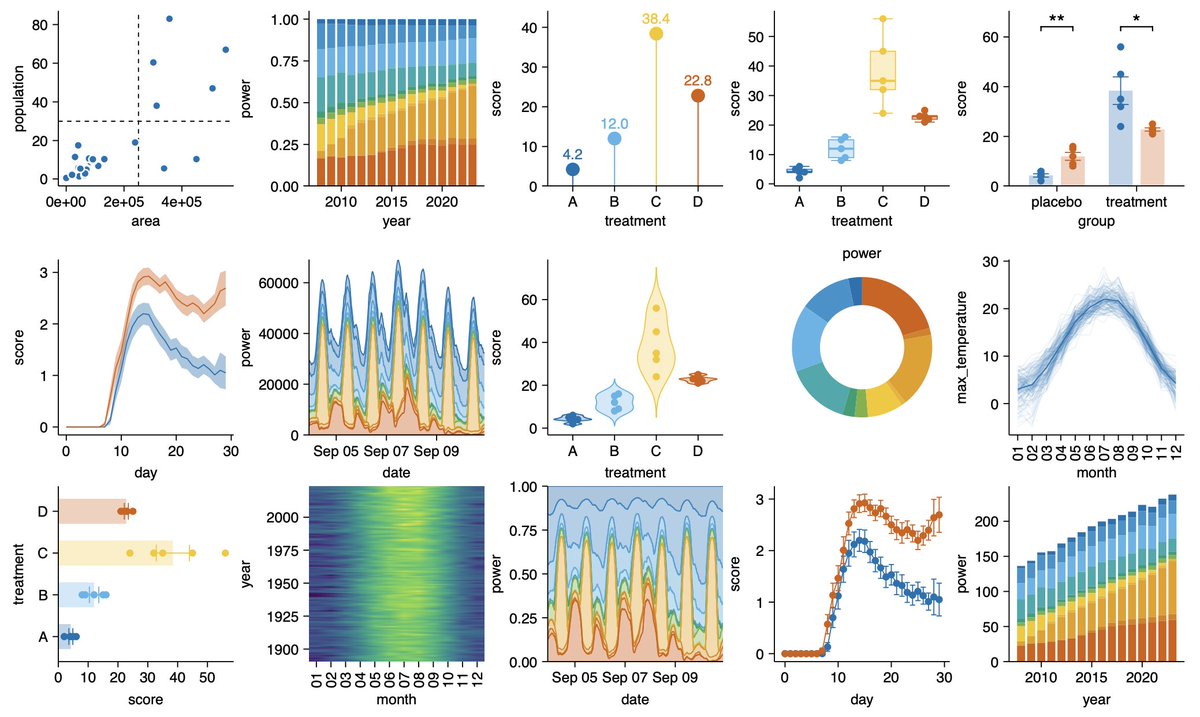
Everybody can do code-based plotting in R 💪
Try https://t.co/j0S95nhvJa
🕊️ Free and open-source
🚀 Easy, intuitive and fast
🌈 Beautiful
Getting started guide at https://t.co/9Rc1Enbagq
#rstats#dataviz#phd
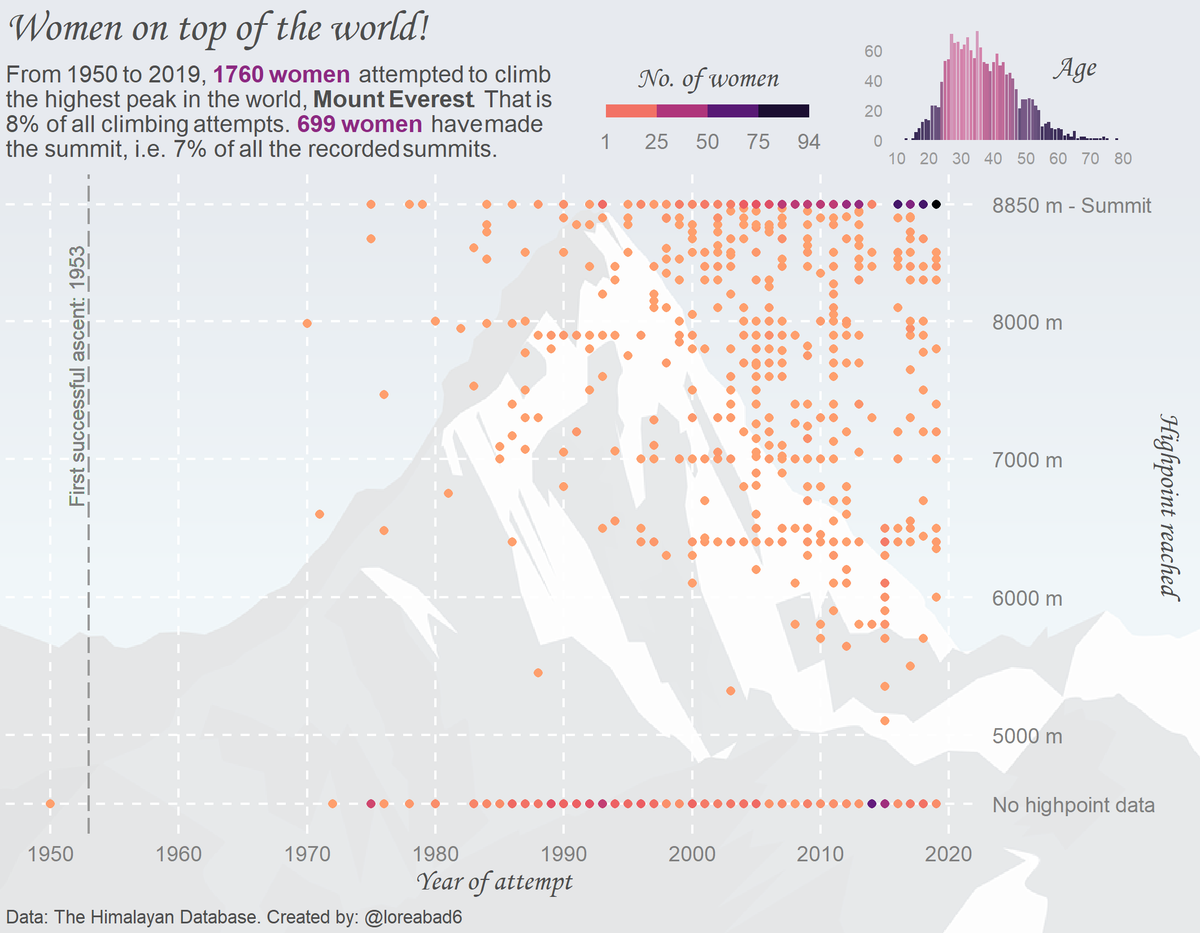
Week 39: Himalayan climbers. Here I present to you: *Women on top of the world!* Mt. Everest ascending attempts by women. This week's #TidyTuesday took me quite some time, but I am really happy with the result and tought me so much. Here is a 🧵of my journey! #rstats#ggplot2 1/6