@GutOptimized This is interesting. I experience the exact problem you describe here with POTS/Dysautonomia but was never told to increase sodium much because my blood pressure runs slightly high
Definitely need to work on a new hydration plan
How low blood volume can drive POTS/dysautonomia
When you're low sodium, the body should respond with. signalling cascade:
Renin increases, which increases angiotensin II, which signals to increased aldosterone (otherwise known as the RAAS system).
This increases blood pressure, vasoconstriction, and sodium retention.
In chronic fatigue syndrome, renin becomes suppressed even with regular sodium level, but angiotensin II paradoxically is high while aldosterone is low.
That means the RAAS signalling system has been uncoupled for its usual unity.
As a result body isn't retaining sodium properly. So drinking water becomes difficult.
This puts you into a low blood volume state which drives sympathetic nervous system activation and vasoconstriction to drive blood flow.
Standing up pools blood in your legs, which becomes fatiguing, and drives further sympathetic drive and increased heart rate - POTS symptoms.
As a guy, the goal is to get to drinking 3+ litres of water a day with adequate sodium + magnesium (as well as other electrolytes of course). If you're drinking that much water daily, your blood volume will rise significantly.
It might take you a month or two, if you're currently low blood volume, to get your systems to adjust to increased hydration/blood volume.
Yes and sort of depends how dysfunctional someone's autonomic nervous system is.
If can just drink water great, if not, add sodium to water.
If very sensitive, remove sodium from food initially and have all sodium with water.
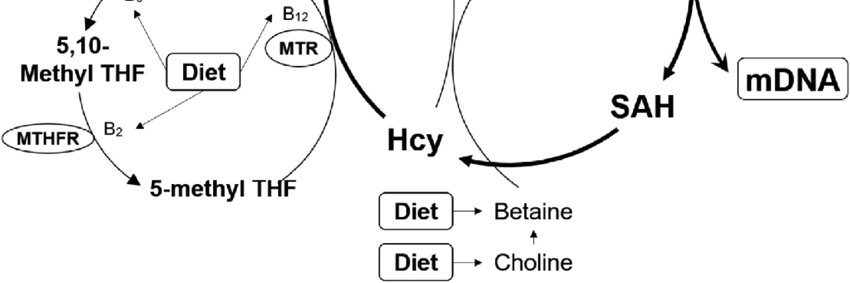
Ensure adequate choline and methylation nutrients along side.
As well as nutrients for bone marrow and hemo production (iron, B6, B9, B12)
Either histamine/immune activity or issues with the autonomic nervous system drives kidney signalling issues. As a result you can have fluid/sodium retention issues while also disregulating RAAS (which then dysreguates adrenals.
@GutOptimized This is me!!! Omg. Electrolytes save me because of the high sodium but I have to drink daily or else it’s back to fatigue, low blood pressure etc. is it linked to adrenal issues?
@iamshe_jc Either histamine/immune activity or issues with the autonomic nervous system drives kidney signalling issues.
As a result you can fluid/sodium retention issues while also disregulating RAAS (which then dysreguates adrenals.
Hydration is extremely difficult with chronic illness.
e.g. take chronic fatigue syndrome:
- ADH down (less water retention)
- renin down (less sodium retention)
- angiotensin II up (contraction of blood vessels)
- blood volume down
Sympathetic nervous system spikes (to retain sodium and increase blood flow).
Less removal of waste, less oxygen/blood to brain, more stress.
Not good.
If you drink minimal water on an ongoing basis, you will have low blood volume, and your sympathetic/stress side of your nervous still chronically activate as a result.
Even just standing will become fatiguing with low blood volume.
test a few options. does sipping on water work? if no, what about 1/8th teaspoon sodium with big cup? if no, what about adding in 1/4 teaspoon mg malate? if no, cease sodium with meals and then try salted mg water.
can try making the water warm. sometimes might need to fix other areas of inflammation, methylation or other governing systems to better tolerate high volume liquid.
Those with very dysregulated autonomic nervous systems may do better to cease sodium with meals and have all of their sodium with water instead. To create a more even osmotic affect throughout the body.
Water is totally healthy to drink. People saying otherwise are wrong.
But those with faulty RAAS or autnomic nervous systems may struggle with plain water.
If water gives bloating sensation, add a 1/4 teaspoon mg malate and 1/8 teaspoon sodium to warm water.
UNDERSTAND THIS HARD TRUTH:
Most who become chronically ill did so because of their own faulty decision making.
Be aware your mind might have remnants of this thinking.
Very few are willing to contend with that level of ego integration though.
Not spoke about enough in health space, the hypothalamus/RAAS system are closely linked. Low blood volume/dehydration ends up amplifying both blood pressure & stress through cortisol/ACTH secretion.
@biohacker Chronic fatigue syndrom has the paradox of suppressed renin, increased angiotensin II but reduced aldosterone.
Which makes no sense until you realise that other system is kicked in.
The key point in chronic illness and hydration, is the below systems will uncouple due to chronic activation of the kallikrein-kinin system from mast cell/histamine activation. Bradykinin spillover to the kidneys suppresses renin,
1) Dehydration reduces plasma volume
RAAS activates > vasoconstriction sodium/water retention
2) Angiotensin II crosses into brain → activates sympathetic outflow
3)HPA axis kicks in → cortisol rises → further elevates blood pressure
4) Cortisol > sympathetic tone → more fluid loss → cycle repeats
Shouts out to @GutOptimized one of the best accounts on twitter/x for highlighting.