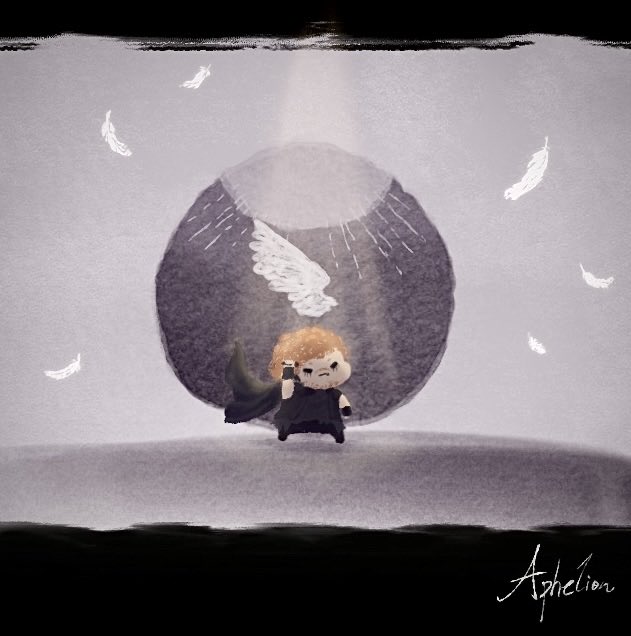
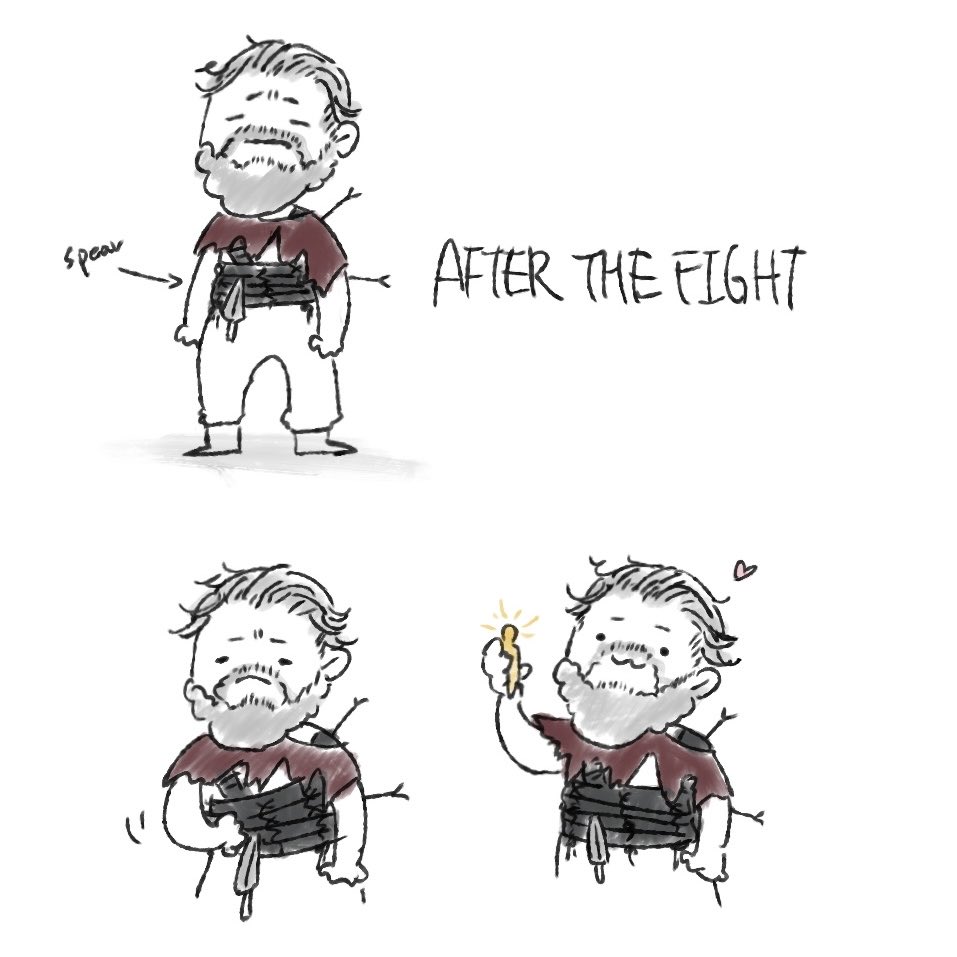
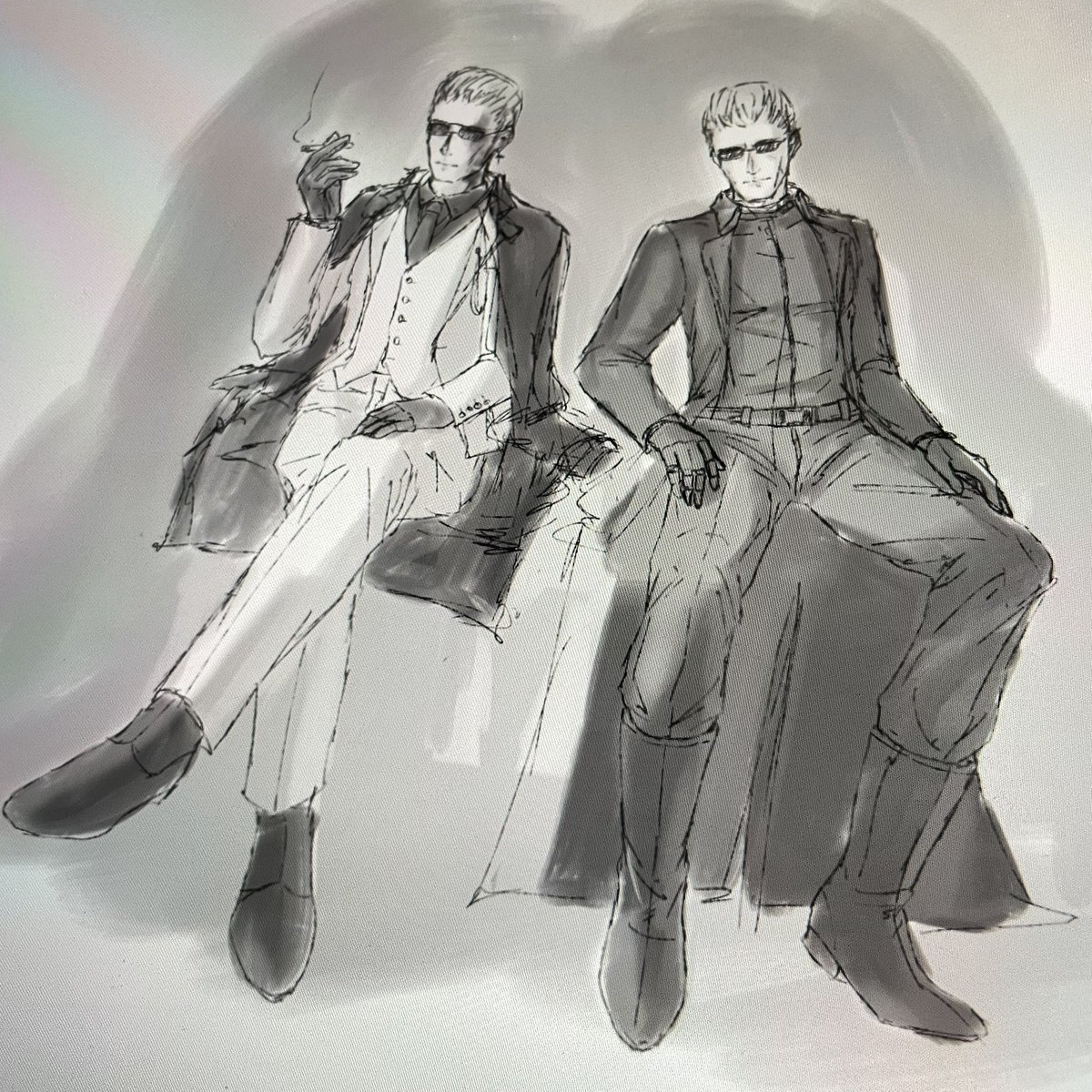
In this era of artificial intelligence, it is becoming urgent to distinguish human art from what machines produce. There is an ontological difference, even before an aesthetic one, between art and what a machine can generate through statistical calculation based on millions of images created by others. Algorithms lack the spark of humanity. For this reason, the Church wishes to renew an alliance with artists and cultural institutions to safeguard our humanity.
Amazing news: NieR:Orchestra Concert 12026 [ YoRHa ] will be in Taipei in February!
Maestro Eric Roth, the Evergreen Symphony Orchestra, and featured vocalists Emi Evans and J'Nique Nicole will bring you a new chapter in the NieR story in a stunning concert you'll never forget!
They'll also be joined by our incredible special guests: NieR series director Yoko Taro and NieR series composer Keiichi Okabe!
3Dモデルを自由に動かしてポーズを作れるツール『HAELE 3D - ポーズスタジオ Max -』Steamストアページが公開
https://t.co/jtukqnfIf5
体型、表情、髪型、メイクなどを細かく設定でき、初心者から上級者まで幅広いユーザーの作画をサポート。2026年第4四半期のリリースを予定
Only if education could be this interactive ❤️🔥
I've had a looong wish to build something genuinely useful through vibe coding, and I finally did it.
A 3D human anatomy application built with @threejs using GPT 5.6 Sol.
It all started with a single design image that I created using GPT Image 2.0. I then used it to generate every 3D organ image, one by one.
Next, I converted each of those images into 3D models using @tripoai (and no, they didn't sponsor this 😄).
After that, I opened Codex, wrote a master prompt based on the design, and gave it the prompt, the design image, and all the 3D models.
Codex built the first version beautifully, but there was one big problem.
Every single 3D model was nearly 120-150 MB. That obviously wasn't practical for the web and was giving a performance of 16fps.
After a few iterations, Codex optimized each model down to roughly 2–5.5 MB while preserving the visual quality, reducing the total asset size from ~900 MB to just 28.6 MB. And each model loads on demand.
Along the way, Codex also generated those anatomical illustrations showing where each organ sits in the human body, and even created the interactive hotspot markers that explain different parts of every organ. It handled all of that.
The process wasn't exactly one shot, but it also wasn't difficult. You just have to do it step by step.
It genuinely felt like building something that could make learning anatomy much more engaging.
The inspiration came from @DilumSanjaya's 3D animal plant cell project. I remember seeing it and thinking, "I want to build something like this one day."
And I did it :D
Live: https://t.co/gIFgkj8UVB
Code: https://t.co/nijvyWcyxO