Geleceğe Miras Projesi kapsamında Hasankeyf Kazısı’nda gün yüzüne çıkarılan, Artuklu Saray kültürünü yansıtan nadir bir eser olan zihgir; ilçemizin tarihi ve kültürel mirasının zenginliğini bir kez daha ortaya koymuştur.
Bu kıymetli arkeolojik buluntunun bilim dünyasına ve kültür mirasımıza kazandırılmasında emeği geçen başta Kültür ve Turizm Bakanlığımız, Hasankeyf Kazı Başkanlığı olmak üzere tüm paydaşlara teşekkür ediyoruz.
Hasankeyf’imizin binlerce yıllık mirası, titizlikle yürütülen çalışmalarla geleceğe taşınmaya devam etmektedir.
Hasankeyf Kaymakamlığı
Batman’ın Hasankeyf ilçesinde Kara köyü mevkiinde seyir halindeki bir sürücü, yola çıkan dağ keçilerini fark edince aracını durdurup geçmelerini bekledi.
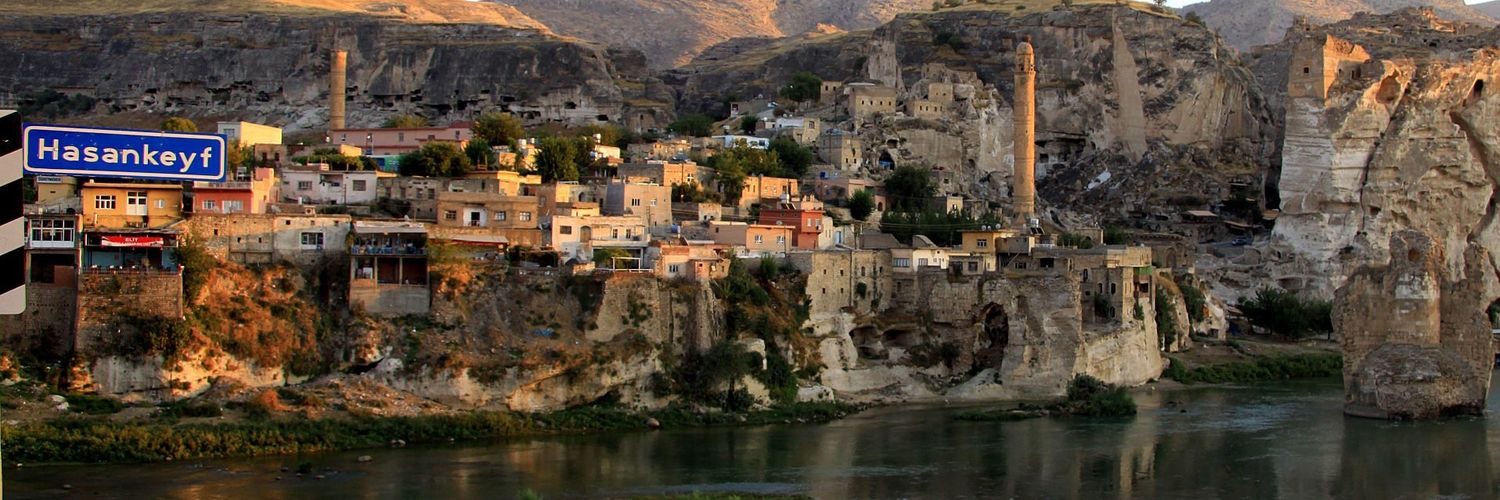
Hasankeyf
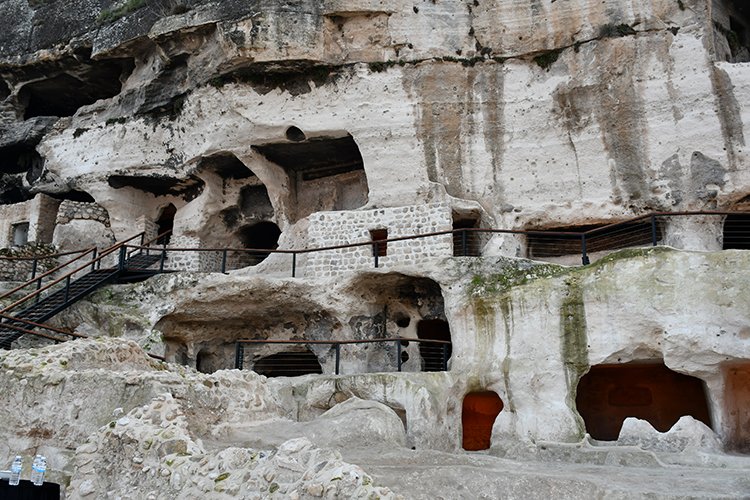
Hasankeyf, located on the banks of the Tigris River in present-day Batman, Türkiye, is one of the oldest continuously inhabited settlements in the world, with approximately 12,000 years of human settlement.
It shows traces of agriculture and early villages (Hasankeyf Mound) starting from the Neolithic period (~10,000 BC).
Its influence extended through the Chalcolithic, Bronze, and Iron Ages, influenced by civilizations such as the Hurrians, Assyrians, Urartians, and Persians.
It served as a strategic fortress (Ciphas/Kiphos) during the Hellenistic and Roman periods.
It was conquered by Muslims in 639; it flourished during the Umayyad, Abbasid, and Artuqid (1102-1232) periods.
The Artuqid era was a golden age: magnificent works such as bridges, palaces, baths, and mosques were built (its most glorious period).
It remained a provincial center under Ayyubid, Mongol, Ak Koyunlu, and Ottoman rule. Throughout its history, it maintained its strategic importance as a fortified city, but a large part of it was submerged due to the Ilısu Dam, and the settlement was relocated to a new site.
Note: The image is not real.
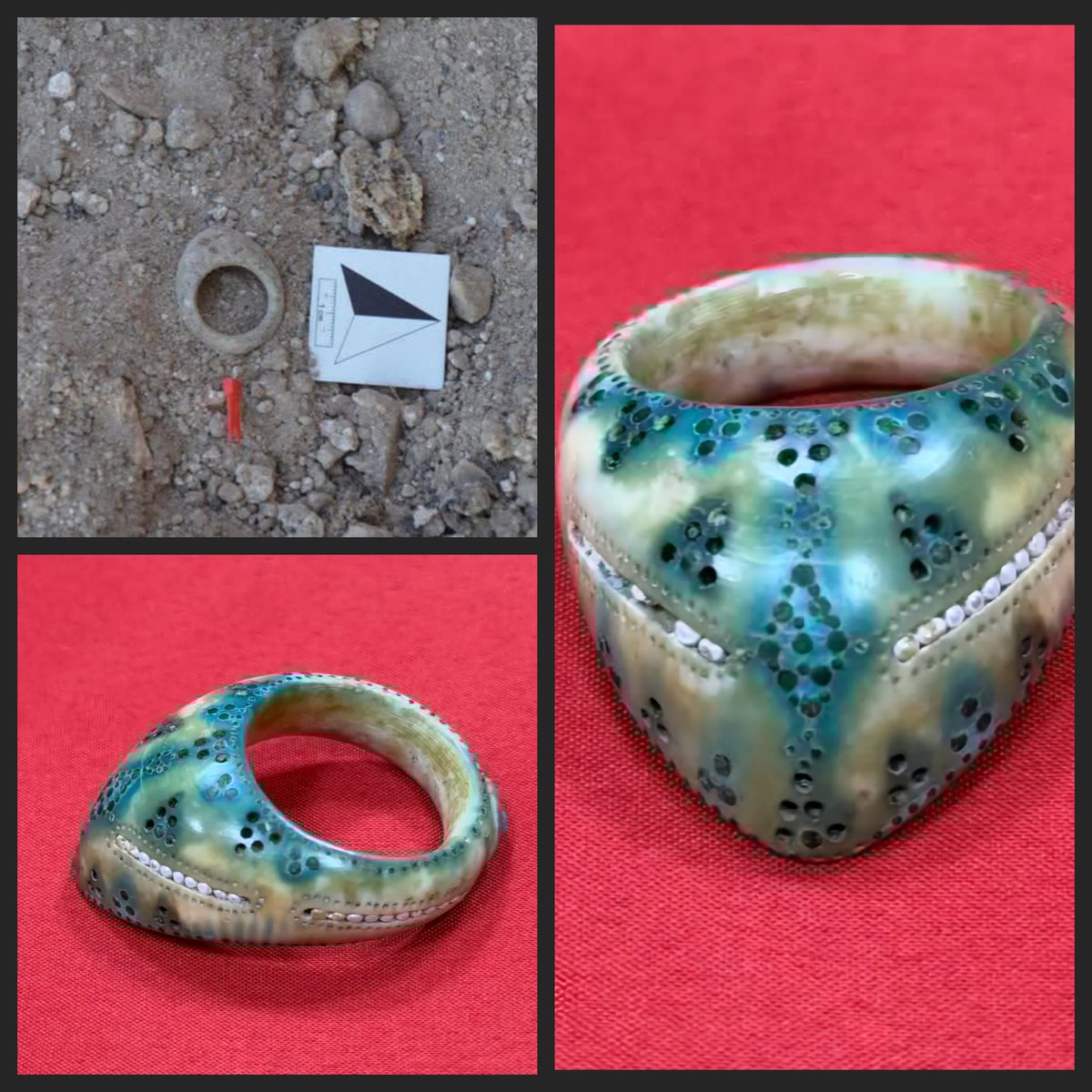
📍 Geleceğe Miras Projesi kapsamında yürütülen Hasankeyf Kazısı’nın 2025 yılı kazı sezonunda, Büyük Saray yapısının güneydoğu köşesinde gerçekleştirilen arkeolojik çalışmalarda Artuklu dönemine (12.–13. yüzyıl) tarihlenen son derece nadir bir buluntu gün yüzüne çıkarıldı. Beden duvarlarının kesiştiği köşede yapılan kazılarda, fildişinden imal edilmiş bir adet zihgir (okçu yüzüğü) tespit edildi. Çalışmalar Mardin Artuklu Üniversitesi Edebiyat Fakültesi Sanat Tarihi Bölümü Öğretim Üyesi Doç. Dr. Zekai Erdal başkanlığında uzman ekip yürütülüyor.
Fildişi gövdeli zihgirin kaş bölümünün her iki yanında açılmış yuvalara yan yana sıralanmış küçük inciler yerleştirilmiş durumda. Kulak kısmının dış yüzünde ise eşkenar dörtgen biçimli bir platform üzerine yuvarlak firuze taşı kakılmıştır. Zihgirin parmağın geçtiği açıklığın alt ve üst bölümlerinde, yan yana dizilmiş küçük dairesel gümüş kakmalar dikkat çekerken, bu dizinin altında gövdeye doğru alt ve üst kısımlarda diagonal yerleştirilmiş gümüş kakmalarla oluşturulmuş üçgen motifler yer almaktadır. Kaşın tam ortasında ise yine gümüş kakmalarla oluşturulmuş eşkenar dörtgen bir motif bulunmaktadır.
Gerek imal edildiği fildişi, gerek üzerindeki inci, gümüş ve firuze gibi değerli malzemeler, söz konusu zihgirin Artuklu hanedanına mensup üst düzey bir kişiye ait olabileceğini düşündürmektedir. Bu özellikleriyle buluntunun, işlevsel bir askeri ekipmandan ziyade statü ve süs unsuru olarak kullanıldığı değerlendirilmektedir.
Yapılan karşılaştırmalı araştırmalar sonucunda, inci kakmalı bir zihgir örneğine şu ana kadar rastlanmamış olması, bu buluntuyu benzersiz (unik) kılmakta ve Hasankeyf kazıları açısından son derece önemli bir eser haline getirmektedir.
Kaynak: Kültür Varlıkları ve Müzeler Genel Müdürlüğü
A very rare artifact was found during excavations in Hasankeyf district of Batman. The ivory ring, adorned with pearls, turquoise, and silver inlays, is among the rare finds that shed light on the Artuklu palace culture...
Archaeological excavations at Hasankeyf (southeastern Türkiye) during the 2025 field season have yielded an exceptional discovery that sheds new light on elite culture in medieval Anatolia.
In the corner of the Great Palace complex, researchers uncovered a rare ivory archer’s ring (zihgir) dating to the Artuqid period (12th–13th Century AD)—a find described as unique both in material and decoration. The zihgir was found at the intersection of the palace’s structural walls, a location that strongly suggests an association with the courtly environment rather than a military or domestic context.
Carved from ivory, the archer’s ring features an unusually elaborate decorative program. The outer face of the thumb guard is adorned with rows of small pearl inlays, while the lateral section bears a round turquoise stone set within a lozenge-shaped platform. Around the finger opening, fine circular silver inlays are arranged in rows, complemented by diagonally placed silver elements forming triangular motifs. At the center of the guard, a silver-inlaid lozenge motif anchors the composition.
Such refinement indicates that the object was designed not merely for use in archery, but as a high-status ornamental item, intended to signal rank, identity, and prestige.
Artuqids were a Turkmen dynasty that ruled large parts of southeastern Anatolia and northern Mesopotamia between late 11th and early 13th Centuries. With capitals at cities such as Hasankeyf and Mardin, they played a key role in shaping the region’s political stability, urban development, and artistic production. Artuqid courts were known for patronizing architecture, metalwork, and luxury crafts that blended Islamic, Byzantine, and local Anatolian traditions.
The use of ivory, pearls, silver, and turquoise, materials rarely combined in known zihgir examples suggests that this object may have belonged to a high-ranking member of the Artuqid ruling elite. Researchers emphasize that, unlike utilitarian archer’s rings commonly associated with warfare, this piece was likely conceived as a symbolic and representational object, reflecting courtly taste rather than battlefield necessity.
Comparative research conducted so far has revealed no known examples of pearl-inlaid archer’s rings in museum collections or archaeological literature. This absence makes the Hasankeyf find genuinely unique, elevating its importance well beyond the site itself.
#archaeohistories
Hasankeyf: A cradle of Mesopotamian wisdom, a center of science in the ancient world, and a capital for centuries. From the Artuqids to the Ottomans, its legacy flows with the life-giving waters of the Tigris.
#Hasankeyf#History#Culture
Hilve kahvesi. “A unique flavor blended with the ancient soul of Mesopotamia, carried through thousands of years of history: Hilve Coffee.”
https://t.co/mhXBxeZ2vm